Cartographic Time

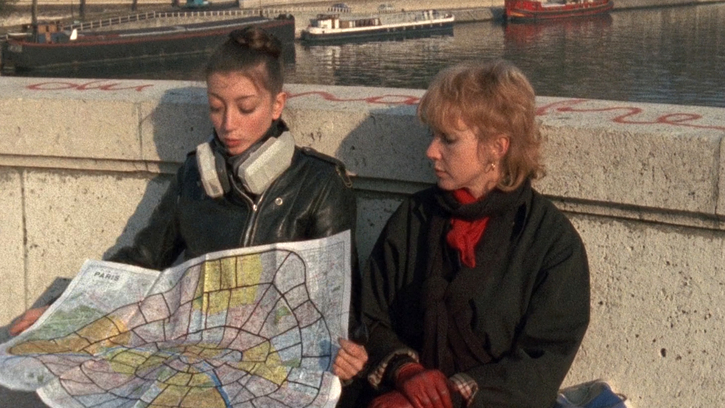
In 1946, Jorge Luis Borges published the story, On Exactitude in Science. The piece is a fragment of a 1658 fictional volume written by the equally fictitious Suárez Miranda. Its story addresses the role of cartography, relying upon the ironic endeavour of a group of cartographers attempting to make a 1:1 scale map; the map referring back to the original with such precision that it sits … Continue reading Cartographic Time

Gertrude Stein’s Rose and Chris Marker’s Owl

When recently reading Gertrude Stein’s famous poem Sacred Emily (1913), later published in Geography and Plays (1922) and famed for its sequence of “A rose is a rose is a rose…”, I was not thinking about a rose. Instead of a rose, I was in fact thinking of an owl. Before reading anything by Gertrude Stein, I had watched copious amounts of films by Chris … Continue reading Gertrude Stein’s Rose and Chris Marker’s Owl

The Temporal Disruptions of Marguerite Duras

Marguerite Duras was never keen on giving cinema an easy time. Adapting her own stories into feature films, it seems that the writer, rather than compromise the unusual qualities of her books, experimented and destabilised the narrative aspects of film form to suit her needs instead. Like her contemporary, Alain Robbe-Grillet, Duras made many attempts to transplant the elements of voice from her literary work … Continue reading The Temporal Disruptions of Marguerite Duras

Phantom Coincidence in W.G. Sebald’s “Remembered Triptych…”

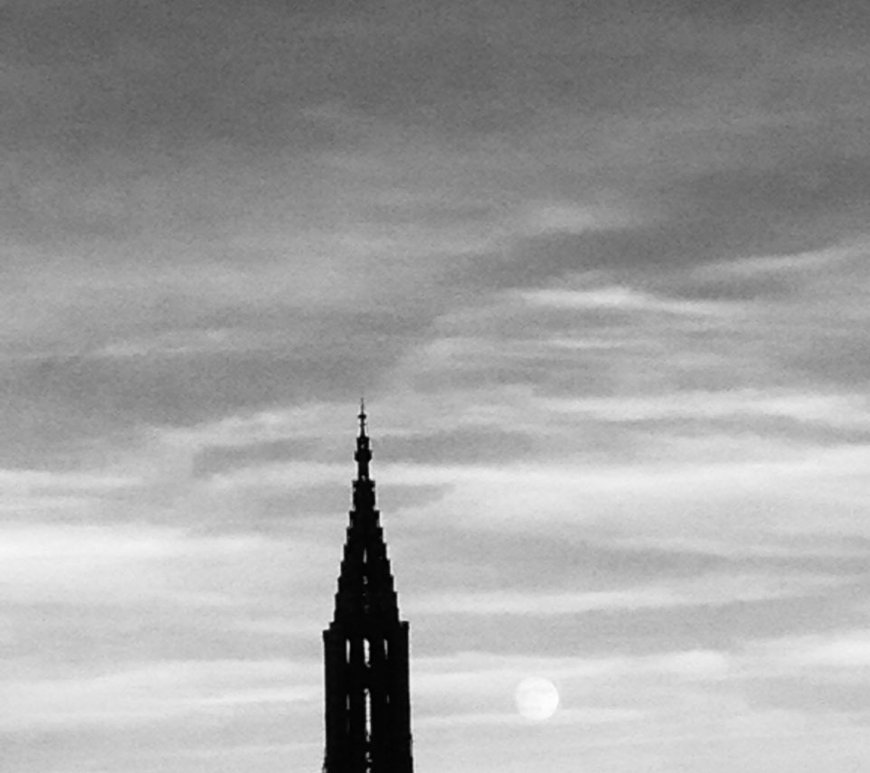
A few years ago, I was sat on a couch in Strasbourg reading essays by Teju Cole from the volume Known And Strange Things. It was night and I was alone, glancing up occasionally, as I often did when in my ex-partner’s flat, to stare at the city’s famous cathedral lit up at night. I was at the point of the book when Cole begins to … Continue reading Phantom Coincidence in W.G. Sebald’s “Remembered Triptych…”

Interview: David Gladwell on Cinema and Requiem For A Village

This interview was originally was published on the Small Cinema Liverpool website with thanks to Sam Meech and the BFI. However, since the closure and destruction of the cinema by Liverpool developers, the website has since been closed. This interview is saved here for posterity and in appreciation of a much underrated editor, filmmaker and artist Celluloid Wicker Man: In terms of filmmaking, how did … Continue reading Interview: David Gladwell on Cinema and Requiem For A Village

Memorial Dungeons: In Thomas Bernhard’s House

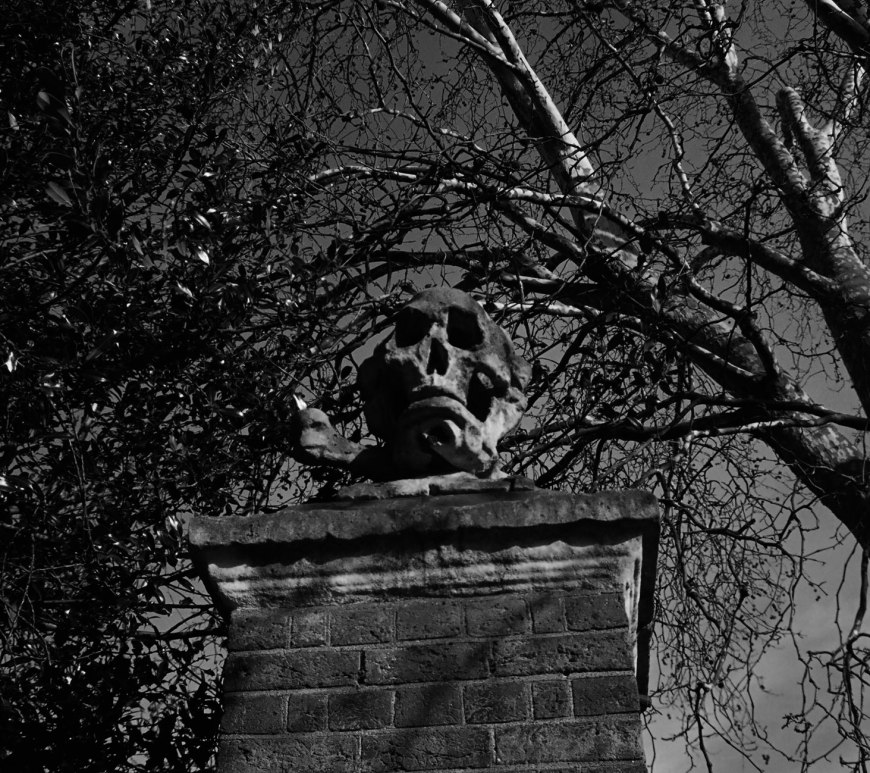
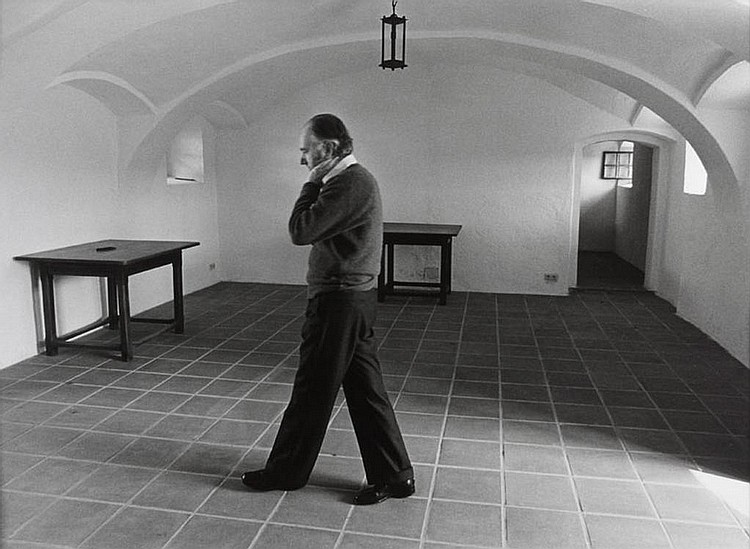
In 1965, Thomas Bernhard bought a house. It was bought roughly between the writing of several works, including Watten (1964) and his second novel Gargoyles (1967). The house is not really house in the ordinary sense, but a collection of farm houses known in German as Vierkanthof. The set of buildings is adjacent to the road of Obernathal in Ohlsdorf near the river Traun which winds down the valleys into … Continue reading Memorial Dungeons: In Thomas Bernhard’s House

Shadow-Time in Ritual In Transfigured Time (1946, Maya Deren)

Time is Maya Deren’s raw material. Though it could be argued that temporality is the material of all filmmakers to some extent, there’s something about Deren’s short work that captures a very earnest questioning of time passing and even as an unseen character of sorts. Like Andrei Tarkovsky, Deren used time to map the questioning of her of films; creating imagery that highlighted the temporal … Continue reading Shadow-Time in Ritual In Transfigured Time (1946, Maya Deren)

A Wander With Georges Perec

What can Georges Perec see out of the window? He’s sat as usual in Café de la Mairie, 8 Place Saint-Sulpice in the 6th arrondissment, hunched at his favourite single table by the window. More importantly, he’s looking outside. Life in the Latin Quarter is passing by outside as always; it never really stops, merely lulls. On his small, plastic coated table, he has a … Continue reading A Wander With Georges Perec