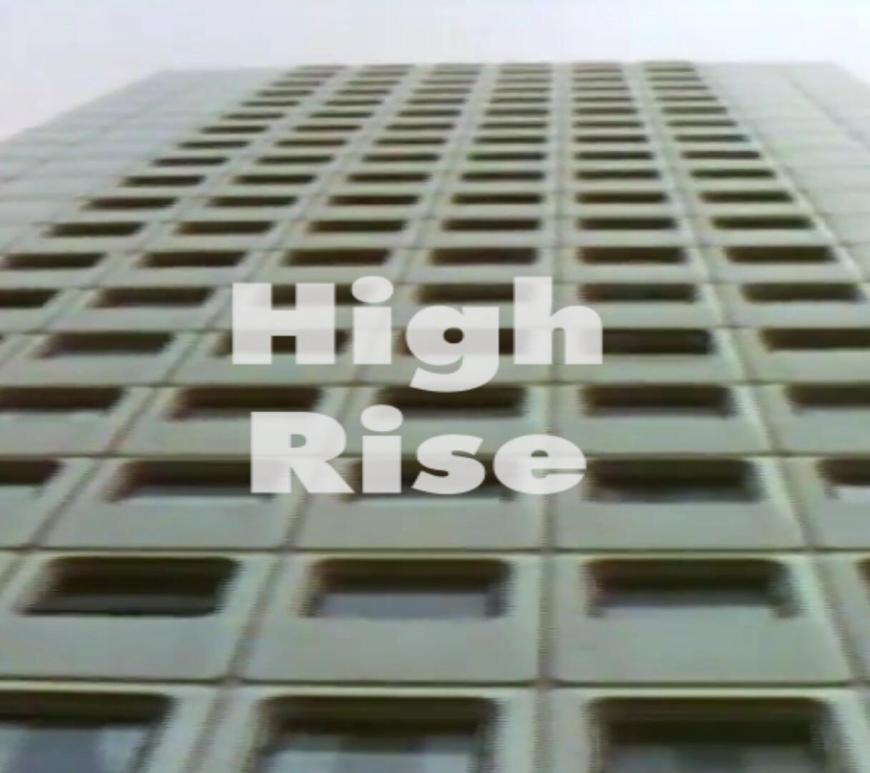
Doomwatch, J.G. Ballard and High-Rise

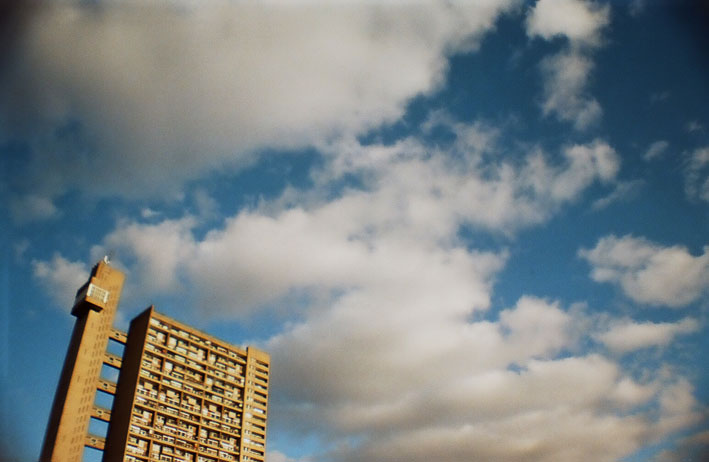
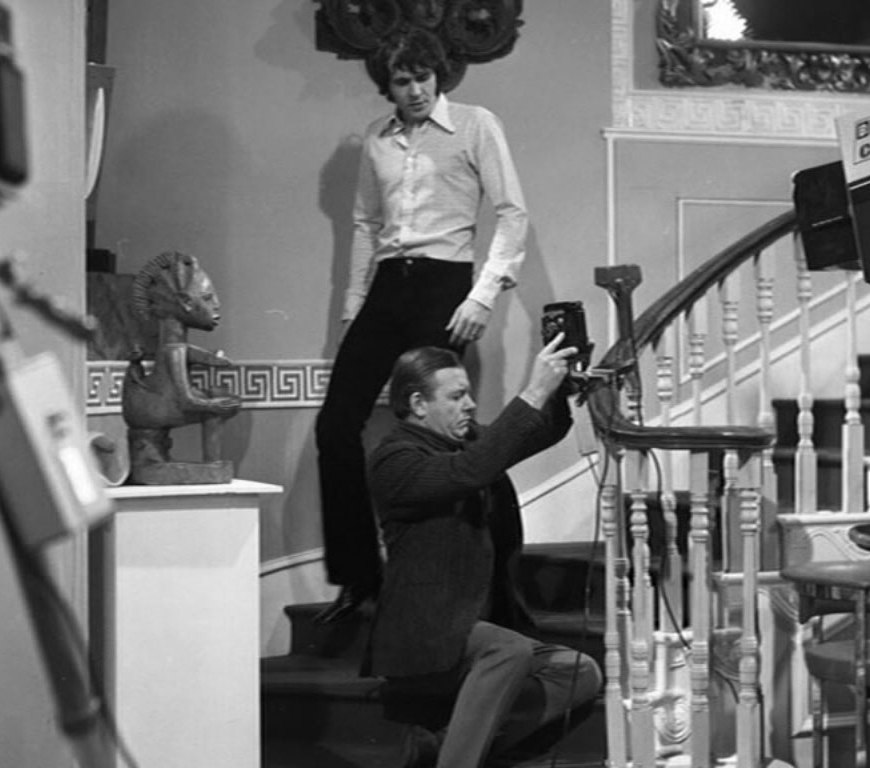
Having recently finished all of the remaining episodes of the early 1970s BBC series, Doomwatch, I had the strange feeling that I had slipped into a parallel world; one where the BBC had worked closely with the writer, J.G. Ballard, to make a series that addressed his themes.  Though the series largely resembles Ballard’s earlier novels with their constant post-civilisation eco-disasters similar to The Drowned World … Continue reading Doomwatch, J.G. Ballard and High-Rise

Wanders: Leamouth Labyrinth

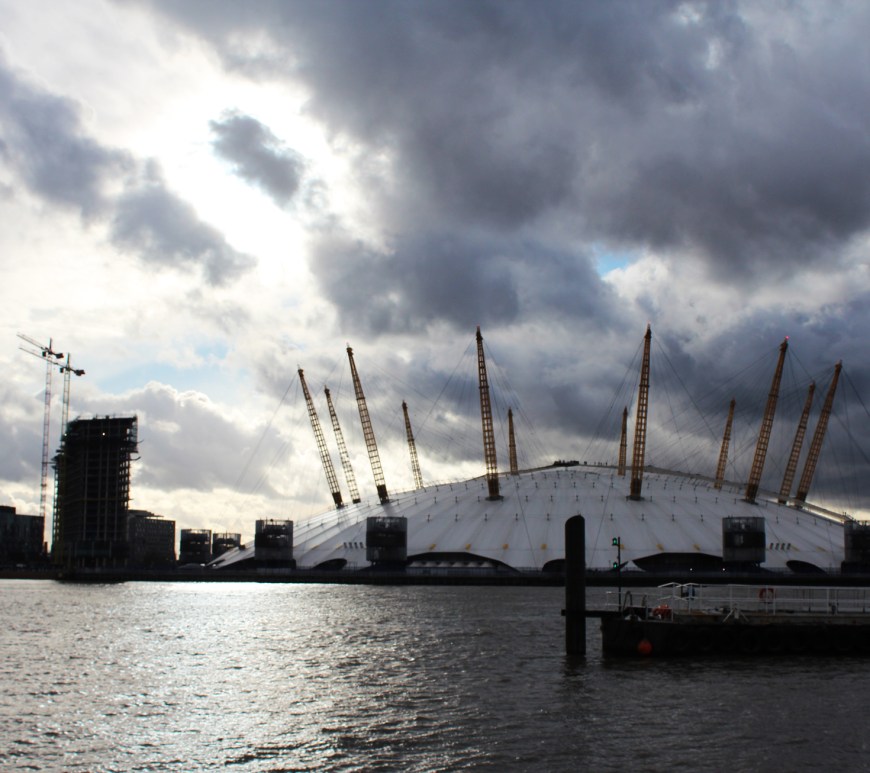
Having walked down the Lea Valley late last year with Gary Budden, we endeavoured to continue on from our point of departure in Planet Stratford and to follow the river right the way down to Leamouth where it finally pours into the Thames.  Though on paper the walk was effectively a south-following meander, mapped largely (or at least so we thought) by potentially walking along … Continue reading Wanders: Leamouth Labyrinth

Fictions: The Charter’d River

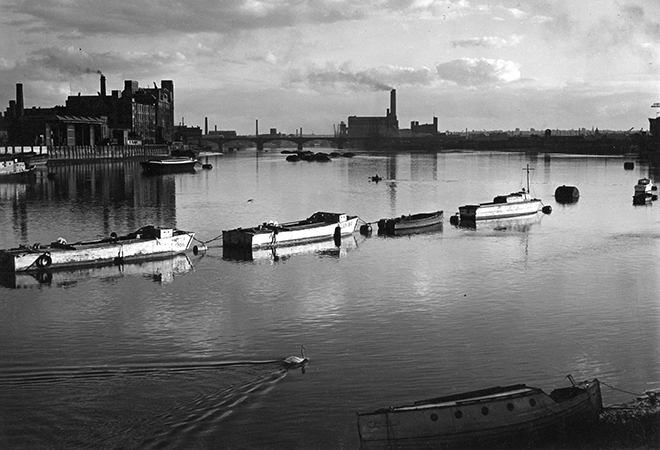
I wander thro’ each charter’d street,  Near where the charter’d Thames does flow.  And mark in every face I meet  Marks of weakness, marks of woe. – William Blake Properties on the banks of the river were first earmarked for government-approved privatisation some years ago.  Though private property had been a constant on the banks of the Thames for several hundred years, this millennium saw … Continue reading Fictions: The Charter’d River

Showreel 2016

I was initially struggling to put together a showreel for 2016.  I don’t think my film work has ever been so reliant on its varied soundworlds for their full context and so pulling the strongest images out of that context doesn’t quite work.  I’ve tried my best to make something vaguely cohesive from these moments though, looking back at the five films I’ve made this … Continue reading Showreel 2016

Wanders: Planet Stratford with John Rogers (London).

When recently interviewing the writer and filmmaker, John Rogers, the setting of our meeting place in Stratford played heavily upon my mind.  Such was the contrast between so many of the buildings and spaces within the area that many ideas came about just from a quick meander around its many new developments.  Because of this we agreed to reconvene at the place a few weeks … Continue reading Wanders: Planet Stratford with John Rogers (London).

Short Film – No Diggin’ Here.

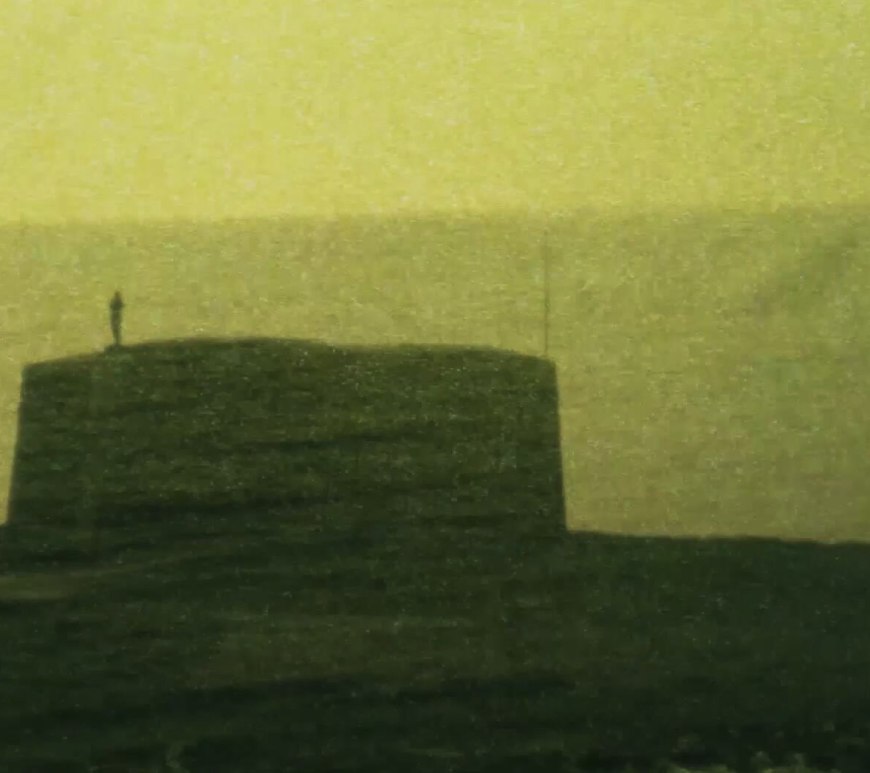
I have been lucky enough to have this year’s Halloween film, No Diggin’ Here – a film about M.R. James, Aldeburgh and A Warning To The Curious – premiered on the BFI’s website.  It was a Halloween treat that, until I saw it happen in full, I didn’t quite believe, but I count myself incredibly lucky for such an opportunity.  A few weeks back, the … Continue reading Short Film – No Diggin’ Here.

The Ghost In The Grain: Analogue Hauntings of the 1970s

This presentation was originally given at the Folk Horror Revival day at The British Museum (16/02/2016).  My thanks to the fellow admins of the Folk Horror Revival, especially Jim Peters and Andy Paciorek. There’s an overt connection between analogue technology and the narratives surrounding paranormal activity in British horror, especially when made during the 1970s.  No doubt there are connections between the interest in such … Continue reading The Ghost In The Grain: Analogue Hauntings of the 1970s

Dérives: A Journey To Avebury.

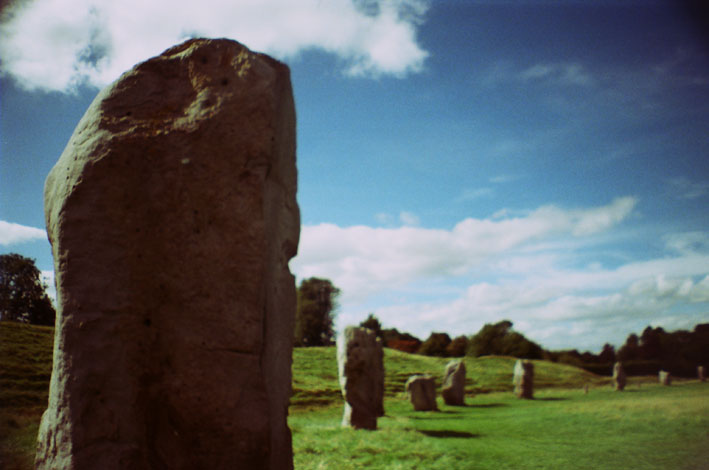
The Neolithic town of Avebury in Wiltshire has figured in much that I love for a growing number of years now.  Its draw has been one that has crossed all areas of the arts that dominate my current interests, to the point where the village almost seemed to embody a fictional realm akin to Alan Garner’s Elidor or Tolkien’s Middle Earth.  It had become a … Continue reading Dérives: A Journey To Avebury.

Responses: Keith Arnatt’s A.O.N.B (1982-1984).

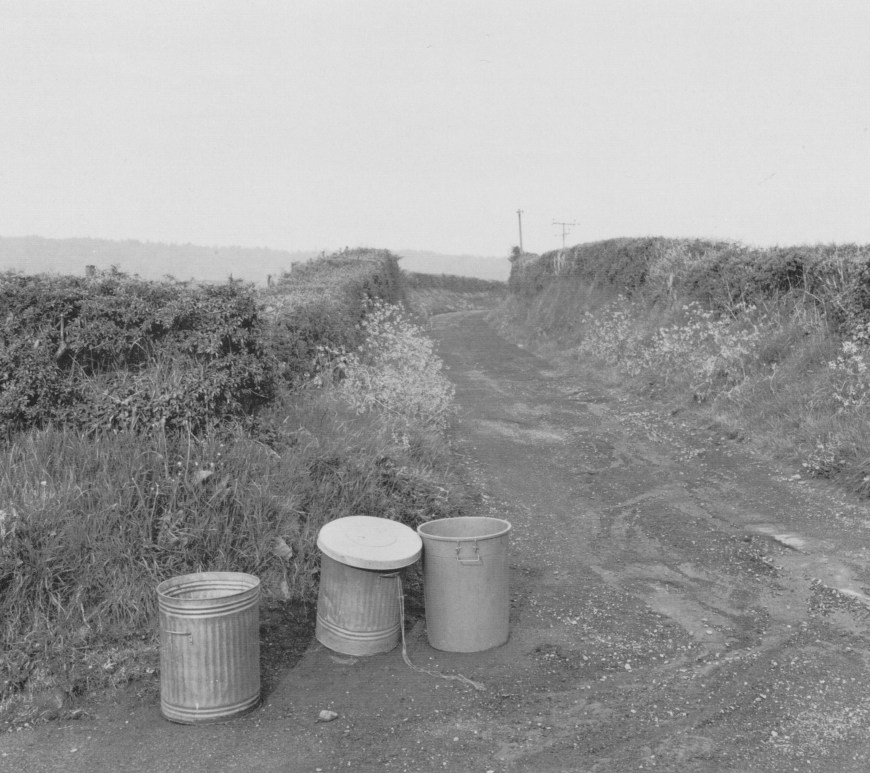
The photography series, Areas Of Outstanding Natural Beauty (1982-1984), was the first work I came across by Keith Arnatt.  This was some time before he would eventually be back in vogue thanks to Tate Britain’s well received conceptual exhibition, of which his most famous work, Self Burial (1969), was the publicity image for.  Very much like the landscapes that so much of Arnatt’s work captures, … Continue reading Responses: Keith Arnatt’s A.O.N.B (1982-1984).