Trailer – No Diggin’ Here.

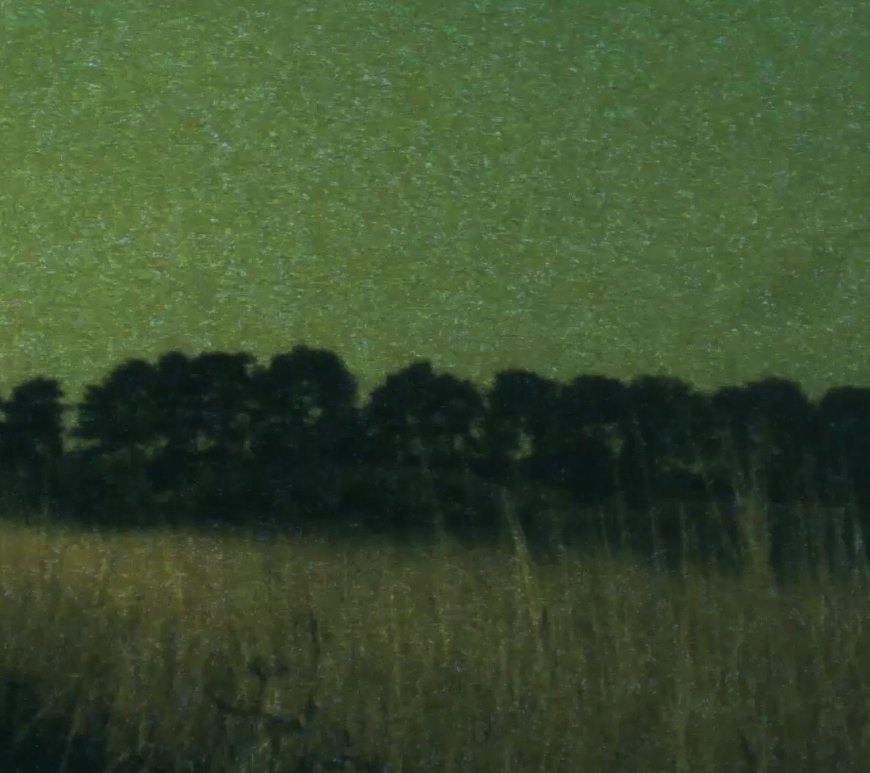
There are few writers that figure more prominently in everything I do than the teller of beautiful Edwardian ghost stories, M.R. James.  Alongside W.G. Sebald, J.G. Ballard, Alan Garner and Virginia Woolf, his writing holds a great power over me with its familiar yet unfamiliar worlds.  His writing preys upon my mind at regular intervals, even outside of the Christmas period from which they were … Continue reading Trailer – No Diggin’ Here.

Interview: John Rogers on London Overground and Psychogeography.

John Rogers has been one of the most prominent psychogeographical writers and filmmakers of the last decade.  Fiercely independent and with a strong DIY sensibility towards his creative responses to London, his work is a vital component and documentation of a city still in a phase of hyper-development and gentrification.  Ahead of his adaptation/response to Iain Sinclair’s most recent book, London Overground, I met up … Continue reading Interview: John Rogers on London Overground and Psychogeography.

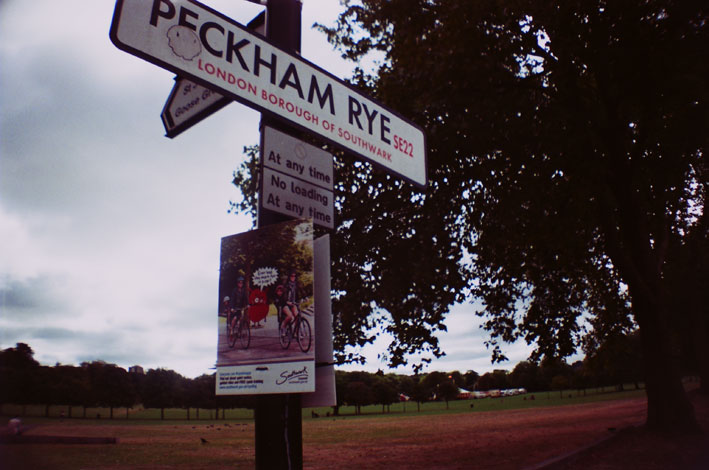
Muriel Spark’s Ballad Of Peckham Rye

“I shall have to do research,” Dougal mused, “into their inner lives. Research into the real Peckham.  It will be necessary to discover the spiritual well-spring, the glorious history of the place, before I am able to offer some impetus.” To ingratiate myself into newly living in South London, I was keen to find some boundary markers in the area to walk and explore. I had only … Continue reading Muriel Spark’s Ballad Of Peckham Rye

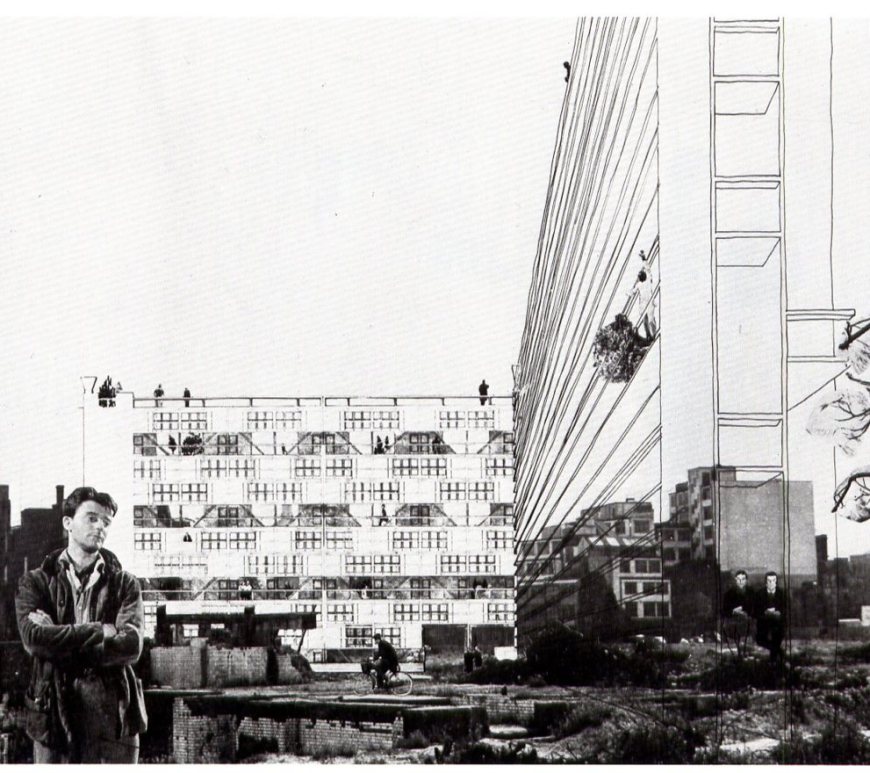
Responses: Alison and Peter Smithson’s Architecture (London).

Alison and Peter Smithson are two of the most influential architects of the 20th century.  This is in spite of the fact that only several of their buildings made it past the design stage and that, of those that did in the UK at least, they have often been reviled as the most grim of Brutalist designs.  Yet, apart from their buildings standing out for … Continue reading Responses: Alison and Peter Smithson’s Architecture (London).

Short Film – Heavy Water.

I remember being sat on a bench on Dunwich Heath in September last year and seeing the dome of Sizewell B for the first time as an adult.  I had just walked a little way down the coast, after a day of filming further down at Orford Ness, from Dunwich beach through to the heath.  I simply was not expecting to be greeted by such … Continue reading Short Film – Heavy Water.

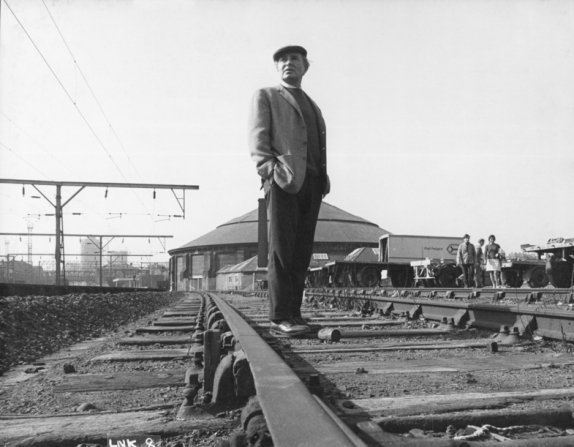
The London Nobody Knows (1969) – Psychogeographic Fluctuation.

Norman Cohen’s filmic version of Geoffrey Fletcher’s 1967 book, The London Nobody Knows, could hardly be called an adaptation.  With the book being a mixture of personal documentary and the historical exploring of London streets, its narrative is one purely of journeys if anything else.  Cohen was already used to this blurring of fiction and fact having unaccredited work on Arnold L. Miller’s cult documentary, … Continue reading The London Nobody Knows (1969) – Psychogeographic Fluctuation.

Wanders: The Magnet and The Last Resort (New Brighton).

As a last hurrah of being on Merseyside before moving, I decided to revisit a place just down the road from where I’d lived on The Wirral; armed with a desire to dig up some of its surprising past glories.  I’ve been going to the seaside resort of New Brighton for as long as I can remember, often as a place to sit off and … Continue reading Wanders: The Magnet and The Last Resort (New Brighton).

Responses: Richard Long’s A Line Made By Walking (1967).

Like the work of sculptor Andy Goldsworthy, Richard Long’s work immediately asks an intriguing question: which part of the work is the official segment of “art”?  Is it the very process of making it and performing which constitutes the work or is it the documentation of such a process?  It needn’t be such a binary state of affairs; the two potential options have a fluid … Continue reading Responses: Richard Long’s A Line Made By Walking (1967).

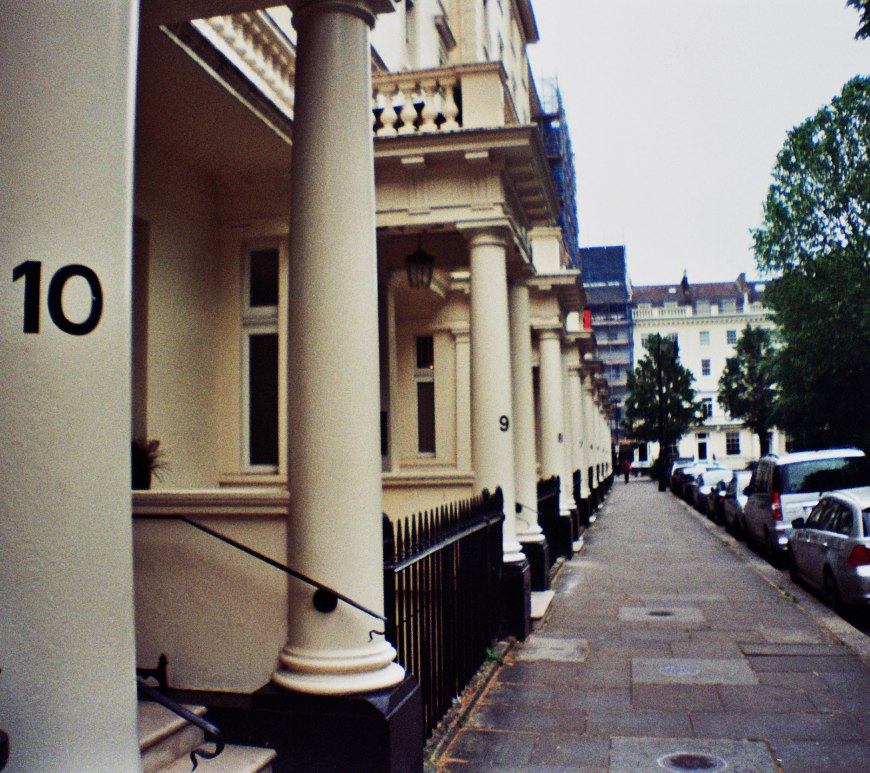
Wanders: Ian Nairn’s Pimlico (London).

I’ve always had a slight relationship with Victoria and Pimlico in London.  As central London areas go, it has always represented two things to me: the awful feeling of leaving the city and the sense of dread at having to wander around somewhere largely built of private buildings, houses and hotels (not the ideal place to burn an hour in wait for a coach or … Continue reading Wanders: Ian Nairn’s Pimlico (London).

Responses: Jeremy Millar’s A Firework For Sebald (2005).

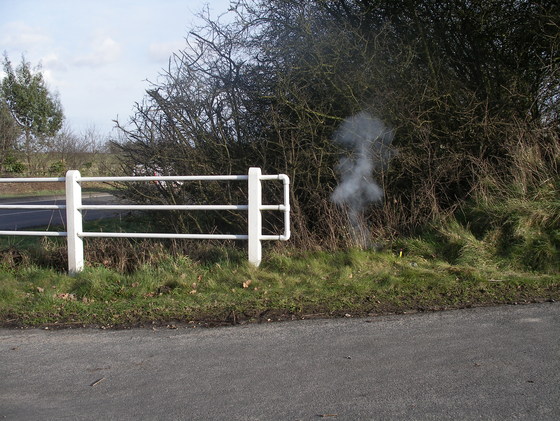
The strongest moment in Grant Gee’s documentary on W.G. Sebald, Patience (After Sebald) (2012), is courtesy of a photographic work by the artist, Jeremy Millar. Towards the end of film, the inevitable addressing of the tragedy of Sebald’s life being cut short in a car crash in 2001 comes to be addressed and uses one photo from a series of works by Millar titled A Firework … Continue reading Responses: Jeremy Millar’s A Firework For Sebald (2005).