Responses: Tacita Dean’s Berlin And The Artist (2012)

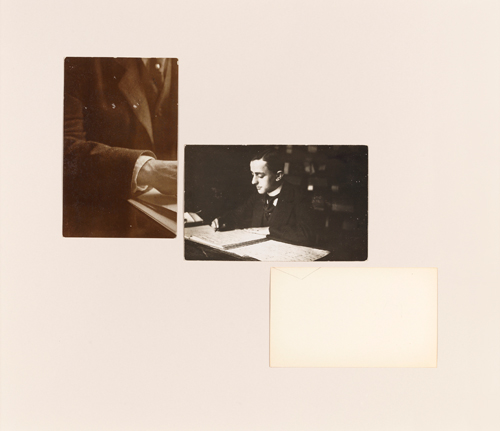
Chance played a huge role in the writing of Robert Walser. I can picture his slow meanderings around towns and valleys, spotting something that fired his brief need to write before getting distracted by something else entirely. I can see him getting excited by the way sunlight reflects off a lake’s water, by the fustiness of a suited man coming out of a bank, by … Continue reading Responses: Tacita Dean’s Berlin And The Artist (2012)

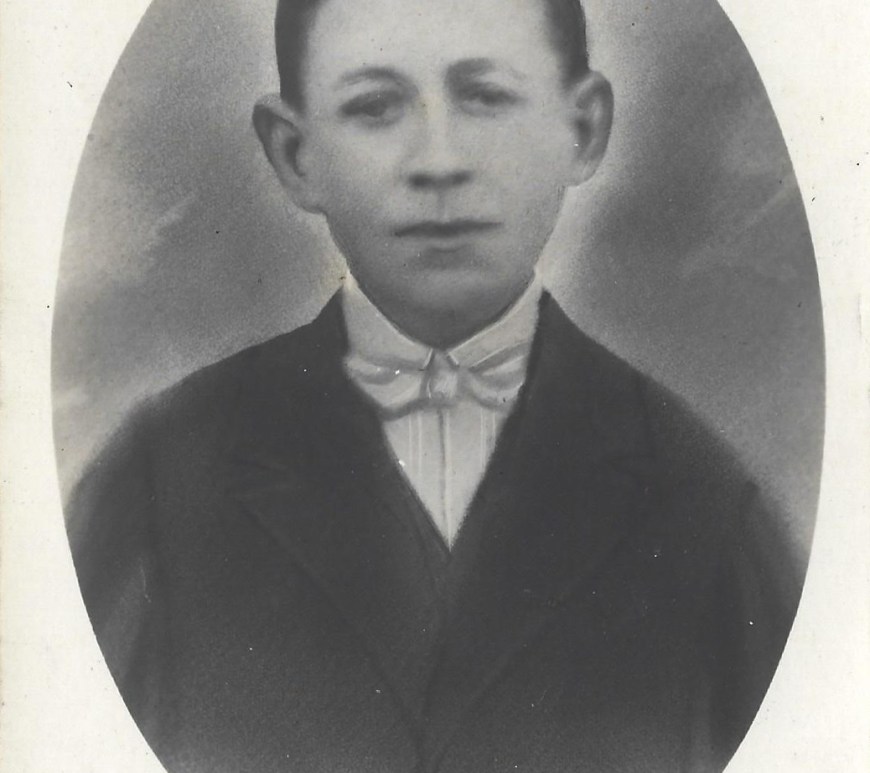
Fragments: Herr Lehmann’s Pond In Baden-Baden

Herr Lehmann resembled Kafka. He looked less like Kafka at first but more like Kafka as I came to know him. He was Kafka-esque though not in that sense, the sense of being horrifyingly bureaucratic – which he was, though this is not the reason – but in the sense that his face seemed, for always, like Kafka yet imagined with slight errors. Herr Lehmann … Continue reading Fragments: Herr Lehmann’s Pond In Baden-Baden

Fragments: On A Hillside Near Château Haut-Barr

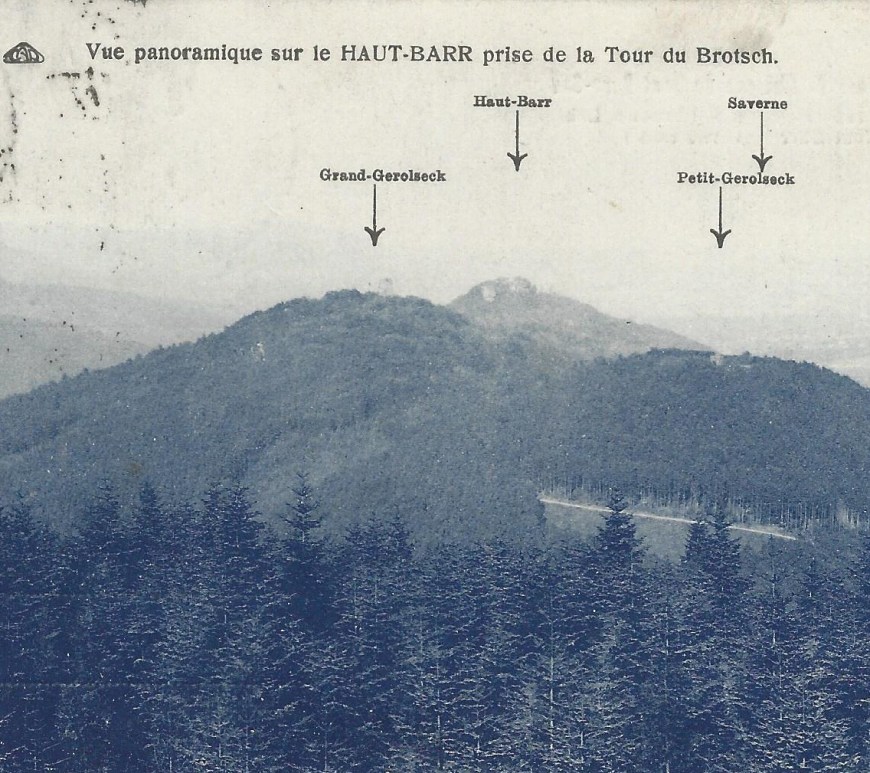
And then we had lost each other within the trees. The moment slipped away as quickly as her shadow, passing onwards through the breeze. I craved the warmth of the Château Haut-Barr once more, leaves falling through the cracks in its walls, our souls simply kindling for the hungry fire to burn. But I was alone in the murk of trees, all of whom leaned … Continue reading Fragments: On A Hillside Near Château Haut-Barr

Georges Perec Escapes

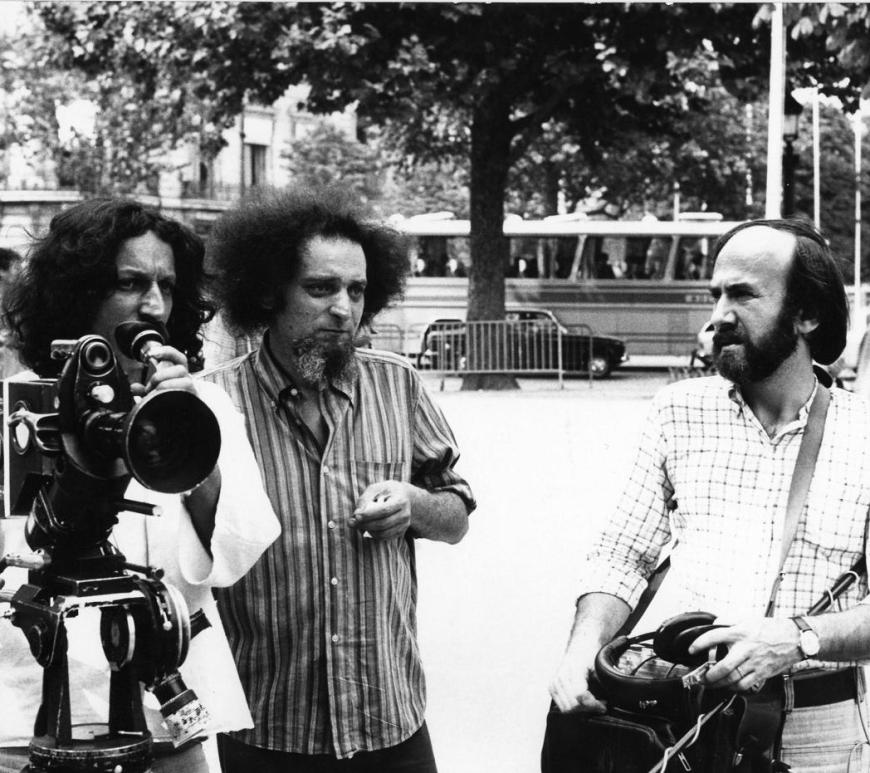
When Georges Perec was 11, he decided to wander. In fact, escape is perhaps a better description; a jailbreak from his aunt’s house on Rue de l’Assomption. He wandered Paris with who knows what planned. It was such a defining experience for the writer that he later composed a text surrounding the feeling of release and the places he encountered on this lost meander called … Continue reading Georges Perec Escapes

Gertrude Stein’s Rose and Chris Marker’s Owl

When recently reading Gertrude Stein’s famous poem Sacred Emily (1913), later published in Geography and Plays (1922) and famed for its sequence of “A rose is a rose is a rose…”, I was not thinking about a rose. Instead of a rose, I was in fact thinking of an owl. Before reading anything by Gertrude Stein, I had watched copious amounts of films by Chris … Continue reading Gertrude Stein’s Rose and Chris Marker’s Owl

The Temporal Disruptions of Marguerite Duras

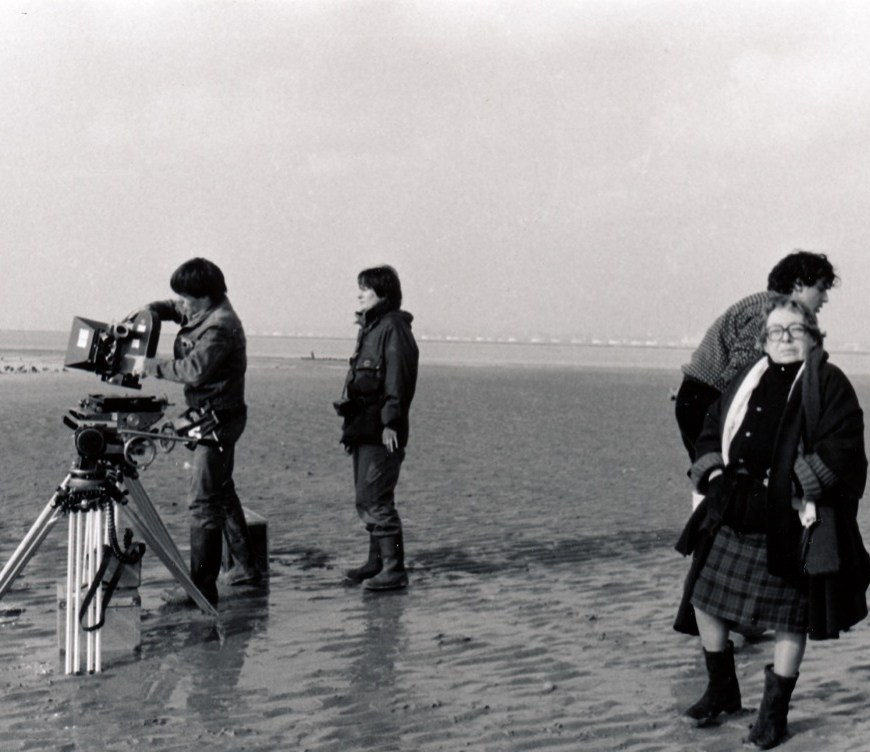
Marguerite Duras was never keen on giving cinema an easy time. Adapting her own stories into feature films, it seems that the writer, rather than compromise the unusual qualities of her books, experimented and destabilised the narrative aspects of film form to suit her needs instead. Like her contemporary, Alain Robbe-Grillet, Duras made many attempts to transplant the elements of voice from her literary work … Continue reading The Temporal Disruptions of Marguerite Duras

Phantom Coincidence in W.G. Sebald’s “Remembered Triptych…”

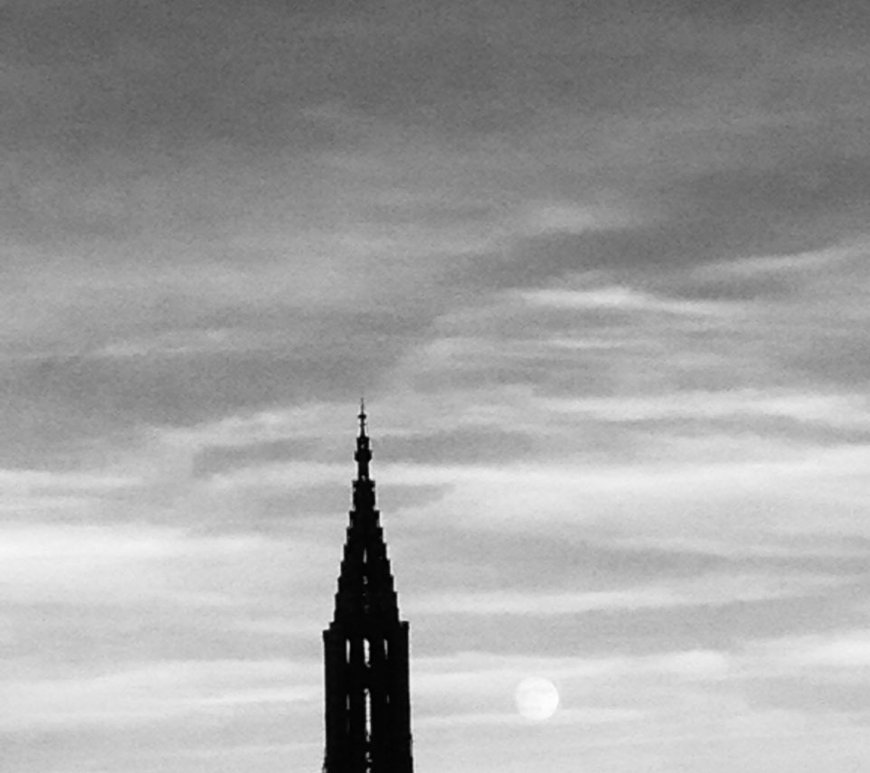
A few years ago, I was sat on a couch in Strasbourg reading essays by Teju Cole from the volume Known And Strange Things. It was night and I was alone, glancing up occasionally, as I often did when in my ex-partner’s flat, to stare at the city’s famous cathedral lit up at night. I was at the point of the book when Cole begins to … Continue reading Phantom Coincidence in W.G. Sebald’s “Remembered Triptych…”

Memorial Dungeons: In Thomas Bernhard’s House

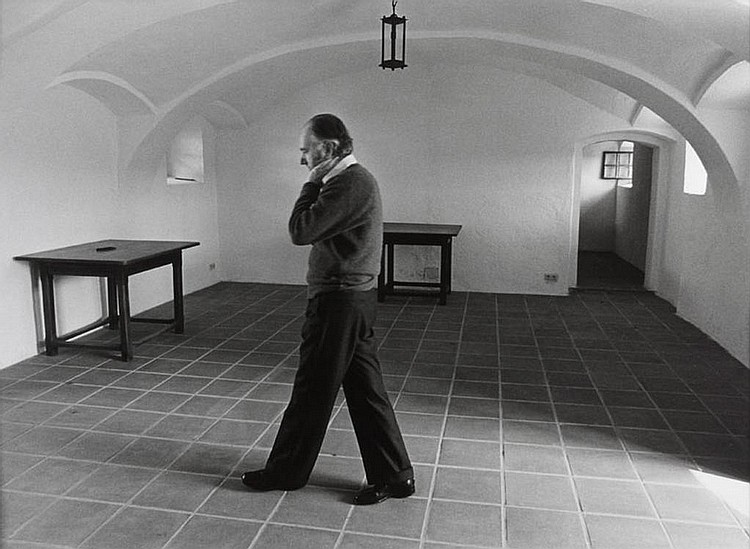
In 1965, Thomas Bernhard bought a house. It was bought roughly between the writing of several works, including Watten (1964) and his second novel Gargoyles (1967). The house is not really house in the ordinary sense, but a collection of farm houses known in German as Vierkanthof. The set of buildings is adjacent to the road of Obernathal in Ohlsdorf near the river Traun which winds down the valleys into … Continue reading Memorial Dungeons: In Thomas Bernhard’s House