Short Film – Salthouse Marshes

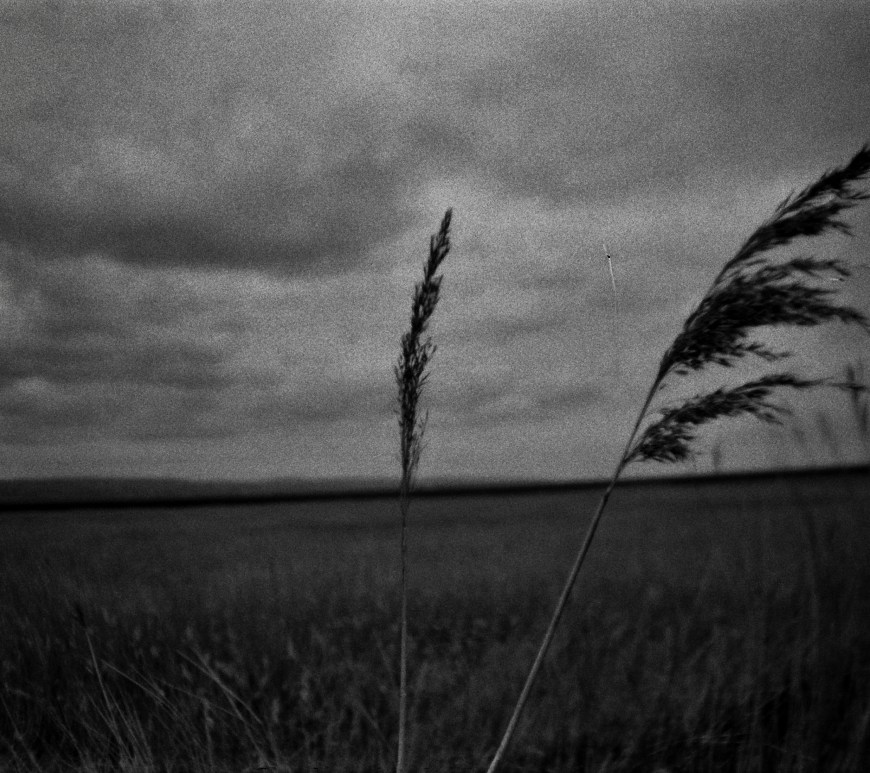
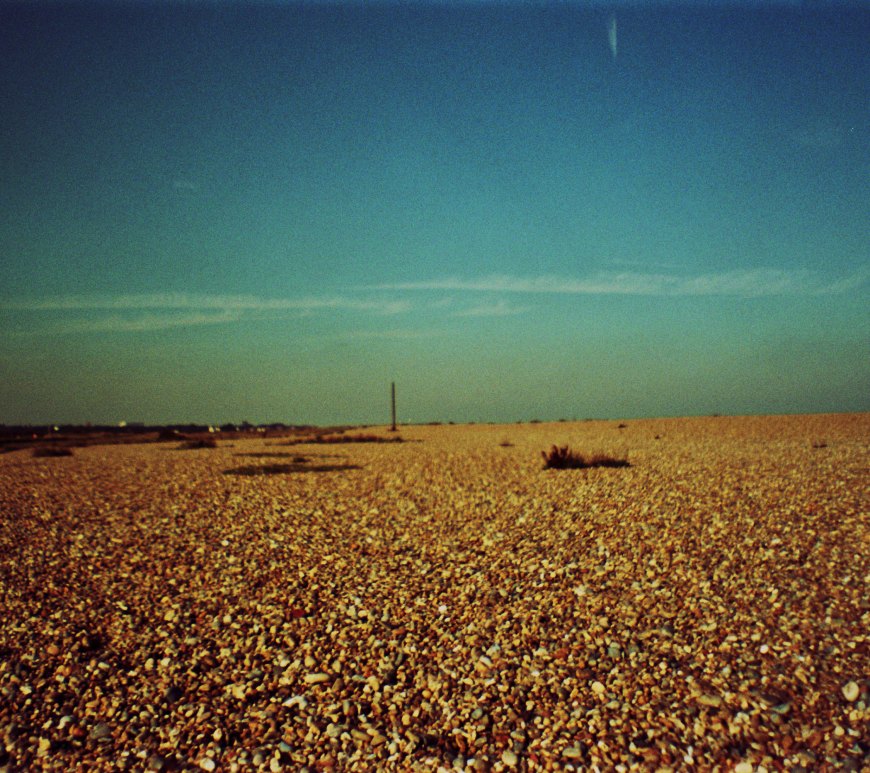
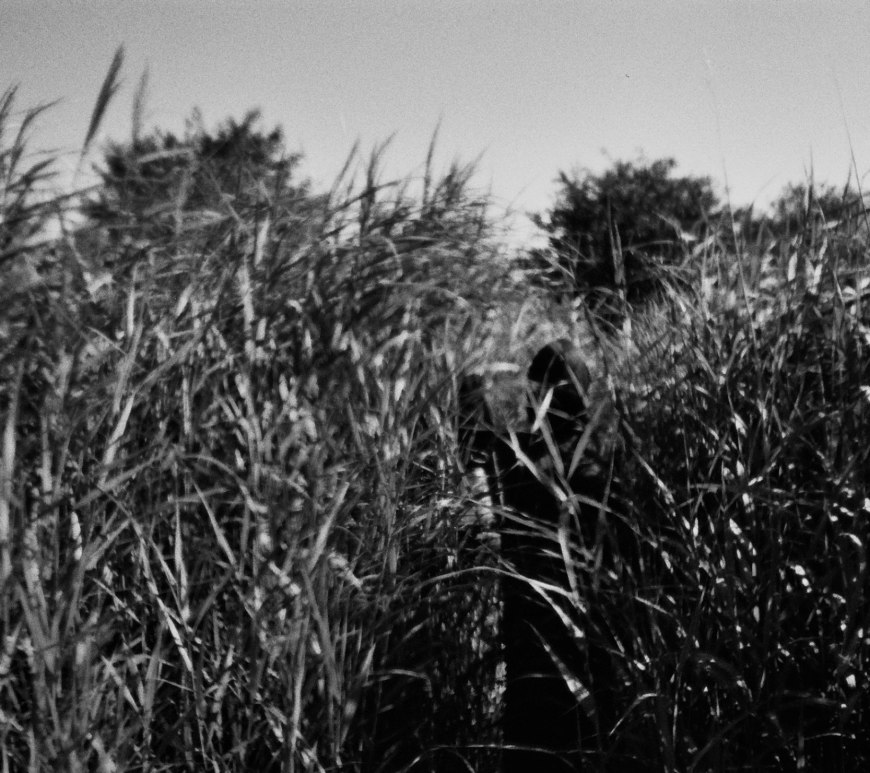
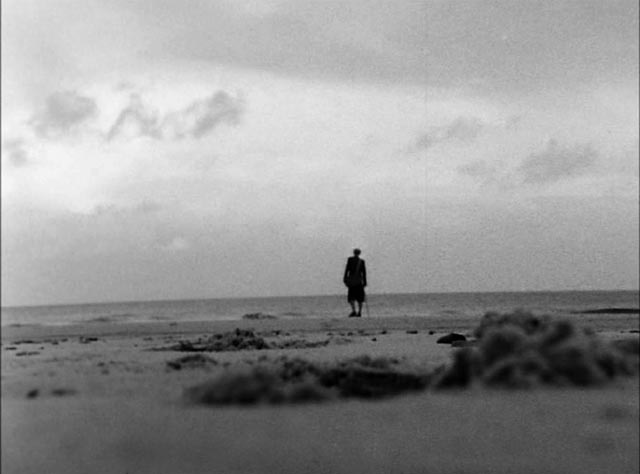
Salthouse Marshes began life in a strange way.  Having chatted about adapting Algernon Blackwood’s The Willows with Robert Macfarlane (who had wanted to re-set it in England), there was always to be a “haunted waterway” film on the cards.  But, after constant reading of the narrative of The Willows, the thought of organising the filming on two boats and on celluloid simply proved too intimidating.  … Continue reading Short Film – Salthouse Marshes

The “English Eerie” and The Landscape Venn.

As I write this, it is just under two weeks to the Spectral Landscapes event in Oxford.  Put together between myself and the Oxford University’s Romantic society through Jen Wood, the event is looking at the resurgence of interest in work across all forms of creative media which looks to the landscape in order to find essences of the “eerie”, especially of that in English … Continue reading The “English Eerie” and The Landscape Venn.

Walking “A Warning To The Curious” (M.R. James).

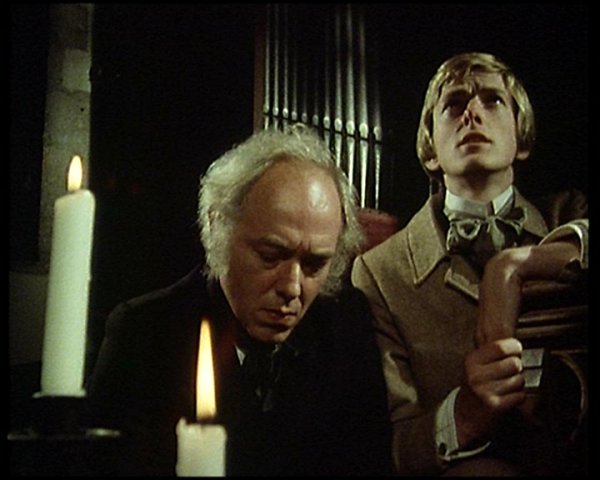
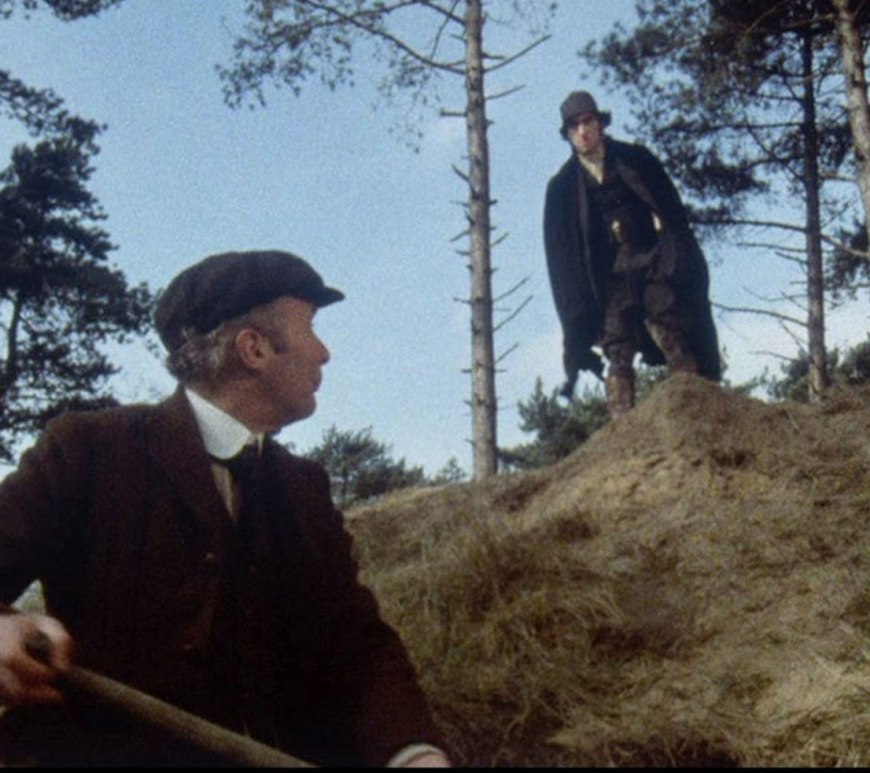
A few years back, whilst on holiday in Norfolk, I began exploring some of locations used for the BBC’s famous M.R. James adaptations, specifically for Lawrence Gordon Clark’s adaptation of A Warning To The Curious (1972).  Though I had been far from thorough in this escapade (I completely missed the film’s most iconic structure in the church at Happisburgh), on finding myself in Suffolk, I … Continue reading Walking “A Warning To The Curious” (M.R. James).

Trailer – Salthouse Marshes.

Above is the trailer for my last film of the year, Salthouse Marshes.  Continuing on from last year’s theme in a trend I hope to continue with on a yearly basis, the film is a short, landscape obsessed ghost story.  With the BBC seeming reluctant to bother with a ghost story for Christmas any more, it feels necessary to in some way plug the gap … Continue reading Trailer – Salthouse Marshes.

The Urban Wyrd

One of the key criticisms of theories surrounding the genre Folk Horror is its emphasis upon the rural landscape. How can a genre really encompass such rural horror films as Witchfinder General (1968) and The Wicker Man (1973) while also discussing more urban-set horrors such as Quatermass and the Pit (1967)? While key works of Folk Horror cinema seem to broadly focus on rural landscapes to set … Continue reading The Urban Wyrd

The Ritual Of Craft In Folk Horror.

With the ideas of the Folk Horror Chain starting to seem incomplete as the sub-genre grows in popularity and is more analysed, it’s about time further facets, themes, ideas and traits were added to the conversation.  This will be the first in a number of pieces about other traits not accounted for or addressed in the initial idea of the chain (which itself was only … Continue reading The Ritual Of Craft In Folk Horror.

The Aural Aesthetics Of Ghosts In BBC Ghost Stories – Part 7 (Haunted Objects).

Part 1. Part 2. Part 3. Part 4. Part 5. Part 6. “The Ghost In The Machine”: The Haunting Nature Of Unnatural Diegetic Sound. “M.R. James’ objects are imbued with our deepest fears, deepest terrors and resonances.  The whistle can bring up a storm or bring a monster from the deep.  The crown, that if you touch, its guardian will tear you to pieces.” – … Continue reading The Aural Aesthetics Of Ghosts In BBC Ghost Stories – Part 7 (Haunted Objects).

Hysteria and Curses in Nigel Kneale’s Baby (Beasts, 1976).

When watching Nigel Kneale’s infinitely weird TV series, Beasts (1976), there’s a great sense of underlying currents behind what appear to be strange amalgamations of the everyday with something of the Other.  Though the links between the episodes are often animalistic, ranging the ghost of a dolphin in Buddyboy to the hoards of rats in During Barty’s Party, the majority of the episodes all, at … Continue reading Hysteria and Curses in Nigel Kneale’s Baby (Beasts, 1976).

The Aural Aesthetics of Ghosts in BBC Ghost Stories – Part 6 (Excavation).

Part 1. Part 2. Part 3. Part 4. Part 5. Human Interaction With The Landscape And Its Soundscape. “The wind was bitter from the north, but was at his back when he set out for the Globe.  He quickly rattled and clashed through the shingle and gained the sand, upon which, but for the groynes which had to be got over every few yards, the … Continue reading The Aural Aesthetics of Ghosts in BBC Ghost Stories – Part 6 (Excavation).

The Aural Aesthetics of Ghosts in BBC Ghost Stories – Part 5 (Landscape).

Part 1. Part 2. Part 3. Part 4. Natural Diegesis And Aural Interaction With Landscape. One of M.R. James’ most recognisable writing traits is his emphasis on rural settings.  From his own personal experience, of both exploring the churches of France on holiday bike-rides and living and holidaying in Suffolk and Norfolk, the rural landscape became almost as much of a story trope as the … Continue reading The Aural Aesthetics of Ghosts in BBC Ghost Stories – Part 5 (Landscape).