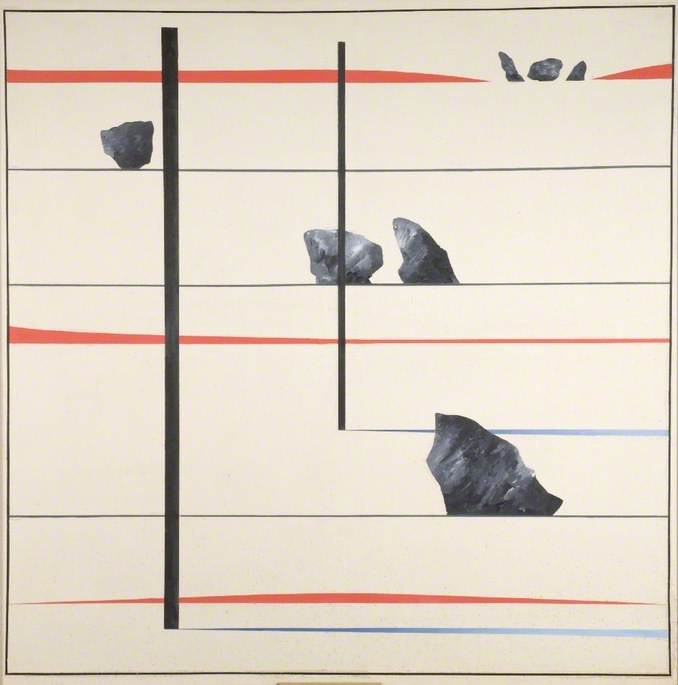
Responses: Derek Jarman’s Avebury

One of Derek Jarman’s first short super-8 film was the haunting A Journey to Avebury. Early evidence that Jarman was interested in the genii loci of English landscapes, his walk through the Wiltshire landscape, after the intense stint of work on the sets for Ken Russell’s The Devils (1971), had a larger influence upon him than the singular short film belies. The ancient landscape generated a whole range minimalist paintings … Continue reading Responses: Derek Jarman’s Avebury

Responses: Poems On Landscape and Melancholy

Throughout 2016, I’ve been trying to respond to artwork about landscape in more ways than simply essays.  I found that in trying convey work that I liked, there was only so far I could go with conventional journalistic and essay writing.  At the tail-end of each response article, I’ve been sneaking in a poem about the work and its themes so thought it would be … Continue reading Responses: Poems On Landscape and Melancholy

Responses: Tessa Farmer’s La Chasse (2016)

I first encountered the work of Tessa Farmer during a rainy daydream in Saatchi Gallery a few years back.  It was a strange experience as, staring at her Swarm (2004) piece, it took a while to pinpoint exactly what was unnerving about the work.  The discovery of a micro-agency controlling the taxidermic happenings in the form of Arthur Machen-like faeries is key to the enjoyment … Continue reading Responses: Tessa Farmer’s La Chasse (2016)

Responses: Keith Arnatt’s A.O.N.B (1982-1984).

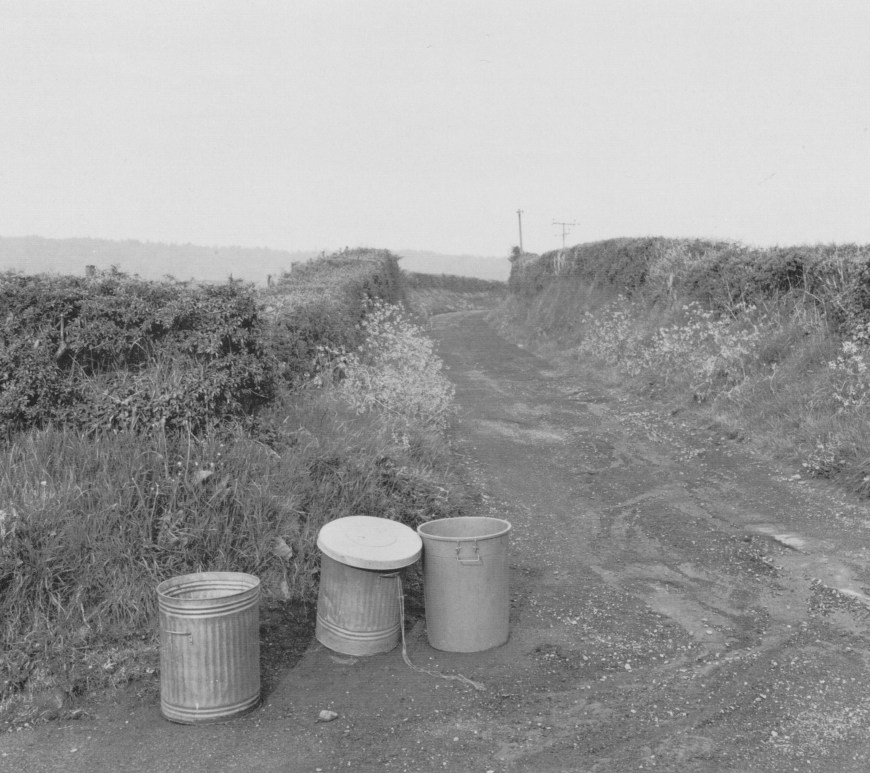
The photography series, Areas Of Outstanding Natural Beauty (1982-1984), was the first work I came across by Keith Arnatt.  This was some time before he would eventually be back in vogue thanks to Tate Britain’s well received conceptual exhibition, of which his most famous work, Self Burial (1969), was the publicity image for.  Very much like the landscapes that so much of Arnatt’s work captures, … Continue reading Responses: Keith Arnatt’s A.O.N.B (1982-1984).

Responses: Alison and Peter Smithson’s Architecture (London).

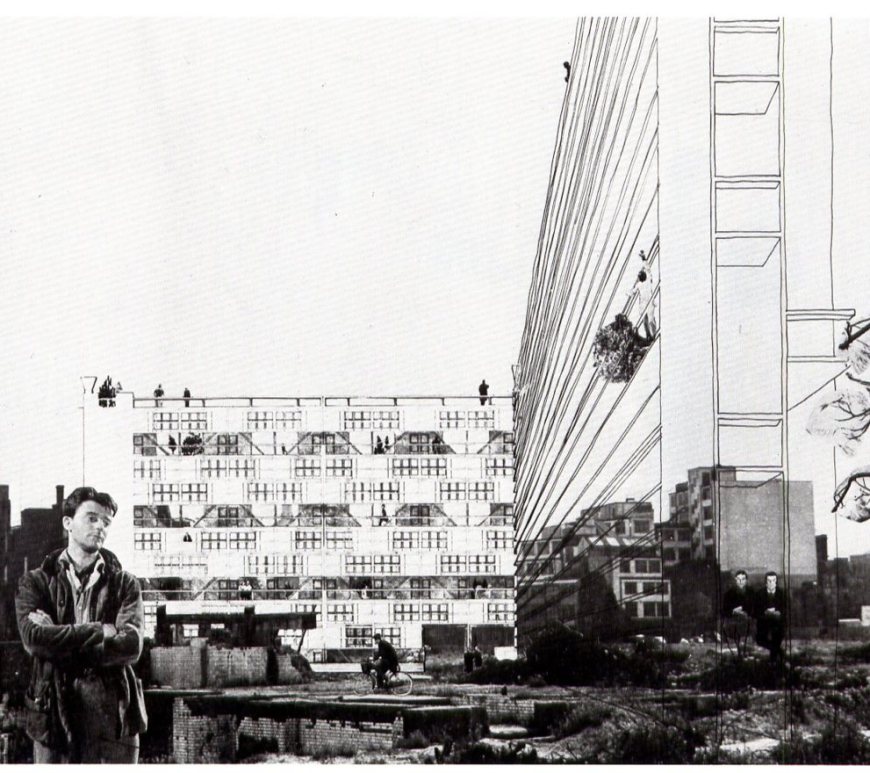
Alison and Peter Smithson are two of the most influential architects of the 20th century.  This is in spite of the fact that only several of their buildings made it past the design stage and that, of those that did in the UK at least, they have often been reviled as the most grim of Brutalist designs.  Yet, apart from their buildings standing out for … Continue reading Responses: Alison and Peter Smithson’s Architecture (London).

Wanders: The Magnet and The Last Resort (New Brighton).

As a last hurrah of being on Merseyside before moving, I decided to revisit a place just down the road from where I’d lived on The Wirral; armed with a desire to dig up some of its surprising past glories.  I’ve been going to the seaside resort of New Brighton for as long as I can remember, often as a place to sit off and … Continue reading Wanders: The Magnet and The Last Resort (New Brighton).

Responses: Richard Long’s A Line Made By Walking (1967).

Like the work of sculptor Andy Goldsworthy, Richard Long’s work immediately asks an intriguing question: which part of the work is the official segment of “art”?  Is it the very process of making it and performing which constitutes the work or is it the documentation of such a process?  It needn’t be such a binary state of affairs; the two potential options have a fluid … Continue reading Responses: Richard Long’s A Line Made By Walking (1967).

Responses: Andy Goldsworthy’s Ice Arch (1982)

Andy Goldsworthy’s work has a transience running  through its core. Such quiet transience is perhaps best expressed in his use of ice within sculpture. Though almost everything the artist does has a brief lifespan as a finished object, there are few that seem so precarious as his ice works, specifically the various ice arches that he laboured on throughout the 1980s. For this article, the … Continue reading Responses: Andy Goldsworthy’s Ice Arch (1982)

Responses: John James Audubon’s Animals And Birds.

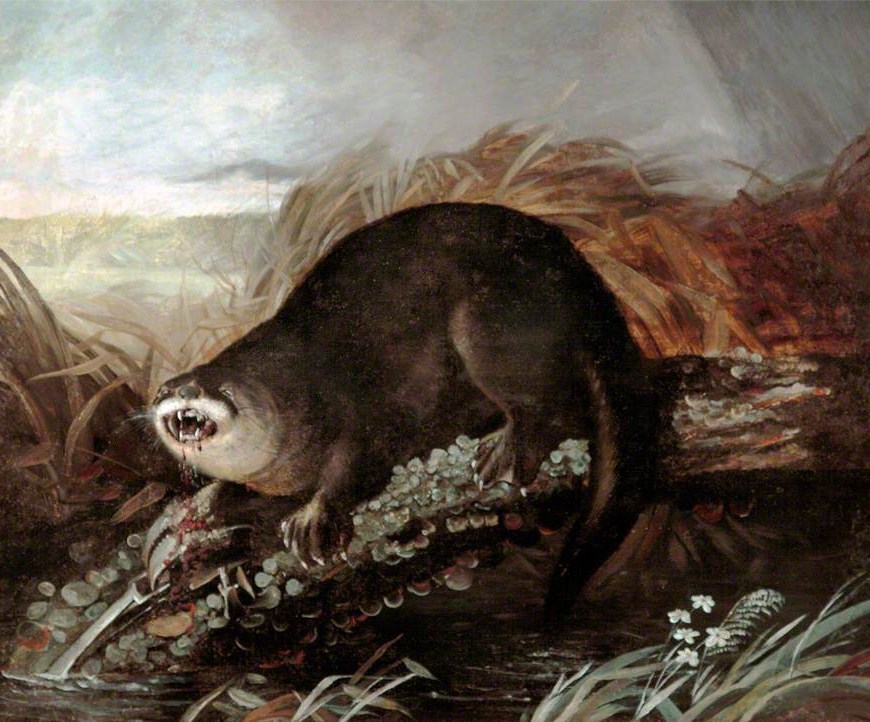
On a day where an unusually hazy rain persisted in a constant downfall, I took refuge in the redbrick building of the Victoria Museum and Gallery that lies at the top of Brownlow Hill.  The building sits in sharp contrast to the more medicinal university buildings which surround it, one being brutalist in its strange edges and institute sensibility, the other being passive-aggressive in its … Continue reading Responses: John James Audubon’s Animals And Birds.

Responses: Henry Moore’s Sheep Sketchbook (1980)

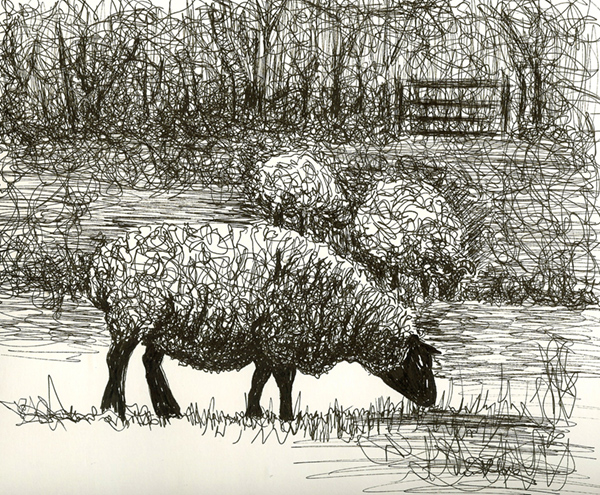
Henry Moore enjoyed the grazing calmness of sheep. The animals stand out in the landscape in the same, oblique way as his own sculptures, simultaneously fitting in and seeming anomalous. They litter the vista in a way that is puzzling and warmly mysterious. Writer Roger Deakin recognised this relationship himself when walking the Rhinogs. He wrote of seeing that same relationship that sparked Moore’s fascination … Continue reading Responses: Henry Moore’s Sheep Sketchbook (1980)