Responses: Richard Long’s A Line Made By Walking (1967).

Like the work of sculptor Andy Goldsworthy, Richard Long’s work immediately asks an intriguing question: which part of the work is the official segment of “art”?  Is it the very process of making it and performing which constitutes the work or is it the documentation of such a process?  It needn’t be such a binary state of affairs; the two potential options have a fluid … Continue reading Responses: Richard Long’s A Line Made By Walking (1967).

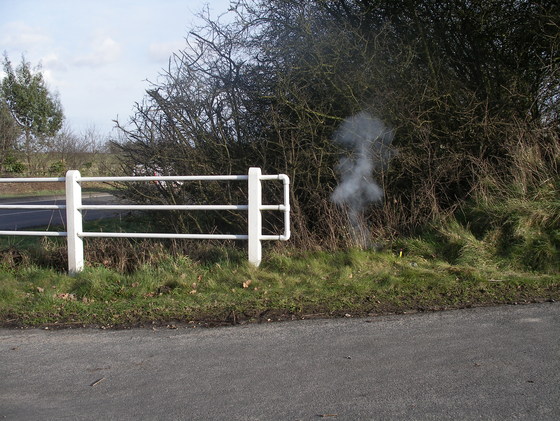
Responses: Jeremy Millar’s A Firework For Sebald (2005).

The strongest moment in Grant Gee’s documentary on W.G. Sebald, Patience (After Sebald) (2012), is courtesy of a photographic work by the artist, Jeremy Millar. Towards the end of film, the inevitable addressing of the tragedy of Sebald’s life being cut short in a car crash in 2001 comes to be addressed and uses one photo from a series of works by Millar titled A Firework … Continue reading Responses: Jeremy Millar’s A Firework For Sebald (2005).

Responses: Andy Goldsworthy’s Ice Arch (1982)

Andy Goldsworthy’s work has a transience running  through its core. Such quiet transience is perhaps best expressed in his use of ice within sculpture. Though almost everything the artist does has a brief lifespan as a finished object, there are few that seem so precarious as his ice works, specifically the various ice arches that he laboured on throughout the 1980s. For this article, the … Continue reading Responses: Andy Goldsworthy’s Ice Arch (1982)

Responses: John James Audubon’s Animals And Birds.

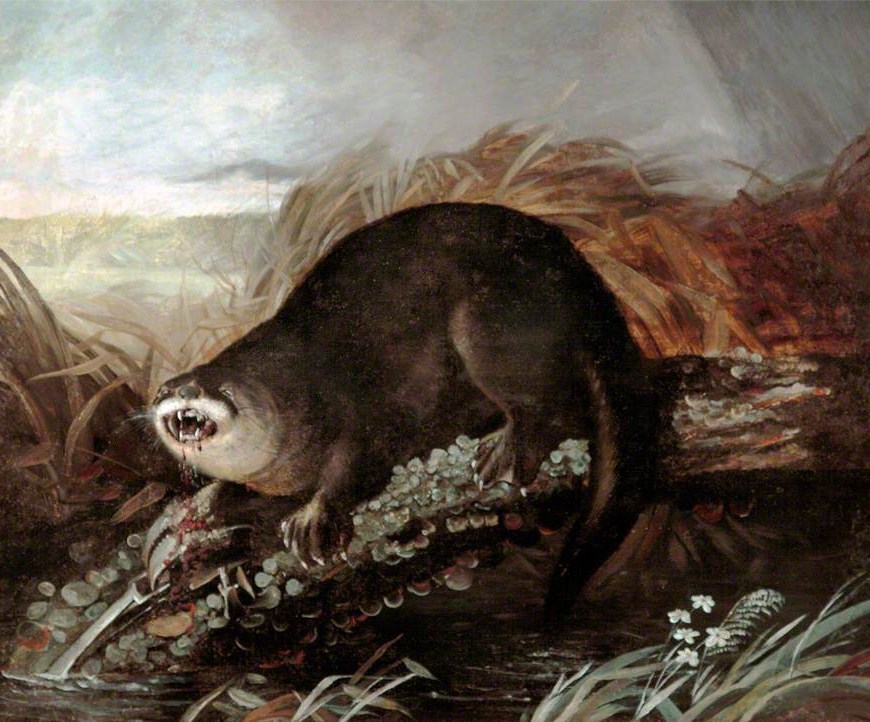
On a day where an unusually hazy rain persisted in a constant downfall, I took refuge in the redbrick building of the Victoria Museum and Gallery that lies at the top of Brownlow Hill.  The building sits in sharp contrast to the more medicinal university buildings which surround it, one being brutalist in its strange edges and institute sensibility, the other being passive-aggressive in its … Continue reading Responses: John James Audubon’s Animals And Birds.

Responses: Henry Moore’s Sheep Sketchbook (1980)

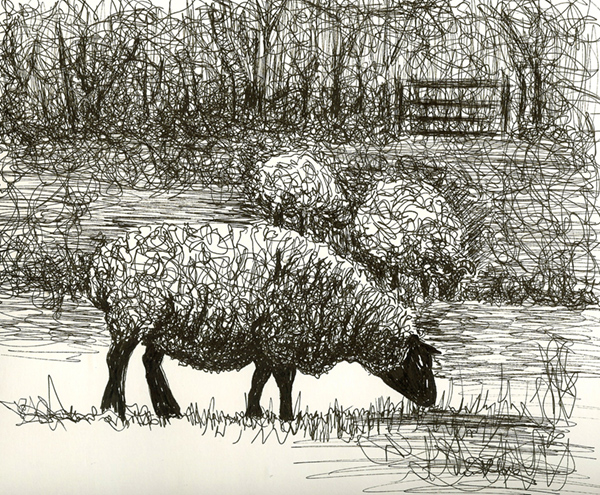
Henry Moore enjoyed the grazing calmness of sheep. The animals stand out in the landscape in the same, oblique way as his own sculptures, simultaneously fitting in and seeming anomalous. They litter the vista in a way that is puzzling and warmly mysterious. Writer Roger Deakin recognised this relationship himself when walking the Rhinogs. He wrote of seeing that same relationship that sparked Moore’s fascination … Continue reading Responses: Henry Moore’s Sheep Sketchbook (1980)

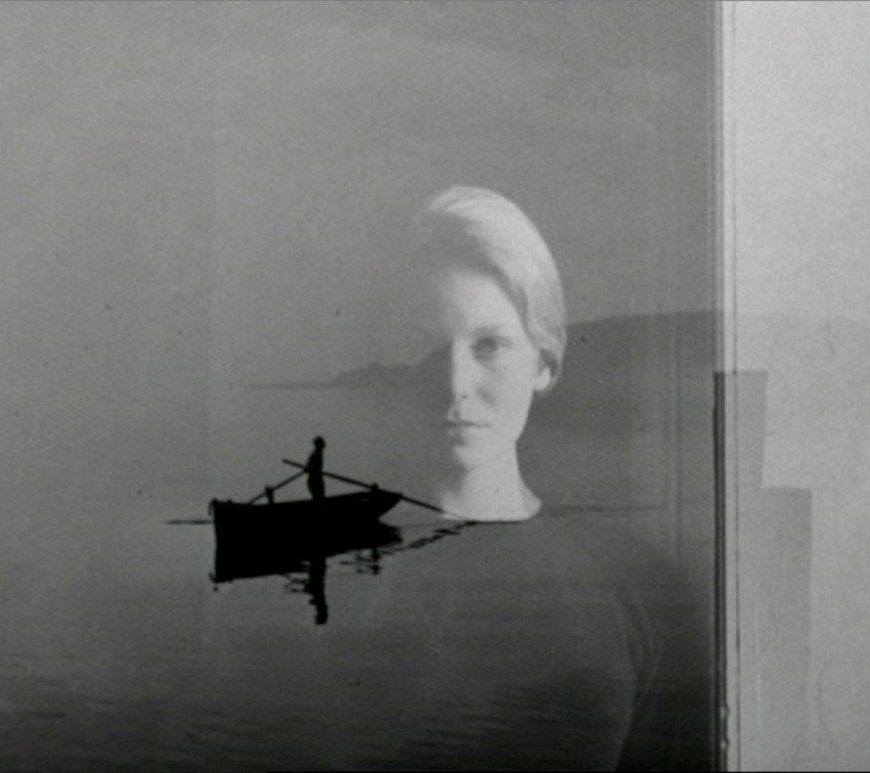
Responses: Disappearance At Sea (1996) – Tacita Dean.

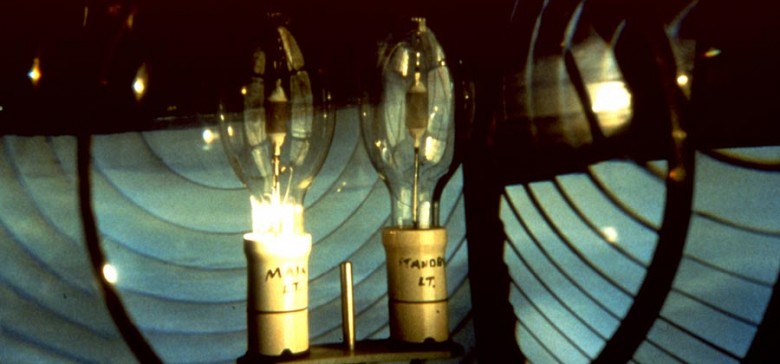
When last in Edinburgh, I managed to catch the Another Minimalism exhibition at Fruitmarket Gallery.  The aim of the curation was to look at altered experience through the fluctuating relationships between light and colour, featuring an array of colourful, physically intangible works by the likes of Carol Bove, Robert Irwin and Ann Veronica Janssens.  The highlight, however, was a work that was more tangible, both … Continue reading Responses: Disappearance At Sea (1996) – Tacita Dean.

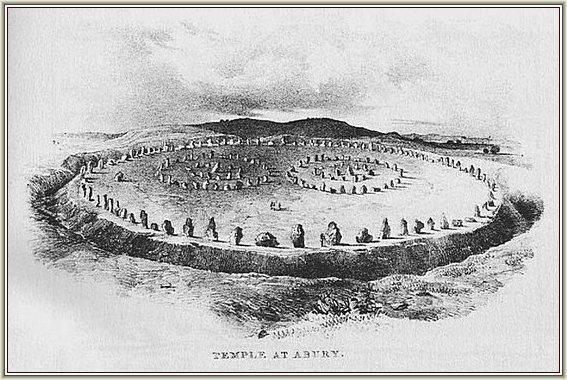
Responses: Avebury Photos (1933 + 1942) – Paul Nash.

The landscape painter and augmenter, Paul Nash, had a momentary, glimpsed relationship with the Wiltshire town of Avebury.  The landscape, which brims with a sense of ancientness and magic, evidently enraptured the painter for a brief spell of creative yield not simply in painting but in photography as a sideline as well.  Caught in the trace images and memories of its Neolithic stone circles, its … Continue reading Responses: Avebury Photos (1933 + 1942) – Paul Nash.

Responses: Blind Landings (2013) – Jane And Louise Wilson.

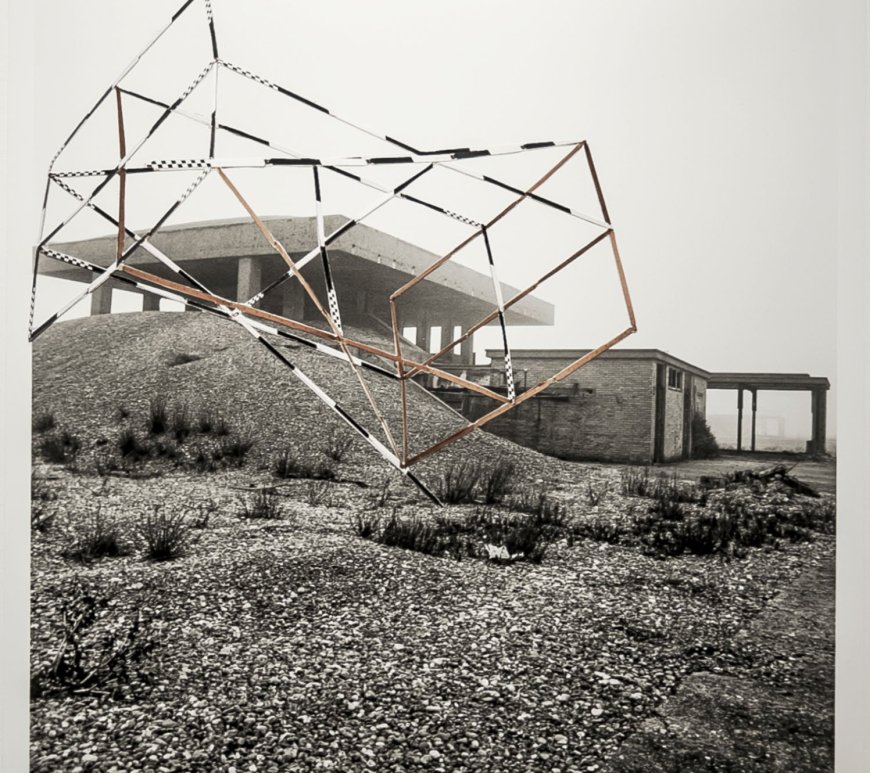
Debris degrades and degradation can be measured but can art be this measurement?  Orford Ness in Suffolk, a former atomic weapons mechanism research and testing facility, doesn’t ask these questions but the place has attracted such a huge number of artists to its shores that the question of creativity and its role as a reaction to such politically doused spaces cannot help but be evoked.  … Continue reading Responses: Blind Landings (2013) – Jane And Louise Wilson.

Uncanny Portals And Standing Stones (Children Of The Stones, The Owl Service and Barbara Hepworth) – Part 3.

Part 1. Part 2. The Eeriness of Landscape Entities. The final aspect to assess is the natural eeriness created from putting an object within a landscape; here, it is the context of such an action and implications of the aesthetics that is key.  When Hepworth’s work is situated in the landscape, two things can occur.  The first is that the link between the work and … Continue reading Uncanny Portals And Standing Stones (Children Of The Stones, The Owl Service and Barbara Hepworth) – Part 3.

Journey Within Practice – Richard Long and Chris Marker.

The work of Richard Long is so indebted to the act of walking into a landscape that it seems a rather obvious aspect to point out.  While many of his transient works, especially of the sculptural variety left in various wildernesses, required the act of the artist to walk, it is often the photographic capture of the finished event in question that, in the majority, … Continue reading Journey Within Practice – Richard Long and Chris Marker.