Short Film – Salthouse Marshes

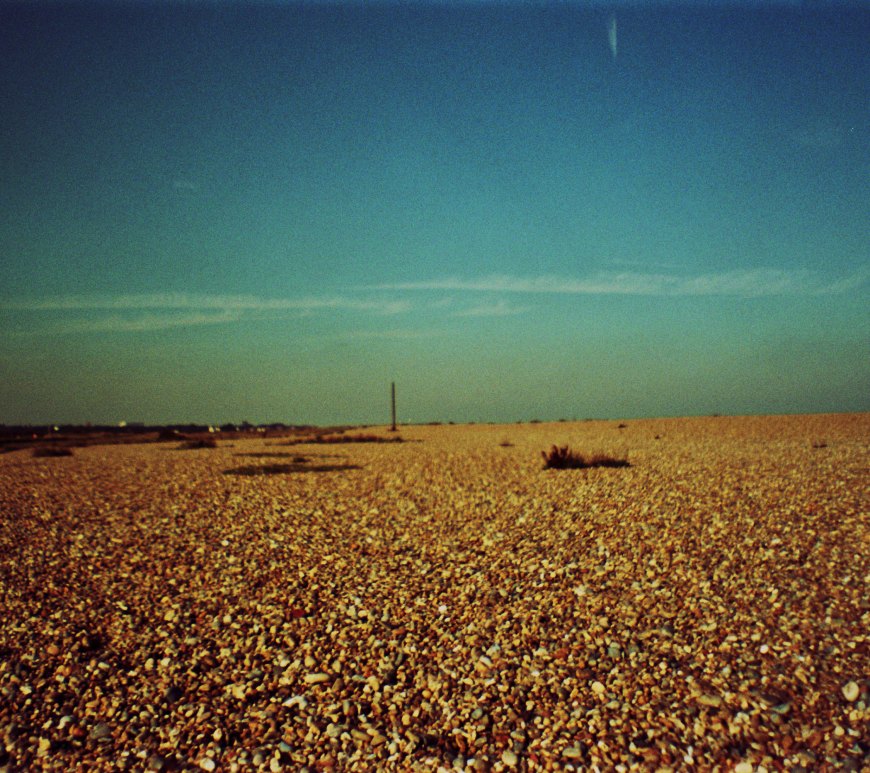
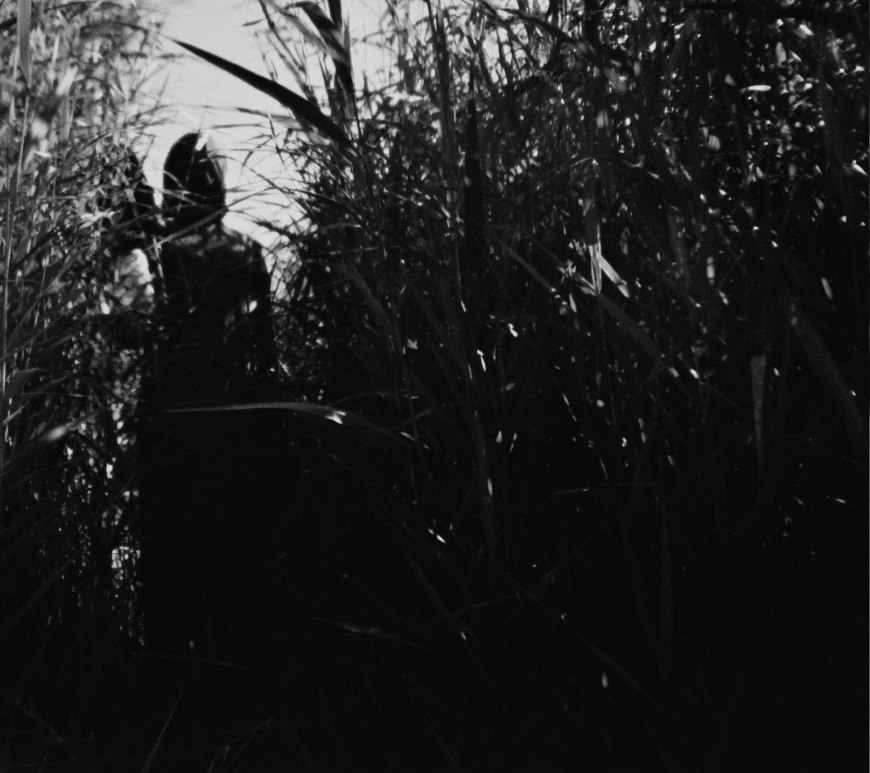
Salthouse Marshes began life in a strange way.  Having chatted about adapting Algernon Blackwood’s The Willows with Robert Macfarlane (who had wanted to re-set it in England), there was always to be a “haunted waterway” film on the cards.  But, after constant reading of the narrative of The Willows, the thought of organising the filming on two boats and on celluloid simply proved too intimidating.  … Continue reading Short Film – Salthouse Marshes

Walking “A Warning To The Curious” (M.R. James).

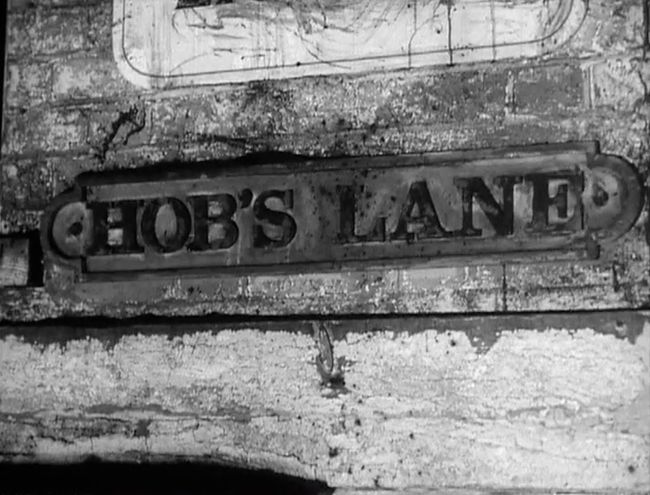
A few years back, whilst on holiday in Norfolk, I began exploring some of locations used for the BBC’s famous M.R. James adaptations, specifically for Lawrence Gordon Clark’s adaptation of A Warning To The Curious (1972).  Though I had been far from thorough in this escapade (I completely missed the film’s most iconic structure in the church at Happisburgh), on finding myself in Suffolk, I … Continue reading Walking “A Warning To The Curious” (M.R. James).

Isolation And Madness In Cul-De-Sac (1966) – Roman Polanski.

Few films are as explicit in their depiction of character relationships that are at the mercy of the fluctuating landscape than Roman Polanski’s 1966 film, Cul-De-Sac.  Polanski had been to both ends of the environmental spectrum within his previous two films – the open waters of Knife In The Water (1962) and the cramped, claustrophobic London of Repulsion (1965) – and Cul-De-Sac sees him returning … Continue reading Isolation And Madness In Cul-De-Sac (1966) – Roman Polanski.

Analogue Ghosts of the 1970s And Hauntology.

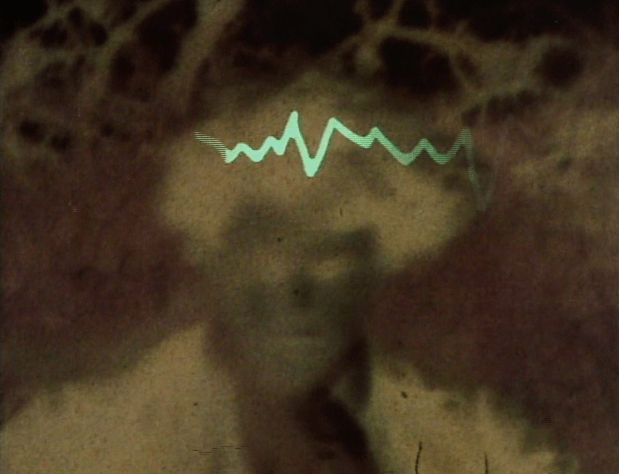
There seems to be an overt connection between analogue recording technology (of both the visual and aural varieties) and the narratives surrounding paranormal activity in 1970s British fantasy television.  Of course, there are no doubt connections between the interest in such activity (with the genuine events surrounding the Enfield Haunting for example, recently made into a drama on Sky) and the technological means of the … Continue reading Analogue Ghosts of the 1970s And Hauntology.

Philip Larkin’s Spirit in Requiem For A Village (1976)

I thought it would last my time – The sense that, beyond the town, There would always be fields and farms, Where the village louts could climb Such trees as were not cut down; I knew there’d be false alarms – Going, Going, Philip Larkin. Above is the opening stanza of Philip Larkin’s 1972 poem, Going, Going. The poem captures the sense of a world being lost. The … Continue reading Philip Larkin’s Spirit in Requiem For A Village (1976)

The Urban Wyrd

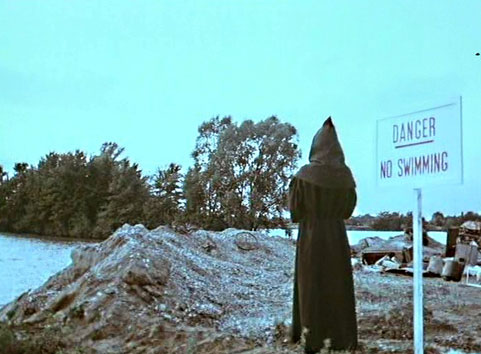
One of the key criticisms of theories surrounding the genre Folk Horror is its emphasis upon the rural landscape. How can a genre really encompass such rural horror films as Witchfinder General (1968) and The Wicker Man (1973) while also discussing more urban-set horrors such as Quatermass and the Pit (1967)? While key works of Folk Horror cinema seem to broadly focus on rural landscapes to set … Continue reading The Urban Wyrd

Questioning Nostalgia In Folk Horror.

As the Folk Horror canon expands into more forms of media and territory, the Folk Horror Chain becomes less useful as a tool for looking at thematic material.  This is partly due to it being derived as an idea from one medium and one that is explicitly narrative based.  Yet, some of its ideas can be loosely translated into the area of reception studies of … Continue reading Questioning Nostalgia In Folk Horror.

Interview With Jeremy Burnham (Children Of The Stones, 1977).

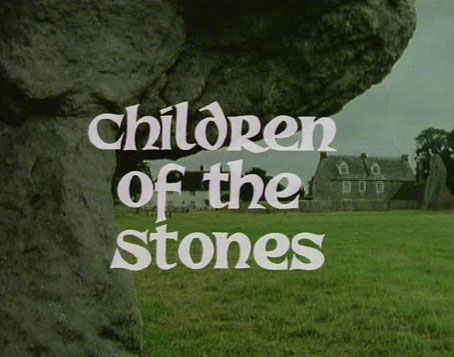
Alongside Trevor Ray, Jeremy Burnham co-created the fantastical Folk Horror drama, Children Of The Stones (1977). Now considered a key text in 1970s Folk Horror and possibly one of the scariest programs ever conceived for children, I caught up with Jeremy to ask him about the ideas behind the show, the process of filming it and its subsequent novelisation. Where did the initial ideas for … Continue reading Interview With Jeremy Burnham (Children Of The Stones, 1977).

The Ritual Of Craft In Folk Horror.

With the ideas of the Folk Horror Chain starting to seem incomplete as the sub-genre grows in popularity and is more analysed, it’s about time further facets, themes, ideas and traits were added to the conversation.  This will be the first in a number of pieces about other traits not accounted for or addressed in the initial idea of the chain (which itself was only … Continue reading The Ritual Of Craft In Folk Horror.

Short Film – Weirdstone (For Alan Garner).

“It is for this reason that we find that co-existence, which could neither be in time alone, for time has no contiguity, nor in space alone, for space has no before, after, or now, is established through matter.” (p.12, 1891) – Schopenhauer, The World As Will And Idea Volume 1. It seems fitting to open with this quote from Schopenhauer when discussing the themes behind … Continue reading Short Film – Weirdstone (For Alan Garner).