Protected: The Aural Aesthetics of Ghosts in BBC Ghost Stories – Part 4 (Music).
There is no excerpt because this is a protected post. Continue reading Protected: The Aural Aesthetics of Ghosts in BBC Ghost Stories – Part 4 (Music).

There is no excerpt because this is a protected post. Continue reading Protected: The Aural Aesthetics of Ghosts in BBC Ghost Stories – Part 4 (Music).
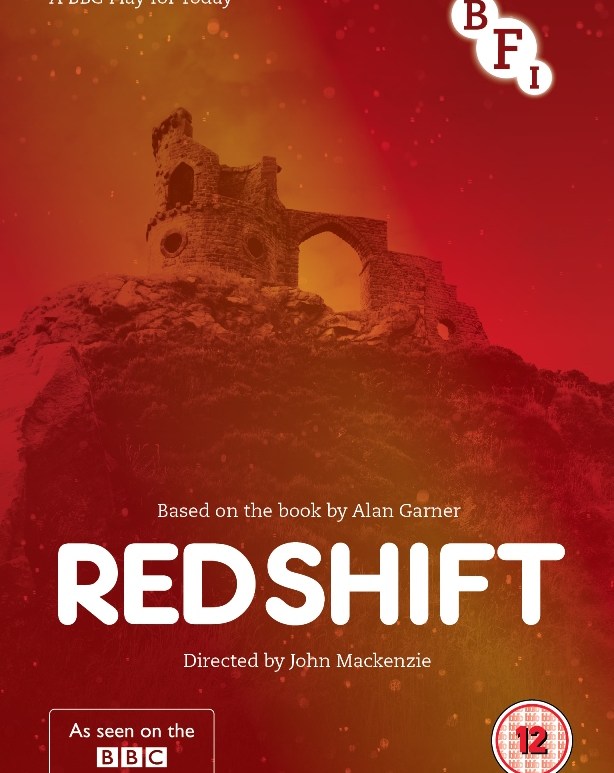
A shifting sense of time, space, and place can bring huge advantages to fantastical works of fiction. The feeling that time is a folded concept, repeating and resetting in a quasi-ritualistic ceremony of life adds a sheen of the monumental to even the smallest and most intimate of dramas. This sheen is the absolute embodiment of the work of writer, Alan Garner, and is never … Continue reading Red Shift (Play For Today, 1978) – John Mackenzie (BFI).

The Folk Horror Chain The following is a rough transcript of a paper delivered at the A Fiend in the Furrows conference, held at Queens University, Belfast on the 20th of September, 2014. Introduction Folk horror is a strange form of media. There’s an unusual craving for defining and canonising in spite of being a sub-genre which seems inherently intuitive. This unusual combination of shared thematic … Continue reading The Folk Horror Chain
There is no excerpt because this is a protected post. Continue reading Protected: The Aural Aesthetics of Ghosts in BBC Ghost Stories – Part 1 (Introduction).

In one of the first attempts I made at canonising the sub-genre of Folk Horror, I likened the majority of its films to be brilliant but mere fugues on the ideas presented in Benjamin Christensen’s Häxan: Witchcraft Through The Ages (1922). Outside of Victor Sjöström’s The Phantom Carriage (1921), it was the earliest and most explicit form of the sub-genre that seemed to be surviving … Continue reading The Uncanny in Häxan: Witchcraft Through The Ages (1922)- Benjamin Christensen.
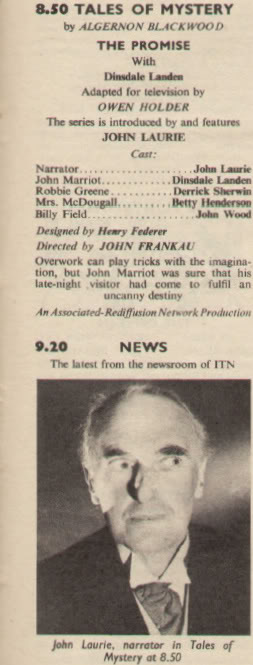
Out of all of the archive television currently missing, presumed destroyed, I think the most exciting and saddening loss is a little-advertised series called Tales of Mystery. Even though the rumours currently flying around of the potential finds of Philip Morris and TIEA are mostly grounded in the likes of Doctor Who and Dad’s Army, a small part of me hopes for this archive gem … Continue reading Tales of Mystery (1961-1963) – What Was It Like? (Algernon Blackwood).

While many British films take full advantage of the rural potential that “this spectered isle” can provide, there seems to be another sub-sect to this branch film, often finding its way into British horror cinema. Of course, this isn’t as clear cut as simply analysing films under the guise of “Rural Horror” or “Folk Horror” but there is a small batch of British horror films … Continue reading Films On The Strange British Coastline.

For some time now I have been involved in a collaborative arts project with local illustrator and artist Katie Craven. Before the first stage of the project could be unleashed onto the unsuspecting public, the project collapsed in on itself thanks to a Belgian art gallery among other things. To show just how close it got to being finished, there’s even a stop press advert … Continue reading Forest (Short Film) and A Screaming Breeze (Book).
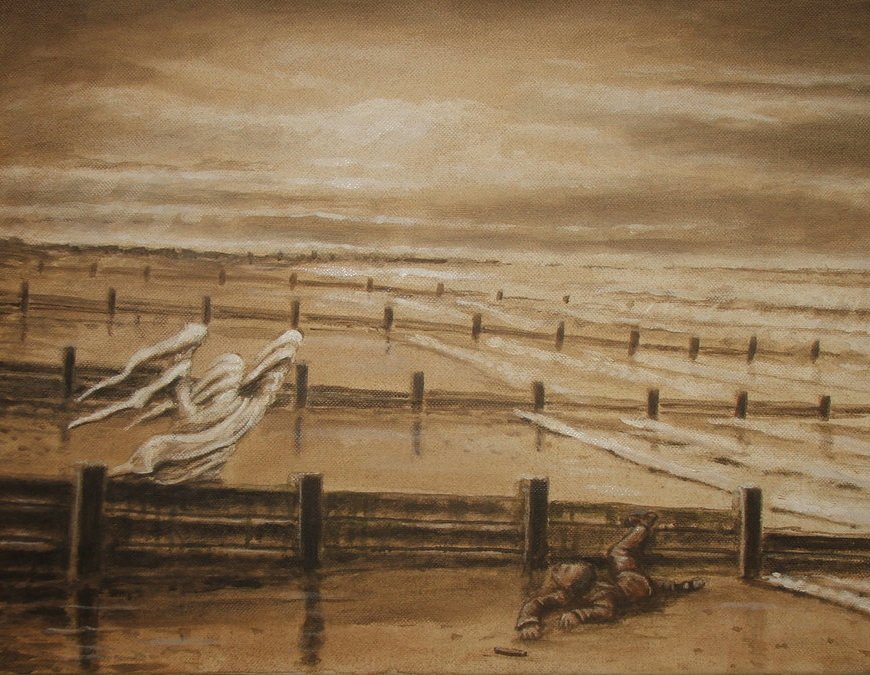
Two writers who could be said to epitomise the ideas of Folk Horror, M.R. James and Nigel Kneale, while addressing these ideals through different media, are writers whose work often crept into the same realm. This has lead to both of their work having a natural relationship with each other, with one almost being a reincarnation of the other. Of course, to imply such things … Continue reading An Ancient Evil: M.R. James and Nigel Kneale.
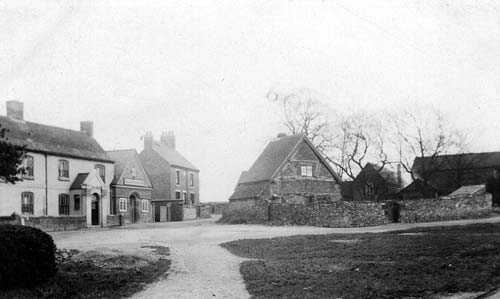
Mythological Introduction by Philip Larkin. A white girl lay on the grass With her arms held out for love; her goldbrown hair fell down her face, And her two lips move: See, I am the whitest cloud that strays Through a deep sky: I am your senses’ crossroads, where the four seasons lie. She rose up in the middle of the lawn And spread her … Continue reading Village Green Repression in Film, Television and Philip Larkin.

 Celluloid Wicker Man