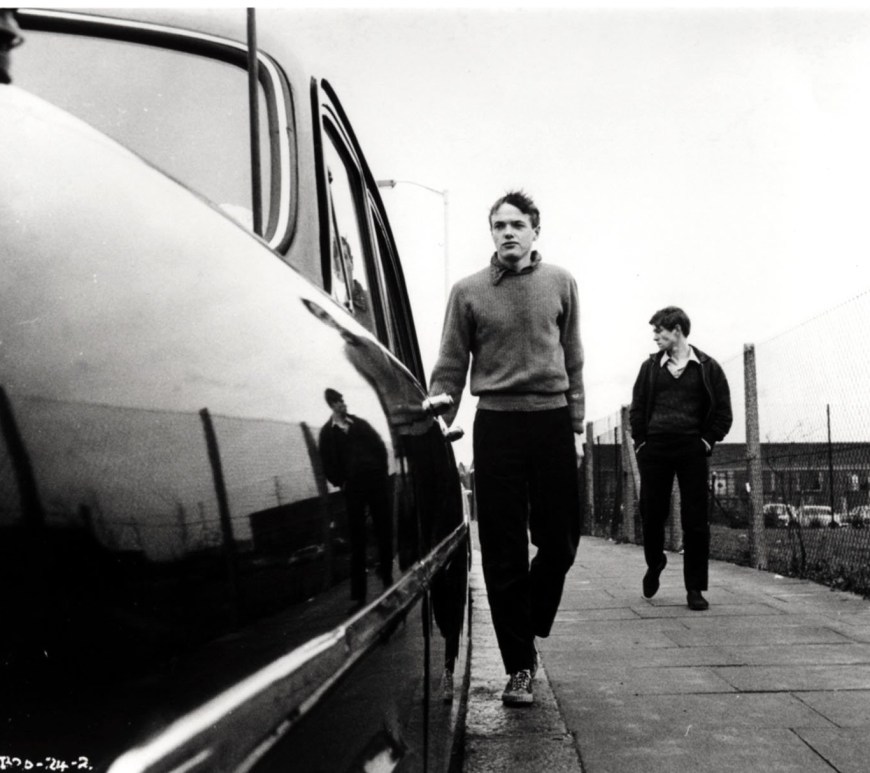
Point Blank (John Boorman, 1967) – Rhythmic Footsteps and Diegetic Power.

What is the best way for a film to show the power of a character?  Is it to retain the power within the narrative world and show it be all encompassing, or is it better to show it to have control over specific qualities of the medium itself?  One of the best examples of this debate to be realised in cinematic aesthetics is in John … Continue reading Point Blank (John Boorman, 1967) – Rhythmic Footsteps and Diegetic Power.

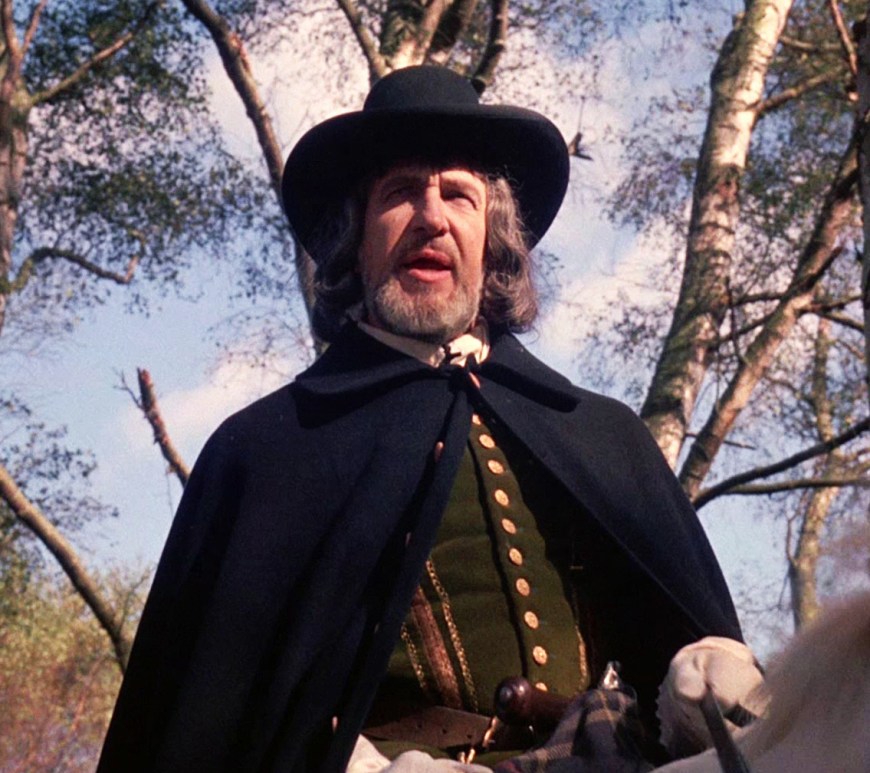
The Music of Folk Horror – Part 2 (Folk Horror Chain and Witchfinder General).

Part 1. Thematic Material of the Folk Horror Chain. “Grendel was the name of this grim demon, haunting the marches, marauding round the heath and the desolate fens; he had dwelt for a time in misery among the banished monsters, Cain’s clan, whom the creator had outlawed and condemned as outcasts.” (Heaney, p.6, 1999). Though the historic and cultural factors around why folk horror was … Continue reading The Music of Folk Horror – Part 2 (Folk Horror Chain and Witchfinder General).

Elemental Chaos and Eternal Return in Scriabin and Andrei Tarkovsky – Part 4 (Zarathustra).

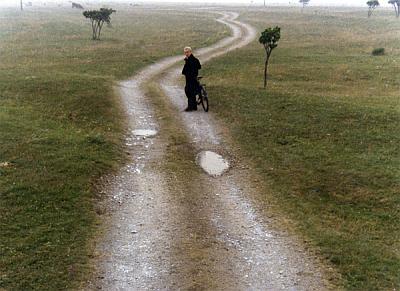
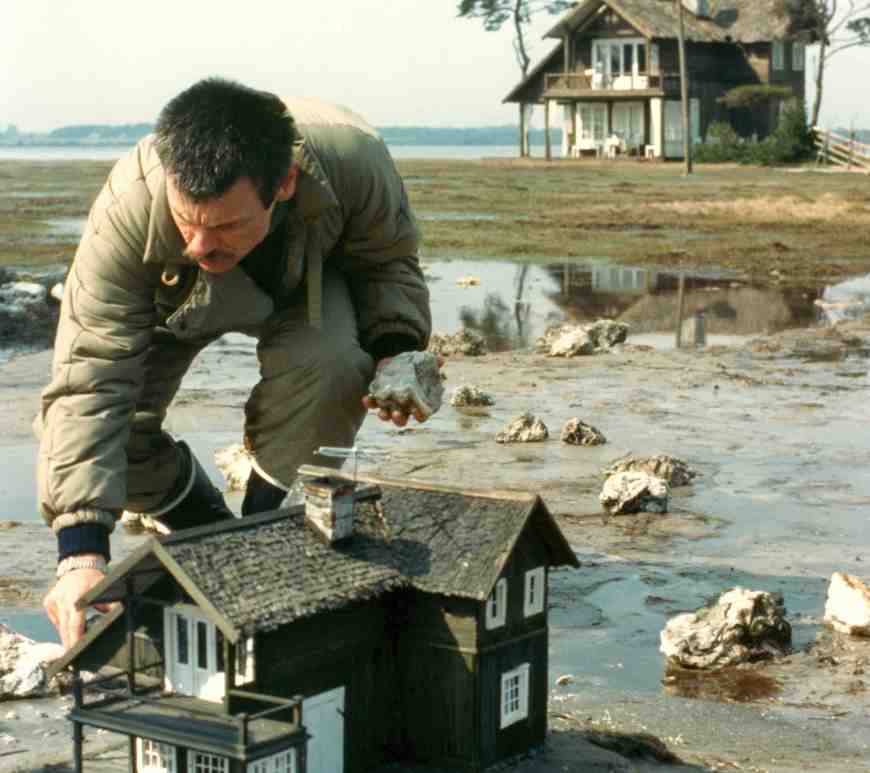
Part 1. Part 2. Part 3. The Eternal Return and Zarathustra’s Gift. “-and must we not return down that other lane out before us, down that long, terrible lane – must we not return eternally?” – Nietzsche (1883/1986, p.241). The final section of this argument refers back to Nietzsche and his writing on the Eternal Return.  His work on the subject, both philosophically in The … Continue reading Elemental Chaos and Eternal Return in Scriabin and Andrei Tarkovsky – Part 4 (Zarathustra).

Elemental Chaos and Eternal Return in Scriabin and Andrei Tarkovsky – Part 2 (Chaos)

Part 1. Elemental Chaos. “The Mountains, Fields, Meadows, Forest, and Wilderness of the Preparatory Act text symbolize the mineral kingdom and natural kingdoms of the Earth, the first three “Rounds” of the Wheel of Cosmic life.” (1998, p.303) – Stephen Morris. It is not revolutions and upheavals That clear the road to new and better days, But revelations, lavishness and torments Of someone’s soul, inspired … Continue reading Elemental Chaos and Eternal Return in Scriabin and Andrei Tarkovsky – Part 2 (Chaos)

Peeping Tom (Michael Powell,1960) – Aural Perspectives of Murder.

In spite of its very energetic reappraisal and various analyses, Michael Powell’s career destroying masterpiece, Peeing Tom (1960), is a film whose musical eccentricities and sound design contain hidden depths. For a film that appears on the surface to be almost excessively Freudian, this was normal yet, when looking at some of the detailed reappraisals and even some of the high-end re-evaluations of its narrative … Continue reading Peeping Tom (Michael Powell,1960) – Aural Perspectives of Murder.

Analysis of Sound and Music in Alfred Hitchcock’s Psycho (1960) – Part 3 (Acousmatic Concepts)

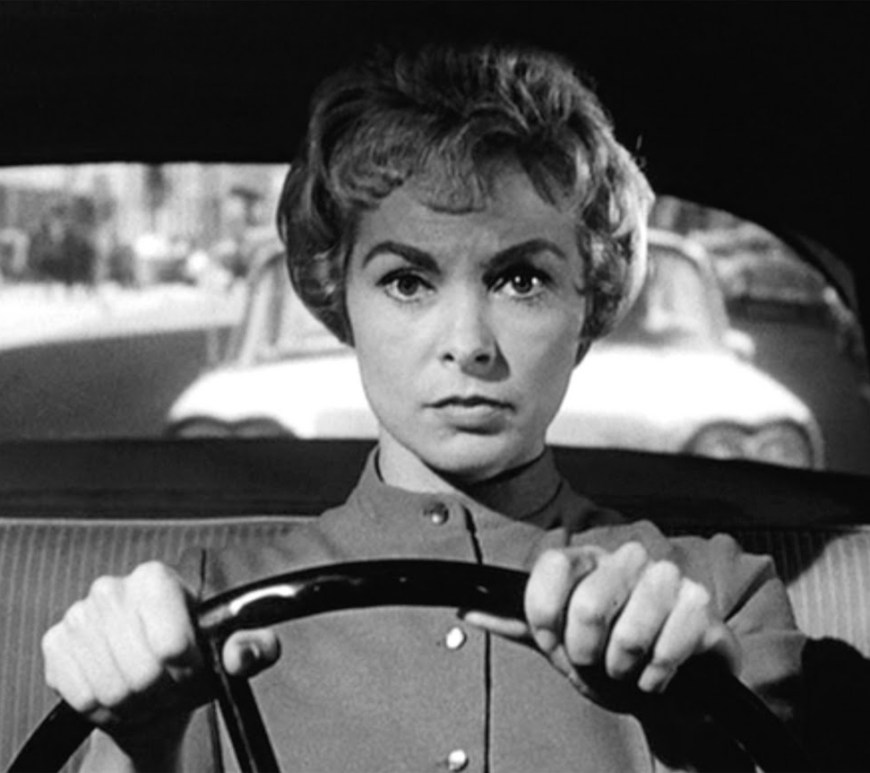
Part 1. Part 2. Emphasis on Acousmatic Concepts in Ross J. Fenimore’s “Voices that Lie Within”. “Psycho almost didn’t happen.  This is a unique case of music literally saving a film.” – Sullivan (2006, p.246). Like much literature around Psycho, Fenimore’s “Voices That Lie Within” begins its argument with setting the scene. “Psycho begins with a theft.”(2010, p.80) he begins as so many often do.  … Continue reading Analysis of Sound and Music in Alfred Hitchcock’s Psycho (1960) – Part 3 (Acousmatic Concepts)

Persona (1966) – Consequences of a Silent World (Ingmar Bergman)

This article contains spoilers. Though drenched in visual complexities and sharp, hap-hazard editing, Ingmar Bergman’s Persona (1966) is film that is aurally interesting as it is exhilarating to view.  Its opening segment of film footage from all corners of cinematic life, spliced together to form a montage of passing thoughts and nightmares, is actually a beautifully put together piece of sound editing as well.  This … Continue reading Persona (1966) – Consequences of a Silent World (Ingmar Bergman)

Distant Voices, Still Lives – Nostalgia and Hardship Through Sound & Music (Part 1).

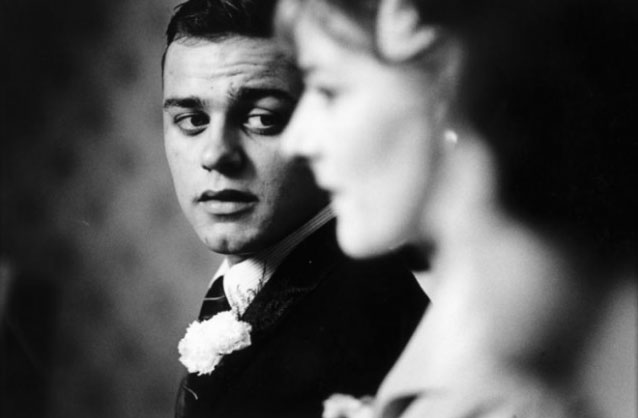
Part 1. Part 2. Part 3. Part 4. Working Class Pasts – Nostalgia and Past Hardship Through Sound and Music. “Since the 1970s especially, the tendency has grown for directors to indulge their own musical tastes in scoring a film” (Gorbman, 2006, p.17). Distant Voices, Still Lives (1988) – Differences in Time. Terence Davies’ autobiographical second feature is the last film to be examined.  Unlike … Continue reading Distant Voices, Still Lives – Nostalgia and Hardship Through Sound & Music (Part 1).

The Loneliness of the Long Distance Runner – Use of Music and Sound In British Working Class Film (Part 4).

Part 1 Part 2 Part 3 The Loneliness of the Long Distance Runner. The Metaphorical Use of Diegetic Sound and Music. The Loneliness of the Long Distance Runner has several different uses of sound; two of which aren’t musical.  The title perhaps gives a hint that the sound of running feet on a hard ground will play a vital role in the film.  This rhythmic, … Continue reading The Loneliness of the Long Distance Runner – Use of Music and Sound In British Working Class Film (Part 4).

The Problematic Reception of Derek Jarman’s Blue – Part 3 (Cinematic Screenings).

Part 1 Part 2 Blue’s cinematic screening – Readings, Reception and Contradictions. “Whilst homosexuals die, many heterosexuals reach for the remote control and simply turn up the volume.  Does it come in stereo?” (Jarman, 1993, p.138) The screening of Blue in cinemas during its 1993 release date is its most typical form though screenings were rare and often film festival based rather than through a … Continue reading The Problematic Reception of Derek Jarman’s Blue – Part 3 (Cinematic Screenings).