The Problematic Reception of Derek Jarman’s Blue – Part 3 (Cinematic Screenings).

Part 1 Part 2 Blue’s cinematic screening – Readings, Reception and Contradictions. “Whilst homosexuals die, many heterosexuals reach for the remote control and simply turn up the volume.  Does it come in stereo?” (Jarman, 1993, p.138) The screening of Blue in cinemas during its 1993 release date is its most typical form though screenings were rare and often film festival based rather than through a … Continue reading The Problematic Reception of Derek Jarman’s Blue – Part 3 (Cinematic Screenings).


The Early Short Films of David Gladwell.

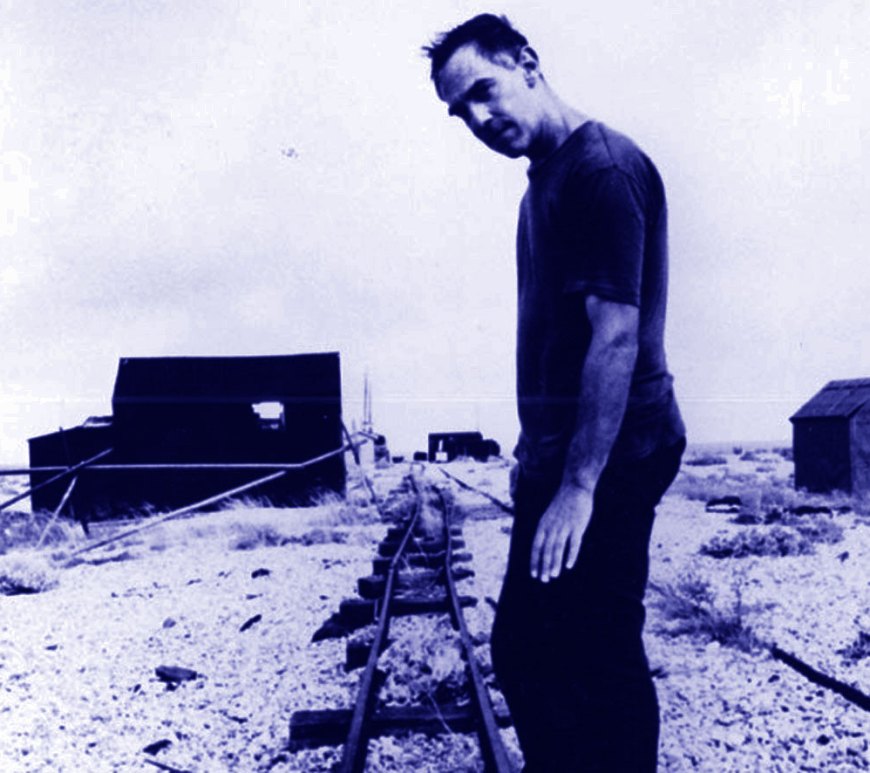
David Gladwell may be more well known as Lindsay Anderson’s editor on such cinematic masterpieces as If…. (1968) and O Lucky Man! (1973) but his own directorial endeavours are equally worthy of discussion and analysis, especially in their relation to both his editorial work and his own creative trajectories. Whether it is the, very English, visual language of his first four short films or the … Continue reading The Early Short Films of David Gladwell.

South Korean Film Scores and Ease of Distribution – Part 5 (Blades of Blood and Conclusions)

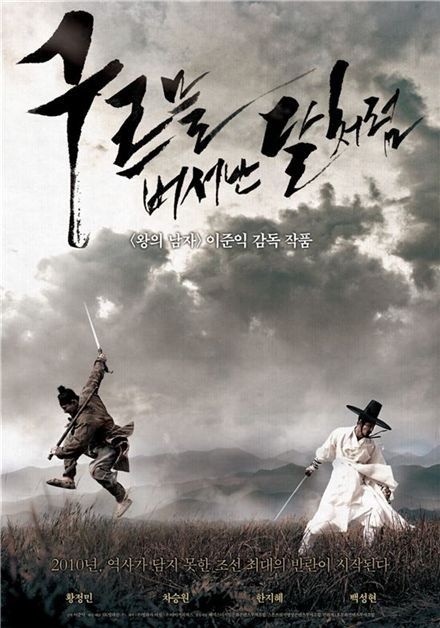
Part 1 Part 2 Part 3 Part 4 Blades of Blood (2010) – Joon-Ik Lee Joon-ik Lee’s 2010 film Blades of Blood shares a number of similarities with both the previously mentioned examples. The film is a modern, violent period picture based on a graphic novel. It is stylistically similar to Oldboy, especially within its colour palate though rarely recreates the standard set by Park. … Continue reading South Korean Film Scores and Ease of Distribution – Part 5 (Blades of Blood and Conclusions)

The Use of Sound & Music in British Working Class Film – Part 3 (British New Wave Cinema).

Part 1. Part 2. Metaphorical Music and British New Wave Film. “But who could describe the delicious sensation produced in me by the delicate harmony and angelic singing of that song which finally did! What an awakening, what bliss, what ecstasy when I opened my ears and my eyes together!” (Rousseau, 1781, p.294). British New Wave Film. The British New Wave movement, like so many … Continue reading The Use of Sound & Music in British Working Class Film – Part 3 (British New Wave Cinema).

Salò (1975) and the Potential for an Adornian Film (Pier Paolo Pasolini).

Reading through some of the writing of Frankfurt school philosopher, Theodor Adorno, it becomes extremely clear that mass culture is what he believes to be the fault of many of the world’s problems as well as symptom of them too; a false enlightenment perhaps, which is the product of simply being unable to accept a world after the end of the Second World War and, … Continue reading Salò (1975) and the Potential for an Adornian Film (Pier Paolo Pasolini).

The Problematic Reception of Derek Jarman’s Blue – Part 2 (Early Forms of Blue)

Part 1 The Reception of Blue in its Original Forms. Blue in Written Form and Early Performances. “The difference between formalist and realist philosophies is not in the possibility of affecting the spectator but in what the cinema ought to do, its prescriptive work.  Cinema either organizes the world or duplicates the experience of perceiving of it for the spectator.” (Staiger, 1992, p.51) Though Blue … Continue reading The Problematic Reception of Derek Jarman’s Blue – Part 2 (Early Forms of Blue)

South Korean Film Scores and Ease of Distribution – Part 4 (Asia Extreme and Westernisation)

Part 1. Part 2. Part 3. Asia Extreme and the Westernisation of South Korean Film Music. The most popular avenue for South Korean cinema to enter the West, outside of the art-house festival circuit, is in the form that has loosely been dubbed “Asia Extreme”.  This isn’t just South Korean film but also Japanese cinema as well as a number of others.  The sub-genre is … Continue reading South Korean Film Scores and Ease of Distribution – Part 4 (Asia Extreme and Westernisation)

Ai Weiwei’s Pots and Jean-Luc Godard’s Celluloid.

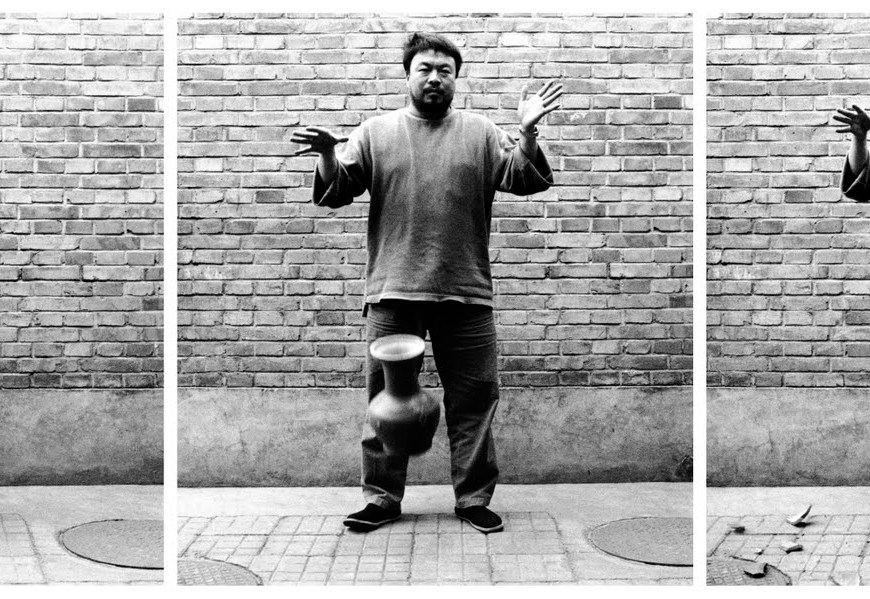
While Ai Weiwei’s work with pots represent the artist’s more accessible work, there’s something about his actions and decisions with the, often expensive and historically relevant, pots that seem weirdly cinematic.  This isn’t to say that they look like something out of a film (though actually they could easily work as something surreal given the right audience) but that the ideologies behind the works have … Continue reading Ai Weiwei’s Pots and Jean-Luc Godard’s Celluloid.

The General’s Son (1990) and Genre-Film Subversion (Im Kwon-Taek).

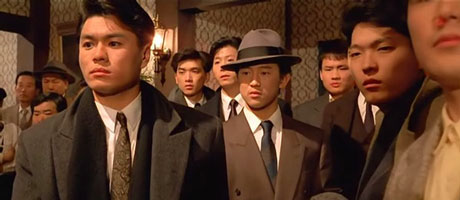
Im Kwon-Taek’s post Seopyeonje (1993) work perhaps feeds into the more art house desires and pressures from the west but on the cusp of this, his earlier genre film work still managed to show through in his 1990 film The General’s Son.  While on its faded surface is a relatively clichéd crime drama with added kung-fu style violence, in between its more ridiculous and pulpy … Continue reading The General’s Son (1990) and Genre-Film Subversion (Im Kwon-Taek).

Berberian Sound Studio – Part 3 (Sound as Narrative and Conclusions).

Part 1 Part 2 Sound As Narrative The narrative ambiguity of Berberian begins to kick in during the last quarter of the film.  The sound within the narrative gradually eases over the line and starts to become part of the narrative affecting a number of the characters and not simply Gilderoy.  The first hint that the sound is entering reality comes when the previously abused … Continue reading Berberian Sound Studio – Part 3 (Sound as Narrative and Conclusions).