Chi-hwa-seon (2002) – Im Kwon-Taek.

The preservation and evolution of South Korean cultural traditions became the dominant focus of Im Kwon-Taek’s films after the ease of censorship in a change of government regime.  A number of his post-genre cinema began to address this though the real cultural reactions can be found in later work which can effectively be called post-Cannes; meaning the cinema he made during his currently slow but … Continue reading Chi-hwa-seon (2002) – Im Kwon-Taek.

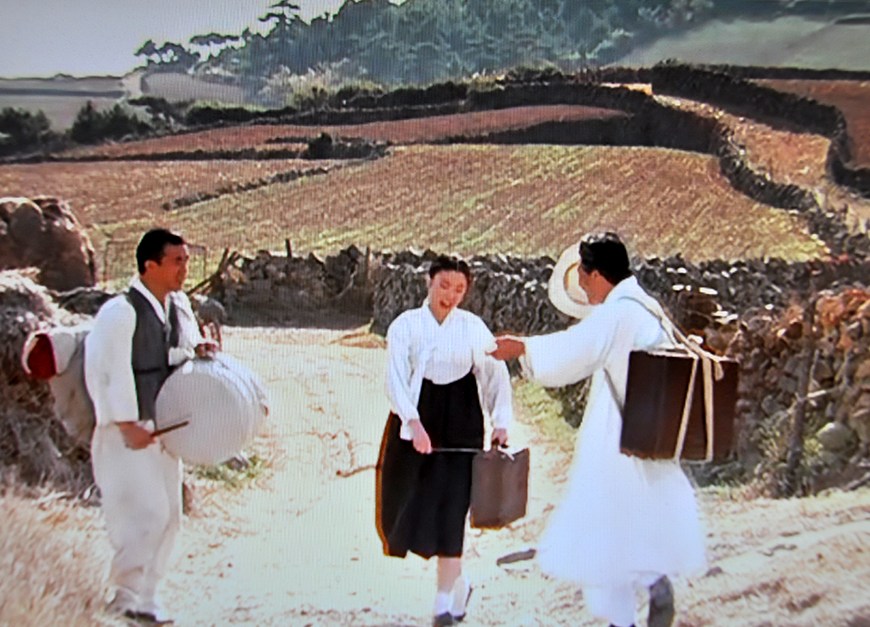
South Korean Film Scores and Ease of Distribution – Part 2 (Im Kwon-Taek and Seopyeonje).

Part 1. Im Kwon-Taek – Reluctant Traditionalist or Radical Experimenter? “Despite its ideological shortcomings and male-centred stance, Im’s cinematic sublimation of ‘Korean-ness’ still focuses on the contradictions between tradition and modernity among precarious lives existing on the periphery of a capitalist society.” (Lee, 2005, p.69) It is somewhat difficult to gage the cultural impact of a director’s films on a country outside of your own.  … Continue reading South Korean Film Scores and Ease of Distribution – Part 2 (Im Kwon-Taek and Seopyeonje).

Andrei Tarkovsky – Polaroids, Mementos and Time

Some directors are very natural auteurs. Their films always seemingly a product of their own conception which seems unavoidable to visually mistake. Viewing all of Andrei Tarkovsky’s films, this is perhaps clearer to see than in the case of most other directors. His distinctive visual style, which morphs into several similar variations, is instantly recognisable. Dripping with faded lights, distinct textures and elemental forces, his … Continue reading Andrei Tarkovsky – Polaroids, Mementos and Time

The Problematic Reception of Sound And Vision in Derek Jarman’s Blue – Part 1 (Introduction).

When is a Film Not a Film? The Problematic Reception of Sound And Vision in Derek Jarman’s Blue. Introduction “I don’t think of myself as avant-garde. I think avant-garde died in the last revolution before the war.” – Derek Jarman (1994) For a director whose visual flair and heightened sense of style became a sickly, heady trademark of his work, Derek Jarman knew perfectly well … Continue reading The Problematic Reception of Sound And Vision in Derek Jarman’s Blue – Part 1 (Introduction).

Festival (1996) and the Acceptance of Loss – Im Kwon-Taek.

Celebrating loss can be a difficult task even for the more optimistic of personas.  The idea of someone being physically and emotionally lost is not a pleasant experience which, at best can provide some cathartic character building in between the tears and complete incomprehension as to what exactly it means to live or die.  It’s a theme familiar in many filmmaker’s auteur driven, thematic catalogues, … Continue reading Festival (1996) and the Acceptance of Loss – Im Kwon-Taek.

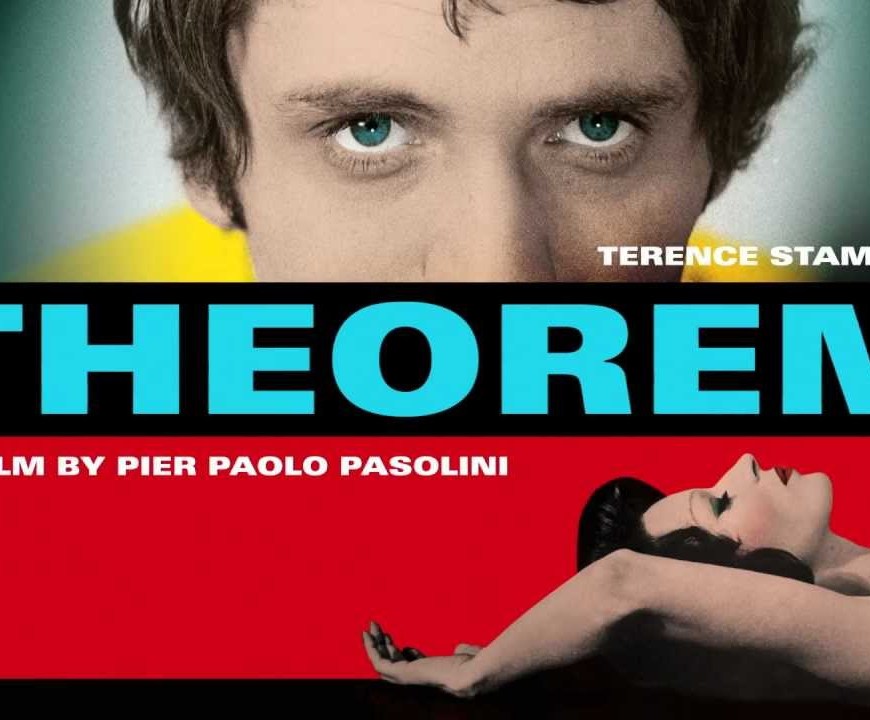
Theorem – Pier Paolo Pasolini (BFI Release).

There are a number of directors associated with the often brash task of dismantling the bourgeoisie through the use of allegory, metaphor and the sheer brutality of the cinematic form.  Out of all of these, the likes of which include Luis Buñuel and Michael Haneke, Pier Paolo Pasolini stands tall above them in his consistent despising of the class and its social patriarchy.  The late … Continue reading Theorem – Pier Paolo Pasolini (BFI Release).

The Use of Sound & Music in British Working Class Film – Part 2 (This Happy Breed – David Lean)

Part 1. Propaganda and David Lean’s This Happy Breed. “The war years saw a revival of English romanticism in response to the need for an idealized reaffirmation of British history and shared values (as perceived within the dominant ideology) and, on the other, for the release into fantasy and dream to relieve the stress, hardship, and agony of war.” (Wollen, 1993 p.41) David Lean’s 1944 … Continue reading The Use of Sound & Music in British Working Class Film – Part 2 (This Happy Breed – David Lean)

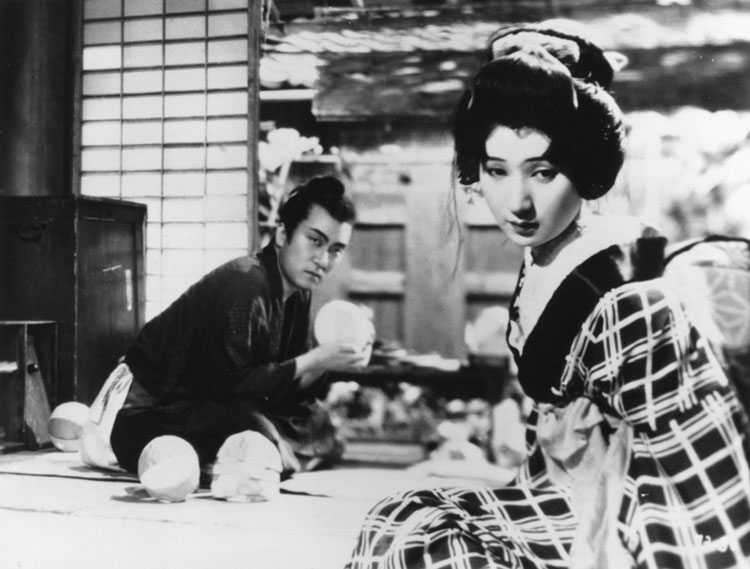
The Complete (Existing) Films of Sadao Yamanaka – Masters of Cinema.

Displaying a filmmaking ethic and system that would make even someone as fast-working as prodigious as Rainer Werner Fassbinder seem cautious and slow, Sadao Yamanaka should perhaps be far better known that he currently is in the West.  Making twenty two films over his short but highly productive cinema career, Yamanaka can be seen as one of the missing links in great Japanese cinema.  His … Continue reading The Complete (Existing) Films of Sadao Yamanaka – Masters of Cinema.

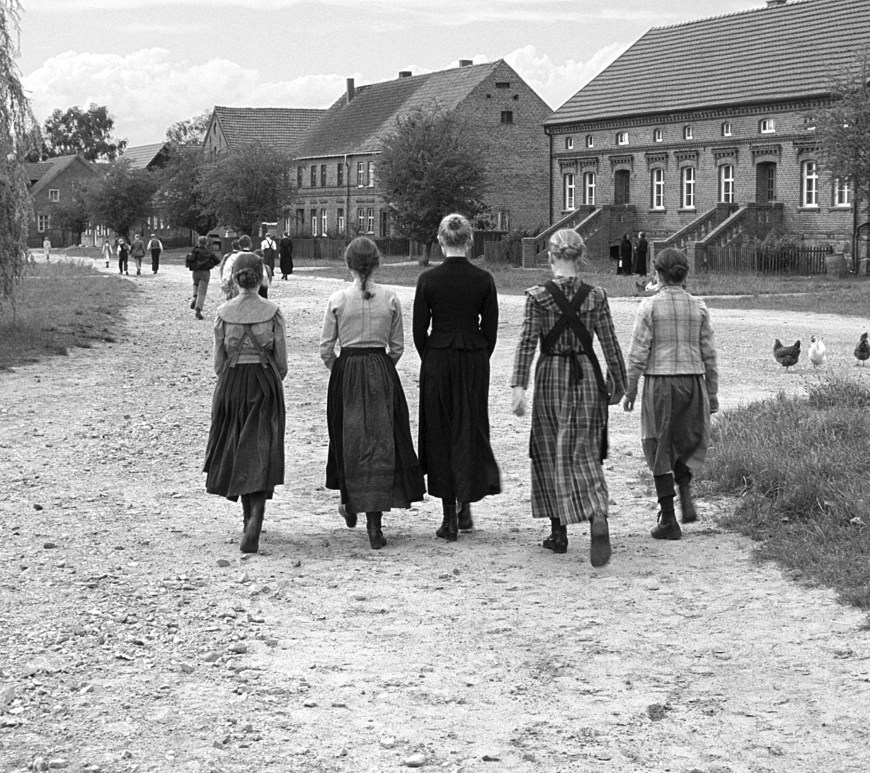
Collapsing Belief Systems and The Nietzschean Death – (Winter Light, The White Ribbon, The Turin Horse).

One of Friedrich Nietzsche’s more famous and strangely popular idioms is his “Death of God” theory presented through the madman in his 1883 work The Gay Science.  Though it has been used for all sorts of philosophical and theological purpose, often twisting it to fit whatever schematics the debater wants to shape it into, the idea itself can apply to several pieces of cinema, all … Continue reading Collapsing Belief Systems and The Nietzschean Death – (Winter Light, The White Ribbon, The Turin Horse).

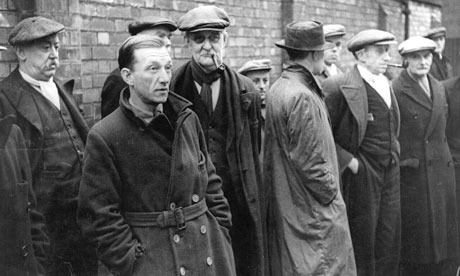
Sound And Music In Cinema About The British Working Class (Part 1).

Propaganda, Metaphor And Nostalgia:  Sound And Music In Cinema About The British Working Class. Introduction – Class and the Arts “The collective function of music has become transformed into the function of ensnaring the customer.” (Adorno, 1947, p.61). Class is an ever pervasive issue in British society. While manifesting into many forms around the world, the British flavour of delineation appears to draw the most … Continue reading Sound And Music In Cinema About The British Working Class (Part 1).