Nigel Kneale and Fascism

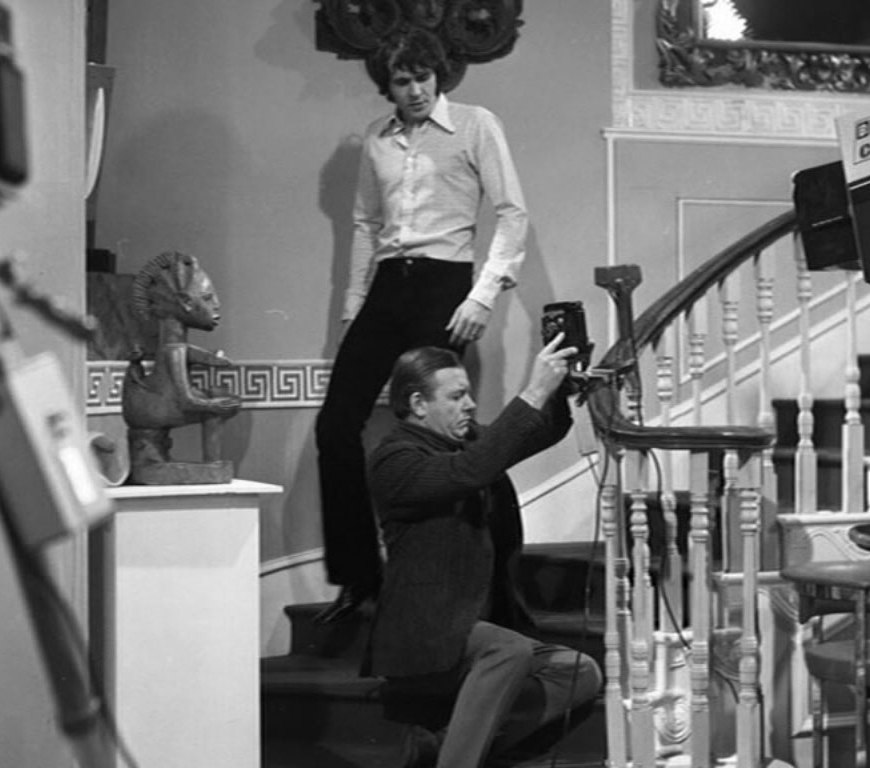
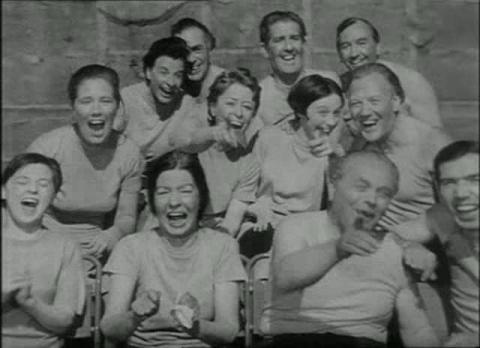
“Thanks to TV and for the convenience of TV, you can only be one of two kinds of human beings, either a liberal or a conservative.” – Kurt Vonnegut. Rather like J.G. Ballard, Nigel Kneale had a certain knack of preempting future social, technological and cultural trends. Kneale’s work is perhaps less appreciated than Ballard’s because the medium he predominantly worked in, television, is far and … Continue reading Nigel Kneale and Fascism

Folk Horror: Hours Dreadful and Things Strange (January, 2017)

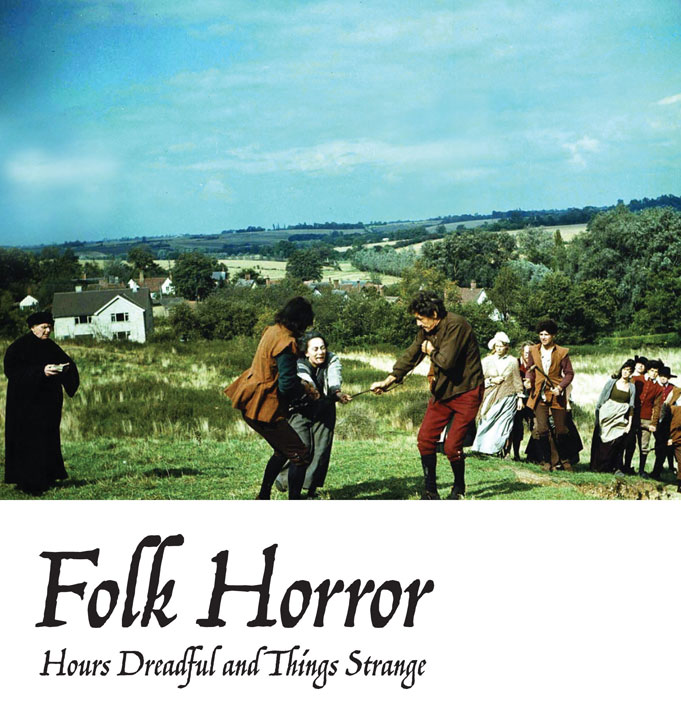
As recently announced, I have a book being released in January all about Folk Horror and its many related areas of interest.  The book has been in the works for the last year or so though many of the arguments within have been growing now for several years.  Though I’ll undoubtedly being doing the usual interview-esque things to coincide with the release in December and … Continue reading Folk Horror: Hours Dreadful and Things Strange (January, 2017)

The Ghost In The Grain: Analogue Hauntings of the 1970s

This presentation was originally given at the Folk Horror Revival day at The British Museum (16/02/2016).  My thanks to the fellow admins of the Folk Horror Revival, especially Jim Peters and Andy Paciorek. There’s an overt connection between analogue technology and the narratives surrounding paranormal activity in British horror, especially when made during the 1970s.  No doubt there are connections between the interest in such … Continue reading The Ghost In The Grain: Analogue Hauntings of the 1970s

Trailer – No Diggin’ Here.

There are few writers that figure more prominently in everything I do than the teller of beautiful Edwardian ghost stories, M.R. James.  Alongside W.G. Sebald, J.G. Ballard, Alan Garner and Virginia Woolf, his writing holds a great power over me with its familiar yet unfamiliar worlds.  His writing preys upon my mind at regular intervals, even outside of the Christmas period from which they were … Continue reading Trailer – No Diggin’ Here.

Wire and Grass Landscapes

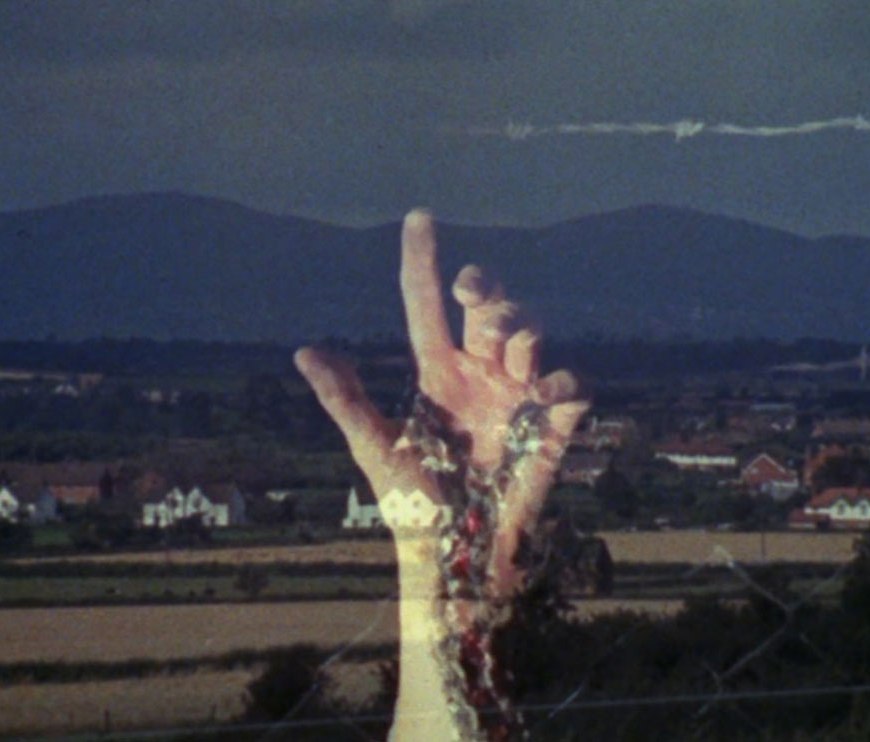
At the recent Alchemical Landscape conference in Cambridge, there was some interesting discussion of the landscape seen in the opening segment of Alan Clarke and David Rudkin’s Play for Today episode, Penda’s Fen (1974). The point of the discussion was to show the subversive nature of the opening titles of the film in regards to its melding of two potentially differing realities of English landscape. … Continue reading Wire and Grass Landscapes

Bergson’s Duration in Sapphire And Steel (Assignment One, 1979).

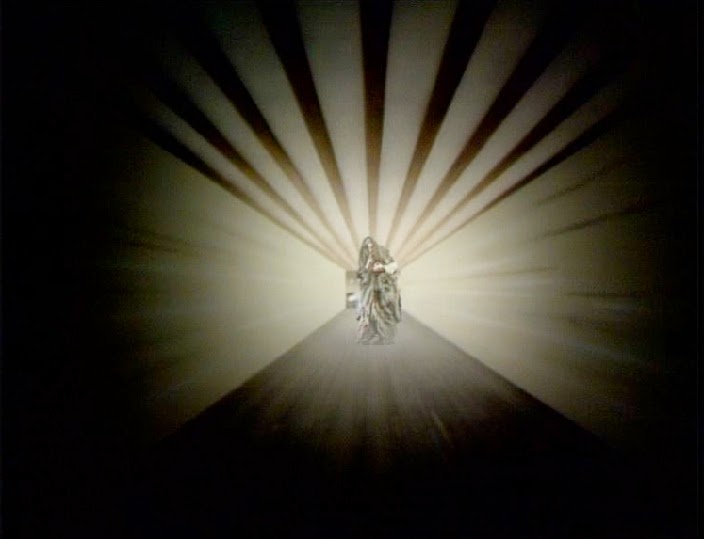
With time being at the core of the series, Sapphire and Steel is perhaps one of the few cult television programs whose narratives can convey astutely some questioning of the philosophy of temporal concepts.  Rather than being a framing device for journey and travel, as in series like Doctor Who (1963-1989), time becomes a force that is questioned, harnessed and even fought against in the … Continue reading Bergson’s Duration in Sapphire And Steel (Assignment One, 1979).

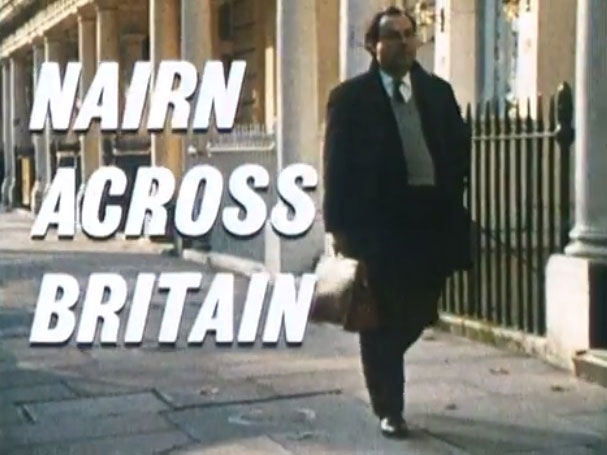
Poetics of Visual Space in Ian Nairn’s “Nairn Across Britain” (1972).

In the 1980’s introduction to the repeated BBC Ian Nairn series, Nairn Across Britain (1972), Jonathan Meades suggests that the series still managed to capture Nairn’s sense of poetics and character in spite of “the filming techniques seeming a bit dated, as nothing dates quite like the recent past”.  Though Meades is right in his effusing about Nairn’s character – an endlessly watchable, impassioned, melancholic … Continue reading Poetics of Visual Space in Ian Nairn’s “Nairn Across Britain” (1972).

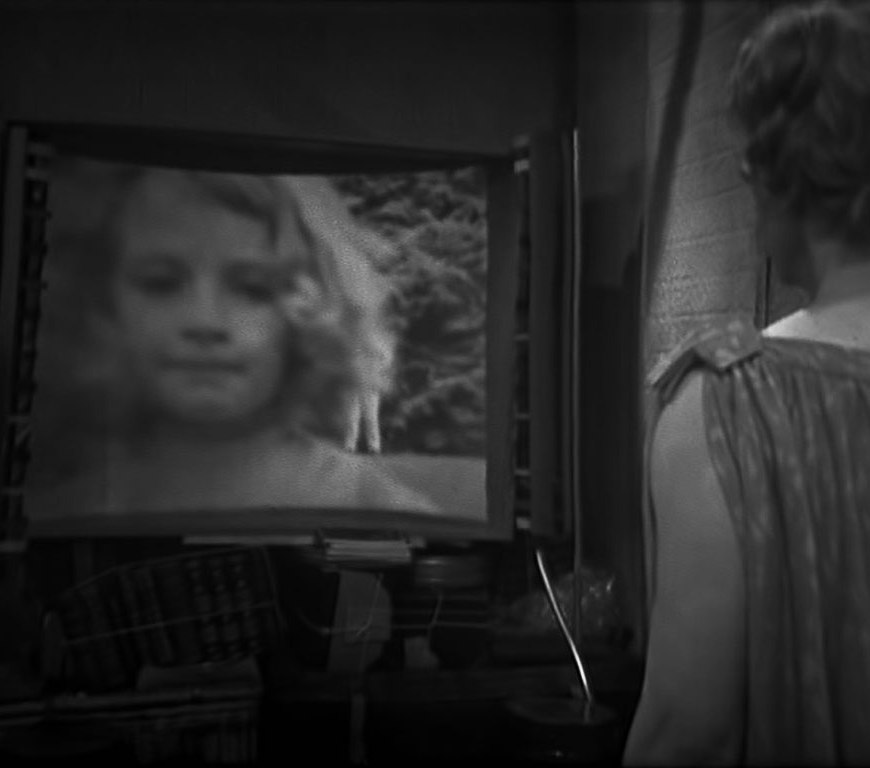
Hauntology Of The Dead Past (1965) – Out Of The Unknown.

The BBC Science-Fiction anthology series, Out Of The Unknown (1965-1970), was famous for producing a wide range of intellectual sci-fi drama, exploring ideas and concepts more than spectacle and scale.  With adaptations from a range of writers, including John Wyndham and J.G. Ballard, the surviving episodes of the series are both stimulating and useful in terms of 21st century aesthetic philosophy.  The feeling that the … Continue reading Hauntology Of The Dead Past (1965) – Out Of The Unknown.

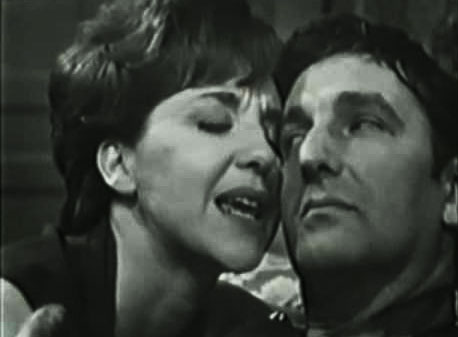
Communicative Reality in The Lover (1963) – Harold Pinter.

This article contains plot twists. Harold Pinter’s The Lover was a script first publically showcased as a television play in March 1963[i] before it went on for a theatre run a few months later starting from September that year.  As a model of how Pinter plays on words and the natural duel meaning found explicitly within the English language, it develops on several ideas that would … Continue reading Communicative Reality in The Lover (1963) – Harold Pinter.

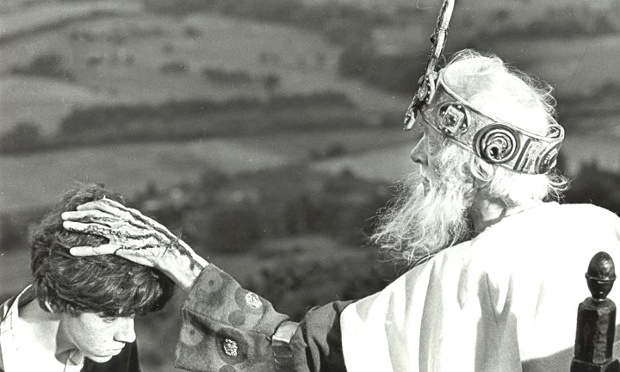
Ritual And Identity in Penda’s Fen (1974) – Alan Clarke.

The relationship between myth and ritual has been often debated within anthropology ever since its Victoriana days of enlightened scientific thinking through the prism of evolution and the birth of mechanisation and industrial blight.  The idea of returning to the “primacy of ritual”, where whole belief systems stem as a result from repeated actions or events, is a common theme of exploration in Folk Horror as … Continue reading Ritual And Identity in Penda’s Fen (1974) – Alan Clarke.