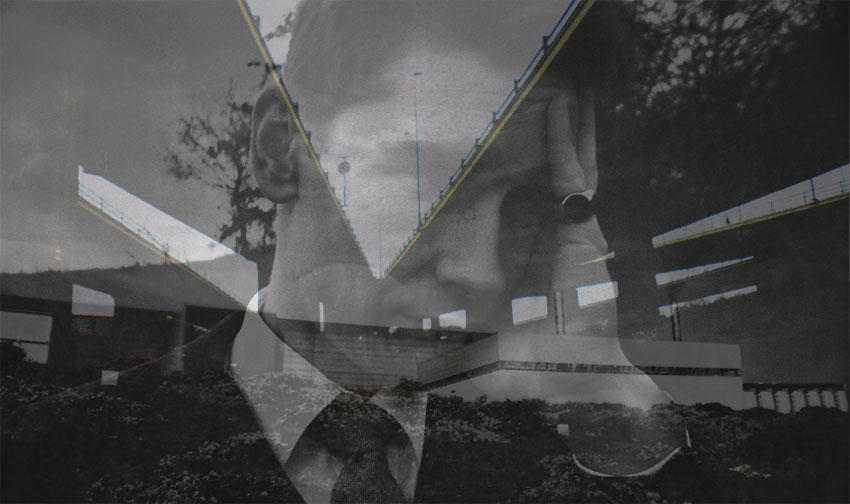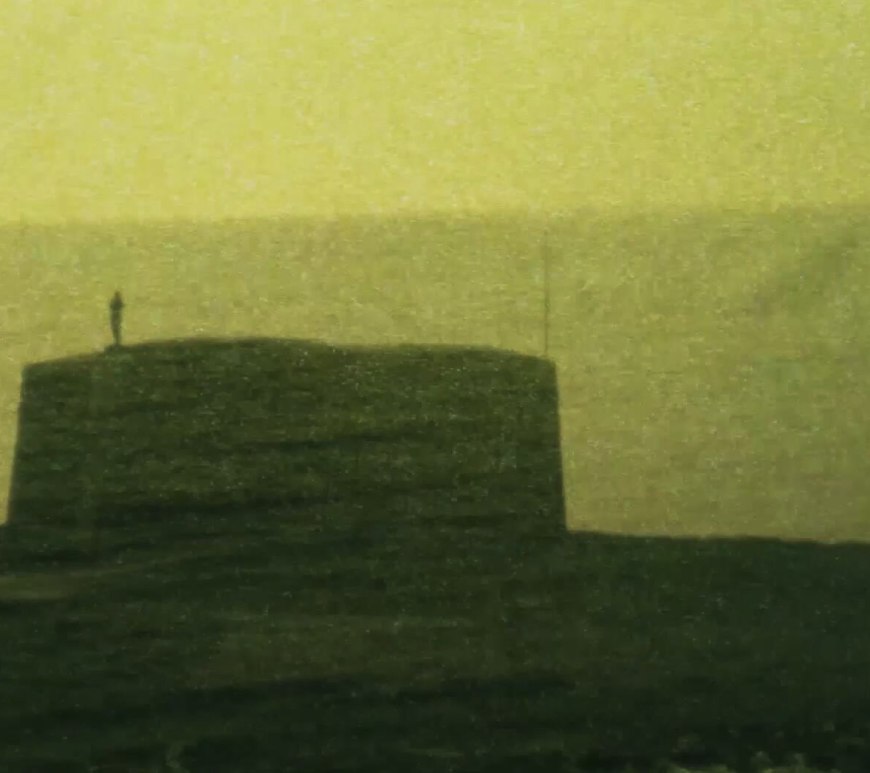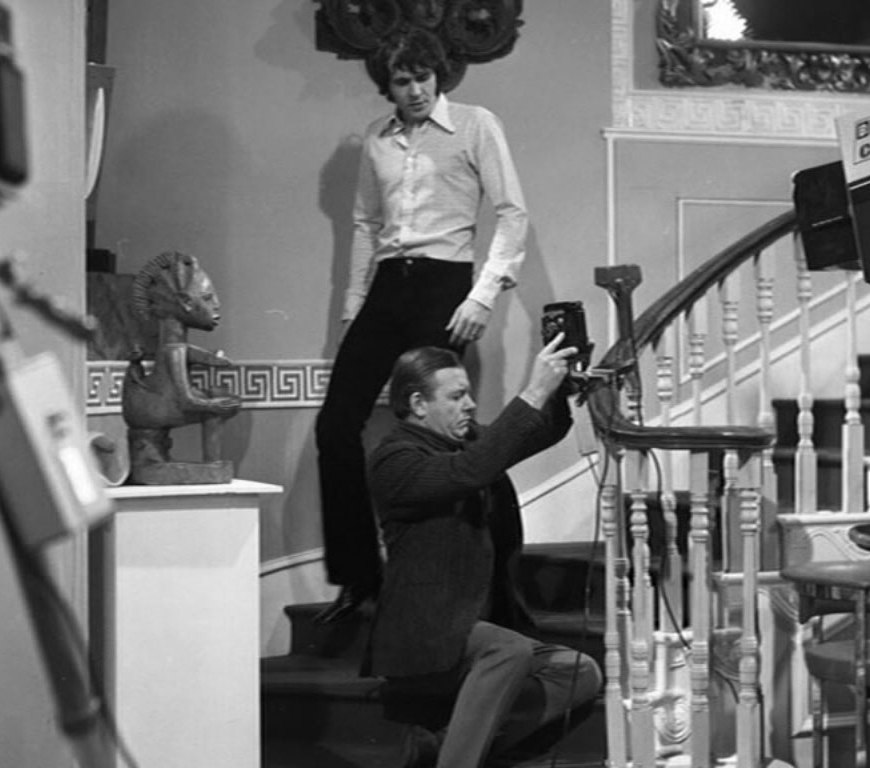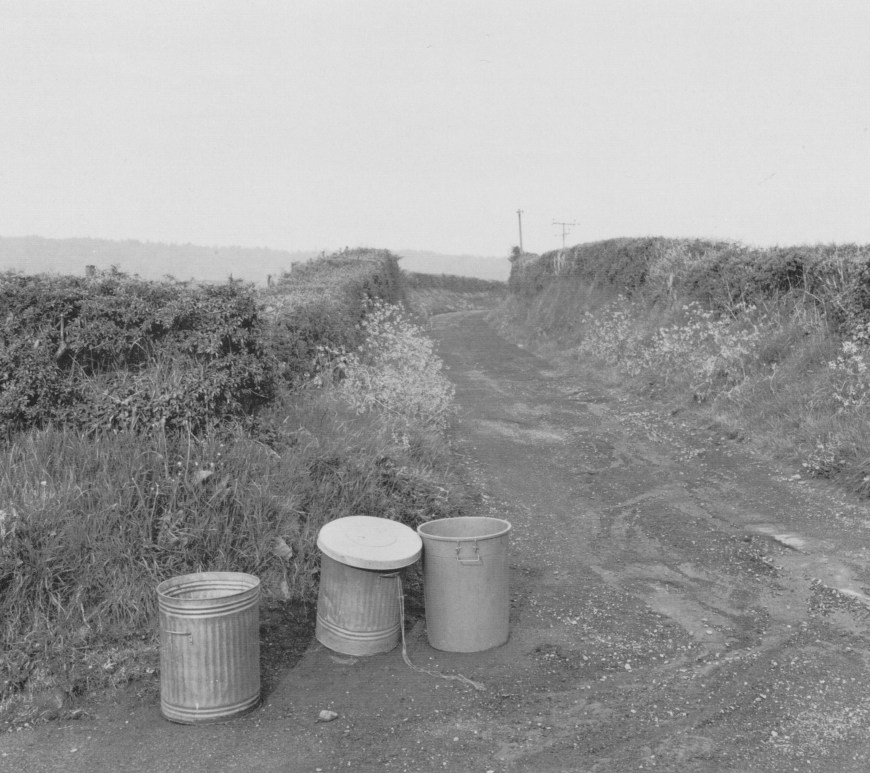
Showreel 2016

I was initially struggling to put together a showreel for 2016.  I don’t think my film work has ever been so reliant on its varied soundworlds for their full context and so pulling the strongest images out of that context doesn’t quite work.  I’ve tried my best to make something vaguely cohesive from these moments though, looking back at the five films I’ve made this … Continue reading Showreel 2016

Wanders: Planet Stratford with John Rogers (London).

When recently interviewing the writer and filmmaker, John Rogers, the setting of our meeting place in Stratford played heavily upon my mind.  Such was the contrast between so many of the buildings and spaces within the area that many ideas came about just from a quick meander around its many new developments.  Because of this we agreed to reconvene at the place a few weeks … Continue reading Wanders: Planet Stratford with John Rogers (London).

Short Film – No Diggin’ Here.

I have been lucky enough to have this year’s Halloween film, No Diggin’ Here – a film about M.R. James, Aldeburgh and A Warning To The Curious – premiered on the BFI’s website.  It was a Halloween treat that, until I saw it happen in full, I didn’t quite believe, but I count myself incredibly lucky for such an opportunity.  A few weeks back, the … Continue reading Short Film – No Diggin’ Here.

The Ghost In The Grain: Analogue Hauntings of the 1970s

This presentation was originally given at the Folk Horror Revival day at The British Museum (16/02/2016).  My thanks to the fellow admins of the Folk Horror Revival, especially Jim Peters and Andy Paciorek. There’s an overt connection between analogue technology and the narratives surrounding paranormal activity in British horror, especially when made during the 1970s.  No doubt there are connections between the interest in such … Continue reading The Ghost In The Grain: Analogue Hauntings of the 1970s

Responses: Keith Arnatt’s A.O.N.B (1982-1984).

The photography series, Areas Of Outstanding Natural Beauty (1982-1984), was the first work I came across by Keith Arnatt.  This was some time before he would eventually be back in vogue thanks to Tate Britain’s well received conceptual exhibition, of which his most famous work, Self Burial (1969), was the publicity image for.  Very much like the landscapes that so much of Arnatt’s work captures, … Continue reading Responses: Keith Arnatt’s A.O.N.B (1982-1984).

Trailer – No Diggin’ Here.

There are few writers that figure more prominently in everything I do than the teller of beautiful Edwardian ghost stories, M.R. James.  Alongside W.G. Sebald, J.G. Ballard, Alan Garner and Virginia Woolf, his writing holds a great power over me with its familiar yet unfamiliar worlds.  His writing preys upon my mind at regular intervals, even outside of the Christmas period from which they were … Continue reading Trailer – No Diggin’ Here.

Interview: John Rogers on London Overground and Psychogeography.

John Rogers has been one of the most prominent psychogeographical writers and filmmakers of the last decade.  Fiercely independent and with a strong DIY sensibility towards his creative responses to London, his work is a vital component and documentation of a city still in a phase of hyper-development and gentrification.  Ahead of his adaptation/response to Iain Sinclair’s most recent book, London Overground, I met up … Continue reading Interview: John Rogers on London Overground and Psychogeography.

Muriel Spark’s Ballad Of Peckham Rye

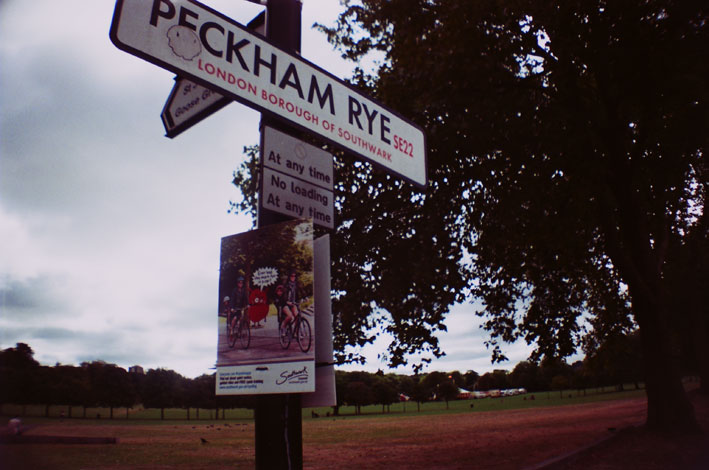
“I shall have to do research,” Dougal mused, “into their inner lives. Research into the real Peckham.  It will be necessary to discover the spiritual well-spring, the glorious history of the place, before I am able to offer some impetus.” To ingratiate myself into newly living in South London, I was keen to find some boundary markers in the area to walk and explore. I had only … Continue reading Muriel Spark’s Ballad Of Peckham Rye

Responses: Alison and Peter Smithson’s Architecture (London).

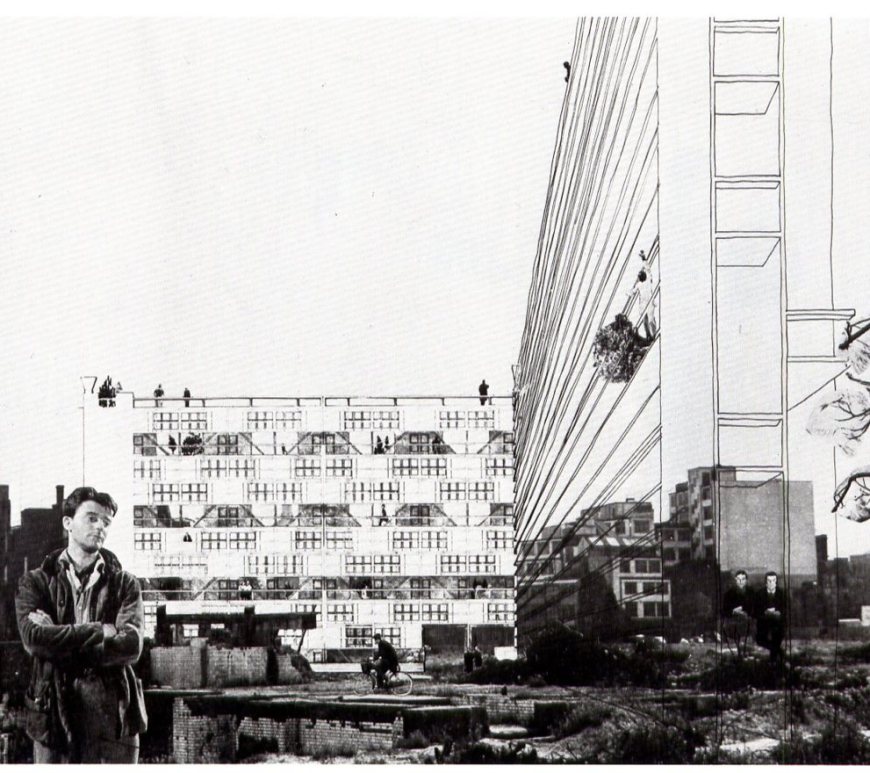
Alison and Peter Smithson are two of the most influential architects of the 20th century.  This is in spite of the fact that only several of their buildings made it past the design stage and that, of those that did in the UK at least, they have often been reviled as the most grim of Brutalist designs.  Yet, apart from their buildings standing out for … Continue reading Responses: Alison and Peter Smithson’s Architecture (London).