Hauntology Of The Dead Past (1965) – Out Of The Unknown.

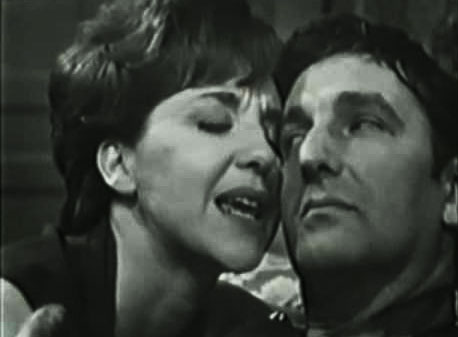
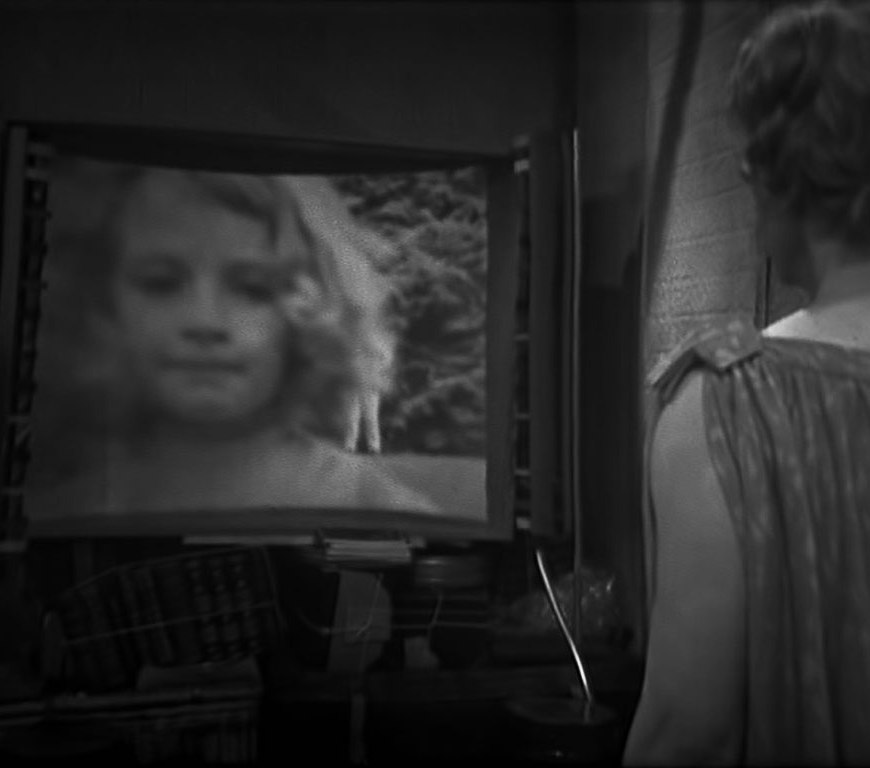
The BBC Science-Fiction anthology series, Out Of The Unknown (1965-1970), was famous for producing a wide range of intellectual sci-fi drama, exploring ideas and concepts more than spectacle and scale.  With adaptations from a range of writers, including John Wyndham and J.G. Ballard, the surviving episodes of the series are both stimulating and useful in terms of 21st century aesthetic philosophy.  The feeling that the … Continue reading Hauntology Of The Dead Past (1965) – Out Of The Unknown.

Alan Garner’s Edge

‘When I was not confined to the house, I would spend my days and my nights on the Edge.’ – Alan Garner On a frosty but sunny January morning, I was steadily making my way along the M56 towards Macclesfield. I was on my way to Alderley Edge in Cheshire, the stalking ground of writer Alan Garner. In 2015 I had made this journey in … Continue reading Alan Garner’s Edge

Ghosts in the Ice

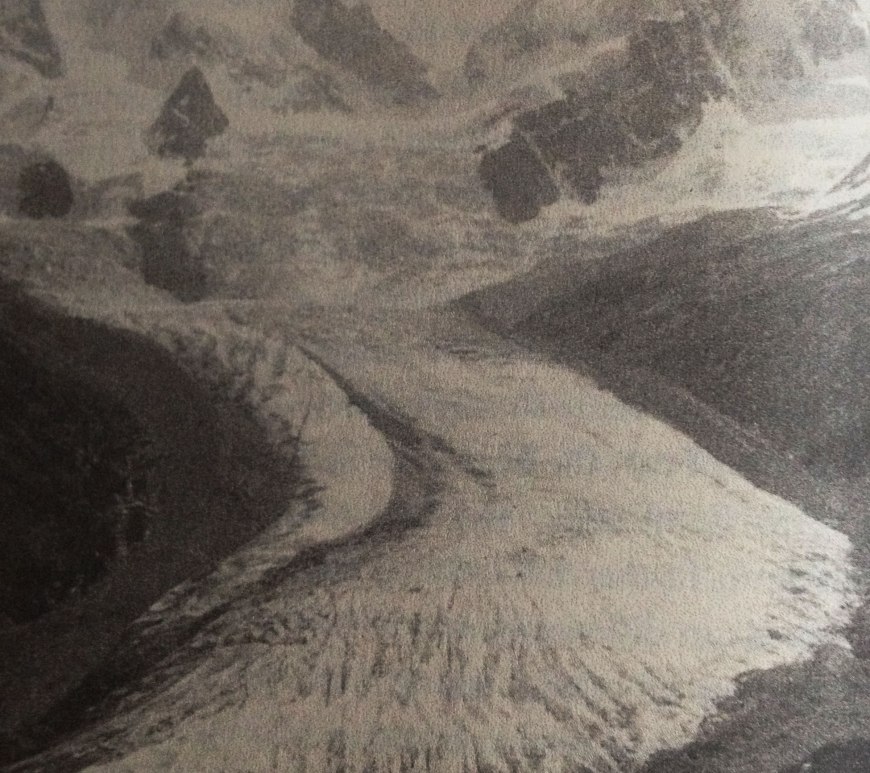
On finishing W.G. Sebald’s novel The Emigrants (1992), it felt as if some loose connection to a recent film or book was left hanging mid-air. The narrative of Sebald’s novel is split into the stories of four émigrés, all seemingly interconnected by a multitude of strange images but chiefly by their fleeing from the rise of Nazi Germany. The connection didn’t seem to be so … Continue reading Ghosts in the Ice

Responses: Blind Landings (2013) – Jane And Louise Wilson.

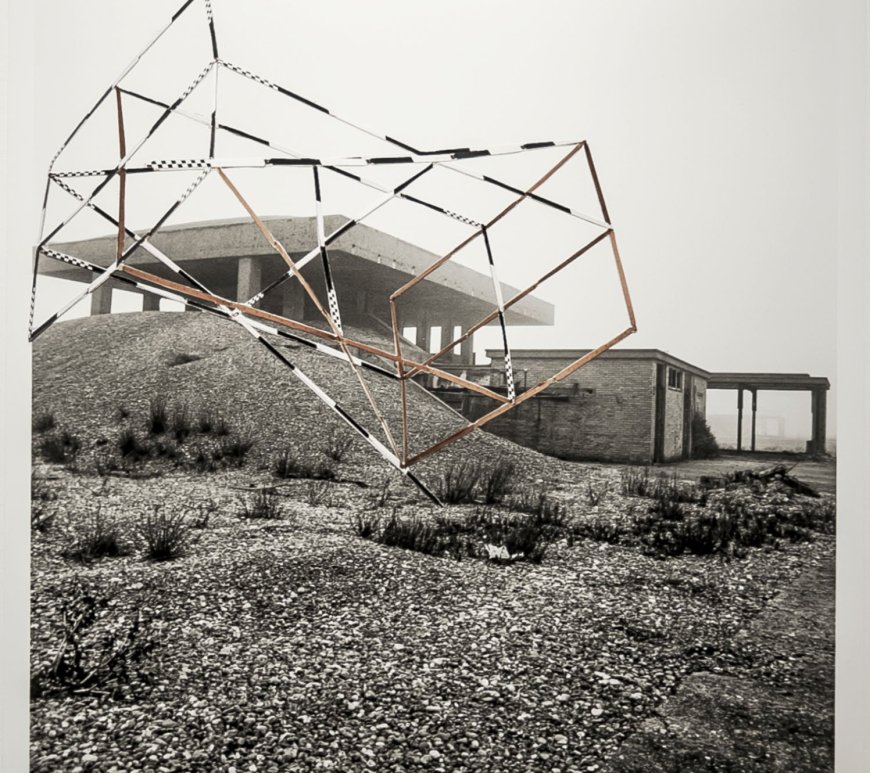
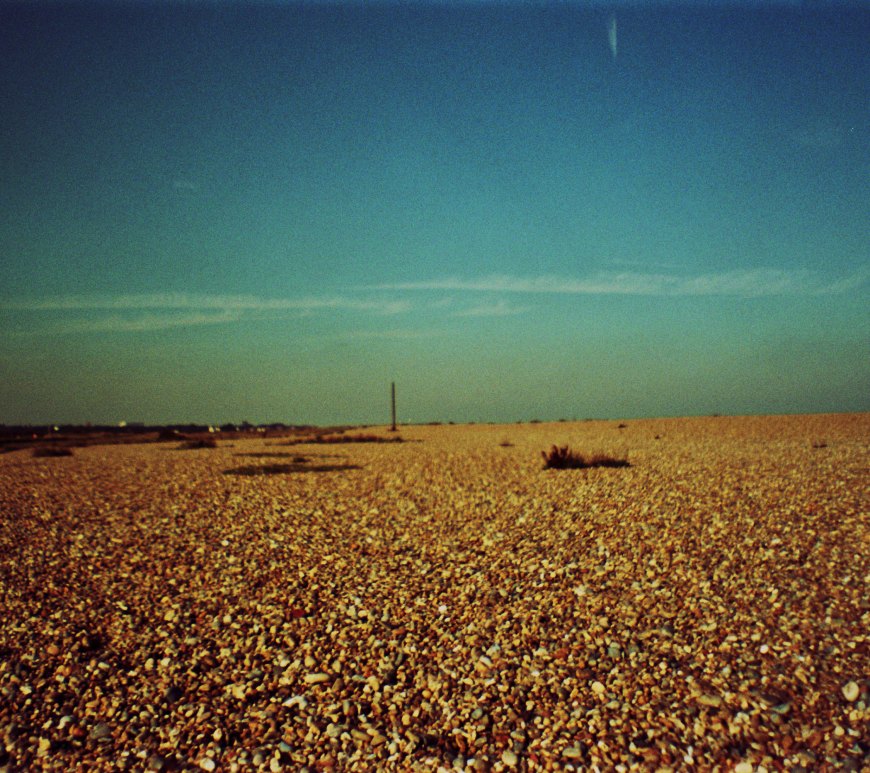
Debris degrades and degradation can be measured but can art be this measurement?  Orford Ness in Suffolk, a former atomic weapons mechanism research and testing facility, doesn’t ask these questions but the place has attracted such a huge number of artists to its shores that the question of creativity and its role as a reaction to such politically doused spaces cannot help but be evoked.  … Continue reading Responses: Blind Landings (2013) – Jane And Louise Wilson.

Salthouse Marshes (Ghost Story).

In October I released a ghost story for Halloween.  It was partly inspired by Algernon Blackwood’s The Willows, but the majority of its actual narrative structure (especially in terms of character) came from a short story of my own inspired as well by Blackwood’s story.  As it’s near Christmas, the original story is presented below.  It’s very typically Jamesian and should be read late at night … Continue reading Salthouse Marshes (Ghost Story).

Showreel 2015.

Above is a showreel built from footage I’ve shot over the last twelve months.  Compared to last year’s showreel, this one feels far more defined and less haphazard with the visual ideas I want to play with.  Gone are the mixtures of stop-motion, digital and film, instead replaced entirely by different stocks of super-8 footage.  This year has felt like a much more defined trajectory … Continue reading Showreel 2015.

Communicative Reality in The Lover (1963) – Harold Pinter.

This article contains plot twists. Harold Pinter’s The Lover was a script first publically showcased as a television play in March 1963[i] before it went on for a theatre run a few months later starting from September that year.  As a model of how Pinter plays on words and the natural duel meaning found explicitly within the English language, it develops on several ideas that would … Continue reading Communicative Reality in The Lover (1963) – Harold Pinter.

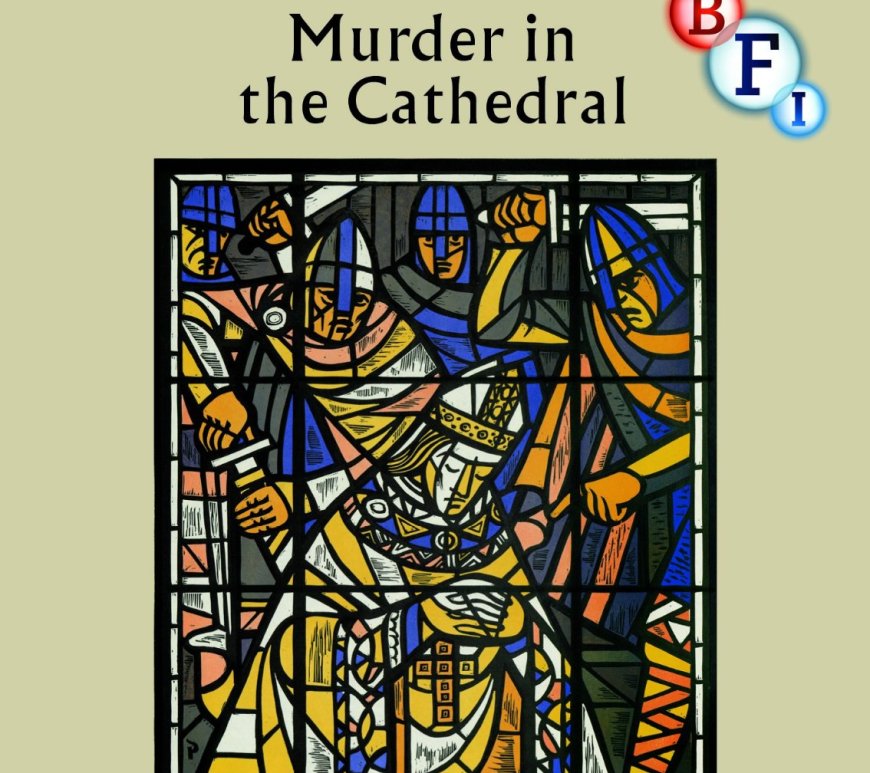
Murder In The Cathedral (1952) – George Hoellering (BFI).

British cinema in the early 1950s appears to have been fond of experimenting with other art forms.  Powell and Pressburger were transplanting opera and dance into the form in their colour zoetrope Offenbach amalgamation, The Tales Of Hoffmann (1951) (and slightly earlier in The Red Shoes (1948)) whilst Laurence Olivier was continuing his melding of Shakespearean theatre with celluloid in Richard III (1955).  The great … Continue reading Murder In The Cathedral (1952) – George Hoellering (BFI).

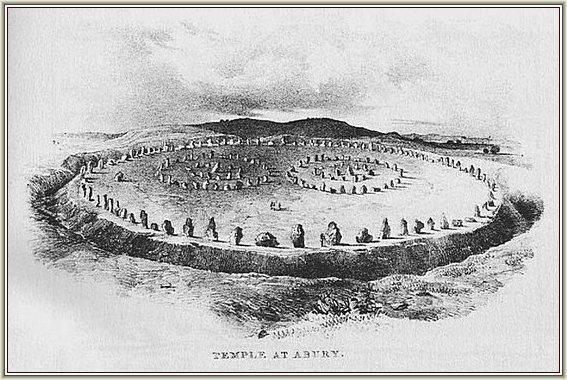
Uncanny Portals And Standing Stones (Children Of The Stones, The Owl Service and Barbara Hepworth) – Part 3.

Part 1. Part 2. The Eeriness of Landscape Entities. The final aspect to assess is the natural eeriness created from putting an object within a landscape; here, it is the context of such an action and implications of the aesthetics that is key.  When Hepworth’s work is situated in the landscape, two things can occur.  The first is that the link between the work and … Continue reading Uncanny Portals And Standing Stones (Children Of The Stones, The Owl Service and Barbara Hepworth) – Part 3.

Walking “A Warning To The Curious” (M.R. James).

A few years back, whilst on holiday in Norfolk, I began exploring some of locations used for the BBC’s famous M.R. James adaptations, specifically for Lawrence Gordon Clark’s adaptation of A Warning To The Curious (1972).  Though I had been far from thorough in this escapade (I completely missed the film’s most iconic structure in the church at Happisburgh), on finding myself in Suffolk, I … Continue reading Walking “A Warning To The Curious” (M.R. James).