
Dear Joe, I’d like to walk with you
From Clapton Pond to Stamford Hill
And on… – Harold Pinter
Harold Pinter liked walking around London. It is easily forgotten how vital walking around the capital was for him when considering how claustrophobic much of his theatre work is. Yet there is still a sense of place in his work, often highlighting many of his characters’ obsessive qualities. They seem to never shut up about London and various local bits of it.
It was not until learning about Pinter’s friendship with his English tutor Joseph Brearley, and in particular reading the poem he wrote about him, that London’s importance became abundantly clear.
One of my own personal delights found in Pinter’s work for theatre and film is just how London-centric it really is once picked up on. Whether it is Mick taunting Davies about the detailed routes he advises him on in Clive Donner’s version of The Caretaker (1963), the grounded, isolating presence of the Hackney house in The Homecoming (1965), the upper-class enclave of his script adaptation for Joseph Losey’s The Servant (1963), or the various London spaces that have popped up in television work such as A Night Out for Armchair Theatre (1960) and The Collection (1976) for Granada, London has always figured in its multivalent vastness. Even that most oblique of his plays, No Man’s Land (1975), has a kind of hidden London code spoken within it; various locales used double entendre.
After months of immersing myself in Pinter’s work, and with a trip to London already planned, a Pinter-themed walk was inevitable. This was not, however, to be a simple meander regarding the odd theatre and film location. The detail that Pinter put into his 1977 poem Joseph Brearley (1909-1977) – a poem dedicated to the inspirational English teacher who he went on countless walks with when at Hackney Downs Grammar School – means that there is great potential to walk its impressionistic routes ‘on, and on’ as Pinter wrote.
Pinter mentioned the importance of these walks with both Brearley and his friends several times. In his talk at the David Cohen British Literature Prize in 1995, he discussed the importance of Brearley and these walks which introduced him to writing by the likes of Shakespeare and John Webster:
Joe Brearley and I became close friends. We embarked on a series of long walks, which continued for years, starting from Hackney Downs, up to Springfield Park, along the River Lea, back up Lea Bridge Road, past Clapton Pond, through Mare Street to Bethnal Green.
Pinter’s description of the walk in his speech is far more detailed than its subsequent recreation in the poem. This is undoubtedly because its aim is to capture the fragmented nostalgia of the place, the feeling of discovery and perhaps a subtle release of melancholy at the man’s death (the event that spurred him to write it). It was, therefore, a far more spontaneous form of map for a walk through Pinter’s East London.
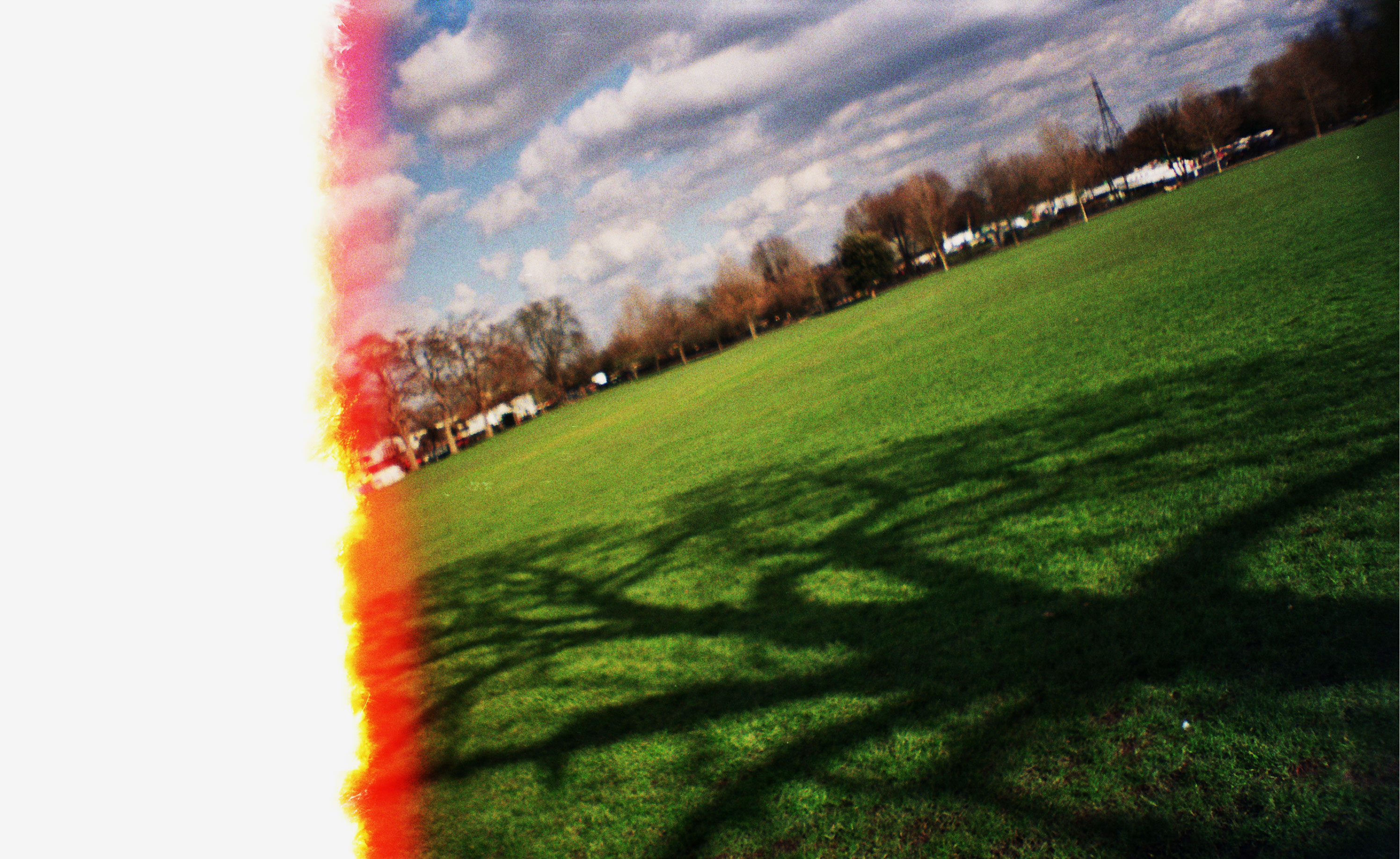
The walk began on a sunny February weekday, first getting the tube to Manor House station. The walk was not to begin specifically in the order of Pinter’s poem or to be realised fully from walking the length between Finsbury Park and Hackney Downs; the two furthest points mentioned in regards to his scholarly walks with Brearley. This was purely due to time. Instead, Manor House was the beginning of the walk in order to explore the following lines:
Through Manor House to Finsbury Park,
And back…
The day was bright and surprisingly warm for February. Coming out of Manor House tube station, I walked down the beautiful pathway to the entrance of Finsbury Park.
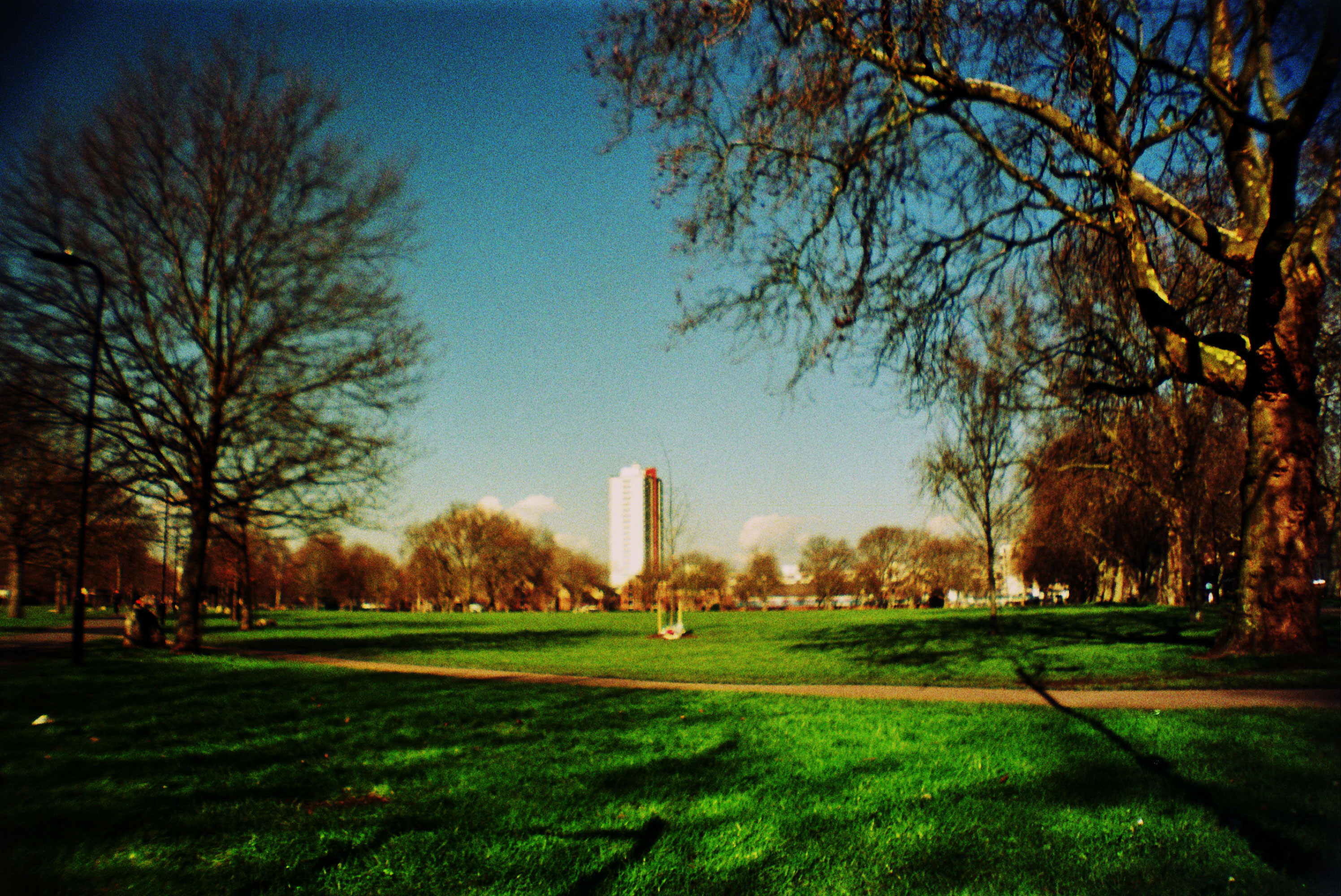
The design of the park is one that feels similar to several Pinter settings, with a faded, genteel elegance of long pathways with arches of trees. There was a community service group picking up litter, groups of lads sitting around enjoying the sun, and the jaunt felt instantly leisurely and relaxed. It soon became apparent that walking such areas did indeed sprout up almost constant conversation; there was a consistent conversational spark with my walking partner Harriet. Pinter and Brearley tapped into something important here: the raw material of flowing ideas through interaction with public spaces.

The poem refers to a reversal – ‘and back’ – so that was precisely what we did; heading back to the station to catch several tubes and an Overground train to Hackney Central. On the way back, I thought of Mick’s elongated speech in The Caretaker, spinning Davies the tramp in a web of place-names to taunt him and his inability to get down to Sidcup where his important papers supposedly reside:
You know, believe it or not, you’ve got a funny kind of resemblance to a bloke I once knew in Shoreditch. Actually he lived in Aldgate. I was staying with a cousin in Camden Town. This chap, he used to have a pitch in Finsbury Park, just by the bus depot. When I got to know him I found out he was brought up in Putney. That didn’t make any difference to me.
The atmosphere changed when arriving into the bustle of central Hackney. Pinter’s relationship specifically with Hackney was a complex but important one. In an interview he gave for the ABC series, Tempo, he is both critical but interested in the place and its influence on his work. When asked whether he liked growing up around there he suggests that his experience was negative, further elaborating that:
No we didn’t like it very much, we hated it. But I think we hated it in the sense that any young man growing up in any particular district hates it. And in this particular respect, Hackney was a kind of prison. Although we could get a bus and go out to Piccadilly in half an hour or so, we didn’t have enough money to do it because the bus cost 10p or so in those days, and we were kind of cooped up and cramped in it…
Yet, when recalling his walks around the area as a whole, there is a great sense (and this was palpable even walking around it now) that there was a wealth of space to walk and talk in. Hackney did Pinter some good, even it meant running in to the occasional skinhead itching for a brawl.
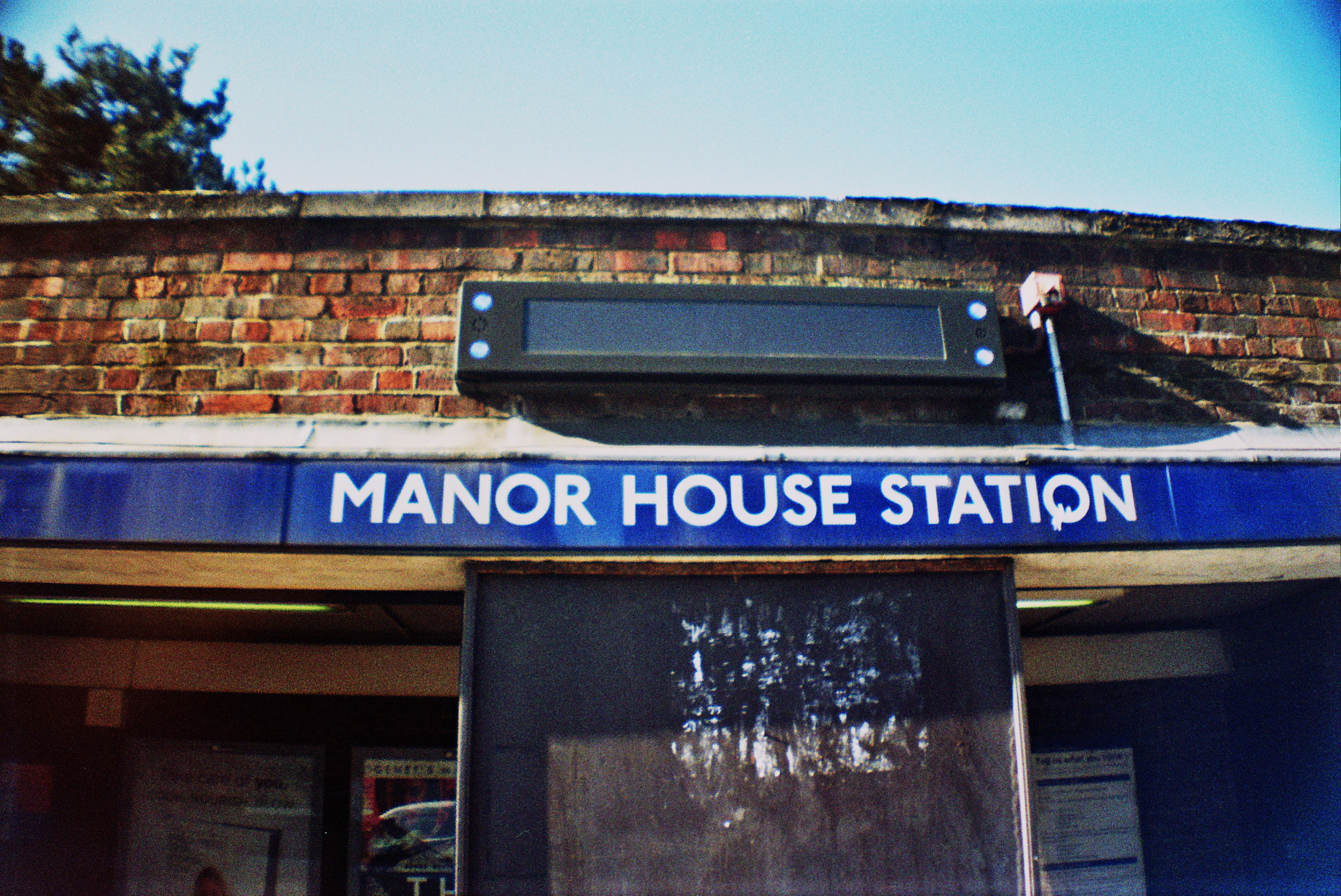
We followed Amhurst Road, leaning right towards Hackney Downs. Another park to wander around in, to fire up conversation and to explore. The high-rise in the background shot up among the trees and the sun shone down on the relatively empty but pleasant lawns. A handful of joggers and cyclists were making their way around the paths though no one was declaring lines of Webster into the wind.
On the dead 653 trolleybus,
To Clapton Pond,
And walk across the shadows on to Hackney Downs…


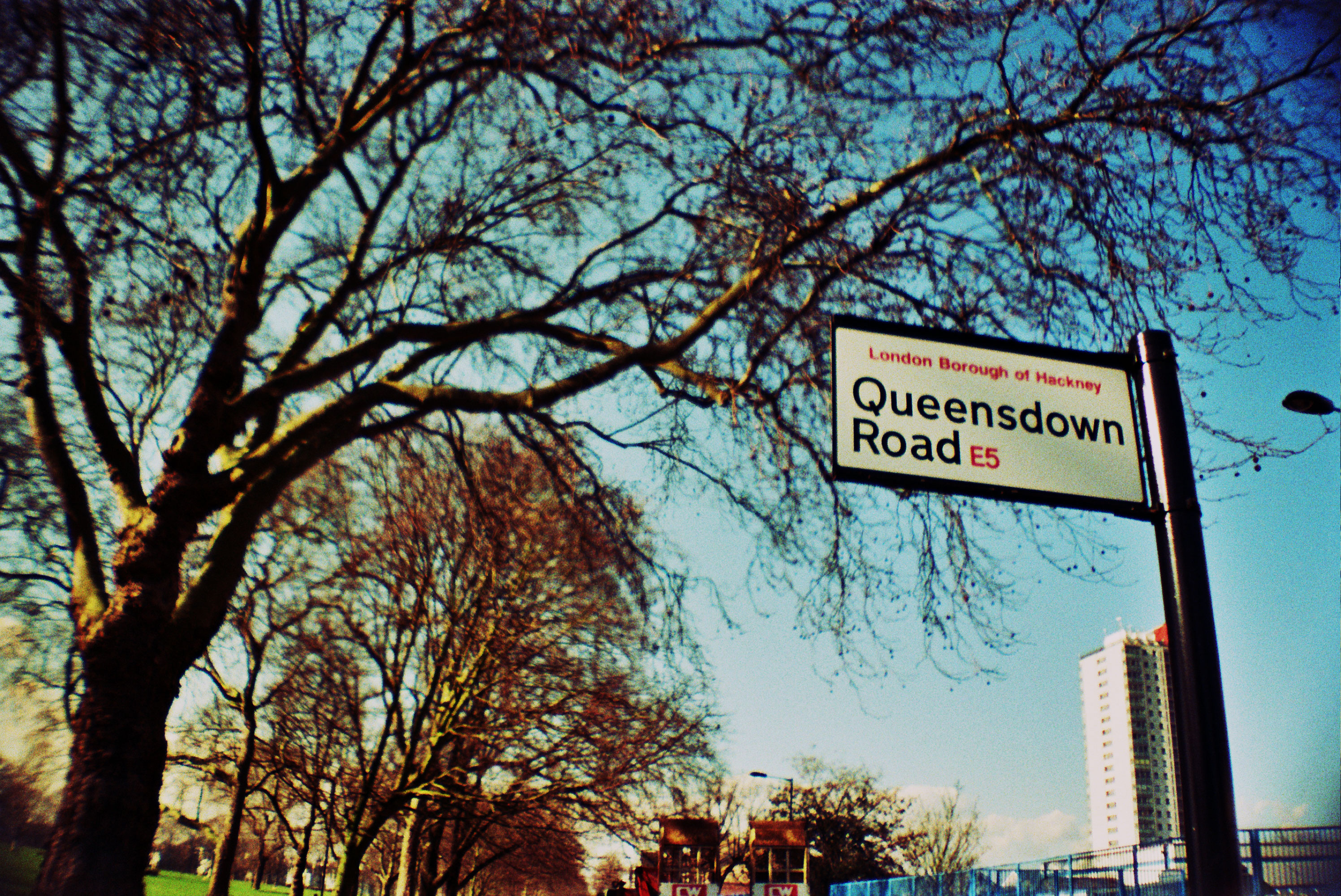
We strolled on, following the pathway parallel to Queensdown Road, and turned right onto Downs Road towards Clapton Pond. Downs Road was where the house for Caretaker Films stood, and where Clive Donner set up production and filmed the 1963 version of the play at number 31. Sadly the house was knocked down though a handful of the same type of house are further down the road.
When discussing his time walking with Pinter and his Hackney Downs friendship group, the actor Henry Woolf also seems to recognise in hindsight the importance of such a venture. Speaking during an Arena documentary interview for a film called The Room, he said that ‘Wandering around Hackney and so forth… That traversing out of space in our heads… We didn’t have any money to speak of so we spent an enormous amount of time walking and an enormous amount of time talking and reading.’
That idea, of ‘traversing out of space in our head’, of walking ideas into existence or substantiating already conceived ideas by walking some meat onto the bone, was clearly important to Pinter. As Woolf later went on to say ‘We bowled about and bought cups of tea and walked about and we didn’t feel poor in spirit; we felt quite rich really.’ This is a working-class experience of the city and the area; one that permeates a great deal of Pinter’s later work.

Clapton Pond glistened in the sunshine, its light creating rainbow-coloured shards. We walked over its picturesque bridge over the water, the vibrations of the busy traffic shaking the structure. It is an intensely contradictory place.
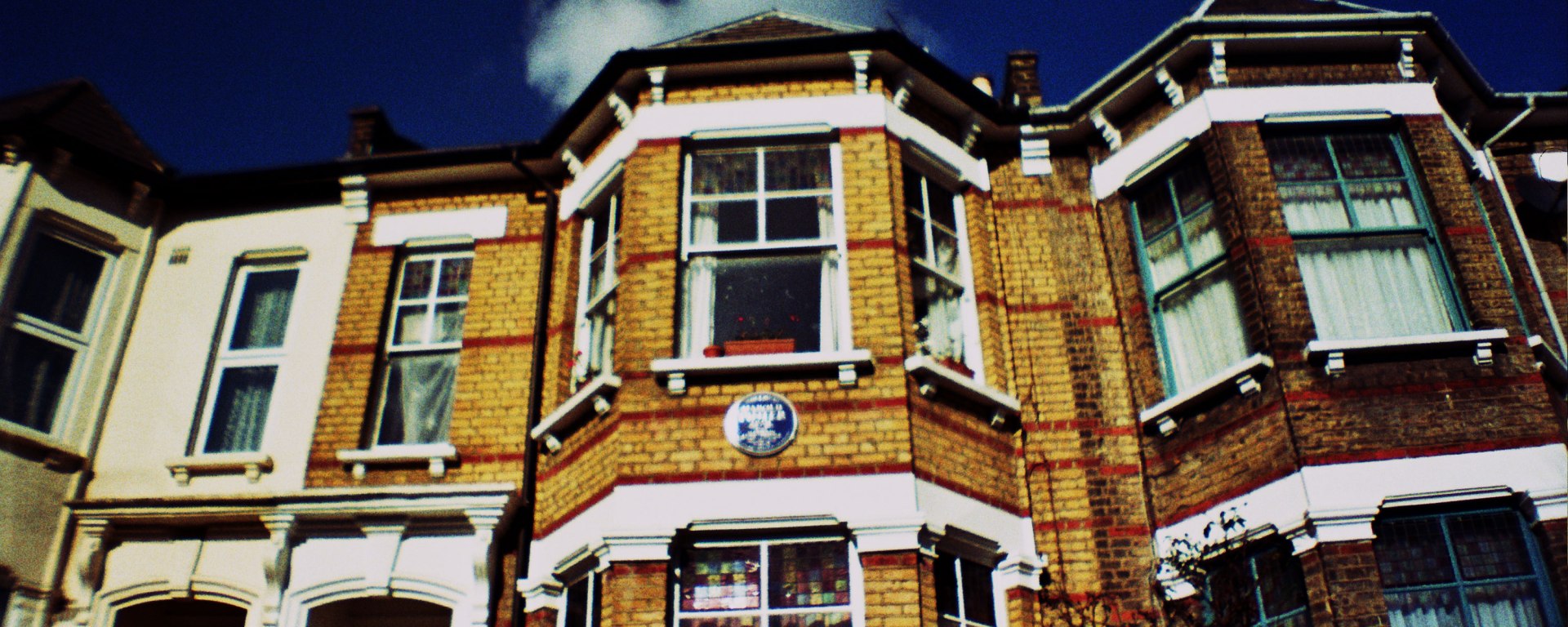
Briefly moving away from Pinter’s poem, we walked around the corner to Pinter’s house in Thistlewaite Road; a house now adorned with a blue plaque to commemorate his time there. Pinter believed that the liveliness of the area had class links, suggesting that ‘At the same time, we felt very much its qualities and liveliness and busyness. It was a very lively working-class district. It was living.’ Whether that same sense of busyness remains, in terms of class, is debatable. It was all a little too neat.

Continuing some way up the main road, we eventually found ourselves in Springfield Park. There was a specific reason for visiting the park outside of Pinter’s general writing and in spite of him mentioning the place earlier when detailing his walks with Brearley.
The poem also mentions a bandstand at Hackney Downs which is sadly no longer there. For the film I was shooting at the time as a response to the poem, this seemed pretty essential and so the bandstand in this beautiful park was to be used instead.
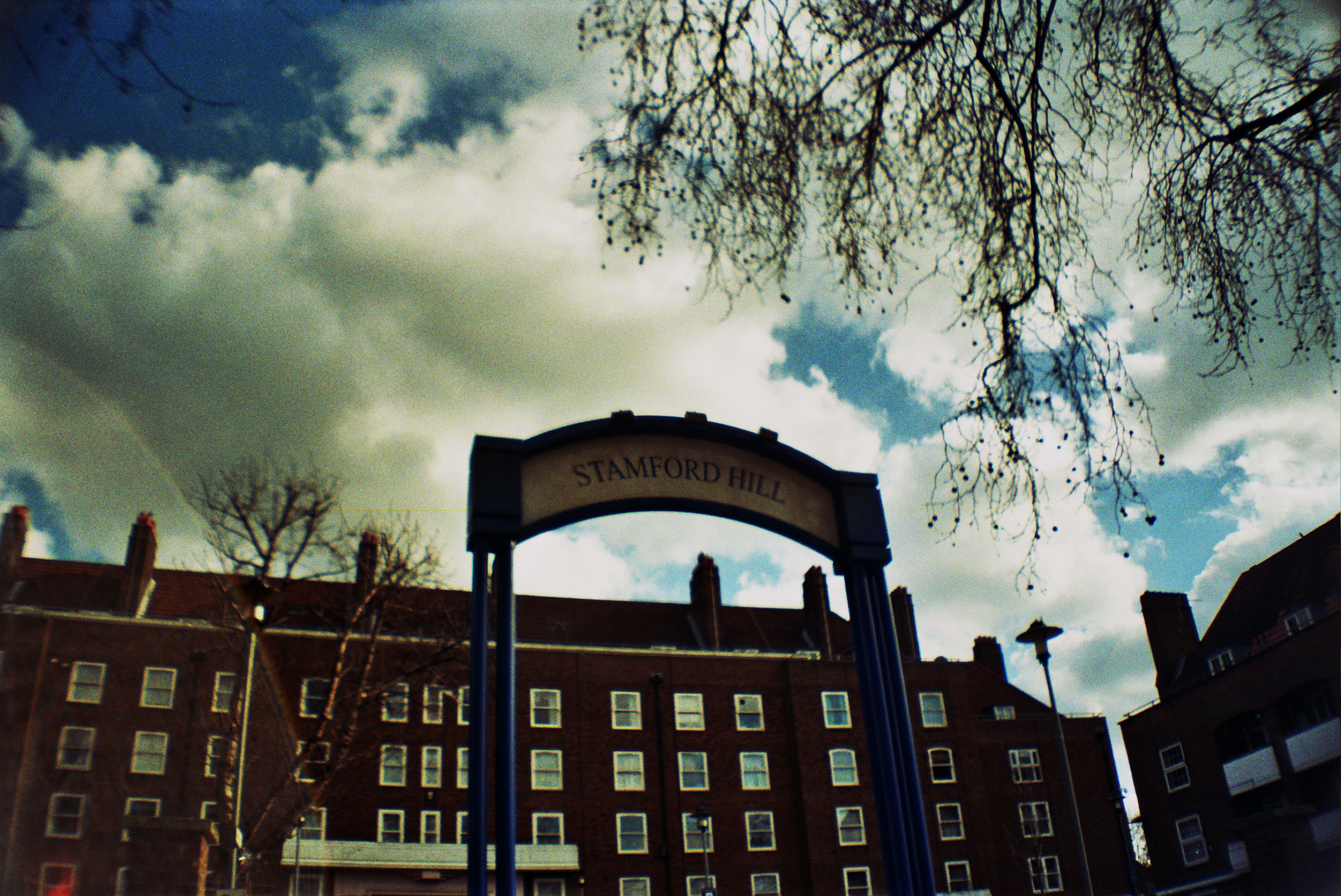
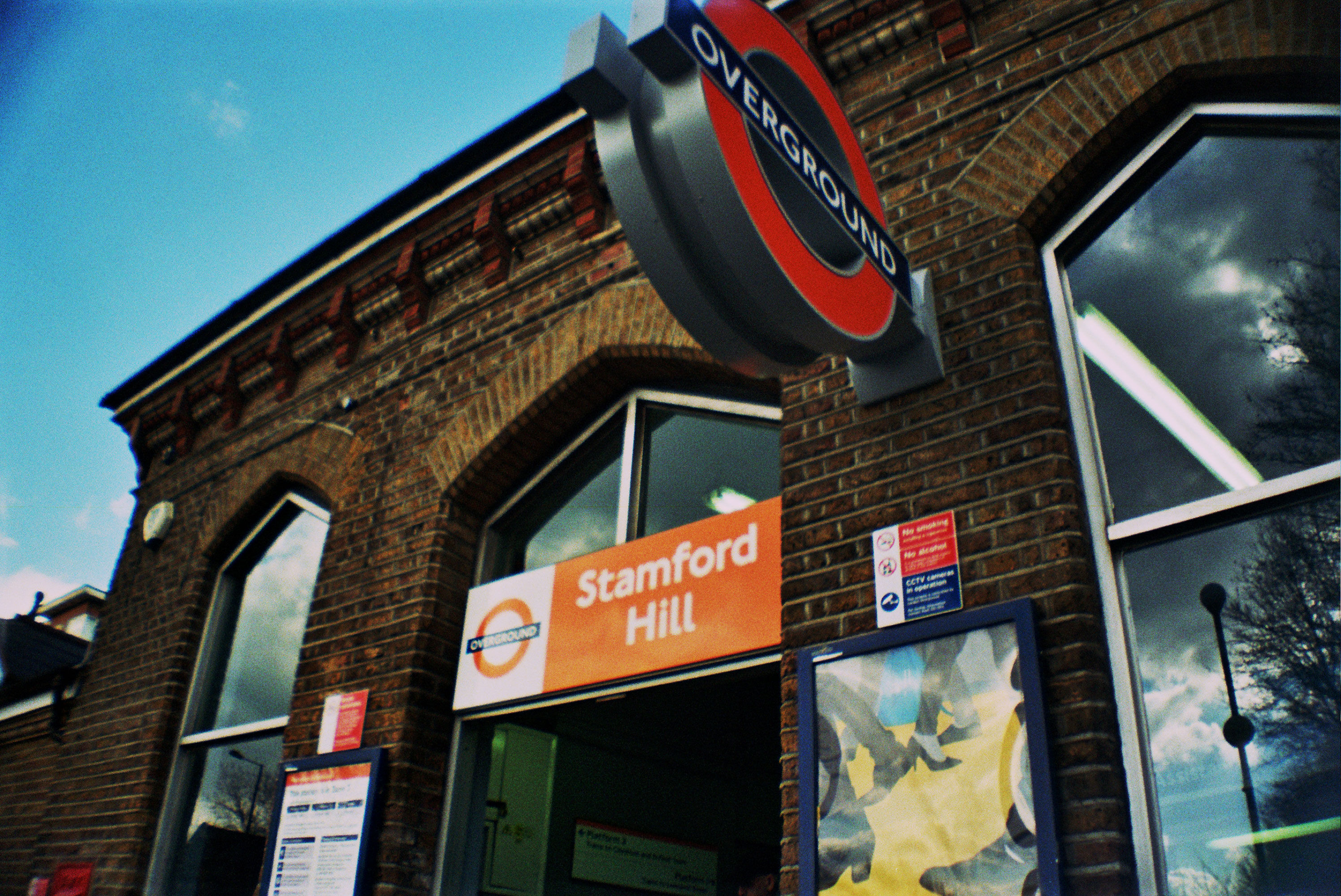
The views out over the valley were vast and dizzying. The bandstand was indeed a suitable substitute. We soon left Springfield Park after filming and meandered further, all of the way along the main road towards Stamford Hill. This road has Clapton Terrace on it, the loop where Mick taunts Davies by driving him in a circle in the filmed version of The Caretaker. In terms of the poem, this was going back on itself to the opening lines, which refer to the walk from Clapton Pond up to Stamford Hill.

Pinter said about Hackney that his engagement with the place was different to other, later areas he lived in. ‘The main thing about Hackney’, he admitted, ‘was that it was a place as opposed to places you live in afterwards which are not places; you live in houses… You’re not part of any district or place but in Hackney we were certainly part of the place.’ After following his old haunts, it was clear that the area had a huge influence on his writing and his engagement with ideas because it was, for him, a place rather than a space. Contrasting heavily with the claustrophobic settings of his many plays, the walk showed another side to this quintessential London writer; a side where ideas were conjured on pavements and in parks.





 Celluloid Wicker Man
I have put a link to this post on the facebook page International Psychogeographer, here, https://www.facebook.com/InternationalPsychogeographer/?ref=bookmarks
I hope you don’t mind.
I will be returning to the UK to live in Hackney in the summer and this piece resonated a lot with me. Thanks for posting it.
Joe.