Questioning Nostalgia In Folk Horror.

As the Folk Horror canon expands into more forms of media and territory, the Folk Horror Chain becomes less useful as a tool for looking at thematic material.  This is partly due to it being derived as an idea from one medium and one that is explicitly narrative based.  Yet, some of its ideas can be loosely translated into the area of reception studies of … Continue reading Questioning Nostalgia In Folk Horror.

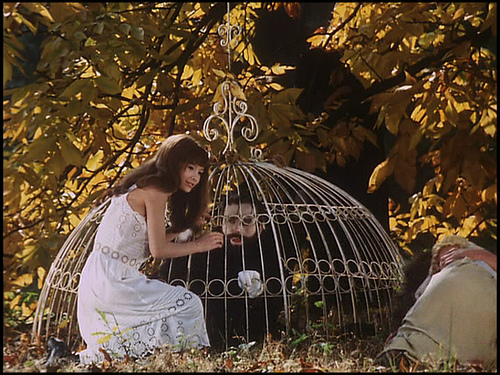
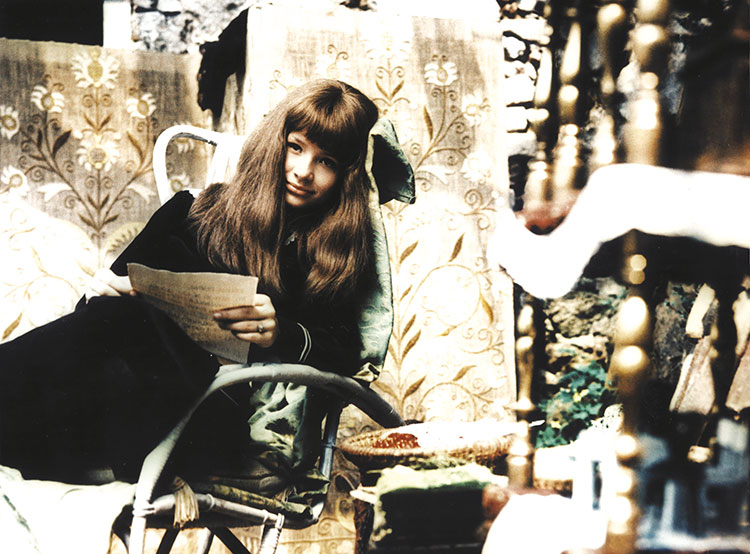
Valerie And Her Week Of Wonders (1970) – Duality Through Sound And Vision (Part 2).

Part 1. Innocence and Sexuality. As already suggested, Valerie is first and foremost about the links, barriers and cross-over between innocence and sexuality.  Whilst some characters (for example, the religious fundamentalists), believe there to be a strict differentiation between the two, the film and Valerie herself know that this is not the case; if anything, it is the watermark of the patriarchy that such a … Continue reading Valerie And Her Week Of Wonders (1970) – Duality Through Sound And Vision (Part 2).

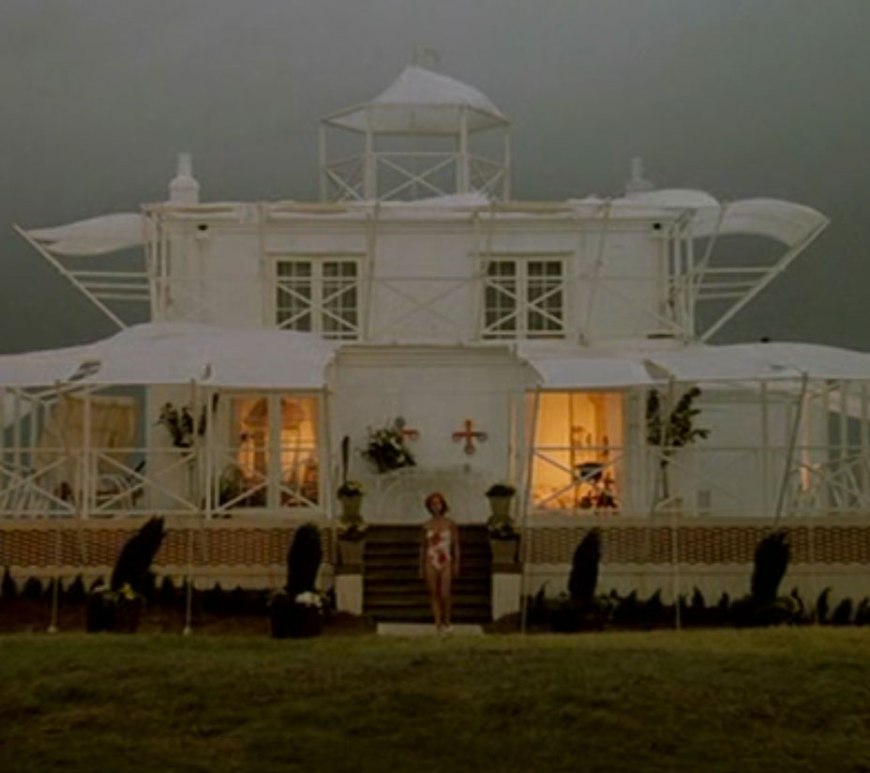
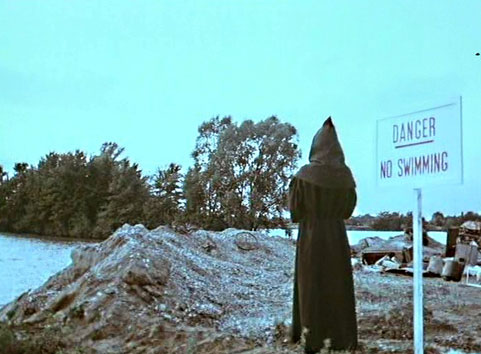
Death and Landscape in Drowning By Numbers (1988) – Peter Greenaway.

In Henry David Thoreau’s influential work, Walden (1854), he speaks of many elements of the natural landscape and the deeper meaning within it.  Tying into the first movement of transcendentalism, Thoreau’s was one of a number of works that sought out inner spirituality within a journey toward the outside.  One quote seems particularly prescient, both in the context of our film of study and in … Continue reading Death and Landscape in Drowning By Numbers (1988) – Peter Greenaway.

The Ritual Of Craft In Folk Horror.

With the ideas of the Folk Horror Chain starting to seem incomplete as the sub-genre grows in popularity and is more analysed, it’s about time further facets, themes, ideas and traits were added to the conversation.  This will be the first in a number of pieces about other traits not accounted for or addressed in the initial idea of the chain (which itself was only … Continue reading The Ritual Of Craft In Folk Horror.

Valerie And Her Week Of Wonders (1970) – Duality Through Sound and Vision (Part 1).

Valerie And Her Week Of Wonders (1970) – Duality Through Sound and Vision. Jaromil Jireš’ Valerie And Her Week Of Wonders (1970) is a cornucopia of images and sound.  Its vision is of a complex blossoming of sexuality amidst the visual and thematic realisations of a Freudian dreamscape, driven primarily by the lack of understanding and misinterpretation caused by social naivety.  The narrative rarely ascends to … Continue reading Valerie And Her Week Of Wonders (1970) – Duality Through Sound and Vision (Part 1).

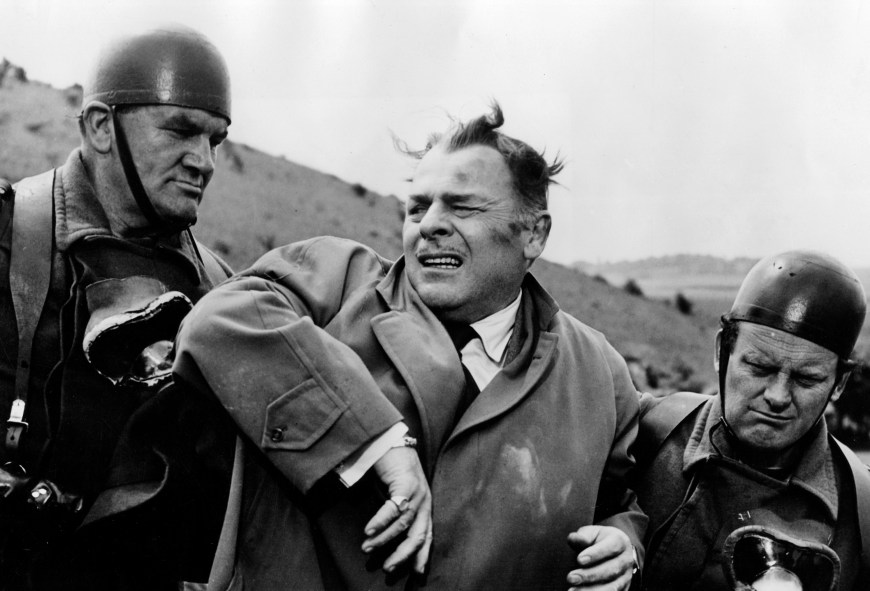
Fear of the Outsider in Quatermas II

The characters of Nigel Kneale’s work rarely like an outsider. The drama of his plays is often built around small groups of people at odds with some concept of an outsider. The oppositional group will be diametrically opposed for a variety of reasons; sometimes for more pulp tendencies such as aliens in a space invasion scenario, but also more recognisable images of townspeople entering closed … Continue reading Fear of the Outsider in Quatermas II

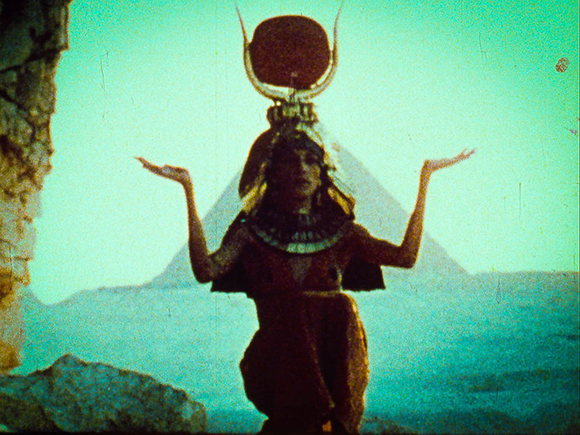
The Ancient And The Otherworldly In Lucifer Rising (1970) – Kenneth Anger.

Much has been written about Kenneth Anger’s final counter-culture outpouring, Lucifer Rising.  So often the discussion of its history, its constantly evolving final form, and its links with Charles Manson’s “Family”, overshadow the real thematic content of the short film.  Whilst all of these elements are of great interest, especially in regards to Bobby Beausoleil’s score which seems highly prescient in the context of his … Continue reading The Ancient And The Otherworldly In Lucifer Rising (1970) – Kenneth Anger.

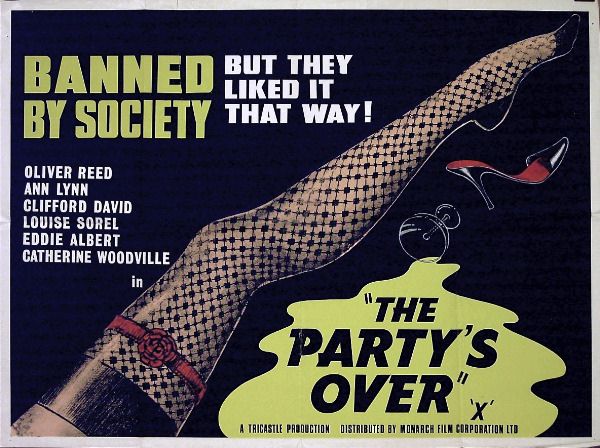
Objectification As Desire In The 1960s British Youth Film.

On a recent exploration of several films from the 1960s, some startling realisations occurred.  A change in moral values is pretty easy to distinguish within any given time-frame but the casual representation of the era’s moral values were surprising to behold.  In the 1960s, the concept of the teenager was barely a decade old; a new refreshing lease of life for a generation of people but … Continue reading Objectification As Desire In The 1960s British Youth Film.

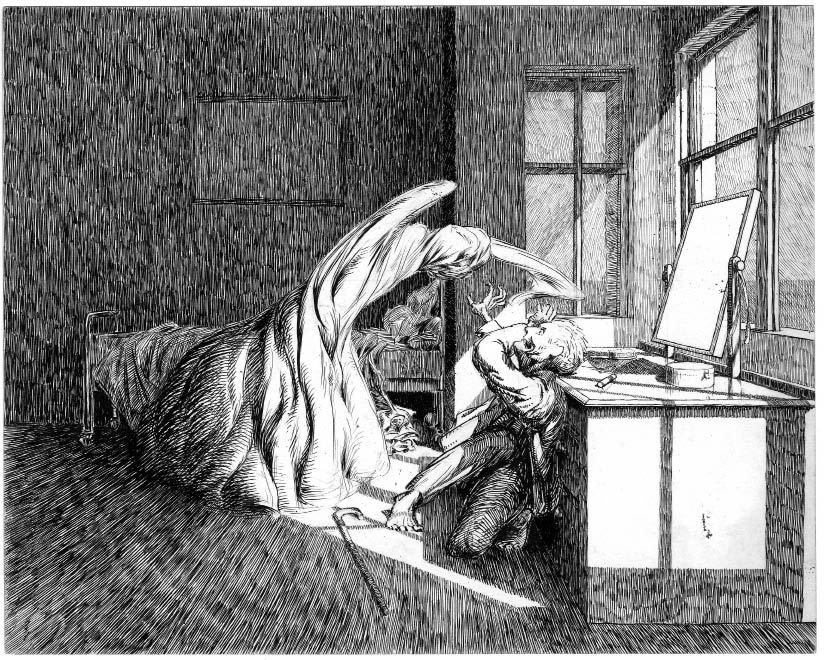
The Aural Aesthetics Of Ghosts in BBC Ghost Stories – Part 9 (Conclusions).

Part 1. Part 2. Part 3. Part 4. Part 5. Part 6. Part 7. Part 8. Conclusions. “If its central characteristics remained immune to change, the ghost story did keep pace with the times through progressive modernization of settings and language.” – Cox (xix, 1991). From analysis of the BBC Ghost Stories, it is clear that the narrative function of the supernatural has a natural … Continue reading The Aural Aesthetics Of Ghosts in BBC Ghost Stories – Part 9 (Conclusions).

Perception Of Landscape in A Journey To Avebury (1971) – Derek Jarman.

Out of all of Derek Jarman’s pre-feature length film work, his short capture of a 1971 walking trip, A Journey To Avebury, is perhaps his most interesting and subtly complex piece of short film work.  These were the early days of Jarman’s experimentation when his work as a painter and even a set designer still seemed to dominate over his purely cinematic interests.  This was … Continue reading Perception Of Landscape in A Journey To Avebury (1971) – Derek Jarman.