Owls and Flowers: Alan Garner’s The Owl Service At 50

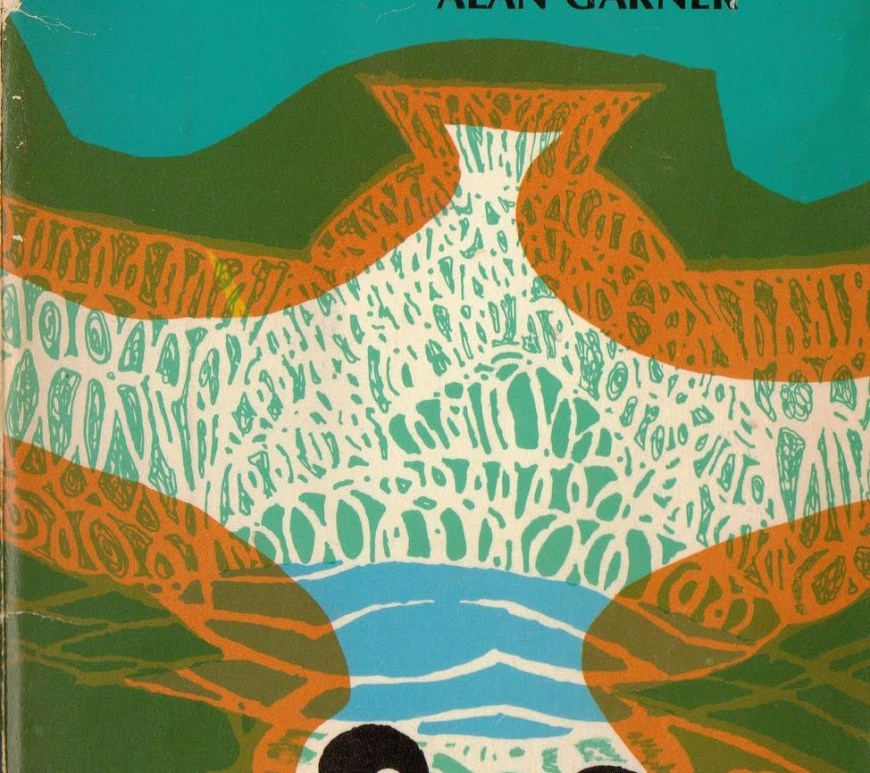
I cannot remember when exactly I first read Alan Garner’s The Owl Service (1967). Like its inspiration, The Mabinogion, or the Stone of Gronw that sits at the centre of its mystery, it seems to have always been there. It’s an unusual feeling because the novel is not particularly old by standards of literature – it turns fifty on the 21st of August – and yet it feels old. It may … Continue reading Owls and Flowers: Alan Garner’s The Owl Service At 50

Chasing The Ghost – Excavating Sebald’s Portraits

So much has been written about W.G. Sebald and the use of photographs in his novels that it seems almost fruitless to write further around the subject.  With it being one of the defining features of his work, and with a rapidly increasing library of volumes and handbooks exploring the writer’s legacy, I struggled to initially frame the subject I want to write about here: … Continue reading Chasing The Ghost – Excavating Sebald’s Portraits

Responses: Hole In The Sea (1969, 1970), Barry Flanagan

I have never seen Barry Flanagan’s short video piece, Hole In the Sea (1969), yet I’m not quite sure if I ever quite want to.  The short piece, filmed by Flanagan with Gerry Schum in Holland for a Land Art TV exhibition, currently exists in colour and in black & white, contained variously in the Pompidou archive in Paris and the Stedelick Museum in Amsterdam.  … Continue reading Responses: Hole In The Sea (1969, 1970), Barry Flanagan

Memory and Disintegration in the work of W.G. Sebald and The Caretaker

This paper was delivered at the Resonant Edge Hauntology Symposium on the 15/06/2017. Full interviews with Grant Gee and James Leyland Kirby will be published later this summer. My talk today is about two specific forms: the writing of W.G. Sebald and the musical work of The Caretaker.  My aim is to show the links between the two, with reference to ideas of Hauntology but … Continue reading Memory and Disintegration in the work of W.G. Sebald and The Caretaker

Responses: Paul Nash’s Monster Field

As World War Two loomed, Paul Nash’s obsessions leaned towards more esoteric forms.  The landscape became a fantastical entity, the realm of old magic that had already been of much interest to the artist, but one that gradually heightened as reality darkened around him once more.  He moved more to photography as a medium in itself, as well as to take reference material for his … Continue reading Responses: Paul Nash’s Monster Field

The Frozen Time Of Alain Robbe-Grillet

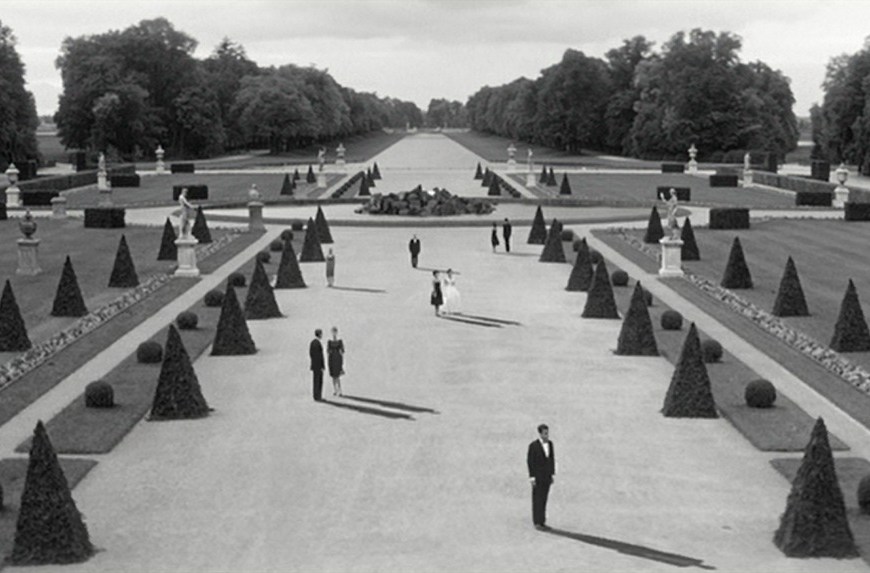
It was a rather surreal feeling to find that, whilst watching this year’s Eurovision Song Contest in a flat in France, the work of writer and filmmaker, Alain Robbe-Grillet, continually kept coming to mind.  At first I failed to understand what exactly it was that was bringing his typical visual and narrative ploy of human beings frozen, in front of my mind’s eye.  I soon … Continue reading The Frozen Time Of Alain Robbe-Grillet

Responses: Virginia Woolf (1912) – Vanessa Bell

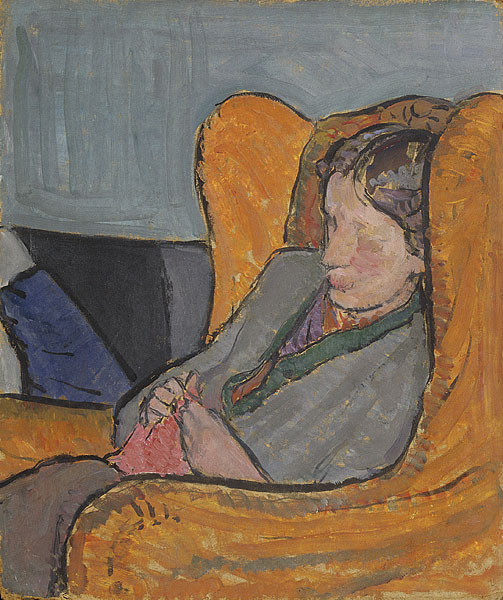
A few months back, I visited the retrospective of Vanessa Bell’s paintings at Dulwich Picture Gallery.  The exhibition is still ongoing and an essential visit for anyone with a passion for those strange groups of English rebels that seemed to flourish in the arts around the Fin de siècle.  It confirmed for me Bell’s position as one of the most underrated artists from that period, … Continue reading Responses: Virginia Woolf (1912) – Vanessa Bell

Folk Horror: Hours Dreadful and Things Strange

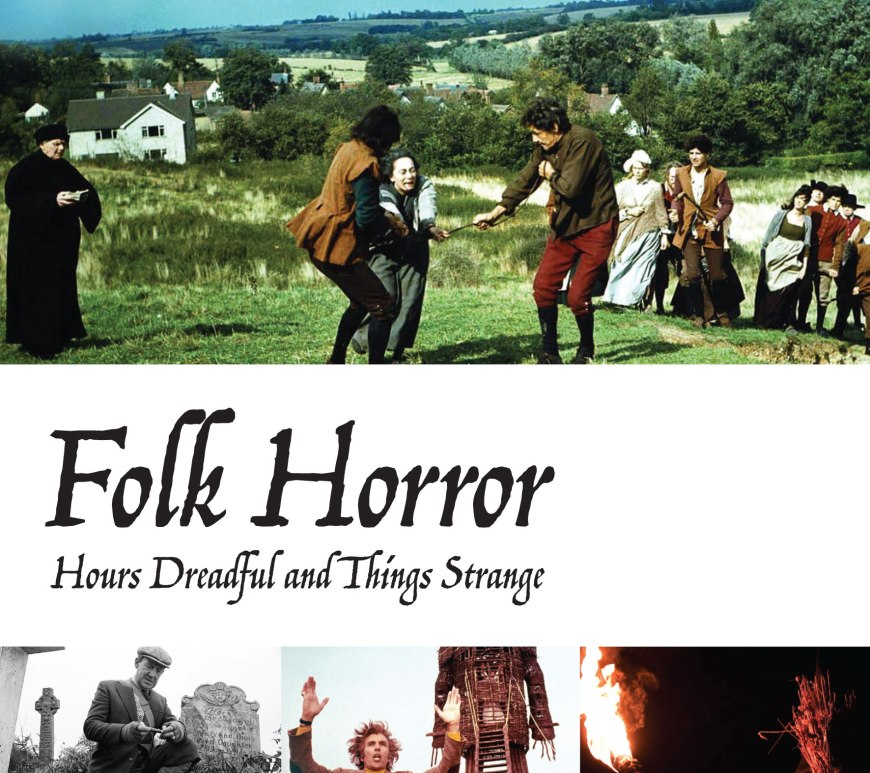
At the time of writing this, my book on Folk Horror is a few weeks away from being printed.  By the time you read this, however, it should be available to buy.  I’ve written about the detail of the book earlier when it was due to be published late last year.  However, I wanted to get a few words down again now that it is … Continue reading Folk Horror: Hours Dreadful and Things Strange

Wanders: Goethe Dies (Strasbourg)

It came with a great sense of relief that, on the 29th of March, I had a plane to catch.  This plane that I was to catch on the afternoon of the 29th was heading to Strasbourg; a visit to ma chérie and an escape from the 29th of March or what the 29th of March now represented which was everything contrary to reason.  Exactly … Continue reading Wanders: Goethe Dies (Strasbourg)