Cinematic Identity Crises and Francis Bacon – Part 2 (The Shout).

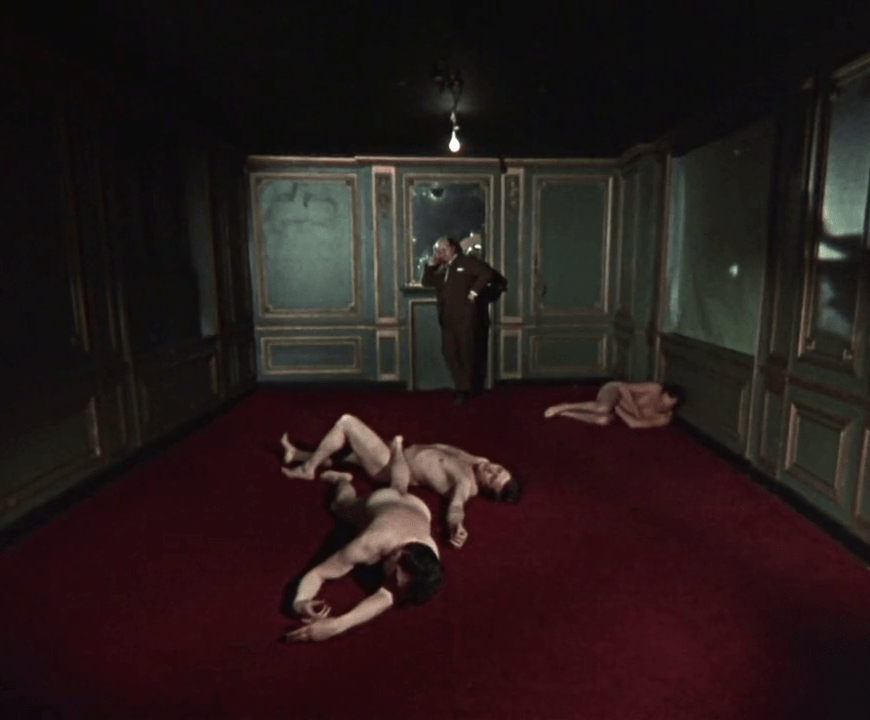
Part 1. The Shout (1978) “I’ve always desired to be able to paint the mouth like Monet could paint the sunset.” – Francis Bacon (1966, interview with David Sylvester). Though Jerzy Skolimowski’s The Shout (1978) is equally as complex as Performance in terms of narrative linearity (or lack of it), Skolimowski’s film and its complexity derives not from the identity crisis surrounding individual characters within … Continue reading Cinematic Identity Crises and Francis Bacon – Part 2 (The Shout).

Short Film – Holloway (Robert Macfarlane)

It feels odd to finally be able to say that Holloway is finished.  This oddness derives not just from the fact that it has been the longest planned film that I’ve produced so far (starting all the way back from Robert Macfarlane’s first email to me in February 2014) but because the subject of the film itself is never-ending.  The holloways of Dorset do not … Continue reading Short Film – Holloway (Robert Macfarlane)

Fugitive in the Landscape

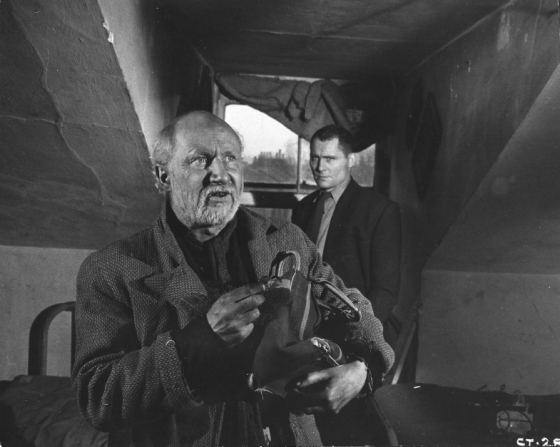
In the British tradition of the Chase & Pursuit drama, there are several reoccurring themes. The idea of a lone individual being chased through different landscapes by a group was popularised in Britain by the Second World War but was around far before then. The basic set-up has an individual wanted for some crime or misdemeanour (sometimes falsely). They are pursued by various parties, from the law … Continue reading Fugitive in the Landscape

Ringo’s Dérive in A Hard Day’s Night (1964).

Richard Lester’s film collaboration with The Beatles, A Hard Day’s Night (1964), has been attributed many aspects of foreshadowing modern culture.  From the almost accidental invention of the surrealism-infused music video to the defining of pre-counter-culture 1960s Britain and London, the film acts as both a periodical bubble and an innovative audio-visual experience that is as prescient today as it was then.  One segment in … Continue reading Ringo’s Dérive in A Hard Day’s Night (1964).

Cinematic Identity Crises and Francis Bacon – Part 1 (Performance).

Introduction The paintings of Francis Bacon have been so often alluded to within post-1960s British cinema that it more often than not loses a sense of consistent meaning and turns more readily into a repeated meme for cultural acknowledgement.  Since the art market has promptly recognised that Bacon’s work is of a very genuine commercial value, his style of imagery has been taken on board … Continue reading Cinematic Identity Crises and Francis Bacon – Part 1 (Performance).

The Emotional Landscape of Scenes From A Marriage (1973)

Scenes from a Marriage was Ingmar Bergman’s first successful attempt to work in the medium of serialised television. The six episode series following the highs and lows of a marriage signposted many changes that the director would make during his work in the 1970s, aesthetically and thematically. Though a later cut of the series’ six episodes was edited into as a whole film for American audiences, several … Continue reading The Emotional Landscape of Scenes From A Marriage (1973)

Valerie And Her Week Of Wonders (1970) – Duality Through Sound And Vision (Part 4).

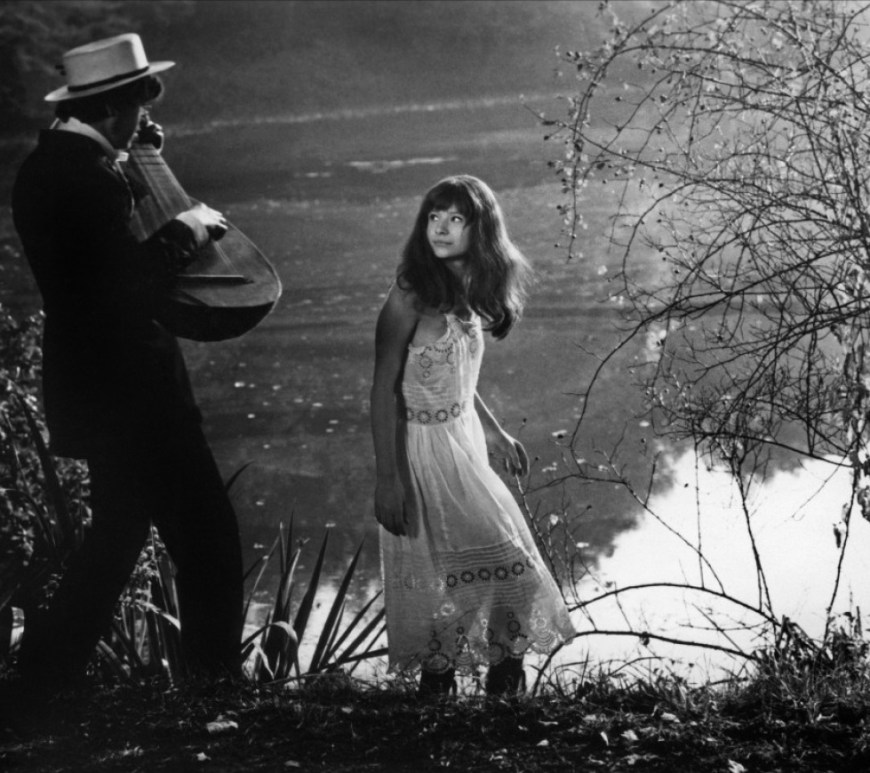
Part 1. Part 2. Part 3. Conclusions. Whilst this essay has attempted to be as detailed as possible in its readings of Valerie And Her Week Of Wonders, there’s little doubt that covering every aspect of the film would be an infinite task.  Three aspects have been considered quite deliberately in order to show the strong musical framework in which the film is built upon but … Continue reading Valerie And Her Week Of Wonders (1970) – Duality Through Sound And Vision (Part 4).

Repetition, Adorno and 71 Fragments Of A Chronology Of Chance (Haneke).

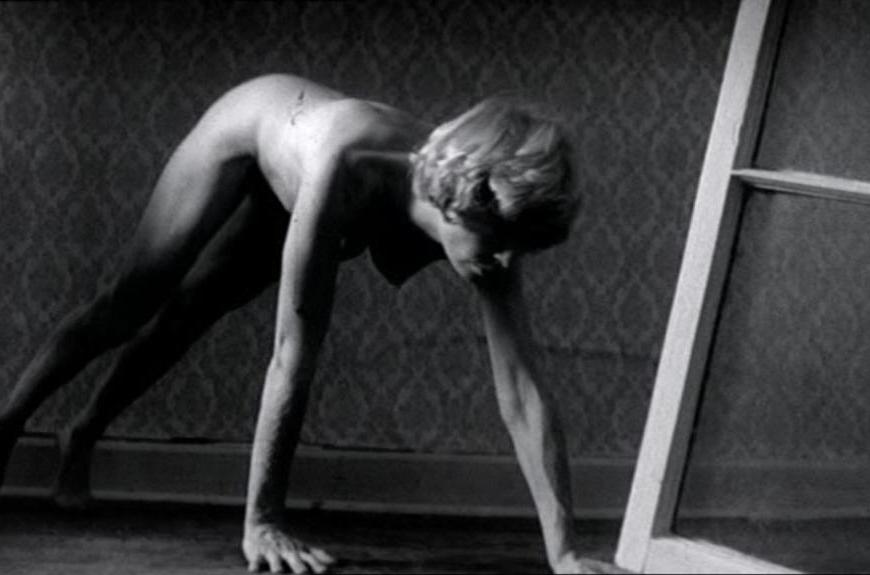
Much has been written about the stark comparisons between the cinema of Michael Haneke and the culture theories of the Frankfurt School of philosophy.  In the 2010 book, A Companion To Michael Haneke, Roy Grundmann devotes a whole essay in the volume to Theodor Adorno and the “aesthetic fragmentation” of several of Haneke’s films whilst various articles and essays spend time drawing comparisons to Haneke’s … Continue reading Repetition, Adorno and 71 Fragments Of A Chronology Of Chance (Haneke).

Electronic Music And Mental Illness In Cinema.

This article contains narrative spoilers. From its very earliest occurrences, electronic instrumentation and music has been used in cinema to signpost various aspects of mental health problems and issues within diegetic characters.  Alongside its uses in creating alien worlds, electronic instrumentation seems to, at least in the eyes of the films’ creators, have an ability to go deep within the human psyche as well as … Continue reading Electronic Music And Mental Illness In Cinema.

Philip Larkin’s Spirit in Requiem For A Village (1976)

I thought it would last my time – The sense that, beyond the town, There would always be fields and farms, Where the village louts could climb Such trees as were not cut down; I knew there’d be false alarms – Going, Going, Philip Larkin. Above is the opening stanza of Philip Larkin’s 1972 poem, Going, Going. The poem captures the sense of a world being lost. The … Continue reading Philip Larkin’s Spirit in Requiem For A Village (1976)