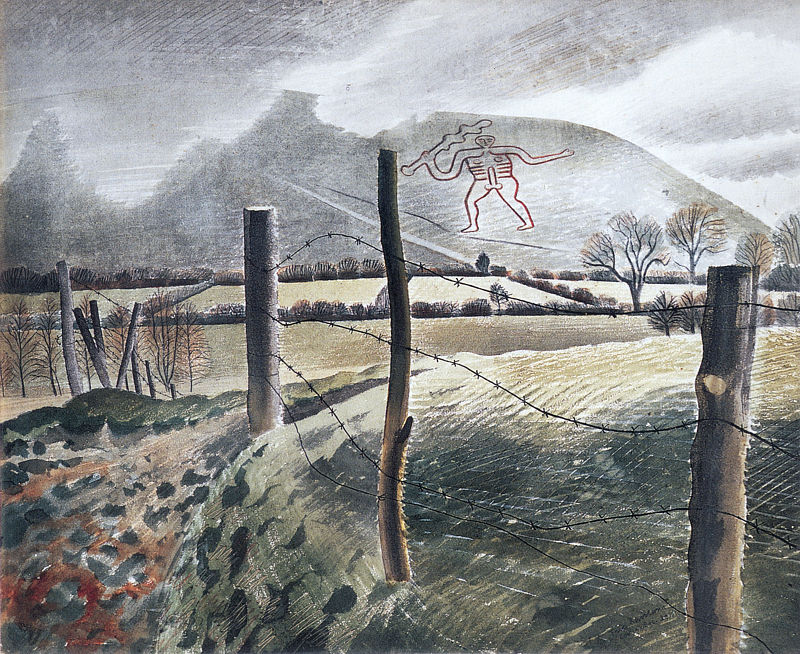
Responses: Eric Ravilious’ Cerne Abbas Giant (1939)

A naked man lies on a Dorset hill whilst another is painting him, quickly.  Eric Ravilious is on a fleeting trip to just north of Dorchester and the war, already broken out, is on his mind.  He paints the man, the land around and the humanity of the hills, quickly.  The man is the Cerne Abbas Giant, a mysterious earthwork of a primitive man with … Continue reading Responses: Eric Ravilious’ Cerne Abbas Giant (1939)

Interview: Grant Gee + James Leyland Kirby (The Caretaker) on W.G. Sebald + Hauntology

For a recent symposium on Hauntology, I gave a paper on the links between the philosophy of hauntological ideas with the work and W.G. Sebald.  The subject had been interesting me for a while, not least because the jump between the style of the former and the thematic ideas of the latter are the amalgamation that I’m currently aiming for in my own fiction writing.  … Continue reading Interview: Grant Gee + James Leyland Kirby (The Caretaker) on W.G. Sebald + Hauntology

Fictions: Brakhage’s Dæmon

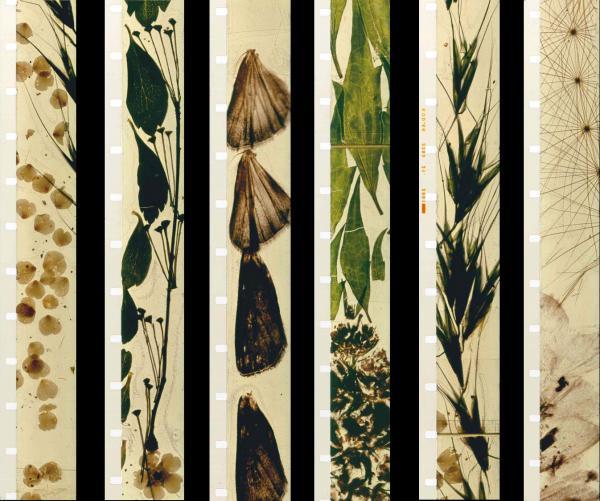
I once had a friend who taught cinema theory at La Fémis in Montmartre.  Dr. Stefan Fischer was an expert in early film art and was particularly interested in the role of celluloid in early screenings and installations.  It was the celluloid, so he often told me, that allowed early film art to proliferate towards abstraction.  Though we taught at different institutes and on differing … Continue reading Fictions: Brakhage’s Dæmon

Wanders: Paris & Cinema

I had, for some time, been wanting to dive into the city of Paris but had, for unconscious reasons, always put it off.  I could never figure out truly why the thought of this city had both a powerful draw and a hand pushing on my chest to keep my distance but, after finally visiting this summer, I knew the reason why.  It was because … Continue reading Wanders: Paris & Cinema

Politics of Sequence in Code Unknown (2000, Michael Haneke)

Even before the recent events that occurred in Charlottesville, a certain scene from Michael Haneke’s 2000 film, Code Unknown (Code Inconnu), had been repeatedly playing on a loop in my mind’s eye.  I quietly admitted to myself recently that the scene in question is without a doubt the most telling and poignant dramatic escalation I have seen in twenty-first-century cinema and it seems to show … Continue reading Politics of Sequence in Code Unknown (2000, Michael Haneke)

Owls and Flowers: Alan Garner’s The Owl Service At 50

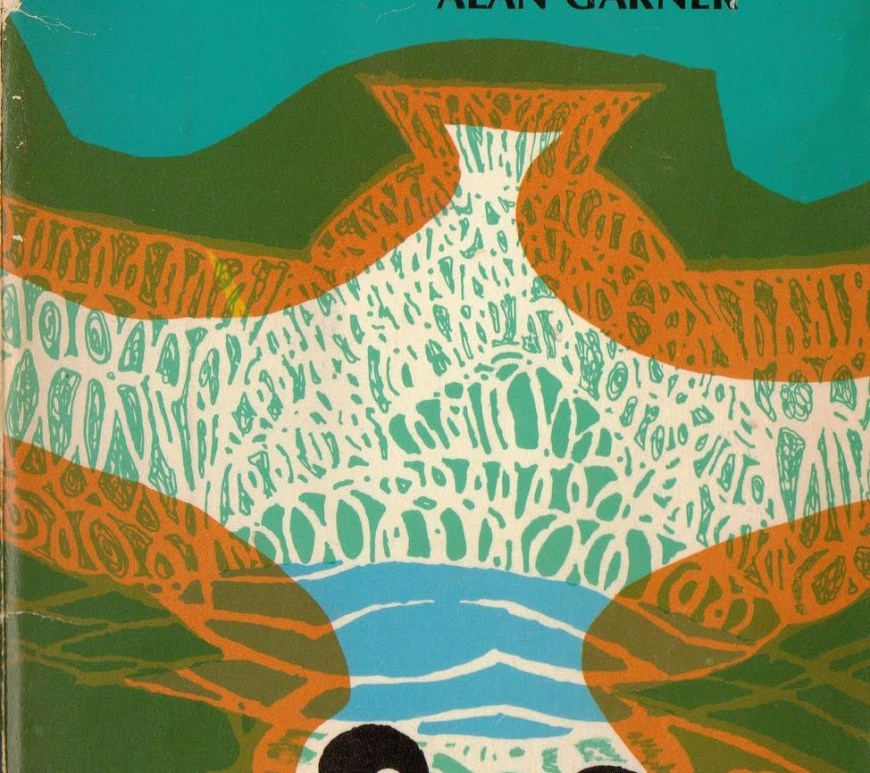
I cannot remember when exactly I first read Alan Garner’s The Owl Service (1967). Like its inspiration, The Mabinogion, or the Stone of Gronw that sits at the centre of its mystery, it seems to have always been there. It’s an unusual feeling because the novel is not particularly old by standards of literature – it turns fifty on the 21st of August – and yet it feels old. It may … Continue reading Owls and Flowers: Alan Garner’s The Owl Service At 50

Chasing The Ghost – Excavating Sebald’s Portraits

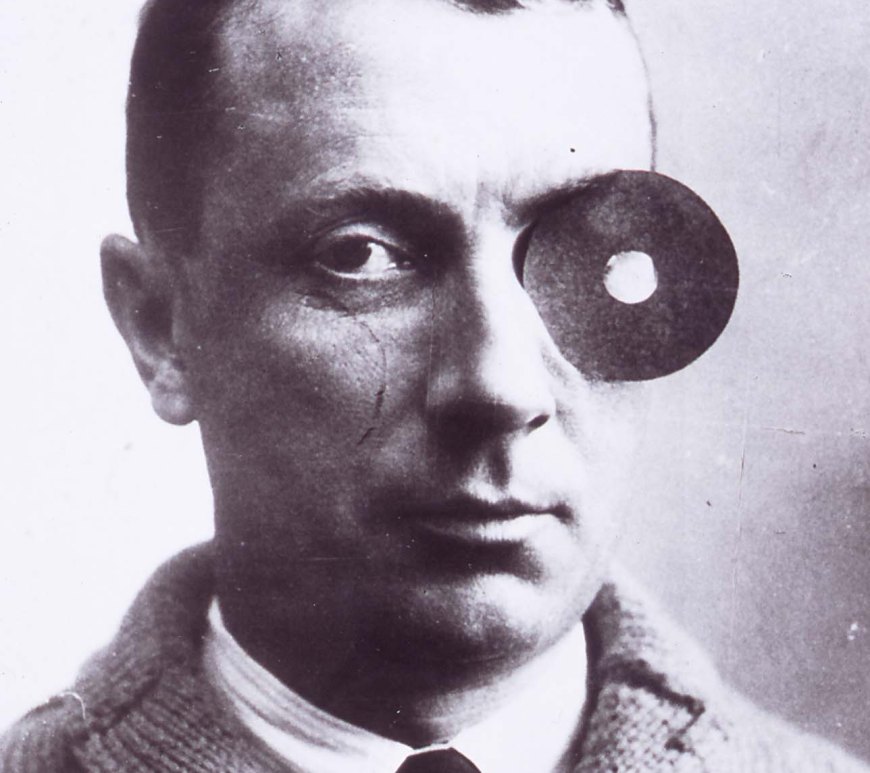
So much has been written about W.G. Sebald and the use of photographs in his novels that it seems almost fruitless to write further around the subject.  With it being one of the defining features of his work, and with a rapidly increasing library of volumes and handbooks exploring the writer’s legacy, I struggled to initially frame the subject I want to write about here: … Continue reading Chasing The Ghost – Excavating Sebald’s Portraits

Responses: Hole In The Sea (1969, 1970), Barry Flanagan

I have never seen Barry Flanagan’s short video piece, Hole In the Sea (1969), yet I’m not quite sure if I ever quite want to.  The short piece, filmed by Flanagan with Gerry Schum in Holland for a Land Art TV exhibition, currently exists in colour and in black & white, contained variously in the Pompidou archive in Paris and the Stedelick Museum in Amsterdam.  … Continue reading Responses: Hole In The Sea (1969, 1970), Barry Flanagan

Wanders: Two Notting Hills

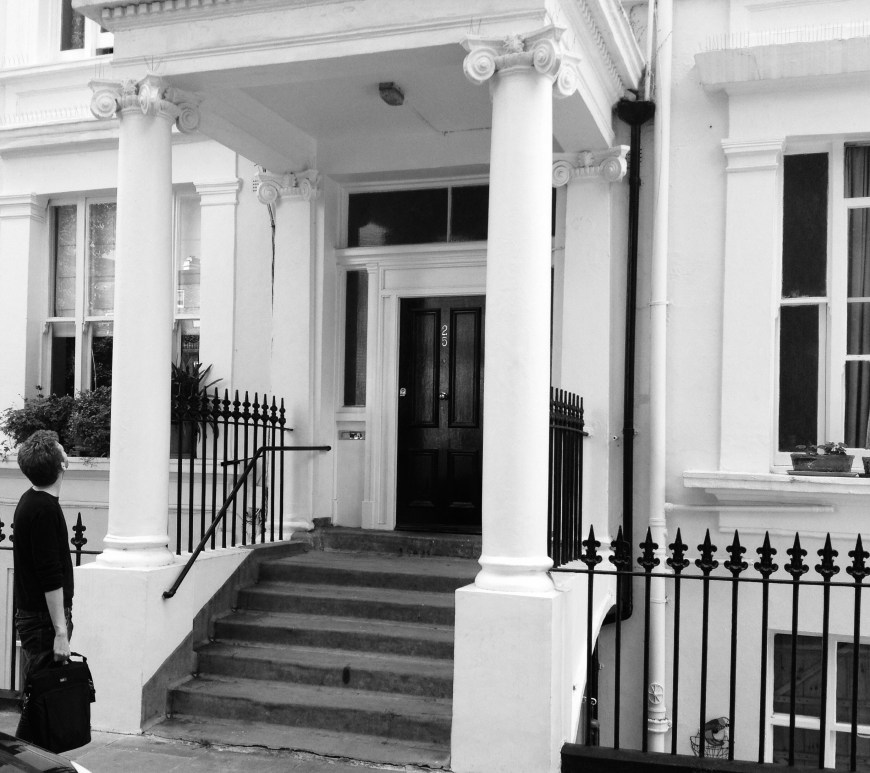
For some time now, I’ve been wandering around Notting Hill attempting to get under its skin.  For many years, even before I moved to London, there was something that struck me about both the level of contrasts in the area and how such contrasts were reflected in film history and locations.  Even recently, I have been engaged on a film project set around both Ladbroke … Continue reading Wanders: Two Notting Hills