The Ghost In The Grain: Analogue Hauntings of the 1970s

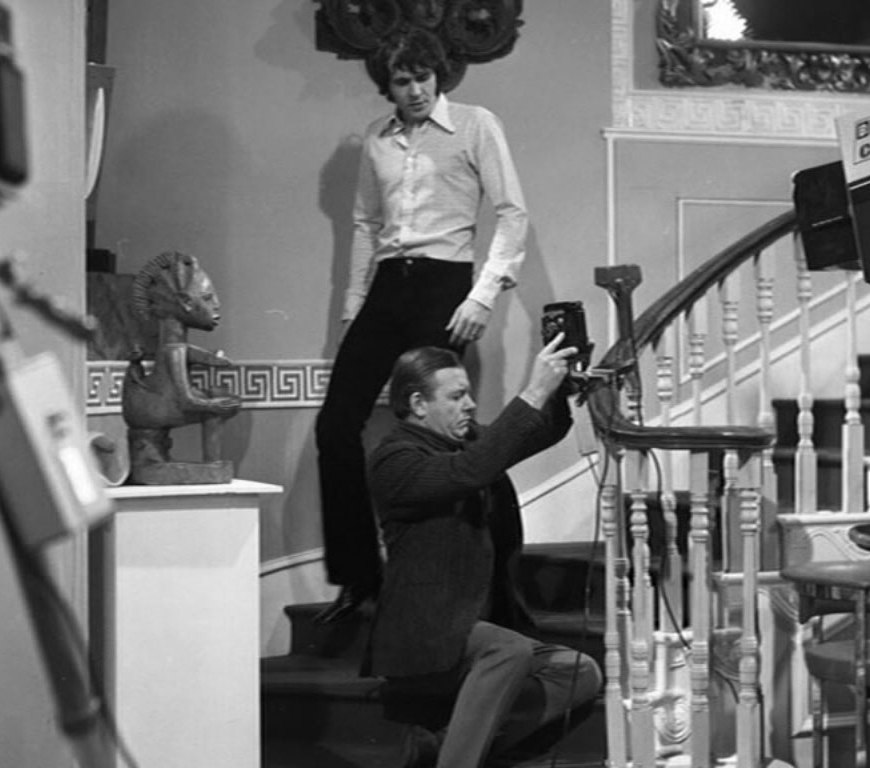
This presentation was originally given at the Folk Horror Revival day at The British Museum (16/02/2016).  My thanks to the fellow admins of the Folk Horror Revival, especially Jim Peters and Andy Paciorek. There’s an overt connection between analogue technology and the narratives surrounding paranormal activity in British horror, especially when made during the 1970s.  No doubt there are connections between the interest in such … Continue reading The Ghost In The Grain: Analogue Hauntings of the 1970s

Trailer – No Diggin’ Here.

There are few writers that figure more prominently in everything I do than the teller of beautiful Edwardian ghost stories, M.R. James.  Alongside W.G. Sebald, J.G. Ballard, Alan Garner and Virginia Woolf, his writing holds a great power over me with its familiar yet unfamiliar worlds.  His writing preys upon my mind at regular intervals, even outside of the Christmas period from which they were … Continue reading Trailer – No Diggin’ Here.

Wire and Grass Landscapes

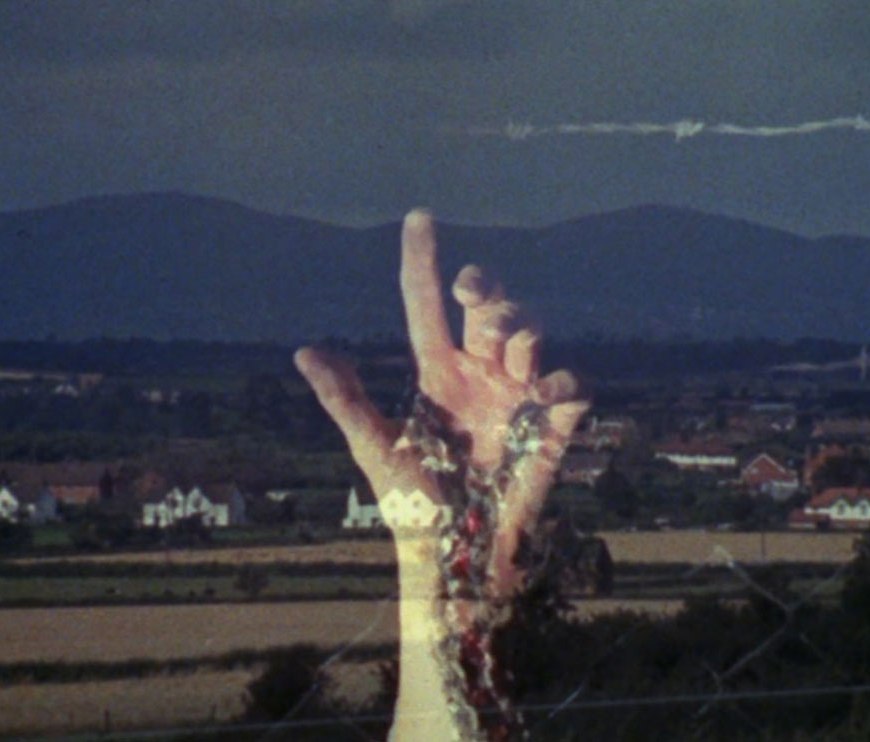
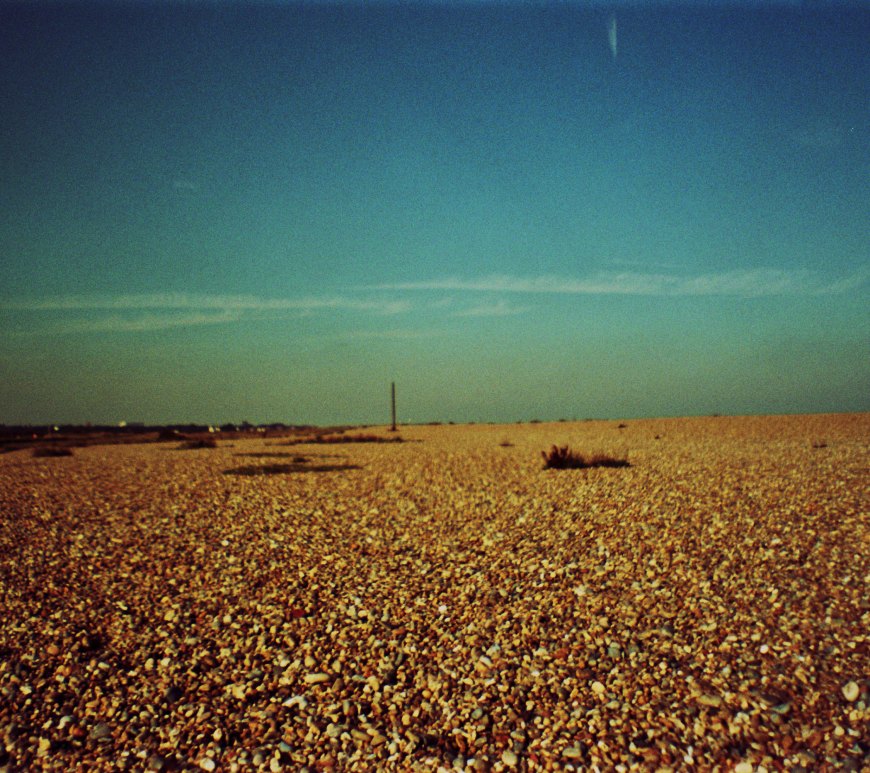
At the recent Alchemical Landscape conference in Cambridge, there was some interesting discussion of the landscape seen in the opening segment of Alan Clarke and David Rudkin’s Play for Today episode, Penda’s Fen (1974). The point of the discussion was to show the subversive nature of the opening titles of the film in regards to its melding of two potentially differing realities of English landscape. … Continue reading Wire and Grass Landscapes

Poetics of Visual Space in Ian Nairn’s “Nairn Across Britain” (1972).

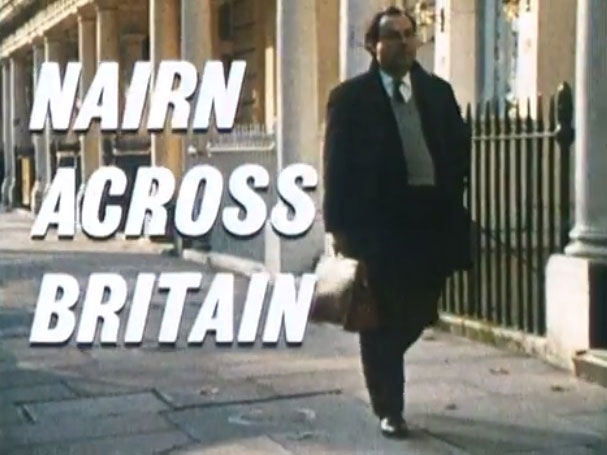
In the 1980’s introduction to the repeated BBC Ian Nairn series, Nairn Across Britain (1972), Jonathan Meades suggests that the series still managed to capture Nairn’s sense of poetics and character in spite of “the filming techniques seeming a bit dated, as nothing dates quite like the recent past”.  Though Meades is right in his effusing about Nairn’s character – an endlessly watchable, impassioned, melancholic … Continue reading Poetics of Visual Space in Ian Nairn’s “Nairn Across Britain” (1972).

Hauntology Of The Dead Past (1965) – Out Of The Unknown.

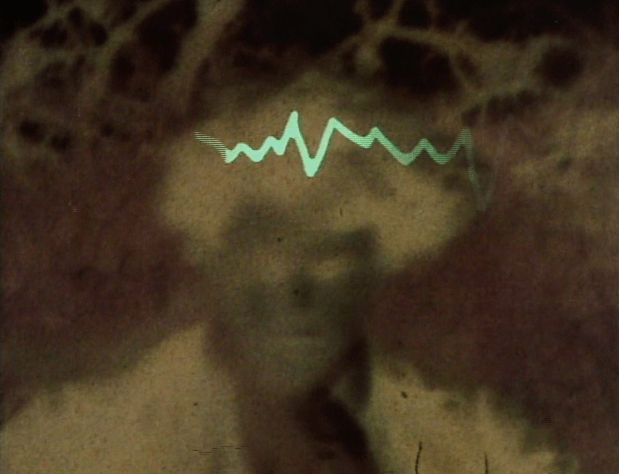
The BBC Science-Fiction anthology series, Out Of The Unknown (1965-1970), was famous for producing a wide range of intellectual sci-fi drama, exploring ideas and concepts more than spectacle and scale.  With adaptations from a range of writers, including John Wyndham and J.G. Ballard, the surviving episodes of the series are both stimulating and useful in terms of 21st century aesthetic philosophy.  The feeling that the … Continue reading Hauntology Of The Dead Past (1965) – Out Of The Unknown.

Communicative Reality in The Lover (1963) – Harold Pinter.

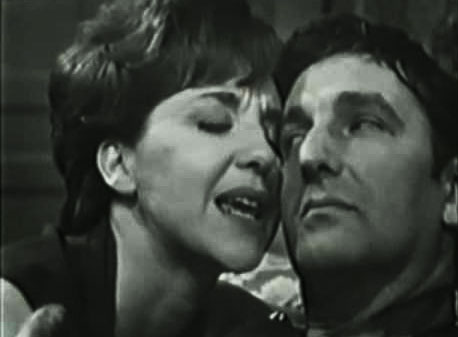
This article contains plot twists. Harold Pinter’s The Lover was a script first publically showcased as a television play in March 1963[i] before it went on for a theatre run a few months later starting from September that year.  As a model of how Pinter plays on words and the natural duel meaning found explicitly within the English language, it develops on several ideas that would … Continue reading Communicative Reality in The Lover (1963) – Harold Pinter.

Walking “A Warning To The Curious” (M.R. James).

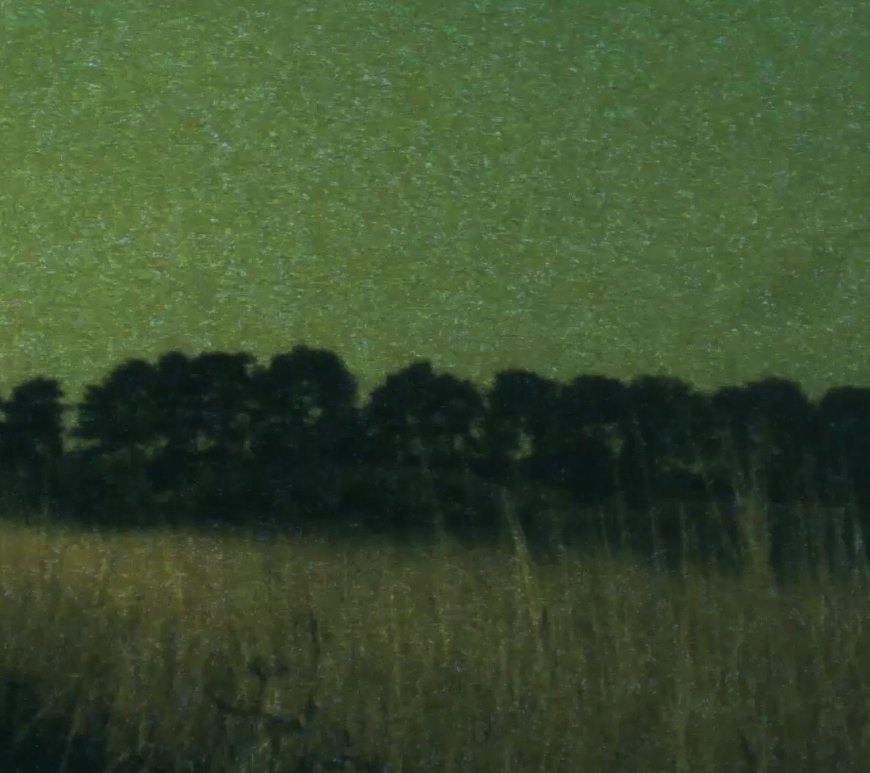
A few years back, whilst on holiday in Norfolk, I began exploring some of locations used for the BBC’s famous M.R. James adaptations, specifically for Lawrence Gordon Clark’s adaptation of A Warning To The Curious (1972).  Though I had been far from thorough in this escapade (I completely missed the film’s most iconic structure in the church at Happisburgh), on finding myself in Suffolk, I … Continue reading Walking “A Warning To The Curious” (M.R. James).

Analogue Ghosts of the 1970s And Hauntology.

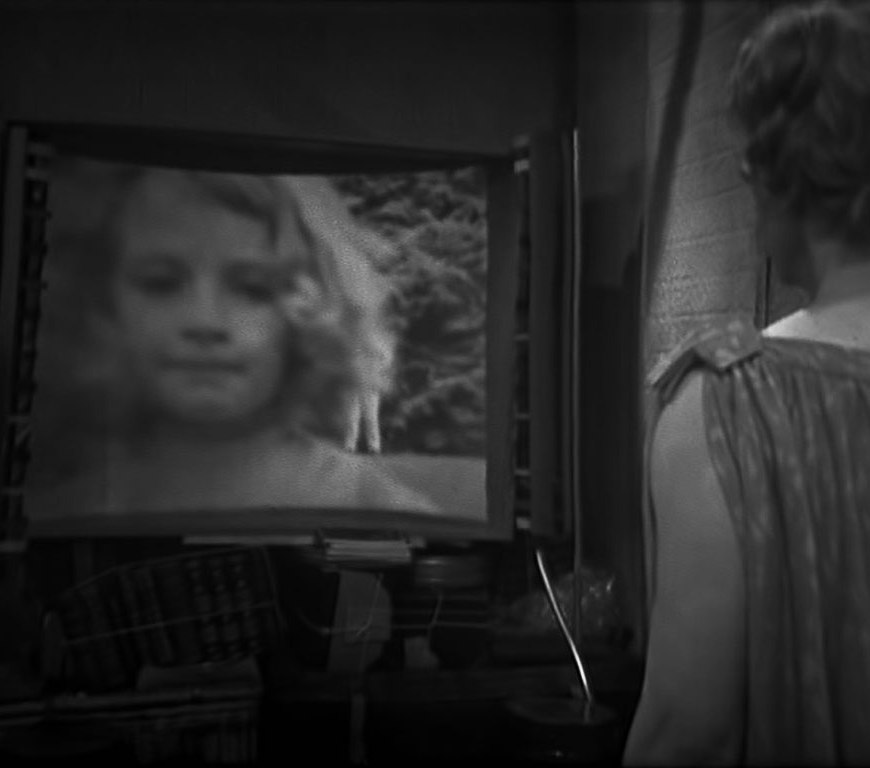
There seems to be an overt connection between analogue recording technology (of both the visual and aural varieties) and the narratives surrounding paranormal activity in 1970s British fantasy television.  Of course, there are no doubt connections between the interest in such activity (with the genuine events surrounding the Enfield Haunting for example, recently made into a drama on Sky) and the technological means of the … Continue reading Analogue Ghosts of the 1970s And Hauntology.

The Urban Wyrd

One of the key criticisms of theories surrounding the genre Folk Horror is its emphasis upon the rural landscape. How can a genre really encompass such rural horror films as Witchfinder General (1968) and The Wicker Man (1973) while also discussing more urban-set horrors such as Quatermass and the Pit (1967)? While key works of Folk Horror cinema seem to broadly focus on rural landscapes to set … Continue reading The Urban Wyrd

Questioning Nostalgia In Folk Horror.

As the Folk Horror canon expands into more forms of media and territory, the Folk Horror Chain becomes less useful as a tool for looking at thematic material.  This is partly due to it being derived as an idea from one medium and one that is explicitly narrative based.  Yet, some of its ideas can be loosely translated into the area of reception studies of … Continue reading Questioning Nostalgia In Folk Horror.