“Wyrd” Wirral – Spirits Of Place (02/04/2016)

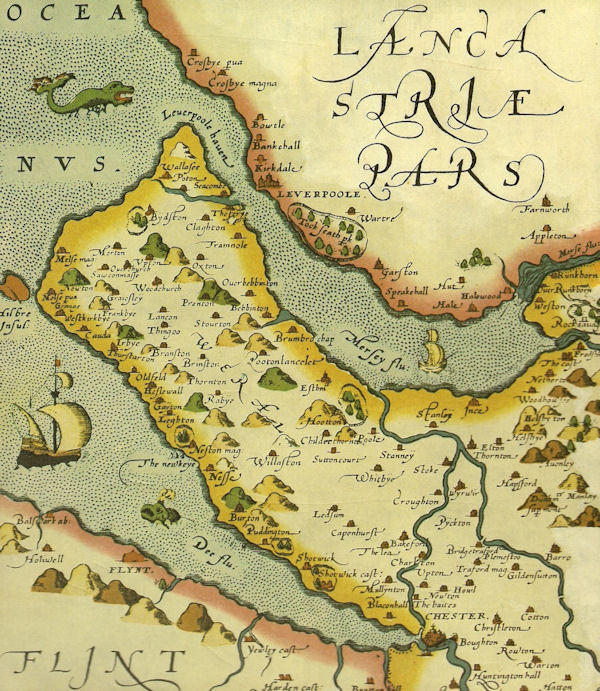
This is an edited version of the paper given at Spirits Of Place in Calderstones Park, Liverpool 02/04/2016.  My thanks to John Reppion and Leah Moore for organising the event and for to the other excellent speakers (Gill Hoffs, David Southwell, Gary Budden, Kenneth Brophy, Richard Macdonald, Ian “Cat” Vincent and Ramsey Campbell).  Here’s to the next one. There is strange landmass on the opposite … Continue reading “Wyrd” Wirral – Spirits Of Place (02/04/2016)

Stasis In London (1994) – Patrick Keiller.

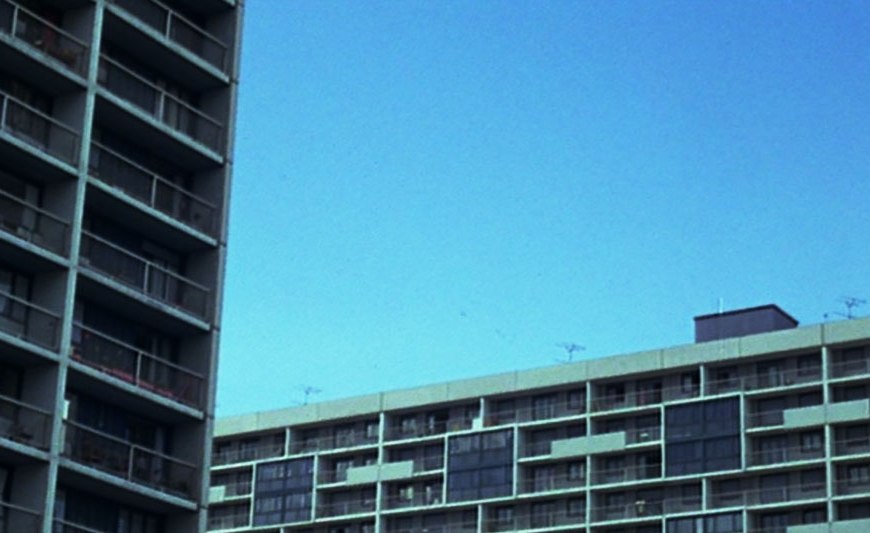
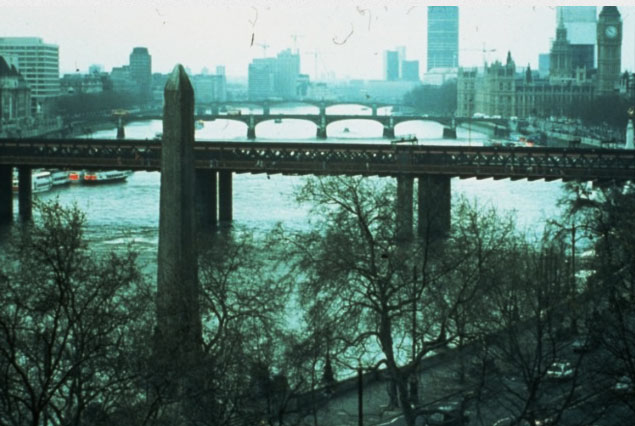
On watching all of Patrick Keiller’s “Robinson” trilogy of films recently, it struck home how effectively stillness within a visual frame can traverse the geographical plain and recreate a journey that is both political and sociological.  This, of course, goes to the heart filmmaking itself, the relationships with cuts especially and its portrayal of time, space and movement within a diegetic reality all being key … Continue reading Stasis In London (1994) – Patrick Keiller.

The Nowhere Road in The Discreet Charm Of The Bourgeoisie (1972)

The Discreet Charm Of The Bourgeoisie (1972) is a perfect example of a narrative film fragmenting into surreal dreamscapes. From its title alone, Luis Buñuel’s obvious target is middle-class idolatry but, for a film full of incredibly stark images, there is one visual motif which stands out from the other surrealist political attacks. Discreet is punctuated, whether in dreams or reality (or perhaps both), by … Continue reading The Nowhere Road in The Discreet Charm Of The Bourgeoisie (1972)

Ghosts in the Ice

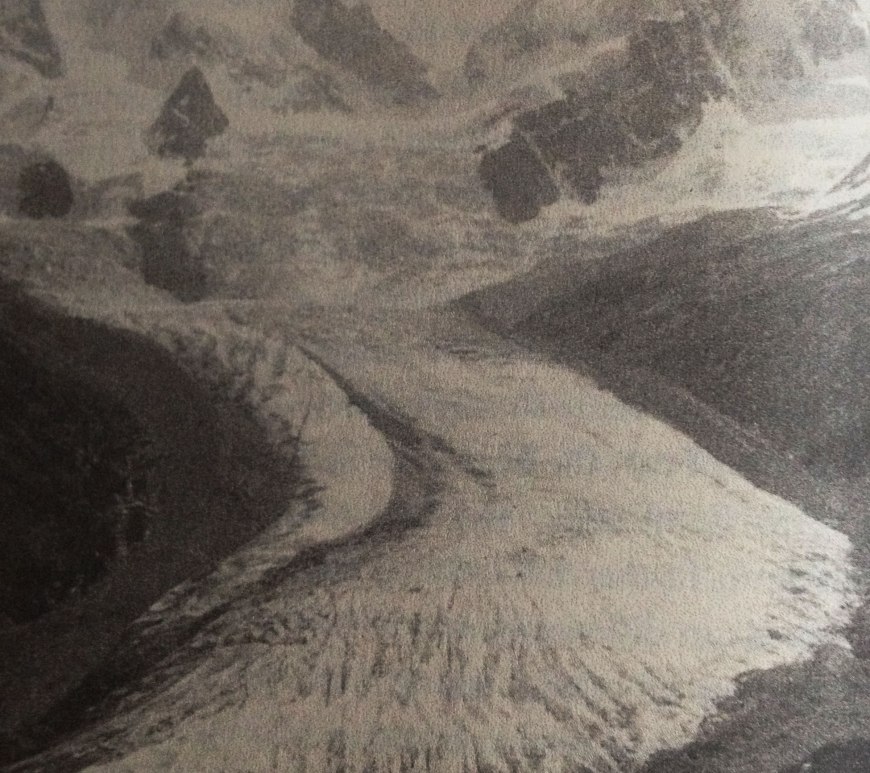
On finishing W.G. Sebald’s novel The Emigrants (1992), it felt as if some loose connection to a recent film or book was left hanging mid-air. The narrative of Sebald’s novel is split into the stories of four émigrés, all seemingly interconnected by a multitude of strange images but chiefly by their fleeing from the rise of Nazi Germany. The connection didn’t seem to be so … Continue reading Ghosts in the Ice

Libidinal Circuits

Jean-Luc Godard always had an interest in the relationship between politics and the spaces it influences. The topographies of modernity happened to coincide with his sharp turn towards cinematic political questioning, in films such as Tout Va Bien (1972), La Chinoise (1967), and Week-end (1967), looking in particular at a factory, an inner-city flat/Maoist commune, and a busy roadway. These spaces provided more than a backdrop for Godard’s political arguments: they seemed to actually … Continue reading Libidinal Circuits

Fear And Loathing In The Countryside – Withnail And I (1987).

British cinema is obsessed with the effect of location upon the individual.  In fact, it wouldn’t be so sweeping to suggest that large swaths of culture born on these isles stems from the idea that the individual can be deeply molded by their surroundings and any fictional drama from Albion will be bare the aesthetics of its areas as far more than a setting.  While … Continue reading Fear And Loathing In The Countryside – Withnail And I (1987).

2015 Top 10 (New Releases and First Time Viewings).

New releases As often stated at the beginning of my end of year reviews, I’ve struggled to keep up with the year’s new releases.  Every year, so much more new cinema is put out there for consideration that I doubt keeping track is financially viable or creatively of point; the huge shift in quantity, over the last five years especially, most definitely has not lead … Continue reading 2015 Top 10 (New Releases and First Time Viewings).

Murder In The Cathedral (1952) – George Hoellering (BFI).

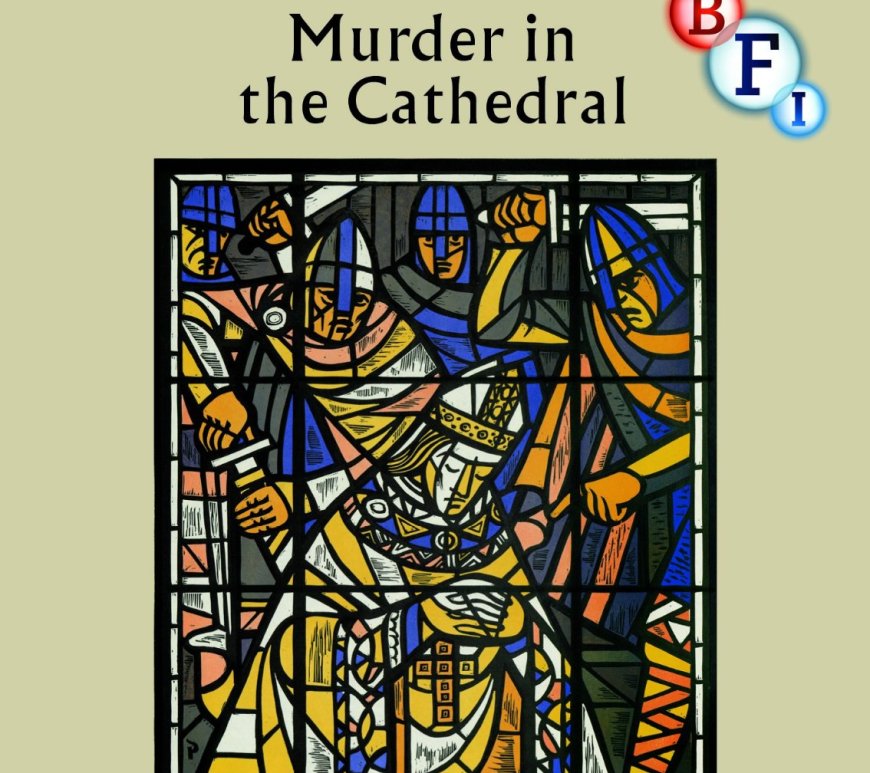
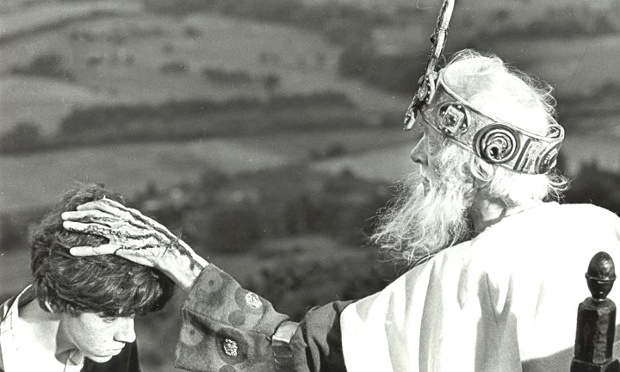
British cinema in the early 1950s appears to have been fond of experimenting with other art forms.  Powell and Pressburger were transplanting opera and dance into the form in their colour zoetrope Offenbach amalgamation, The Tales Of Hoffmann (1951) (and slightly earlier in The Red Shoes (1948)) whilst Laurence Olivier was continuing his melding of Shakespearean theatre with celluloid in Richard III (1955).  The great … Continue reading Murder In The Cathedral (1952) – George Hoellering (BFI).

The Breeze In The Grass – Elemental Realisation in Tarkovsky’s Mirror (1975).

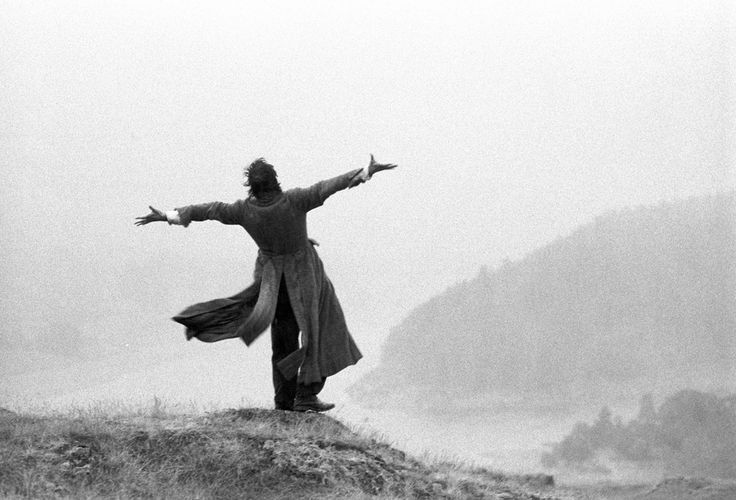
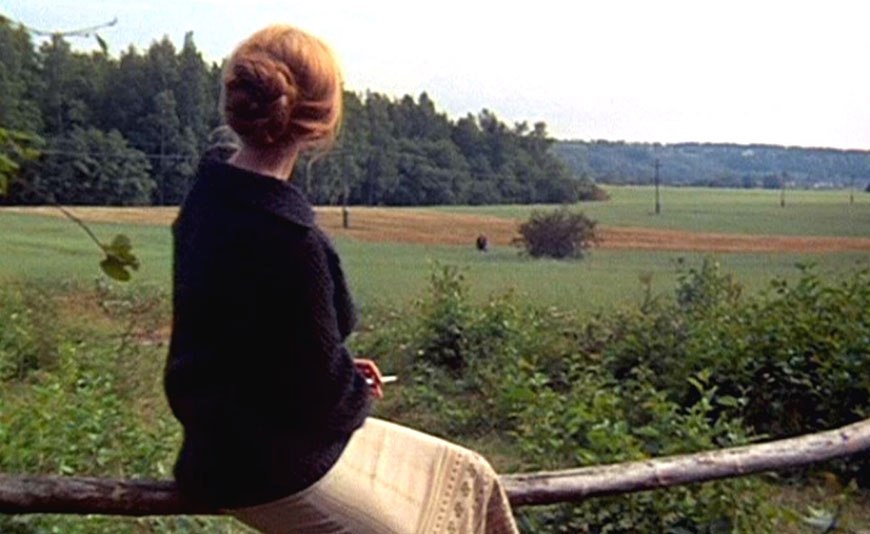
In last month’s issue of Sight & Sound (November, 2015) Nick James details his relationship with the cinema of Andrei Tarkovsky in line with the season of films he’s curated for the BFI.  Though the article is chiefly surrounding Tarkovsky’s (vast) legacy, one aspect in particular caught my attention whilst reading.  He refers to a scene from Tarkovsky’s 1975 film, Mirror, which partly accounted for … Continue reading The Breeze In The Grass – Elemental Realisation in Tarkovsky’s Mirror (1975).

Ritual And Identity in Penda’s Fen (1974) – Alan Clarke.

The relationship between myth and ritual has been often debated within anthropology ever since its Victoriana days of enlightened scientific thinking through the prism of evolution and the birth of mechanisation and industrial blight.  The idea of returning to the “primacy of ritual”, where whole belief systems stem as a result from repeated actions or events, is a common theme of exploration in Folk Horror as … Continue reading Ritual And Identity in Penda’s Fen (1974) – Alan Clarke.