Ghosts in the Ice

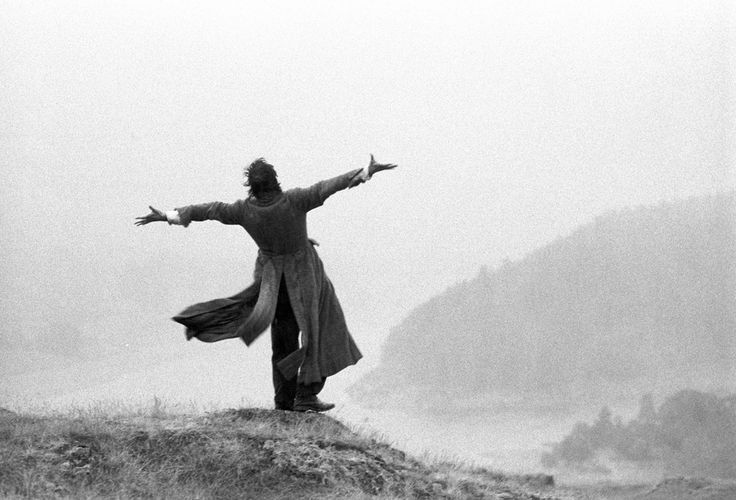
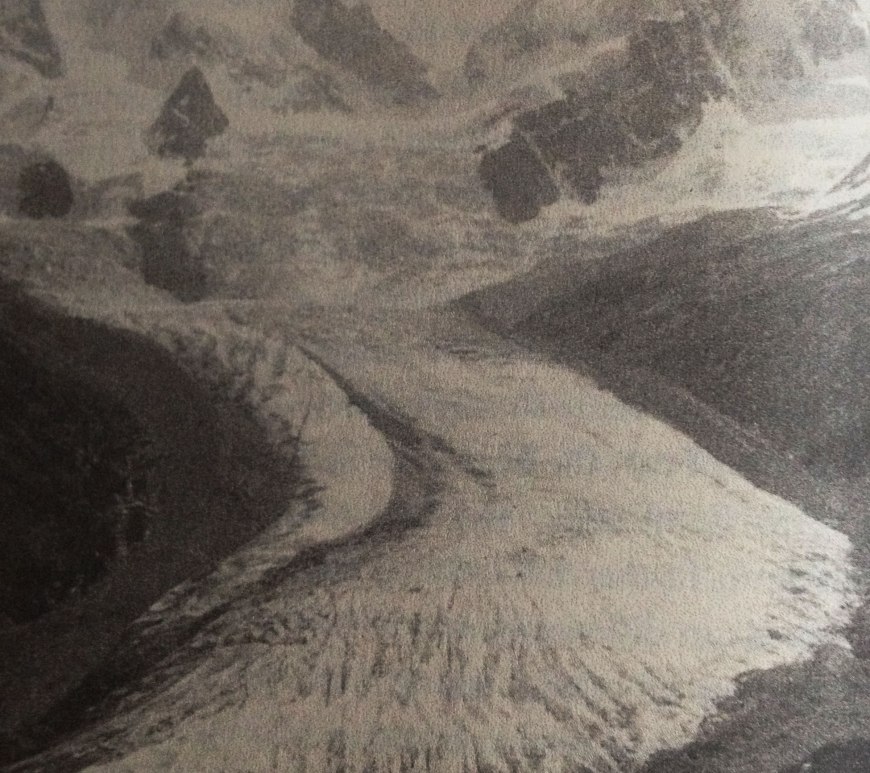
On finishing W.G. Sebald’s novel The Emigrants (1992), it felt as if some loose connection to a recent film or book was left hanging mid-air. The narrative of Sebald’s novel is split into the stories of four émigrés, all seemingly interconnected by a multitude of strange images but chiefly by their fleeing from the rise of Nazi Germany. The connection didn’t seem to be so … Continue reading Ghosts in the Ice

Libidinal Circuits

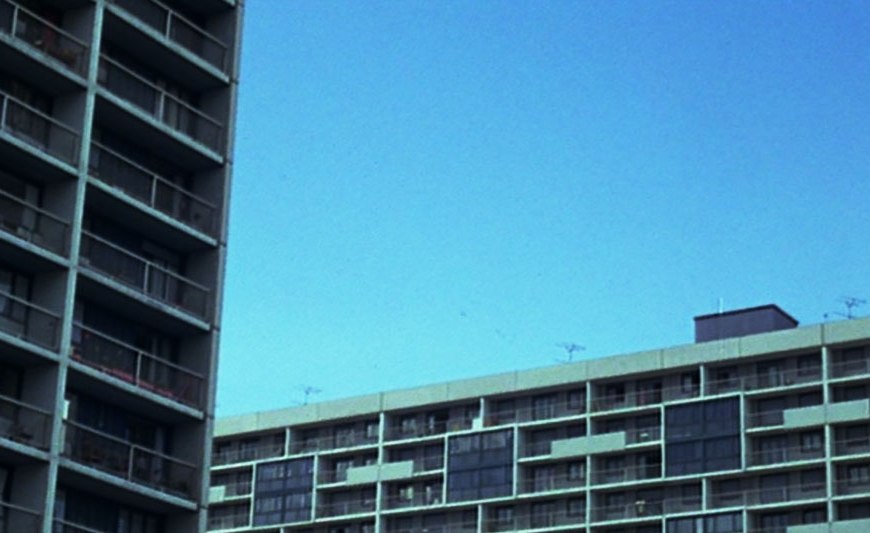
Jean-Luc Godard always had an interest in the relationship between politics and the spaces it influences. The topographies of modernity happened to coincide with his sharp turn towards cinematic political questioning, in films such as Tout Va Bien (1972), La Chinoise (1967), and Week-end (1967), looking in particular at a factory, an inner-city flat/Maoist commune, and a busy roadway. These spaces provided more than a backdrop for Godard’s political arguments: they seemed to actually … Continue reading Libidinal Circuits

Wanders: The M53 Cavern (A Northern Concrete Island)

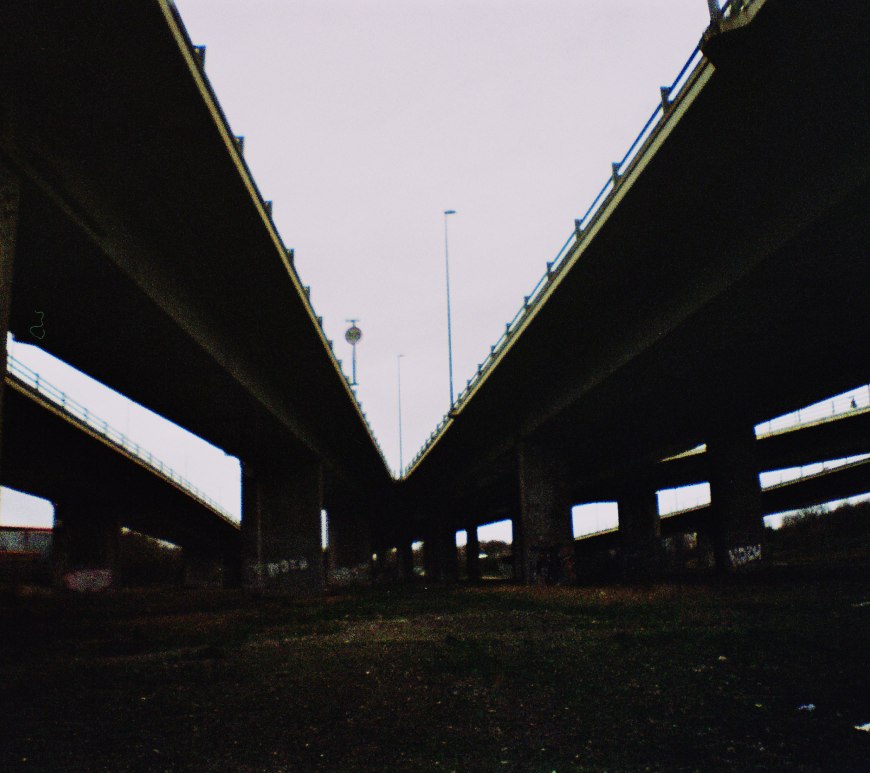
Somewhere in this nexus of concrete and structural steel, this elaborately signalled landscape of traffic indicators and feeder roads, status and consumer goods, Vaughan moved like a messenger in his car…  – Crash (1973), J.G. Ballard In the dead space before Christmas 2015, I found myself meandering back towards my old secondary school on The Wirral peninsula, one of only two things that I still … Continue reading Wanders: The M53 Cavern (A Northern Concrete Island)

Responses: Blind Landings (2013) – Jane And Louise Wilson.

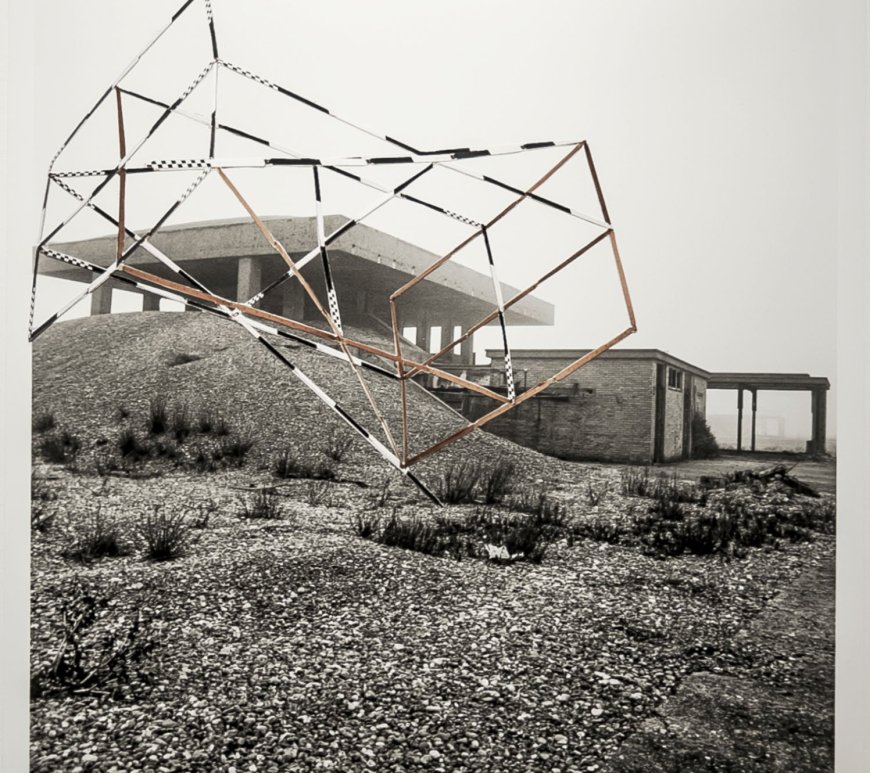
Debris degrades and degradation can be measured but can art be this measurement?  Orford Ness in Suffolk, a former atomic weapons mechanism research and testing facility, doesn’t ask these questions but the place has attracted such a huge number of artists to its shores that the question of creativity and its role as a reaction to such politically doused spaces cannot help but be evoked.  … Continue reading Responses: Blind Landings (2013) – Jane And Louise Wilson.

Fear And Loathing In The Countryside – Withnail And I (1987).

British cinema is obsessed with the effect of location upon the individual.  In fact, it wouldn’t be so sweeping to suggest that large swaths of culture born on these isles stems from the idea that the individual can be deeply molded by their surroundings and any fictional drama from Albion will be bare the aesthetics of its areas as far more than a setting.  While … Continue reading Fear And Loathing In The Countryside – Withnail And I (1987).

Salthouse Marshes (Ghost Story).

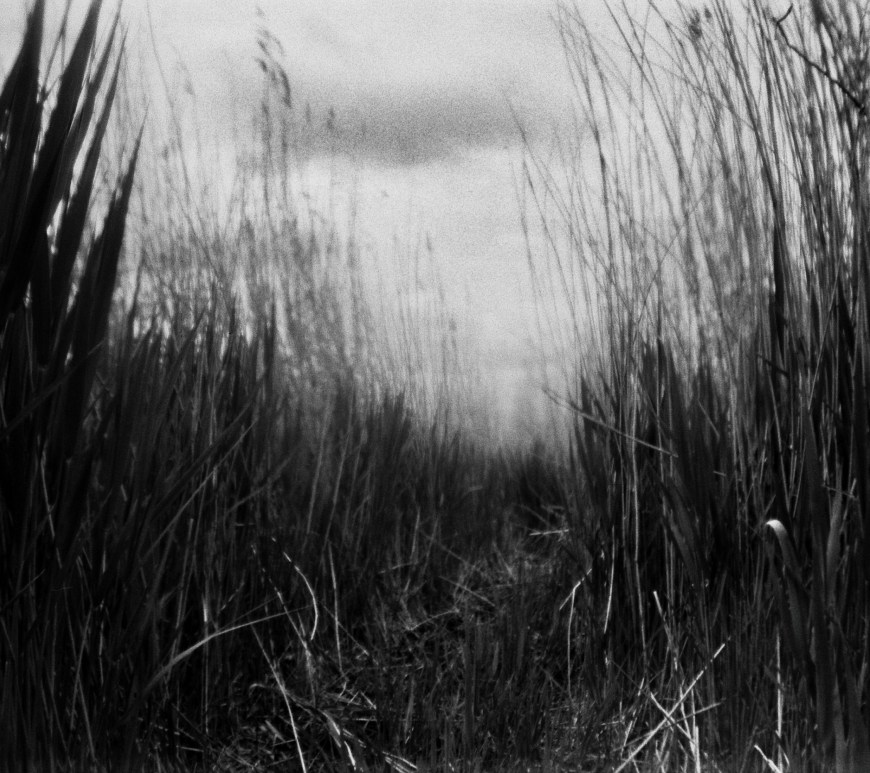
In October I released a ghost story for Halloween.  It was partly inspired by Algernon Blackwood’s The Willows, but the majority of its actual narrative structure (especially in terms of character) came from a short story of my own inspired as well by Blackwood’s story.  As it’s near Christmas, the original story is presented below.  It’s very typically Jamesian and should be read late at night … Continue reading Salthouse Marshes (Ghost Story).

Showreel 2015.

Above is a showreel built from footage I’ve shot over the last twelve months.  Compared to last year’s showreel, this one feels far more defined and less haphazard with the visual ideas I want to play with.  Gone are the mixtures of stop-motion, digital and film, instead replaced entirely by different stocks of super-8 footage.  This year has felt like a much more defined trajectory … Continue reading Showreel 2015.

2015 Top 10 (New Releases and First Time Viewings).

New releases As often stated at the beginning of my end of year reviews, I’ve struggled to keep up with the year’s new releases.  Every year, so much more new cinema is put out there for consideration that I doubt keeping track is financially viable or creatively of point; the huge shift in quantity, over the last five years especially, most definitely has not lead … Continue reading 2015 Top 10 (New Releases and First Time Viewings).

Communicative Reality in The Lover (1963) – Harold Pinter.

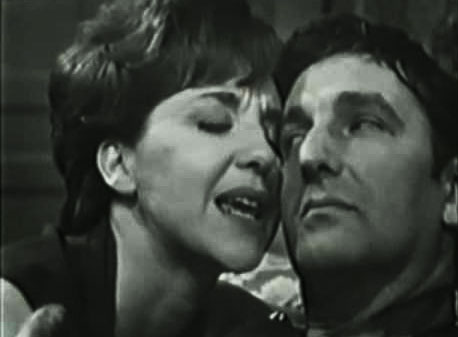
This article contains plot twists. Harold Pinter’s The Lover was a script first publically showcased as a television play in March 1963[i] before it went on for a theatre run a few months later starting from September that year.  As a model of how Pinter plays on words and the natural duel meaning found explicitly within the English language, it develops on several ideas that would … Continue reading Communicative Reality in The Lover (1963) – Harold Pinter.

Murder In The Cathedral (1952) – George Hoellering (BFI).

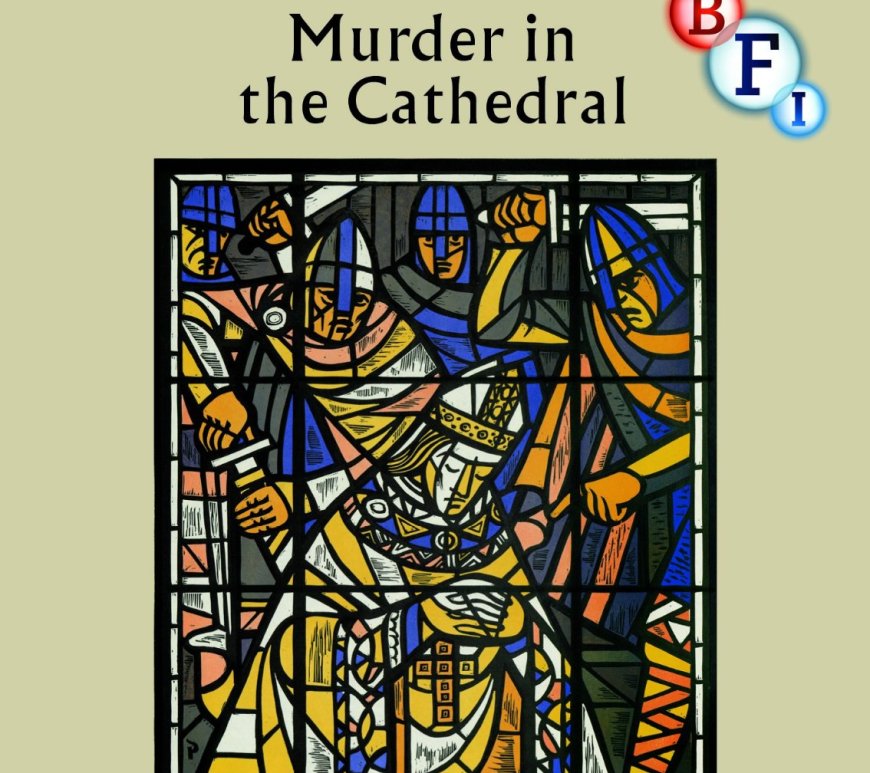
British cinema in the early 1950s appears to have been fond of experimenting with other art forms.  Powell and Pressburger were transplanting opera and dance into the form in their colour zoetrope Offenbach amalgamation, The Tales Of Hoffmann (1951) (and slightly earlier in The Red Shoes (1948)) whilst Laurence Olivier was continuing his melding of Shakespearean theatre with celluloid in Richard III (1955).  The great … Continue reading Murder In The Cathedral (1952) – George Hoellering (BFI).