The Red Shoes (Powell & Pressburger) – Visual Forms of Diegesis.

The audio-visual theory of diegesis probably does have some form of basic, traditional film theory equivalent.  The splitting of film sound into what the characters and the audience can hear and the differences and problems this can cause are the basis for so much, often excessive, film sound theory.  For a film such as Michael Powell and Ernest Pressburger’s The Red Shoes (1948), the audio … Continue reading The Red Shoes (Powell & Pressburger) – Visual Forms of Diegesis.

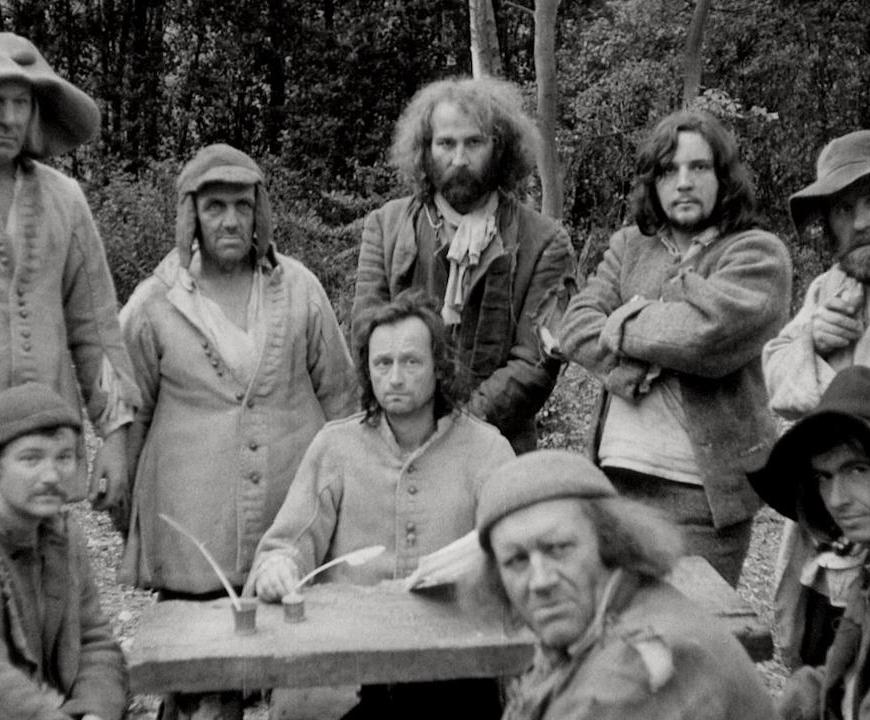
Winstanley (Kevin Brownlow and Andrew Mollo) – Landscape Politics and Folk Aesthetics.

Though more famous and widely recognised for film restoration and archiving (for which he received an Academy Award for) Kevin Brownlow’s second shared feature film with Andrew Mollo, Winstanley (1975), is a masterpiece of traditional, historic cinema.  It not only captures the feel of the era that produced an amalgamation of tradition-based horror cinema but showed that, through using a number of classical cinematic techniques, … Continue reading Winstanley (Kevin Brownlow and Andrew Mollo) – Landscape Politics and Folk Aesthetics.

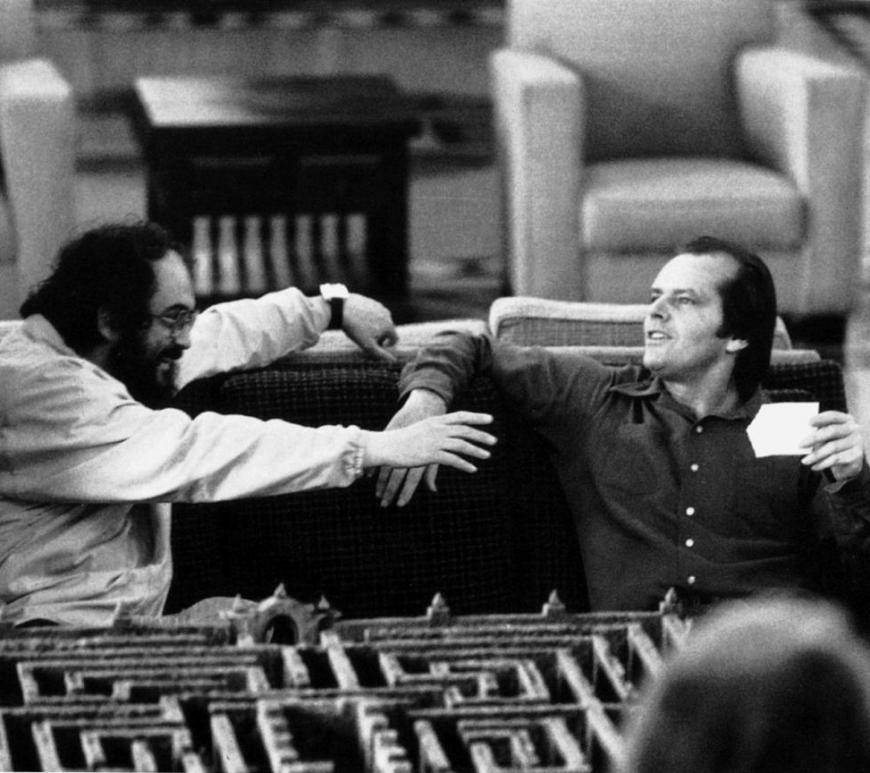
The Shining – Legacy of Balance In Horror Film Scores.

While writing about a perceived pivoting moment in horror film scores for a research essay last year, I briefly mentioned towards the end of what I termed “a legacy of balance” within horror film music and film scores.  With the word limitations on that essay meaning that the point was only vaguely surmised with a handful of explanations, I wanted to go further into what … Continue reading The Shining – Legacy of Balance In Horror Film Scores.

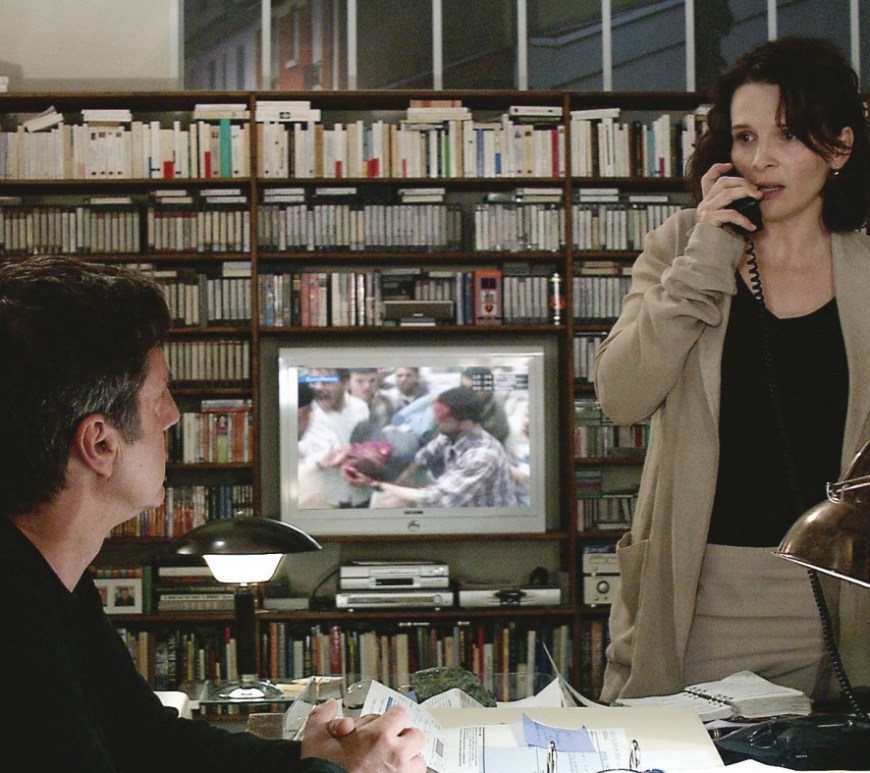
Hidden (2005) And The Mysteries of VHS Aesthetics – Michael Haneke

It hasn’t taken long for the medium of VHS to enter the realm of retrograde chic.  During the 2010 Liverpool Biennal Contemporary Arts festival, one of the main pieces that stood out was actually an independent sculpture made entirely for VHS cassettes; spools of tape spilling out onto the floor while Videodrome-like screens played fuzzy images of recorded images.  The medium now occupies that same … Continue reading Hidden (2005) And The Mysteries of VHS Aesthetics – Michael Haneke

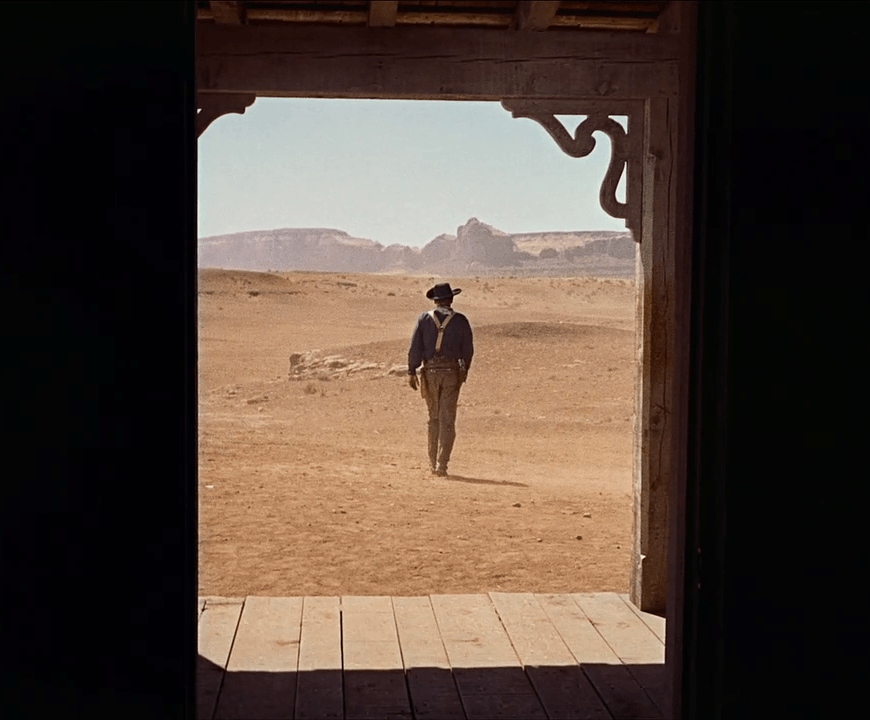
John Ford And The Visual Representation Of Emotion And Belief – (The Searchers, Stagecoach and Fort Apache)

John Ford is such an obvious enigma; it’s not surprising that the new wave of American film makers became obsessed with his methods and persona.  The awkwardness that exudes from the famously sparse interview with Peter Bogdanovich highlights well the portrayal of relationships in Ford’s films; namely that behind a blunt, entertaining simplicity, there’s an array of intelligence and complexity just waiting to be found.  … Continue reading John Ford And The Visual Representation Of Emotion And Belief – (The Searchers, Stagecoach and Fort Apache)

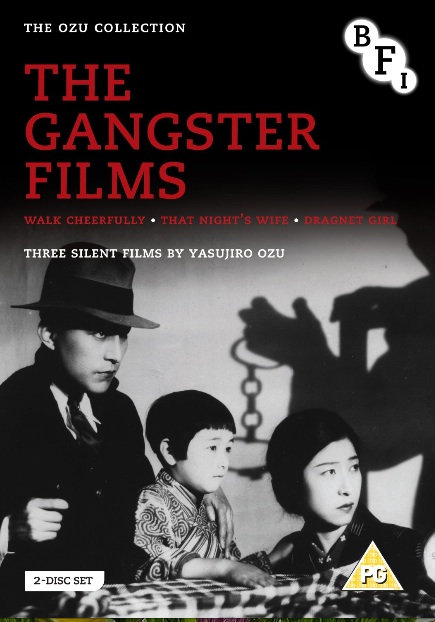
Yasujiro Ozu Collection – The Gangster Films (BFI)

The BFI have done wonders over the last few years in highlighting and promoting the work of Yasujirô Ozu to potential new viewers in the UK.  Their Ozu collection is gradually filling in the many gaps within his work available in Region 2 and he is now perhaps the most represented Japanese director in the Region 2 DVD market outside of Akira Kurosawa.  Ozu’s work … Continue reading Yasujiro Ozu Collection – The Gangster Films (BFI)

Berberian Sound Studio – Part 2 (The Sound of the Giallo and Narrative Sounds)

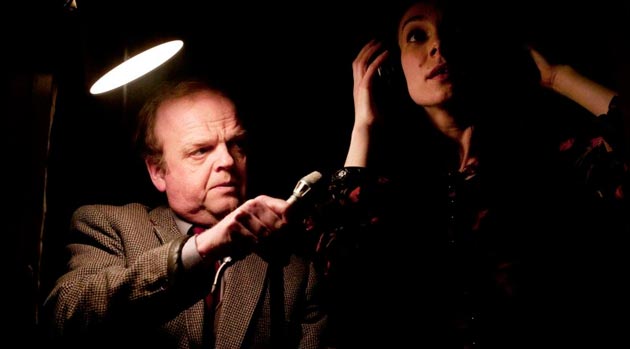
Part 1. The Sound of the Giallo There are certain facts about the Giallo sub-genre that critics enjoy repeating over and over again.  It seems unlikely that viewers approaching Berberian will not know at least something basic about the genre yet it is still something that takes up such a large chunk of the analysis surrounding the film, there could be an argument for them … Continue reading Berberian Sound Studio – Part 2 (The Sound of the Giallo and Narrative Sounds)

The Persistance of Modernity in Japanese Film Scores – Part 2 (Ozu’s Floating Weeds)

Click for Part 1. Asian Values and Floating Weeds (Music by Saito)[i] Ozu’s later films are perhaps more grounded in the traditions of the Japanese family unit.  Their drama comes from an apparent change in value systems (often a systematic change to more western values) or the opposite of this where characters are bound rigidly by Asian tradition and are desperate to escape.  The music … Continue reading The Persistance of Modernity in Japanese Film Scores – Part 2 (Ozu’s Floating Weeds)

Tess (1979) – Roman Polanski (BFI Release)

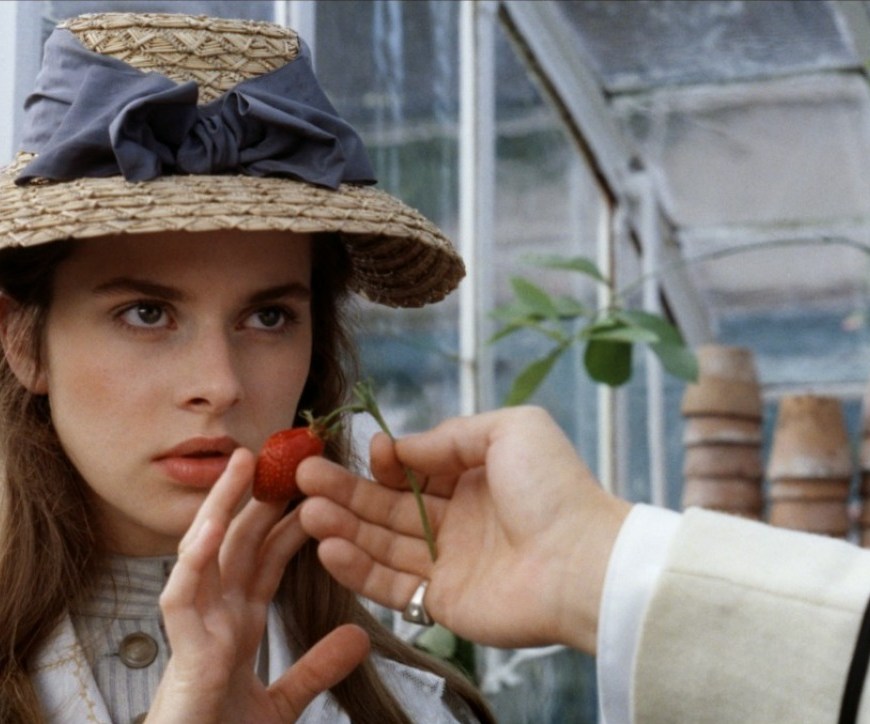
Roman Polanski’s period films don’t garner the same sort of critical attention that his genre films attain.  The likes of Rosemary’s Baby (1968) and Chinatown (1974) no doubt feature more highly in film discussions than the likes of Oliver Twist (2005) or Tess (1979) yet the latter of these films presents an epic expanse that manages to still capture detail and beauty; a rare feat … Continue reading Tess (1979) – Roman Polanski (BFI Release)

The Persistence of Modernity in Japanese Film Scores – Part 1 (Ozu, Tradition and Silent Film)

The Persistence of Modernity in Japanese Film Scores. Introduction The scores and music produced for Japanese cinema highlight a constant change of values within the country; a relationship rarely mirrored so accurately in the cinema of anywhere else.  Whereas the film scores of other countries can be looked at as a product of the trends and studio directions, the evolution and changes found within the … Continue reading The Persistence of Modernity in Japanese Film Scores – Part 1 (Ozu, Tradition and Silent Film)