Schalcken The Painter – Leslie Megahey (BFI Flipside).

The notion of gothic is quite rightly taking over the BFI at the moment.  Their gothic season is looking set to be its most all encompassing and vast seasonal retrospective for some time.  The gothic tint has found its way into a number of avenues including its DVD range.  The Flipside label always seemed fit for the sort of gothic releases still residing in the … Continue reading Schalcken The Painter – Leslie Megahey (BFI Flipside).

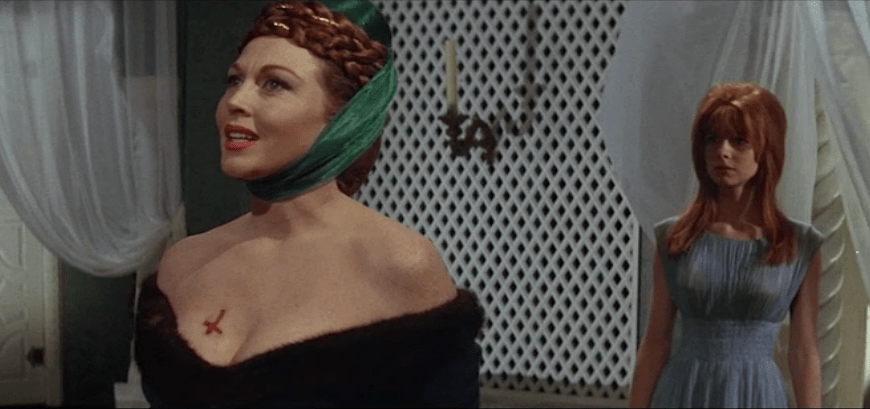
The Masque of the Red Death (1964) – Kierkegaard’s Aesthetic Phase and Inverted Freudian Pleasure Principle (Part 2).

Part 1. The Levels of the Aesthetic Stage Through Castle Rooms and Colour. Corman’s beautiful excess of colour in the film has already been mentioned but colour plays a vital role within the film’s narrative too.  Its narrative focus however does not chime well with the Kierkegaard reading when considering the unevenness and ambiguity as to the death creatures and their colours at the end … Continue reading The Masque of the Red Death (1964) – Kierkegaard’s Aesthetic Phase and Inverted Freudian Pleasure Principle (Part 2).

The Masque of the Red Death (Roger Corman, 1964) – Kierkegaard’s Aesthetic Phase and Inverted Freudian Pleasure Principle (Part 1).

Roger Corman may be better known for pulpy B-movies but his work adapting Edgar Allen Poe for the big screen is uncharacteristically layered and has a depth that far outstrips films of a far more serious ilk.  Almost all his Poe adaptations (excluding the fun but overall light The Raven) take Poe’s original structure for stories and adds questioning elements to them, largely built around … Continue reading The Masque of the Red Death (Roger Corman, 1964) – Kierkegaard’s Aesthetic Phase and Inverted Freudian Pleasure Principle (Part 1).

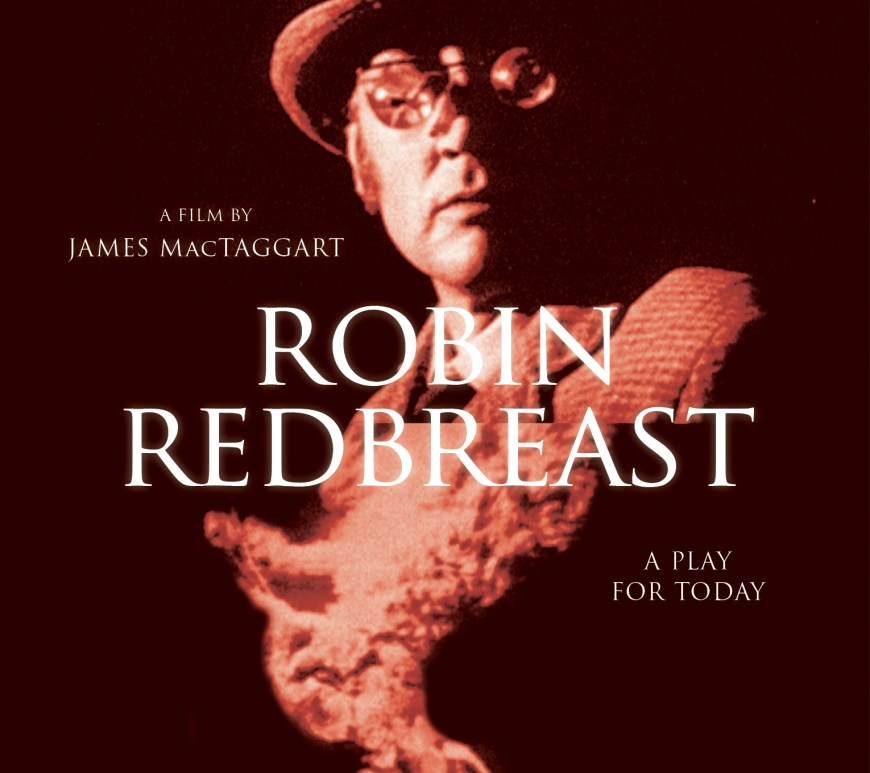
Robin Redbreast – Play For Today (1970) – James MacTaggart (BFI).

This articles contains minor spoilers. Holding the record at the time for being the only play in the BBC Play For Today series to be repeated, James MacTaggart’s Robin Redbreast has an aptly cult aura surrounding it.  First broadcast in the “spooky” slot (a December time tradition since Dickens’ era) in 1970, it manages to foreshadow a number of interesting movements in film and television … Continue reading Robin Redbreast – Play For Today (1970) – James MacTaggart (BFI).

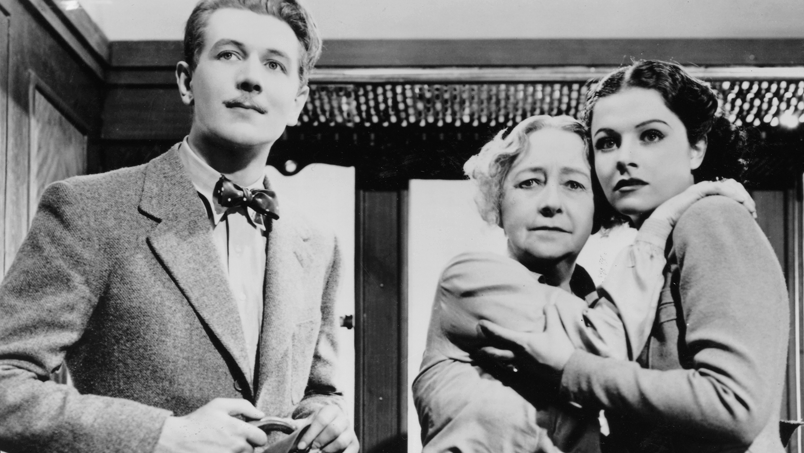
The Lady Vanishes (Alfred Hitchcock, 1938) – Early Uses of Musical, Narrative Tools.

Hitchcock’s early British films tend largely to be devoid of the interesting, endlessly analysable scores his later films have, (thanks mainly to Bernard Herrmann being sat at the musical helm).  It seems to have been an almost standard practice to use a handful of musical scores or fragments in the occasional scene but to largely leave the films musically blank outside of their opening and … Continue reading The Lady Vanishes (Alfred Hitchcock, 1938) – Early Uses of Musical, Narrative Tools.

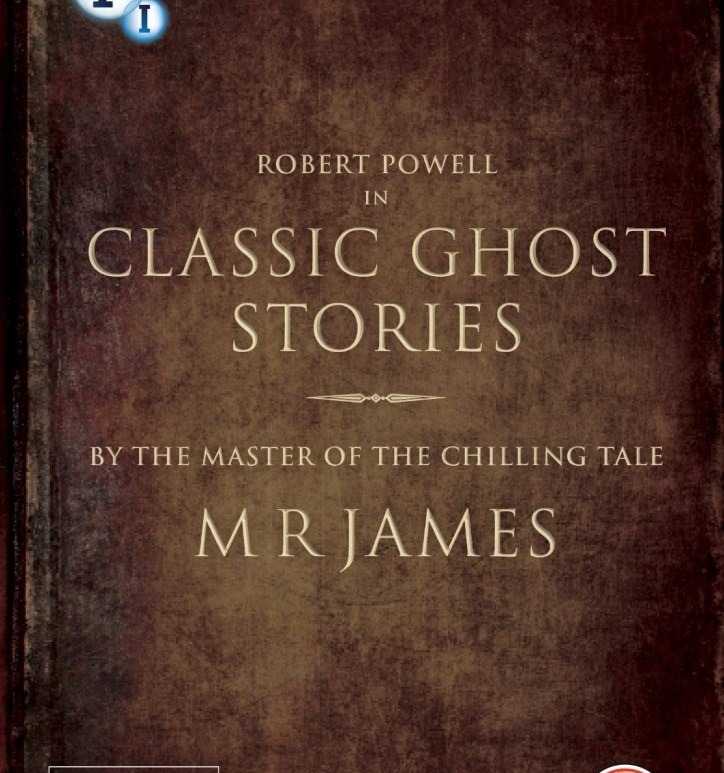
Classic Ghost Stories by M.R James with Robert Powell (BFI).

M.R James’ ghost stories seem almost tailor-made for television and radio.  They’ve taken on so many forms and guises over the years that, like their original forms read by the fireside at Christmas in Cambridge University, they have become a regular, traditional event.  Though their presence has been somewhat thin on the ground of late (though soon to change with the fourth modern adaptation coming … Continue reading Classic Ghost Stories by M.R James with Robert Powell (BFI).

Interview with Saxon Logan (Sleepwalker, Stepping Out, Working Surface).

Saxon Logan is a director whose work in film and documentary is well praised. With the recent release of his most famous film, Sleepwalker, on the BFI Flipside label, I tracked the director down to ask him about his past, his friendships with some of the most important people in British film and his own superbly idiosyncratic work. A full review and analysis of the … Continue reading Interview with Saxon Logan (Sleepwalker, Stepping Out, Working Surface).

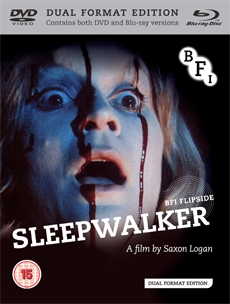
Sleepwalker (1984) – Saxon Logan, BFI Flipside.

The latest release in the BFI Flipside series revels in the social satire of its era with glee. Though of course the main draw of the release will be Saxon Logan’s main feature, Sleepwalker (1984), the release itself is built up to make a whole package of potential double and even triple bills of viewing; some Logan themed, some nocturnal themed.   The main feature simply … Continue reading Sleepwalker (1984) – Saxon Logan, BFI Flipside.

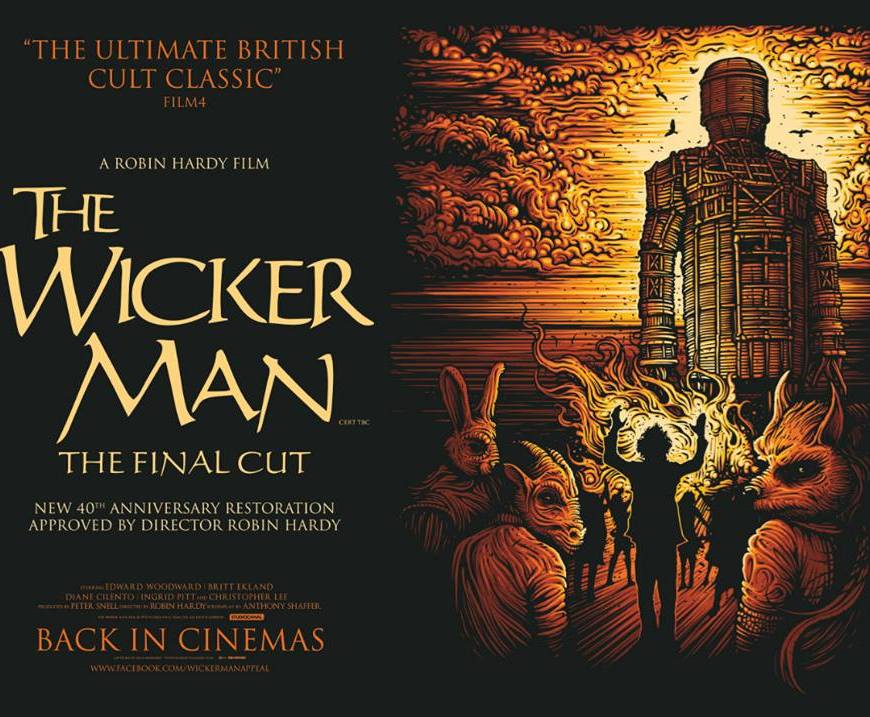
The Wicker Man (1973) – Defining Of The Folk Horror.

Its geography is stark, rugged and eerily inviting, its characters are sickly happy and lying through their teeth and its narrative is immersive and questioning to the point where its finale is deeply affecting and horrifying. It’s a crying shame that viewers of The Wicker Man (1973) will never fully see the film as its director intended. Having been slashed to bits by the studio … Continue reading The Wicker Man (1973) – Defining Of The Folk Horror.

El Topo and The Lamb Lies Down On Broadway (Jodorowsky and Gabriel).

Alejandro Jodorowsky’s El Topo (1970) has rightly earned a place in the pantheon of cult cinema. Watch any number of documentaries or interviews with the man himself and the film will often stand proud as the pioneer of the “Midnight Movie”; a film obviously shown late due to its content but also exuding free reign over all of its creative aspects.  Researching further into the … Continue reading El Topo and The Lamb Lies Down On Broadway (Jodorowsky and Gabriel).