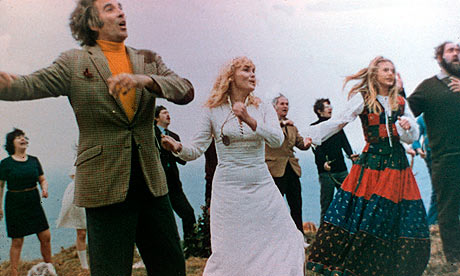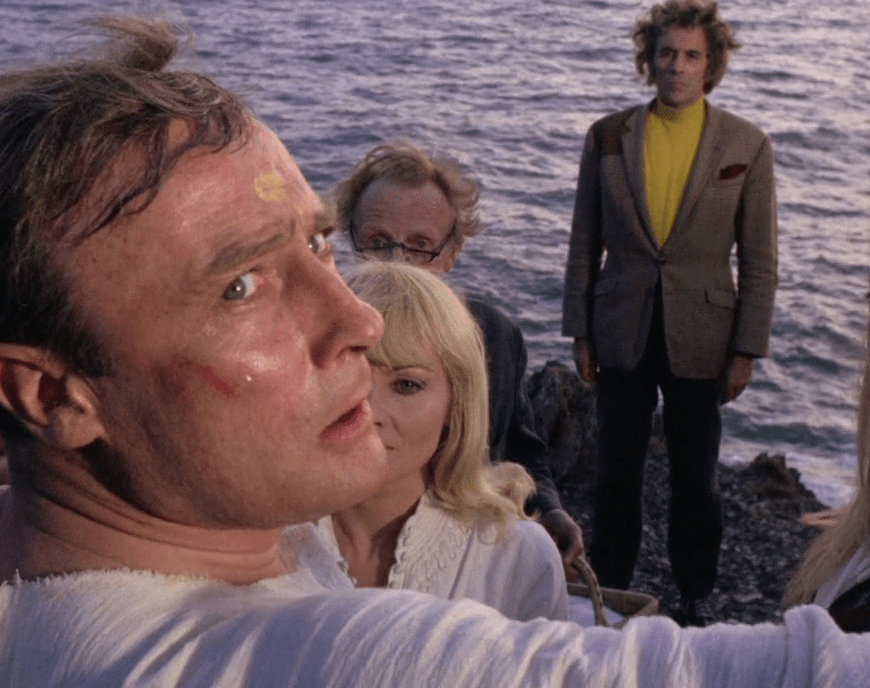
The Music of Folk Horror – Part 6 (Blood on Satan’s Claw).

Part 1. Part 2. Part 3. Part 4. Part 5. Musical Avant-Garde and Overt Anachronisms in Blood on Satan’s Claw (1971). “I think the other thing that appealed to me was the rural setting.  The nooks and crannies of woodland, the edges of fields the ploughing, the sense of soil was something I tried to bring into the picture” –  Piers Haggard (Gatiss, 2010, BBC). … Continue reading The Music of Folk Horror – Part 6 (Blood on Satan’s Claw).


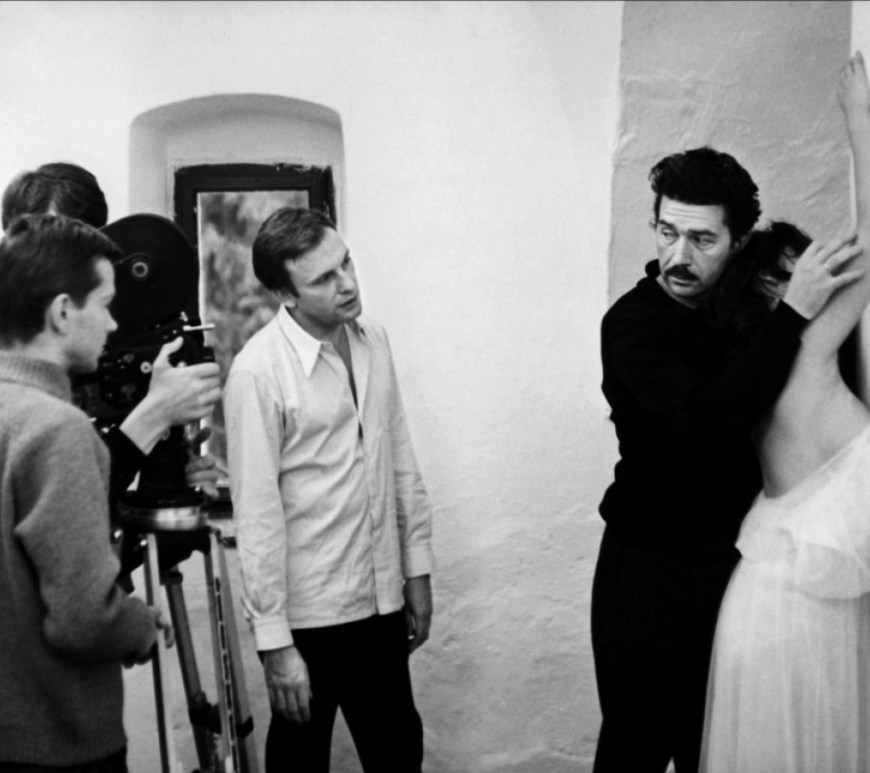
Jodorowsky’s Dune (2013) – Frank Pavich.

Cinema is littered with famously unfinished projects; ideas with varying degrees of entailing preparation that often violently suggest the question of “what if?”.  It’s one of the few types of media that allow such situations, being one that relies on a certain level of monetary profit guaranteed in order to be made in the first place.  Orson Welles nigh on made a career of trying … Continue reading Jodorowsky’s Dune (2013) – Frank Pavich.

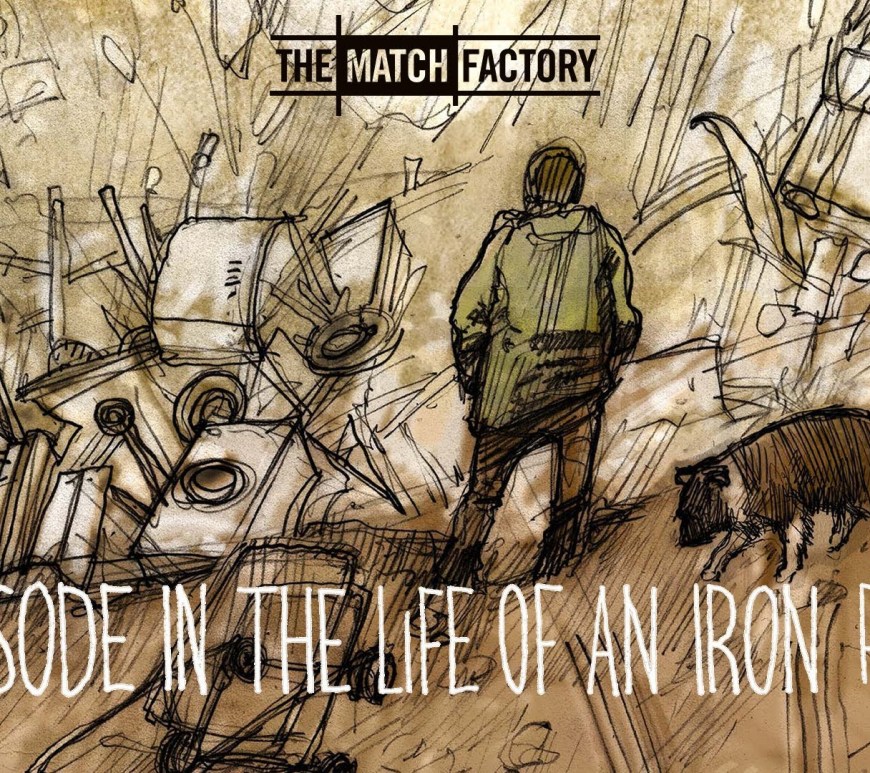
An Episode In The Life Of An Iron Picket (2013) – Danis Tanovic.

Communities that live on the fringes of modern society have always had a particular interest to a certain breed of filmmakers.  Ken Loach focuses on some aspects of this in his work while Pier Paolo Pasolini positively insists on involving isolated and under-represented groups of people, whether within his narratives or in the production of the films themselves.  Even last year’s Sight & Sound best … Continue reading An Episode In The Life Of An Iron Picket (2013) – Danis Tanovic.

The Music of Folk Horror – Part 5 (The Wicker Man’s Diegesis).

Part 1. Part 2. Part 3. Part 4. Diegesis in The Wicker Man. Some of the music assessed in the last section raised further questions besides their thematic and narrative content.  Though this element was an important part of the analysis, another aspect almost appeared to be ignored; that of the diegesis of such performances.  For a horror film, The Wicker Man presents the viewer … Continue reading The Music of Folk Horror – Part 5 (The Wicker Man’s Diegesis).

Alain Robbe- Grillet: Six Films, 1963-1974 (BFI).

This review contains minor plot details. When a body of work is inherently made up of intricately layered themes and hidden caches of ideas, surmising the work as a whole can be extremely difficult.  This is never more prescient than in the BFI’s release of six films by French film writer and director, Alain Robbe-Grillet; a seemingly missing link in French cinema of the 1960s … Continue reading Alain Robbe- Grillet: Six Films, 1963-1974 (BFI).

Eraserhead (1977) – Sickly Soundscapes (David Lynch).

For a film as heavily symbolic as David Lynch’s Eraserhead (1977), readings of its aesthetic aspects are often commonplace within the cinematic discourse of the film.  Lynch has often made explicit use of the medium’s inherent dream-state as a tool to question the viewer on various topics, often finding visual expression through symbolic and highly personal direction.  Though Eraserhead was his first feature film, his … Continue reading Eraserhead (1977) – Sickly Soundscapes (David Lynch).

The Quiet City

Chantal Akerman’s News from Home (1976-77) is a visual diary reflecting on a very personal history. A feature length film of sorts, it seems born out of cathartic necessity rather than simply creative ambition. Akerman had been working throughout the 1970s, and News from Home was made after her critical appreciation had more grown in stature, largely thanks to the impossible-to-ignore vigour of her four hour 1975 feature, Jeanne Dielman, … Continue reading The Quiet City

The Music of Folk Horror – Part 4 (The Wicker Man’s Narrative Functionality).

Part 1. Part 2. Part 3. Narrative Functionality. The music of The Wicker Man, while having few boundaries in terms of the effect of its various functions on its narrative content, is split into several different types.  For this section, the specific type of music to be looked at is the folk song; a form that makes several appearance in the film with original compositions … Continue reading The Music of Folk Horror – Part 4 (The Wicker Man’s Narrative Functionality).

Mozart in Le Bonheur (1965) – Agnès Varda.

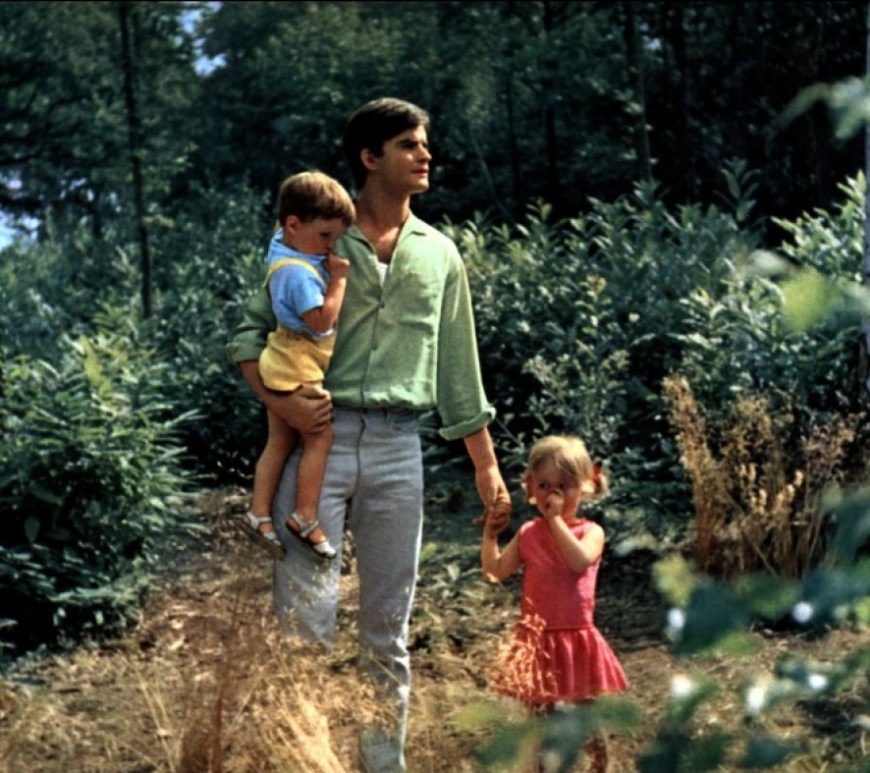
It must have come as a political shock to see a film in 1965 highlight, with such casual brutality, the privilege of the male patriarch.  Agnès Varda’s third feature, Le Bonheur, is such a contradiction in its conveyance of a happiness, ignorant of morality, that its shock is rarely diminished.  The film is a colourful, seasonal evocation of a very unusual ménage à trios which … Continue reading Mozart in Le Bonheur (1965) – Agnès Varda.

Nashville (1975) – Robert Altman (Masters of Cinema).

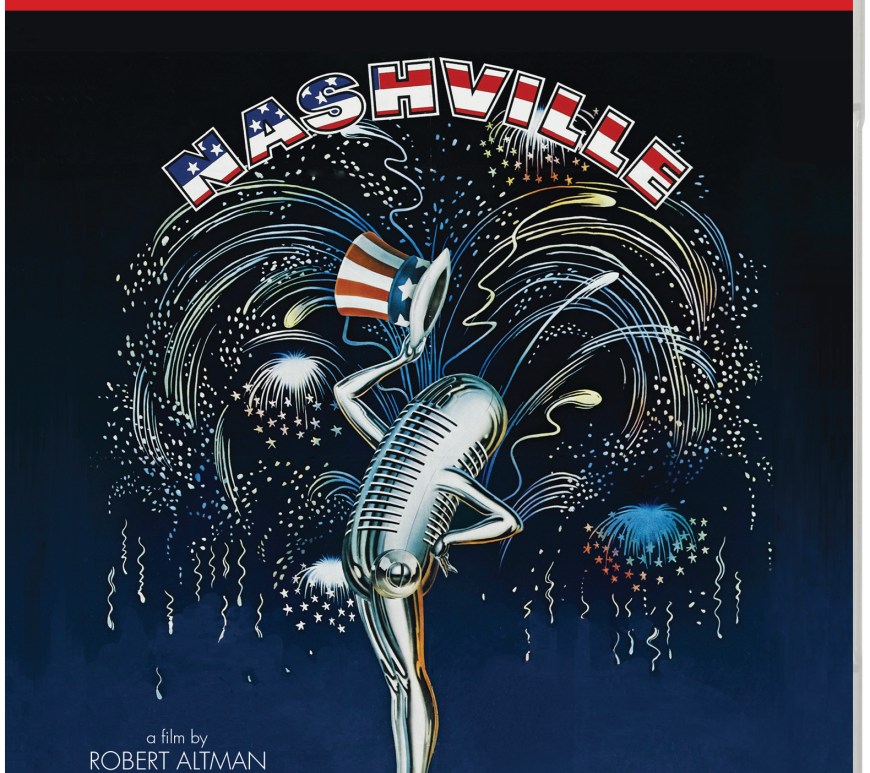
This reviewer contains spoilers. Robert Altman was a master in critiquing American forms of culture.  So many of his greatest renowned work revolves around taking an American form, cultural sect, or problem and portraying their dramatically polar angles of perspective often denied to it (then and now) in mainstream culture.  From early documentaries on college football in his debut work Modern Football (1951) and on … Continue reading Nashville (1975) – Robert Altman (Masters of Cinema).