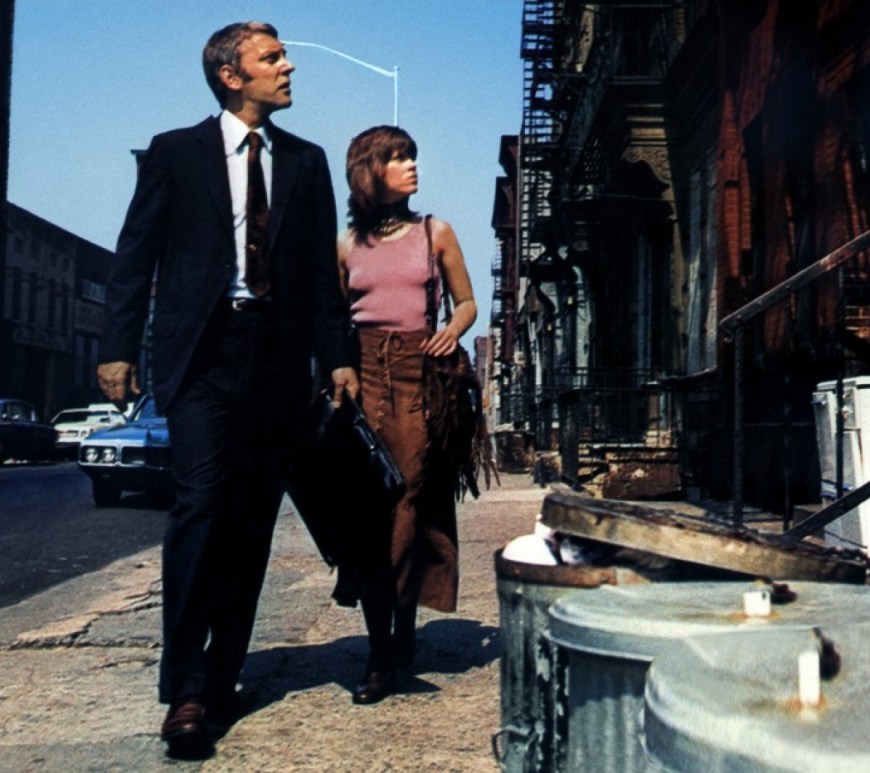
The Female Voice in Subversive Soundtracks of the Counter-Culture Era.

The Female Voice in Subversive Soundtracks of the Counter-Culture Era. After a recent viewing of Alan J. Pakula’s crime thriller, Klute (1971), something occurred at the back of my mind that connected the film with a number of others.  At first, I struggled with my memory as to what exactly it was about the film that was bringing other films of the era to mind; … Continue reading The Female Voice in Subversive Soundtracks of the Counter-Culture Era.

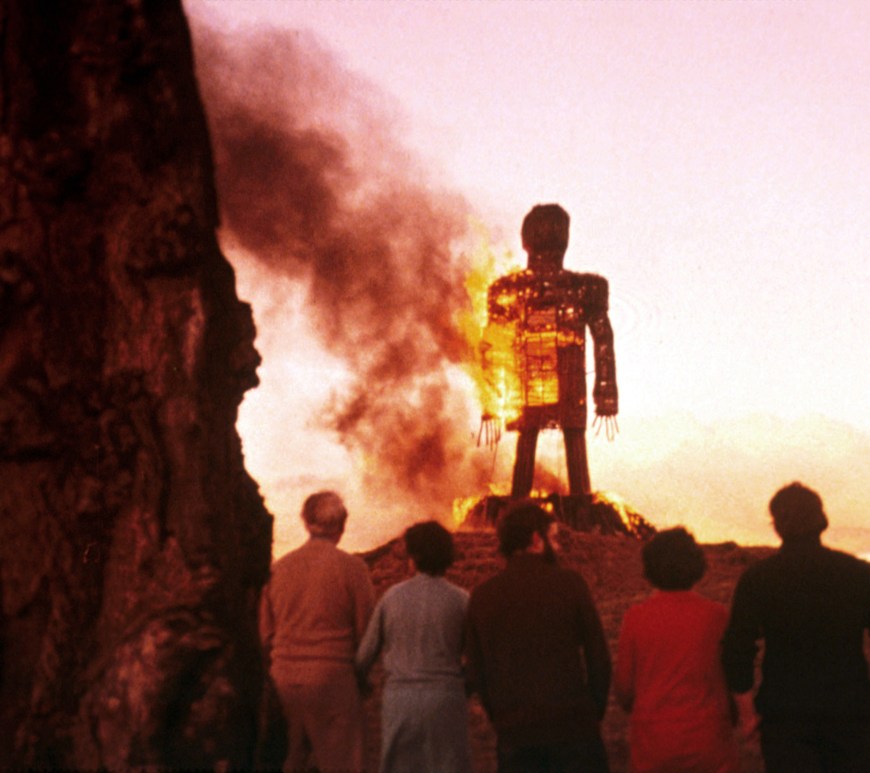
The Music of Folk Horror – Part 3 (The Wicker Man’s Folk Aesthetics).

Part 1. Part 2. Tradition Through Folk Aesthetics in the Music of The Wicker Man (1973). The first case study film for this essay is Robin Hardy’s 1973 film, The Wicker Man.  Though it is the latest of the films to be looked at, it has the most complex relationship with its music, formed entirely of its own accord rather than on folk horror practices … Continue reading The Music of Folk Horror – Part 3 (The Wicker Man’s Folk Aesthetics).

Sounds of the City – Defining the Metropolis in Alfred Hitchcock’s Rear Window (1954).

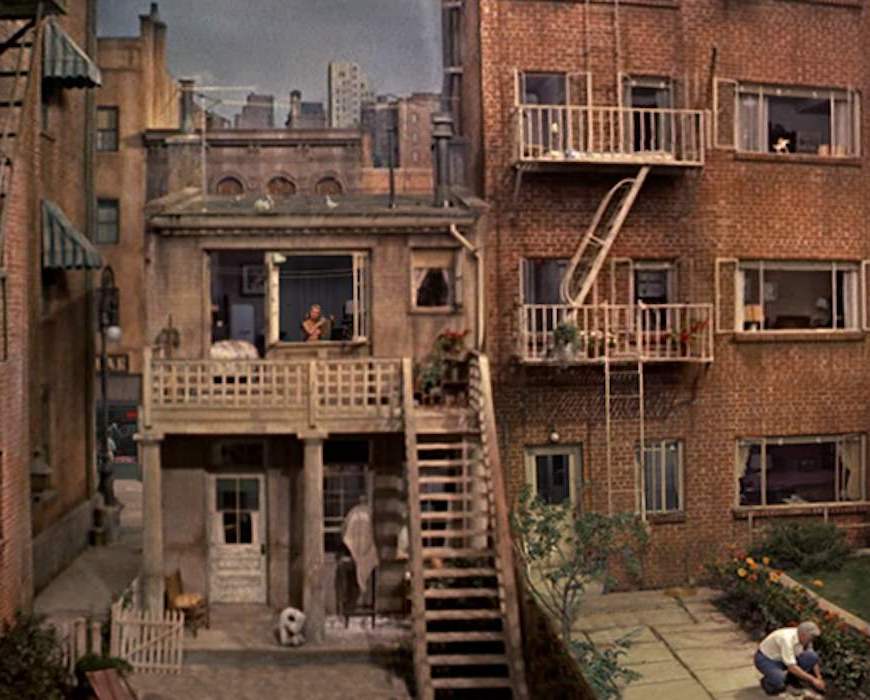
In spite of being set in the most cramped of city-based fictional areas, Alfred Hitchcock’s Rear Window (1954) successfully presents the bustling aesthetics of a whole metropolis while managing to retain an almost claustrophobic isolation.  In the film, Hitchcock presents a temporarily wheelchair-bound photographer who becomes obsessed with a neighbour. He suspects the unusual man to have murdered his wife.  Rear Window presents a number … Continue reading Sounds of the City – Defining the Metropolis in Alfred Hitchcock’s Rear Window (1954).

Point Blank (John Boorman, 1967) – Rhythmic Footsteps and Diegetic Power.

What is the best way for a film to show the power of a character?  Is it to retain the power within the narrative world and show it be all encompassing, or is it better to show it to have control over specific qualities of the medium itself?  One of the best examples of this debate to be realised in cinematic aesthetics is in John … Continue reading Point Blank (John Boorman, 1967) – Rhythmic Footsteps and Diegetic Power.

The Music of Folk Horror – Part 2 (Folk Horror Chain and Witchfinder General).

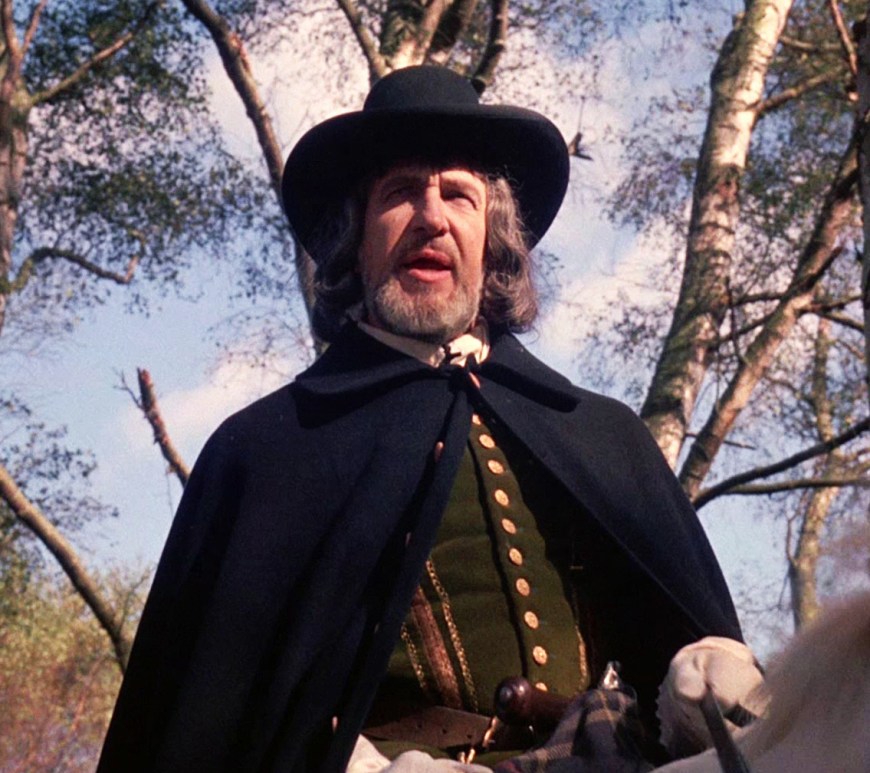
Part 1. Thematic Material of the Folk Horror Chain. “Grendel was the name of this grim demon, haunting the marches, marauding round the heath and the desolate fens; he had dwelt for a time in misery among the banished monsters, Cain’s clan, whom the creator had outlawed and condemned as outcasts.” (Heaney, p.6, 1999). Though the historic and cultural factors around why folk horror was … Continue reading The Music of Folk Horror – Part 2 (Folk Horror Chain and Witchfinder General).

Bastards (Claire Denis, 2014) – Oily Depths and Blank Walls.

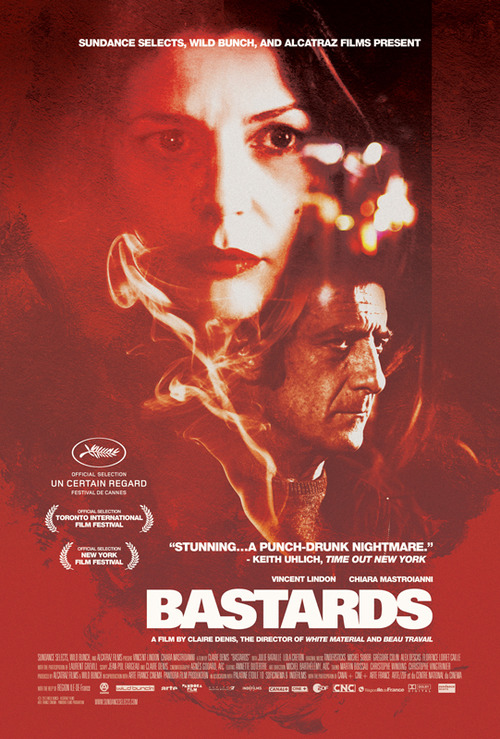
Terrible things can happen in environments that allow people to step-back from consequences; this is the first step in most types of crime and film noir pictures.  But to simply place Claire Denis’ latest film, Bastards (2014), into one of these categories just for the ease of categorisation does it little justice.  Denis’ film has more to its narrative than its surface layer shadow but … Continue reading Bastards (Claire Denis, 2014) – Oily Depths and Blank Walls.

The Music of Folk Horror – Part 1 (Sub-Genre Theories).

The Sounds of Sacrifice: The Music of British Folk Horror Films. Introduction. In the late 1960s and the early 1970s, a small group of horror films made in Britain set themselves apart from the rest of the genre, becoming an aptly cult phenomena now acknowledged under the banner of folk horror.  As a newly recognised sub-genre, it can be difficult to assess though, as new … Continue reading The Music of Folk Horror – Part 1 (Sub-Genre Theories).

Films On The Strange British Coastline.

While many British films take full advantage of the rural potential that “this spectered isle” can provide, there seems to be another sub-sect to this branch film, often finding its way into British horror cinema.  Of course, this isn’t as clear cut as simply analysing films under the guise of “Rural Horror” or “Folk Horror” but there is a small batch of British horror films … Continue reading Films On The Strange British Coastline.

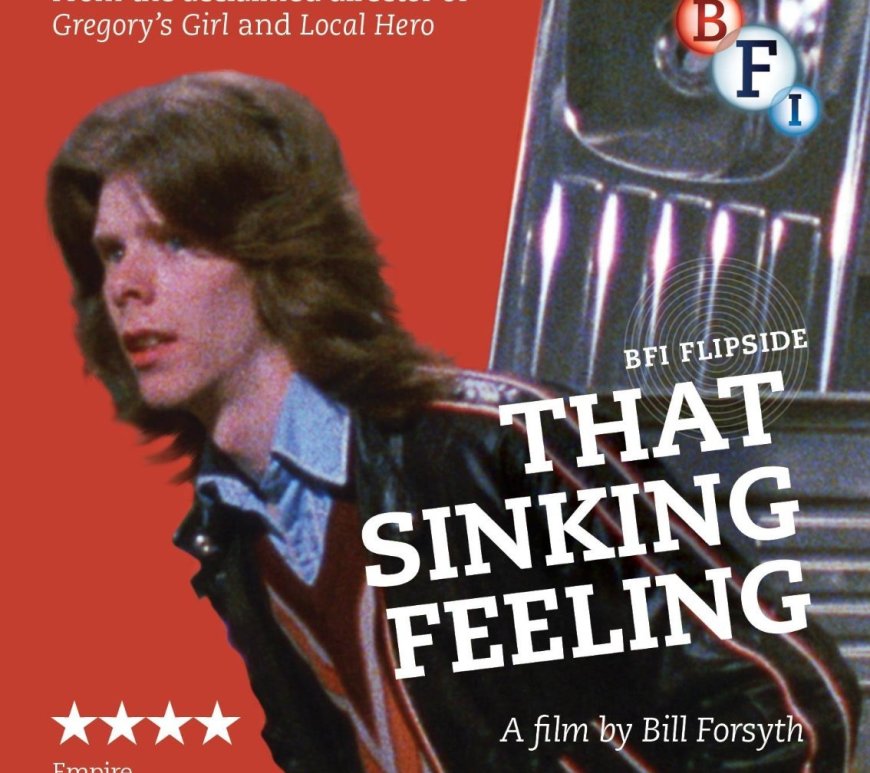
That Sinking Feeling (Bill Forsyth, 1979) – BFI Flipside.

The late 1970s and early 1980s occupy a strange realm in our current affections of nostalgia.  While openly acknowledged as a problematic era for politics, riots and race/police relations being at an all time low, there has been a steady but gradual yearning for the age’s art.  This isn’t just in the traditional sense of nostalgia but quite a specific relationship; the era is currently … Continue reading That Sinking Feeling (Bill Forsyth, 1979) – BFI Flipside.

Ligeti’s Atmosphères as a Musical Foreshadowing of Kubrick’s 2001- Part 4 (Conclusions)

Part 1. Part 2. Part 3. Conclusions “The link between art and real history is the fact that works of art are structured like monads.  History may be called the content of works of art.  Analysing them is the same as becoming conscious of the immanent history stored up in them.” Adorno (1970, p.126). The bedrock of this essay has been to show how Ligeti’s … Continue reading Ligeti’s Atmosphères as a Musical Foreshadowing of Kubrick’s 2001- Part 4 (Conclusions)