Analysis of Sound and Music in Alfred Hitchcock’s Psycho (1960) – Part 3 (Acousmatic Concepts)

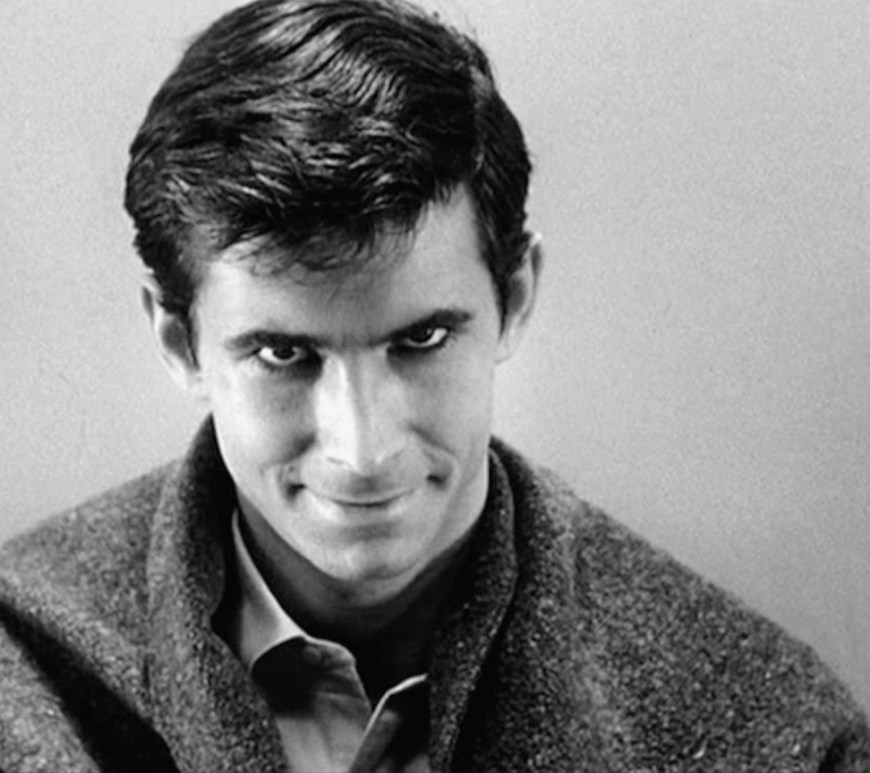
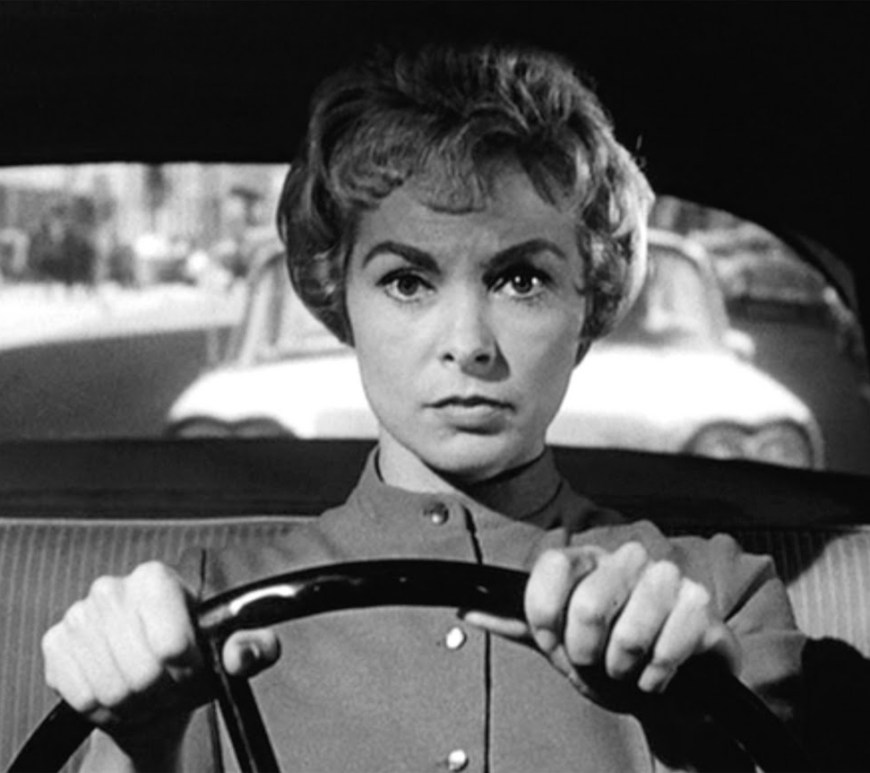
Part 1. Part 2. Emphasis on Acousmatic Concepts in Ross J. Fenimore’s “Voices that Lie Within”. “Psycho almost didn’t happen.  This is a unique case of music literally saving a film.” – Sullivan (2006, p.246). Like much literature around Psycho, Fenimore’s “Voices That Lie Within” begins its argument with setting the scene. “Psycho begins with a theft.”(2010, p.80) he begins as so many often do.  … Continue reading Analysis of Sound and Music in Alfred Hitchcock’s Psycho (1960) – Part 3 (Acousmatic Concepts)

Deep End (1970) and the Musical Emphasising of Narrative (Jerzy Skolimowski).

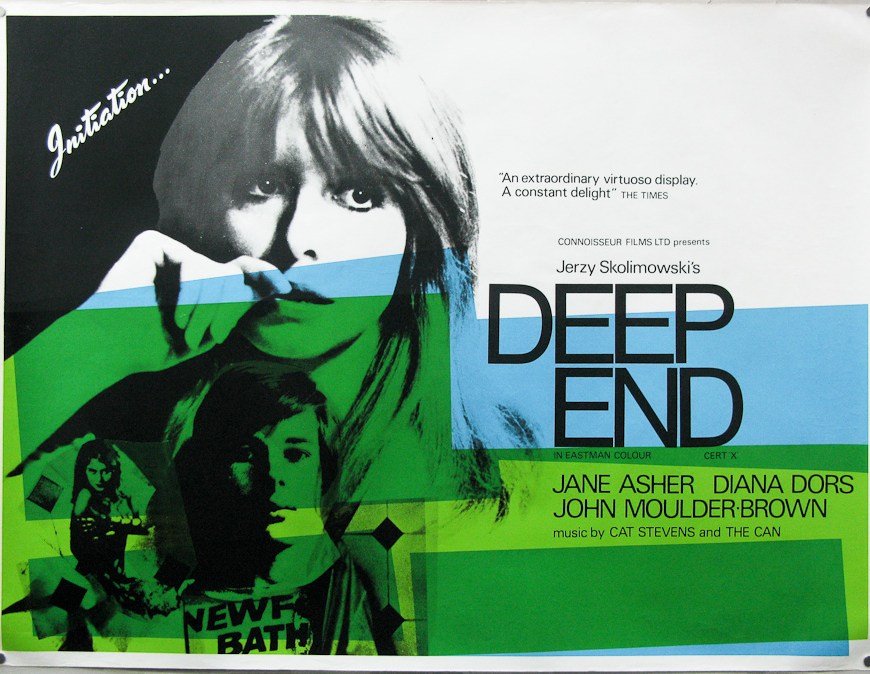
This article contains spoilers. There are many aspects of distraction within Jerzy Skolimowski’s 1970 film, Deep End.  Its highly sexualised, sometimes seedy narrative, its vast array of colours and its crisp, sharp direction are only a handful of its hyper-active eccentricities.  Even David Lynch, a long-time pessimist about colour cinema, is on record as a fan of Deep End‘s array of powerful colours, and styles.  … Continue reading Deep End (1970) and the Musical Emphasising of Narrative (Jerzy Skolimowski).

Nietzsche and 2001: A Space Odyssey (1968)

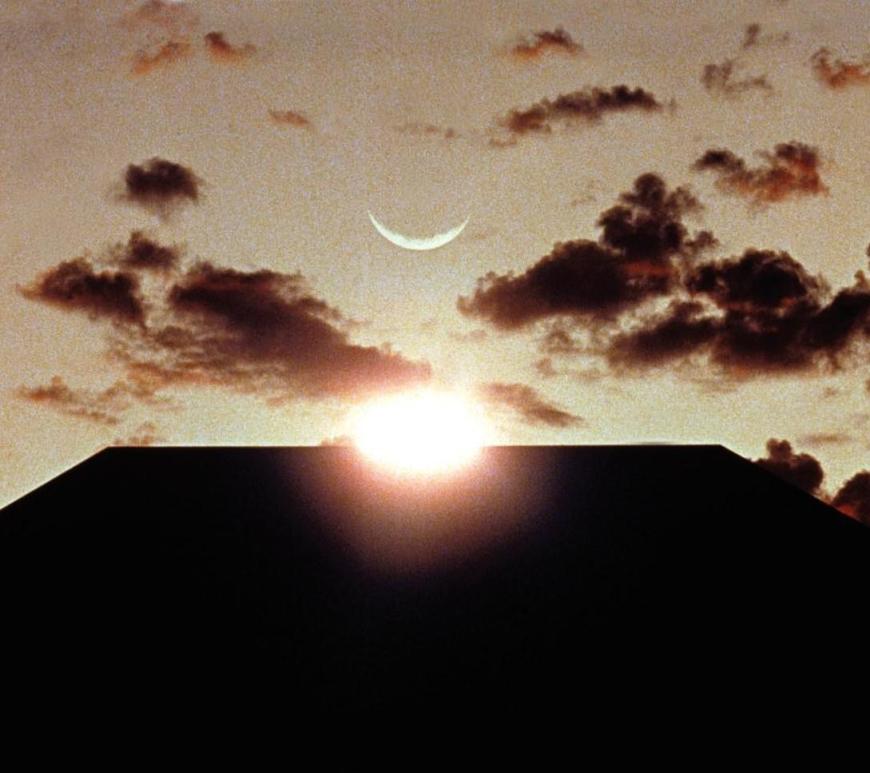
At this moment in time, I’m currently between two relatively heavy audio-visual essays.  The first (which is now finished and will be going online in segments from the end of the month) is about Andrei Tarkovsky’s film, The Sacrifice (1986) and how it has parallel aims with that of the Russian composer Scriabin and his unfinished work, Mysterium.  The second is looking at Stanley Kubrick’s … Continue reading Nietzsche and 2001: A Space Odyssey (1968)

Analysis of Sound and Music in Alfred Hitchcock’s Psycho (1960) – Part 1

Sound and Music in Alfred Hitchcock’s Psycho and its Different Readings. Introduction. “If Psycho had been intended as a serious picture, it would have been shown as a clinical case with no mystery or suspense.  The material would have been used as the documentation of the case history.  We’ve already mentioned that total plausibility and authenticity merely add up to a documentary.” – Alfred Hitchcock … Continue reading Analysis of Sound and Music in Alfred Hitchcock’s Psycho (1960) – Part 1

The Lady Vanishes (Alfred Hitchcock, 1938) – Early Uses of Musical, Narrative Tools.

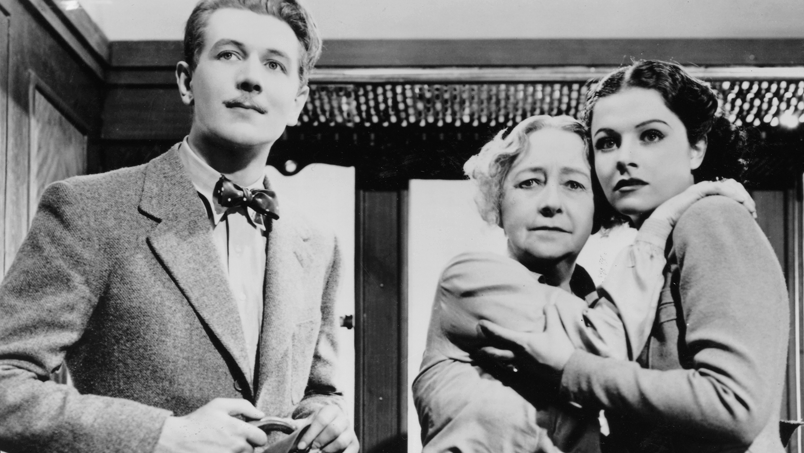
Hitchcock’s early British films tend largely to be devoid of the interesting, endlessly analysable scores his later films have, (thanks mainly to Bernard Herrmann being sat at the musical helm).  It seems to have been an almost standard practice to use a handful of musical scores or fragments in the occasional scene but to largely leave the films musically blank outside of their opening and … Continue reading The Lady Vanishes (Alfred Hitchcock, 1938) – Early Uses of Musical, Narrative Tools.

Distant Voices, Still Lives (Part 4) – Communal Singing and Domestic Abuse.

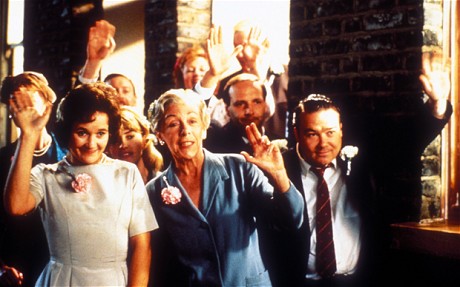
Part 1. Part 2. Part 3. Part 4. Part 5. Part 6. Part 7. Communal Singing of Popular Music. “Song lyrics threaten to offset the aesthetic balance between music and narrative cinematic representation. The common solution taken by the standard feature film is not to declare songs off limits – for they can give pleasure of their own – but to defer significant action and … Continue reading Distant Voices, Still Lives (Part 4) – Communal Singing and Domestic Abuse.

David Lynch’s Musical Formations of Cinematic Ideas (The Big Dream).

David Lynch has a very clear and obvious interest in music. This interest finds its way into his films via a number of different methods and often build upon the director’s main recurring themes and ideas. What makes David Lynch distinct from other American directors with interests in music such as Martin Scorsese and Woody Allen is that Lynch’s interest has peaked at a point … Continue reading David Lynch’s Musical Formations of Cinematic Ideas (The Big Dream).

Distant Voices, Still Lives (Part 3) – Music, Memory and Society.

Part 1. Part 2. Part 3. Part 4. Part 5. Part 6. Music, Memory and Society. Adorno and Eisler argue that: “As a matter of principle, priority goes to the truly novel musical resources. However, motion-picture music can also summon other musical resources of the most varied nature, on the condition that it reaches the most advanced contemporary modes of composing, which are characterized by … Continue reading Distant Voices, Still Lives (Part 3) – Music, Memory and Society.

Distant Voices, Still Lives – Sounds of the Past. (Part 2)

Part 1 Part 2 Part 3 Part 4 Part 5 The Sounds of the Past “To this inexorable, insidious awareness of your own dependence on your past, like an illness that grows even harder to bear, I gave the name “Nostalgia”…” (Tarkovsky, 1986, p.206) One of Distant Voices, Still Lives’ key differences to all that had gone before in the canon of British working class … Continue reading Distant Voices, Still Lives – Sounds of the Past. (Part 2)

Silence (Pat Collins, 2012) – Landscape and Nostalgia.

Nostalgia can manifest in many forms at the cinema.  Sometimes it can be overt, sometimes it can be unconscious but film is most definitely the medium to explore its inner workings.  A number of films have recently used sound, not just in an interesting way, but as a major part of the narrative and character focus whilst touching upon nostalgia.  These range from the superb … Continue reading Silence (Pat Collins, 2012) – Landscape and Nostalgia.