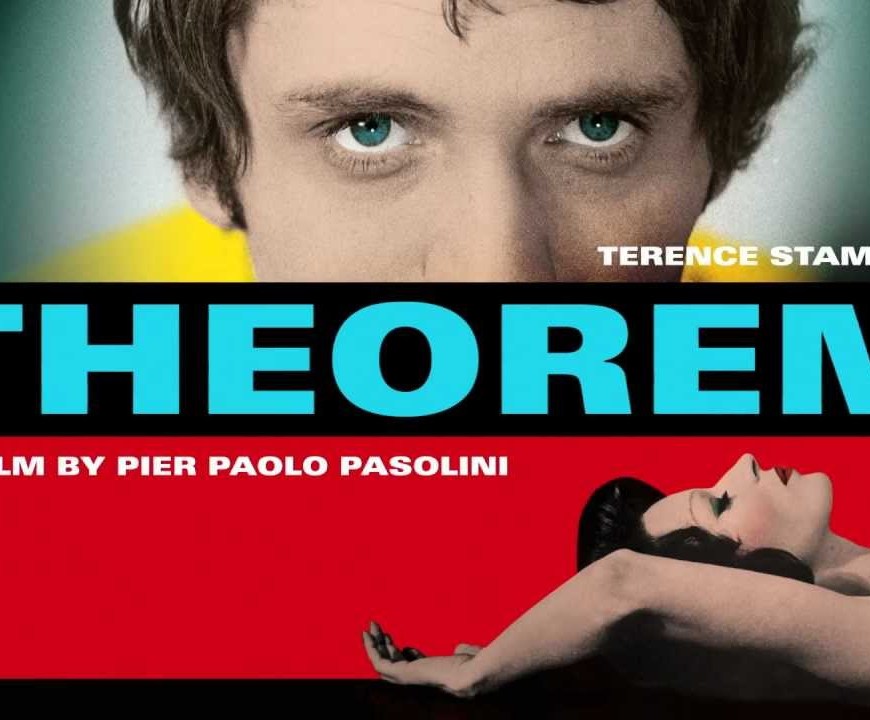
Theorem – Pier Paolo Pasolini (BFI Release).

There are a number of directors associated with the often brash task of dismantling the bourgeoisie through the use of allegory, metaphor and the sheer brutality of the cinematic form.  Out of all of these, the likes of which include Luis Buñuel and Michael Haneke, Pier Paolo Pasolini stands tall above them in his consistent despising of the class and its social patriarchy.  The late … Continue reading Theorem – Pier Paolo Pasolini (BFI Release).

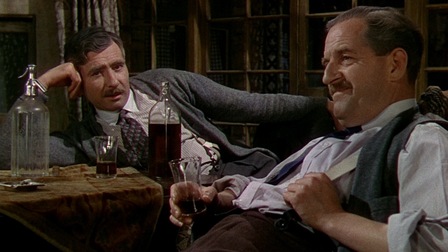
The Use of Sound & Music in British Working Class Film – Part 2 (This Happy Breed – David Lean)

Part 1. Propaganda and David Lean’s This Happy Breed. “The war years saw a revival of English romanticism in response to the need for an idealized reaffirmation of British history and shared values (as perceived within the dominant ideology) and, on the other, for the release into fantasy and dream to relieve the stress, hardship, and agony of war.” (Wollen, 1993 p.41) David Lean’s 1944 … Continue reading The Use of Sound & Music in British Working Class Film – Part 2 (This Happy Breed – David Lean)

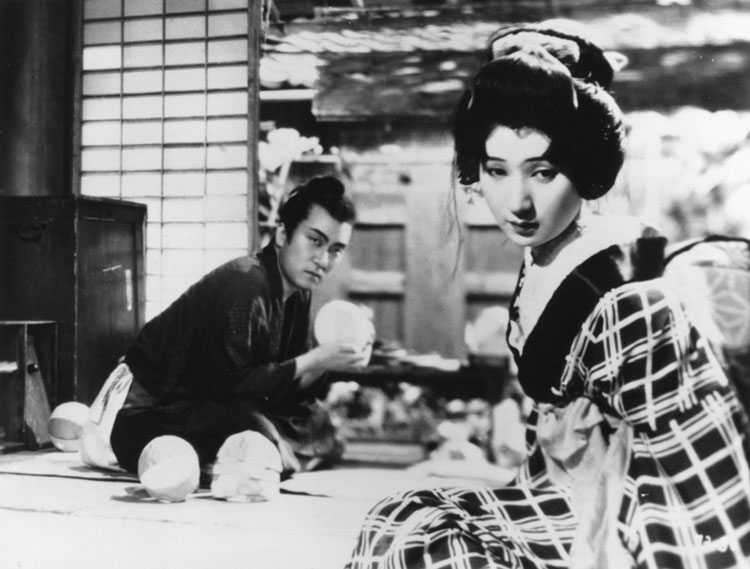
The Complete (Existing) Films of Sadao Yamanaka – Masters of Cinema.

Displaying a filmmaking ethic and system that would make even someone as fast-working as prodigious as Rainer Werner Fassbinder seem cautious and slow, Sadao Yamanaka should perhaps be far better known that he currently is in the West.  Making twenty two films over his short but highly productive cinema career, Yamanaka can be seen as one of the missing links in great Japanese cinema.  His … Continue reading The Complete (Existing) Films of Sadao Yamanaka – Masters of Cinema.

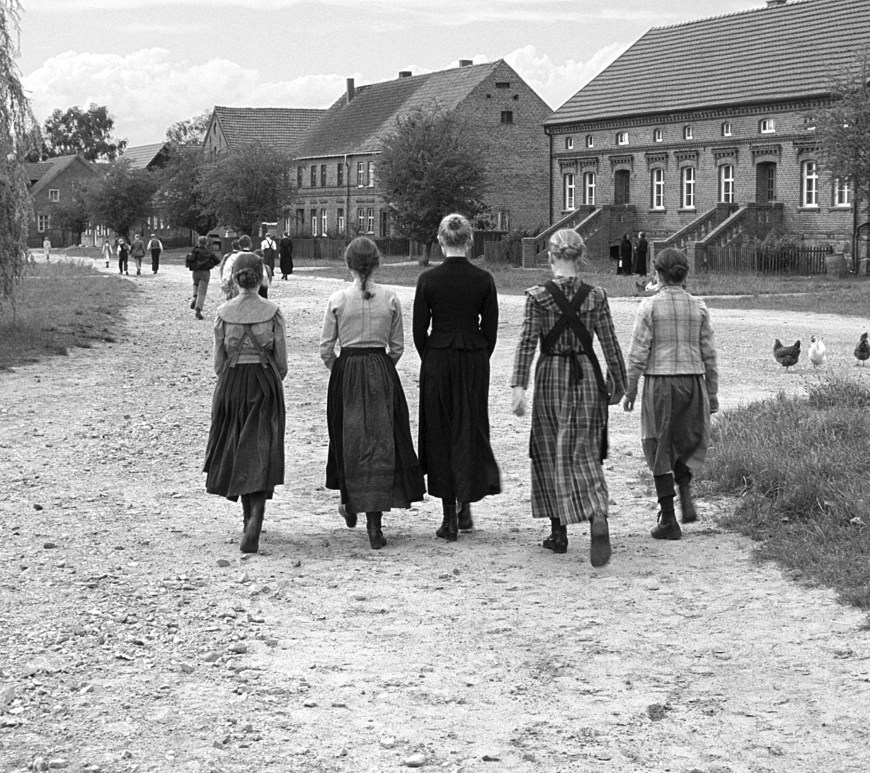
Collapsing Belief Systems and The Nietzschean Death – (Winter Light, The White Ribbon, The Turin Horse).

One of Friedrich Nietzsche’s more famous and strangely popular idioms is his “Death of God” theory presented through the madman in his 1883 work The Gay Science.  Though it has been used for all sorts of philosophical and theological purpose, often twisting it to fit whatever schematics the debater wants to shape it into, the idea itself can apply to several pieces of cinema, all … Continue reading Collapsing Belief Systems and The Nietzschean Death – (Winter Light, The White Ribbon, The Turin Horse).

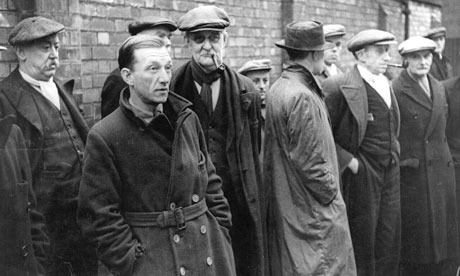
Sound And Music In Cinema About The British Working Class (Part 1).

Propaganda, Metaphor And Nostalgia:  Sound And Music In Cinema About The British Working Class. Introduction – Class and the Arts “The collective function of music has become transformed into the function of ensnaring the customer.” (Adorno, 1947, p.61). Class is an ever pervasive issue in British society. While manifesting into many forms around the world, the British flavour of delineation appears to draw the most … Continue reading Sound And Music In Cinema About The British Working Class (Part 1).

The Red Shoes (Powell & Pressburger) – Visual Forms of Diegesis.

The audio-visual theory of diegesis probably does have some form of basic, traditional film theory equivalent.  The splitting of film sound into what the characters and the audience can hear and the differences and problems this can cause are the basis for so much, often excessive, film sound theory.  For a film such as Michael Powell and Ernest Pressburger’s The Red Shoes (1948), the audio … Continue reading The Red Shoes (Powell & Pressburger) – Visual Forms of Diegesis.

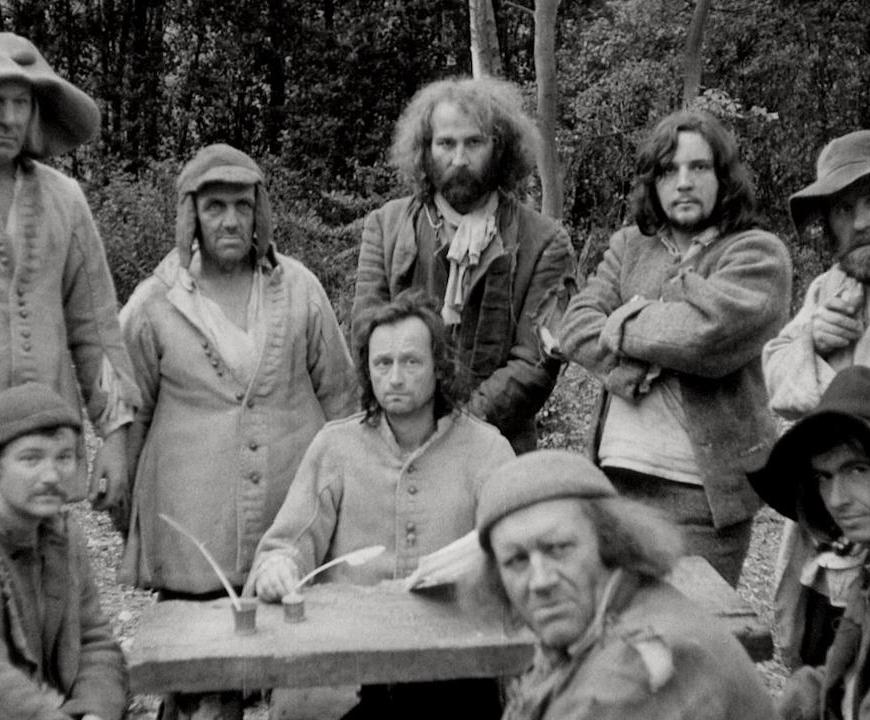
Winstanley (Kevin Brownlow and Andrew Mollo) – Landscape Politics and Folk Aesthetics.

Though more famous and widely recognised for film restoration and archiving (for which he received an Academy Award for) Kevin Brownlow’s second shared feature film with Andrew Mollo, Winstanley (1975), is a masterpiece of traditional, historic cinema.  It not only captures the feel of the era that produced an amalgamation of tradition-based horror cinema but showed that, through using a number of classical cinematic techniques, … Continue reading Winstanley (Kevin Brownlow and Andrew Mollo) – Landscape Politics and Folk Aesthetics.

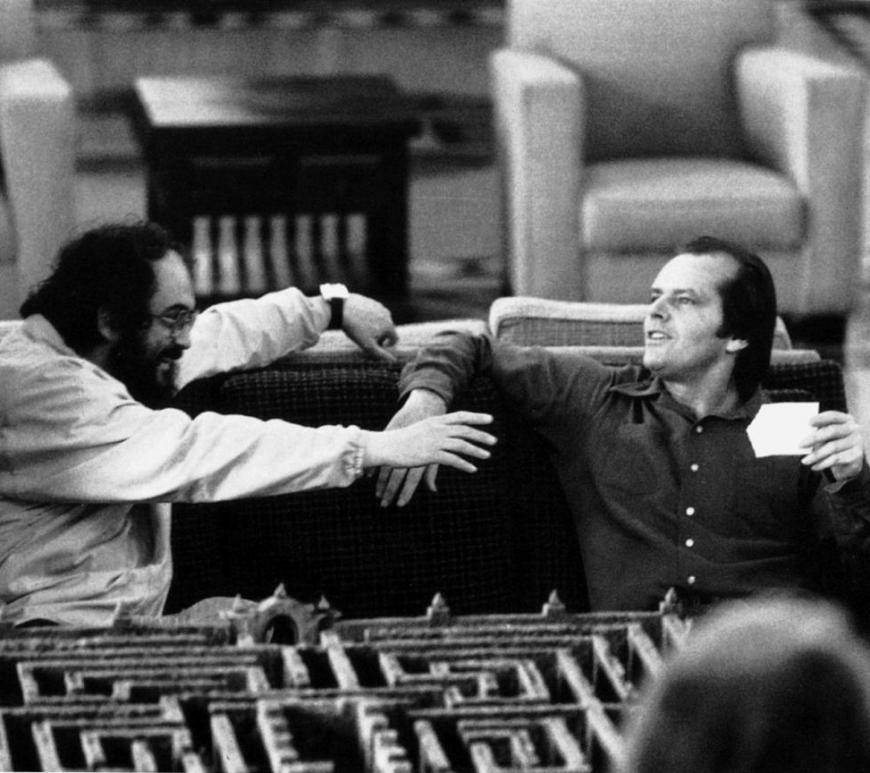
The Shining – Legacy of Balance In Horror Film Scores.

While writing about a perceived pivoting moment in horror film scores for a research essay last year, I briefly mentioned towards the end of what I termed “a legacy of balance” within horror film music and film scores.  With the word limitations on that essay meaning that the point was only vaguely surmised with a handful of explanations, I wanted to go further into what … Continue reading The Shining – Legacy of Balance In Horror Film Scores.

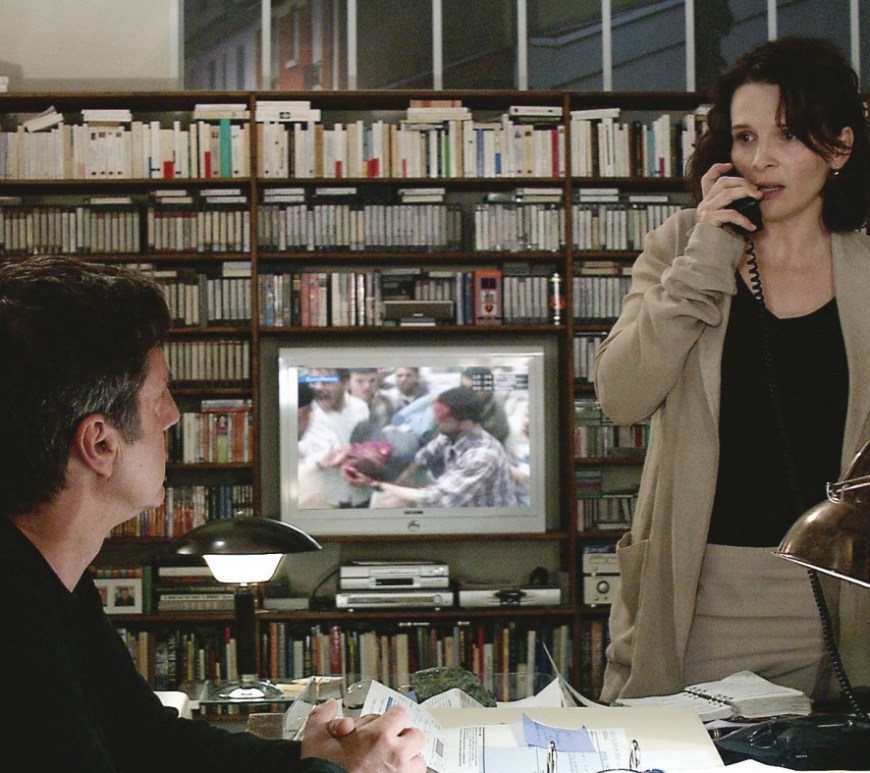
Hidden (2005) And The Mysteries of VHS Aesthetics – Michael Haneke

It hasn’t taken long for the medium of VHS to enter the realm of retrograde chic.  During the 2010 Liverpool Biennal Contemporary Arts festival, one of the main pieces that stood out was actually an independent sculpture made entirely for VHS cassettes; spools of tape spilling out onto the floor while Videodrome-like screens played fuzzy images of recorded images.  The medium now occupies that same … Continue reading Hidden (2005) And The Mysteries of VHS Aesthetics – Michael Haneke

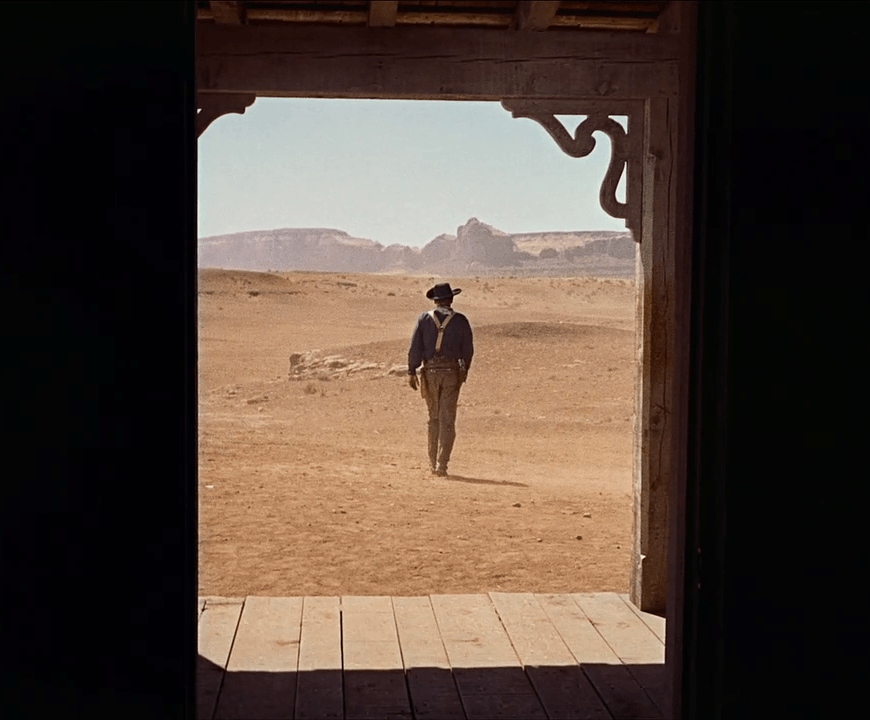
John Ford And The Visual Representation Of Emotion And Belief – (The Searchers, Stagecoach and Fort Apache)

John Ford is such an obvious enigma; it’s not surprising that the new wave of American film makers became obsessed with his methods and persona.  The awkwardness that exudes from the famously sparse interview with Peter Bogdanovich highlights well the portrayal of relationships in Ford’s films; namely that behind a blunt, entertaining simplicity, there’s an array of intelligence and complexity just waiting to be found.  … Continue reading John Ford And The Visual Representation Of Emotion And Belief – (The Searchers, Stagecoach and Fort Apache)