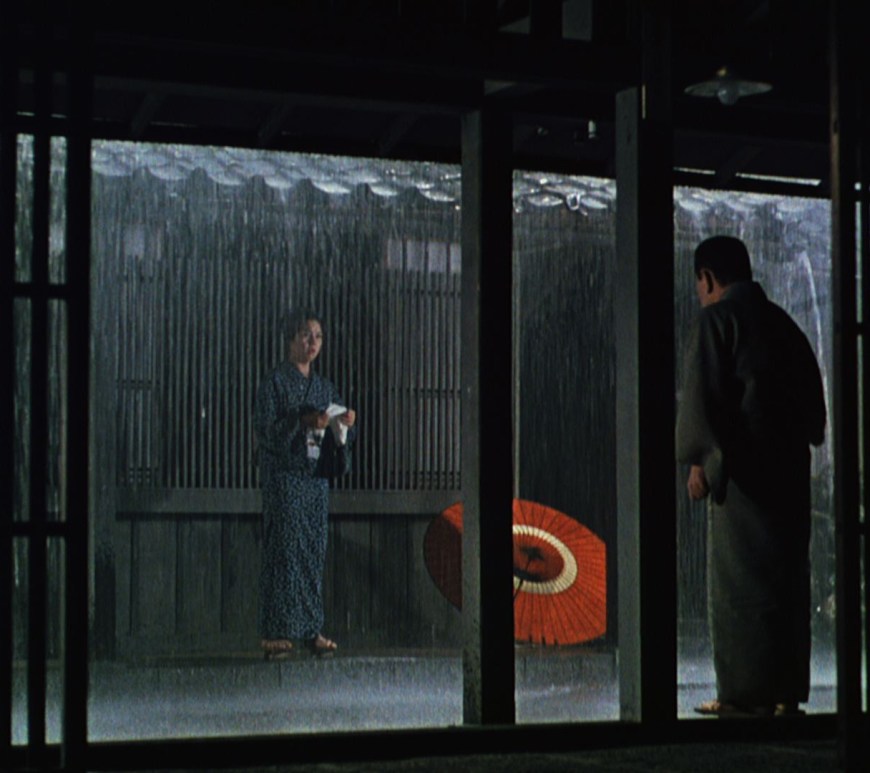
Yasujiro Ozu Collection – The Gangster Films (BFI)

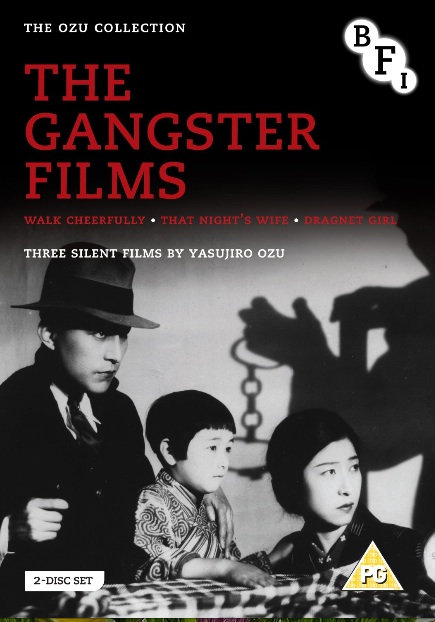
The BFI have done wonders over the last few years in highlighting and promoting the work of Yasujirô Ozu to potential new viewers in the UK.  Their Ozu collection is gradually filling in the many gaps within his work available in Region 2 and he is now perhaps the most represented Japanese director in the Region 2 DVD market outside of Akira Kurosawa.  Ozu’s work … Continue reading Yasujiro Ozu Collection – The Gangster Films (BFI)

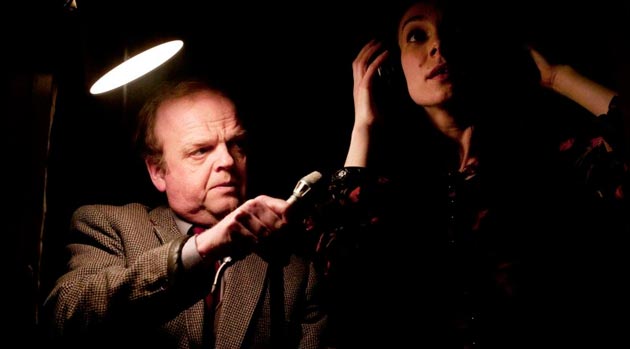
Berberian Sound Studio – Part 2 (The Sound of the Giallo and Narrative Sounds)

Part 1. The Sound of the Giallo There are certain facts about the Giallo sub-genre that critics enjoy repeating over and over again.  It seems unlikely that viewers approaching Berberian will not know at least something basic about the genre yet it is still something that takes up such a large chunk of the analysis surrounding the film, there could be an argument for them … Continue reading Berberian Sound Studio – Part 2 (The Sound of the Giallo and Narrative Sounds)

The Persistance of Modernity in Japanese Film Scores – Part 2 (Ozu’s Floating Weeds)

Click for Part 1. Asian Values and Floating Weeds (Music by Saito)[i] Ozu’s later films are perhaps more grounded in the traditions of the Japanese family unit.  Their drama comes from an apparent change in value systems (often a systematic change to more western values) or the opposite of this where characters are bound rigidly by Asian tradition and are desperate to escape.  The music … Continue reading The Persistance of Modernity in Japanese Film Scores – Part 2 (Ozu’s Floating Weeds)

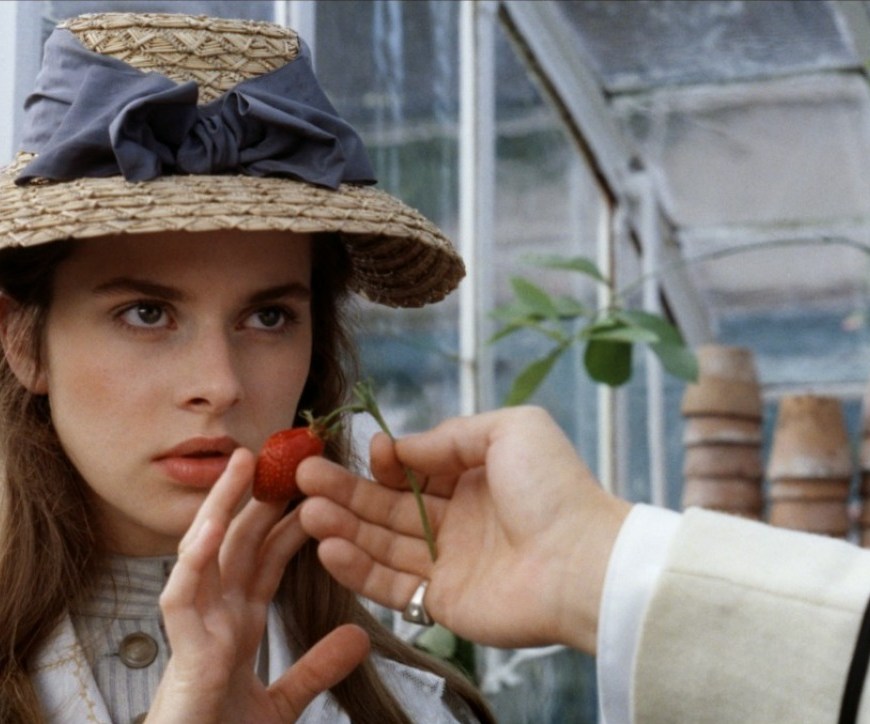
Tess (1979) – Roman Polanski (BFI Release)

Roman Polanski’s period films don’t garner the same sort of critical attention that his genre films attain.  The likes of Rosemary’s Baby (1968) and Chinatown (1974) no doubt feature more highly in film discussions than the likes of Oliver Twist (2005) or Tess (1979) yet the latter of these films presents an epic expanse that manages to still capture detail and beauty; a rare feat … Continue reading Tess (1979) – Roman Polanski (BFI Release)

Screen-Next-The-Sea Film Festival – Kevin Brownlow Lecture.

While journeying down for a short trip away to the secluded vistas of the Norfolk broads, little was I aware that the weekend away was to allow for a lecture and a personal chat with one of this writer’s heroes.  The brilliant thing about north Norfolk in general is that, in just about every field whether it be art, film or even food, it has … Continue reading Screen-Next-The-Sea Film Festival – Kevin Brownlow Lecture.

Derek Jarman And The Music Video.

The constructs that delineate a difference between short films and music videos has been fuelled by debate and value judgements by those after a perfect set of rules.  Acclaimed director Derek Jarman didn’t seem too fussed about these connotations when creating his short films and music videos often blurring the line between the two and questioning whether the line even existed through explicit highlighting of … Continue reading Derek Jarman And The Music Video.

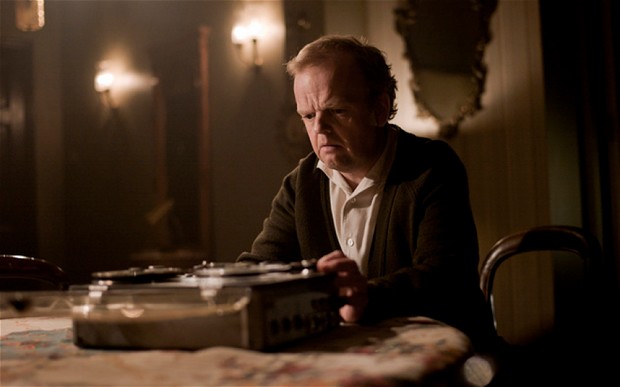
Berberian Sound Studio – Sound And Music As Narrative (Part 1)

Introduction Peter Strickland’s 2012 film Berberian Sound Studio is the first popular film quite possibly since Stanley Donan’s Singing In The Rain (1952)[i], to focus its narrative around sound as a concept in cinema.  As a visual medium, sound and music is often taken for granted; an assumed norm of film since the 1930s that has a texture of interweaved sound and music that can … Continue reading Berberian Sound Studio – Sound And Music As Narrative (Part 1)

The Old Dark House (1932) – Symbolism, Class and Taboo (James Whale).

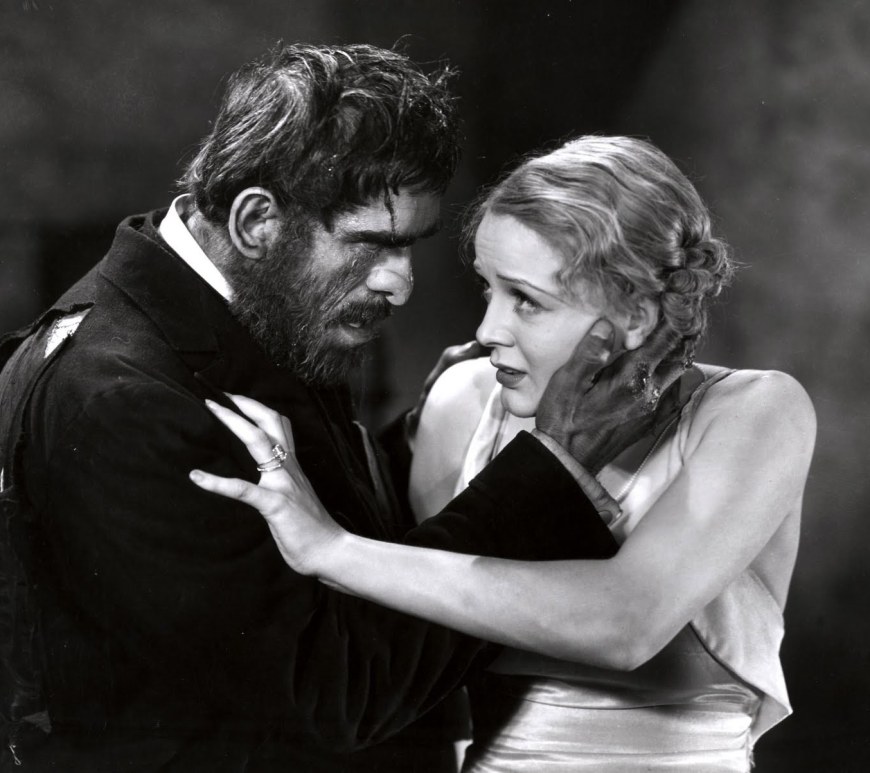
Contains spoilers. Hindsight can be a terrible burden to approach an older film with; lagging hard on the back of the viewer whose inability to contextualise what they’re seeing disengages their perception.  When watching James Whale’s The Old Dark House (1932), it could be tempting to accuse the film of being full to the brim with stock horror clichés.  Yet Whale’s film is special and … Continue reading The Old Dark House (1932) – Symbolism, Class and Taboo (James Whale).

Silence as Resistance – Le Silence De La Mer (Jean-Pierre Melville)

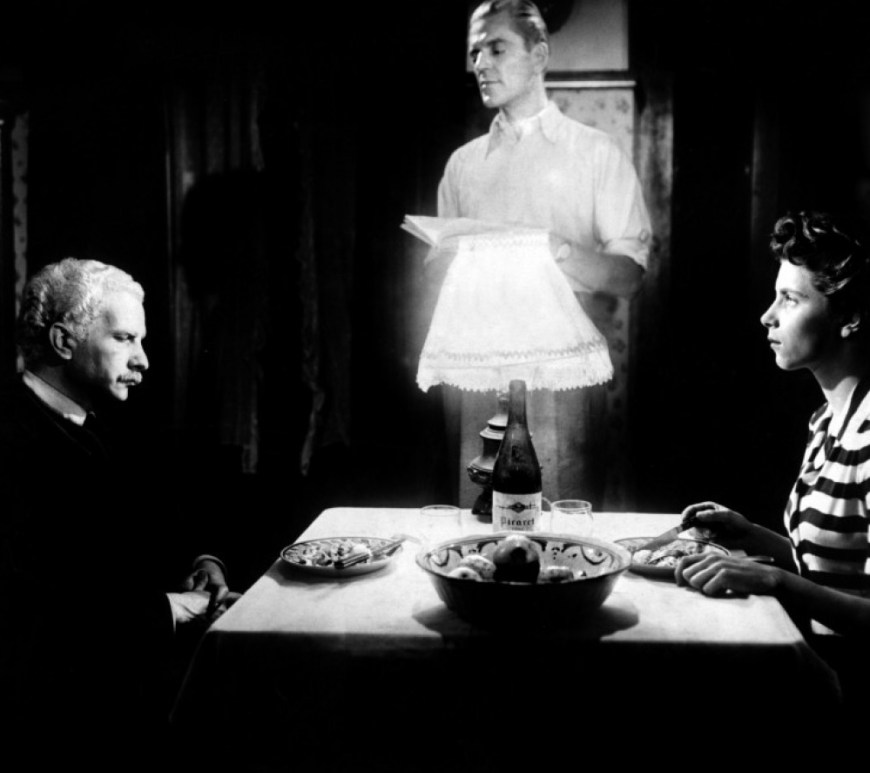
It is an oft stated belief that silence is the most powerful effect in the canon of film sound techniques and tricks; a seemingly obvious nod to the lack of music to the lead the viewer emotionally and also a gentle nudge at the general over abundance of non-diegetic score in film.  One of the most stark and allegorical uses of silence can be found … Continue reading Silence as Resistance – Le Silence De La Mer (Jean-Pierre Melville)