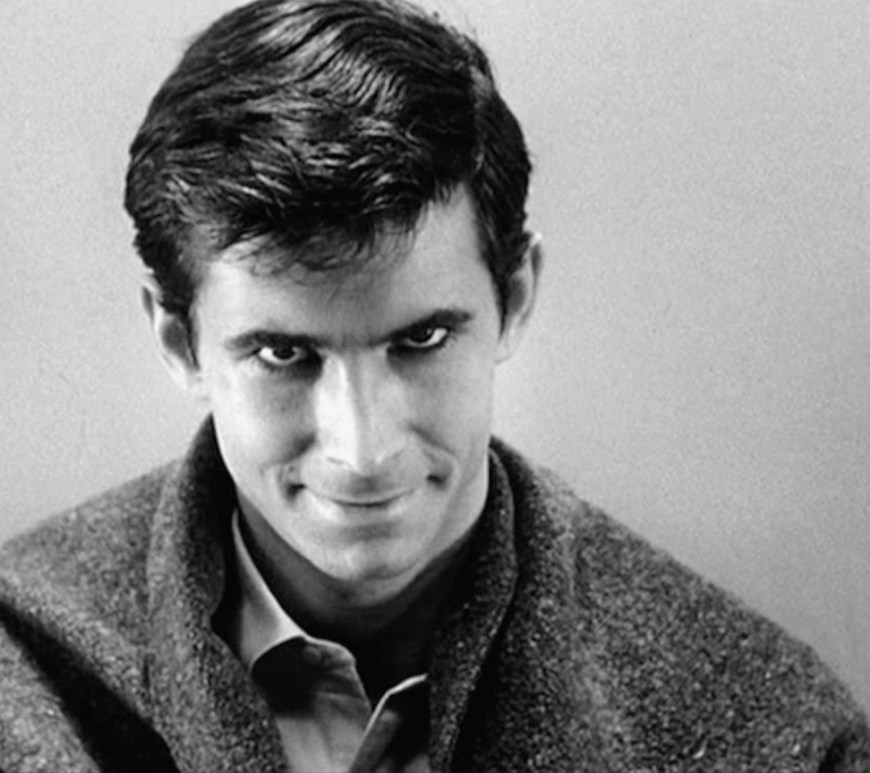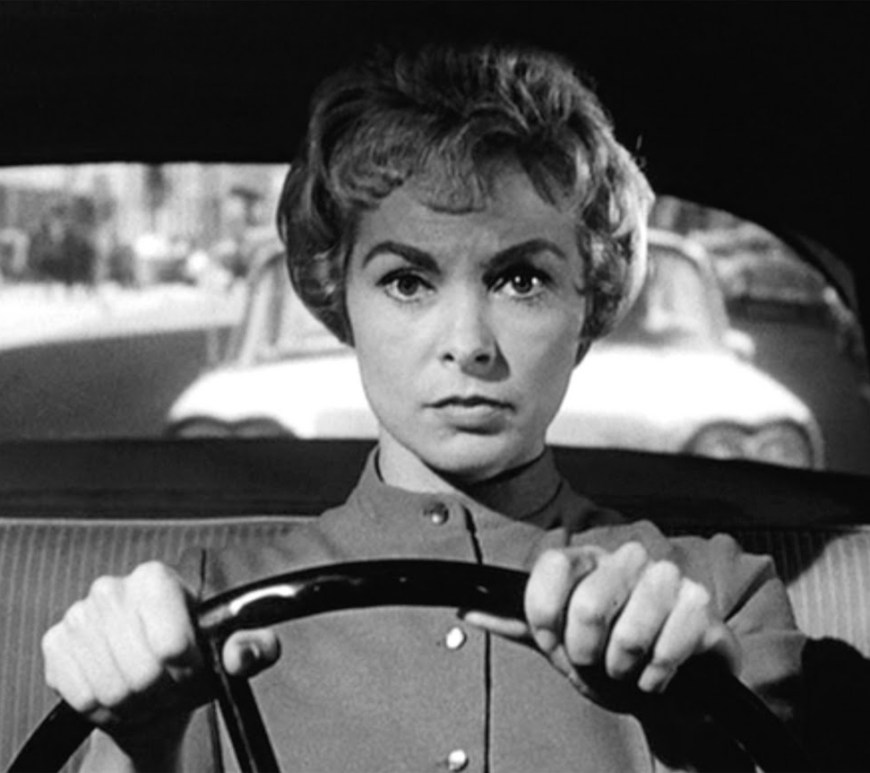
Analysis of Sound and Music in Alfred Hitchcock’s Psycho (1960) – Part 3 (Acousmatic Concepts)

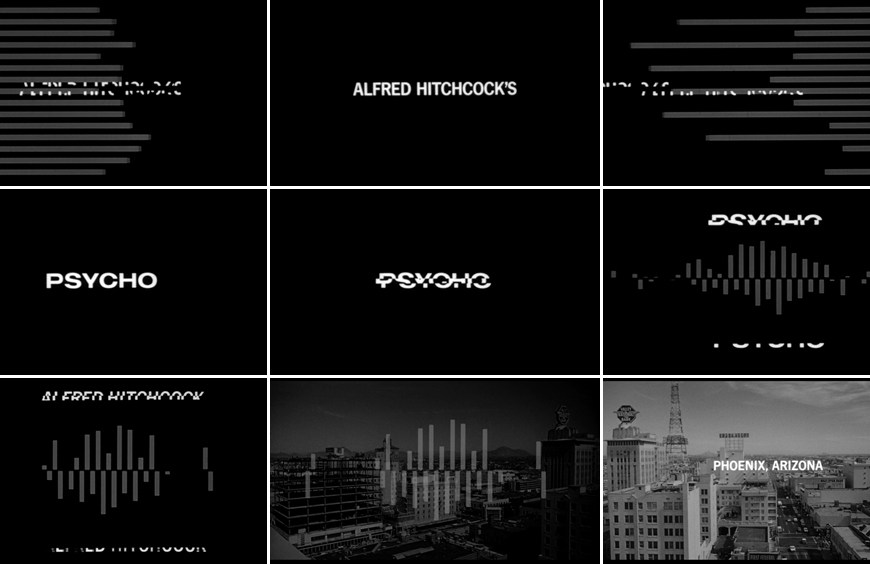
Part 1. Part 2. Emphasis on Acousmatic Concepts in Ross J. Fenimore’s “Voices that Lie Within”. “Psycho almost didn’t happen.  This is a unique case of music literally saving a film.” – Sullivan (2006, p.246). Like much literature around Psycho, Fenimore’s “Voices That Lie Within” begins its argument with setting the scene. “Psycho begins with a theft.”(2010, p.80) he begins as so many often do.  … Continue reading Analysis of Sound and Music in Alfred Hitchcock’s Psycho (1960) – Part 3 (Acousmatic Concepts)

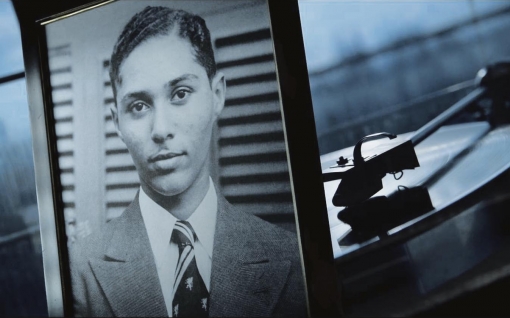
The Stuart Hall Project – John Akomfrah (BFI).

From its opening declarations, John Akomfrah’s documentary on Stuart Hall, The Stuart Hall Project (2013) explicitly acknowledges that it is going to be condensing fifty years of complex history and ideology into its relatively short running time.  Akomfrah achieves this in an unusual but extraordinary way by linking the ideas and history of the public intellectual with his passion for the music of Miles Davis.  … Continue reading The Stuart Hall Project – John Akomfrah (BFI).

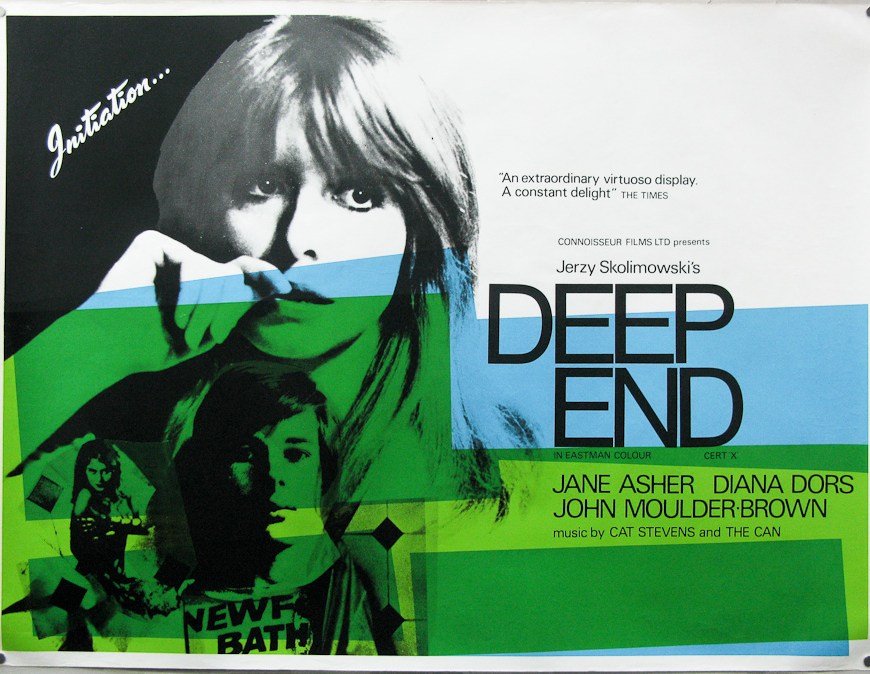
Deep End (1970) and the Musical Emphasising of Narrative (Jerzy Skolimowski).

This article contains spoilers. There are many aspects of distraction within Jerzy Skolimowski’s 1970 film, Deep End.  Its highly sexualised, sometimes seedy narrative, its vast array of colours and its crisp, sharp direction are only a handful of its hyper-active eccentricities.  Even David Lynch, a long-time pessimist about colour cinema, is on record as a fan of Deep End‘s array of powerful colours, and styles.  … Continue reading Deep End (1970) and the Musical Emphasising of Narrative (Jerzy Skolimowski).

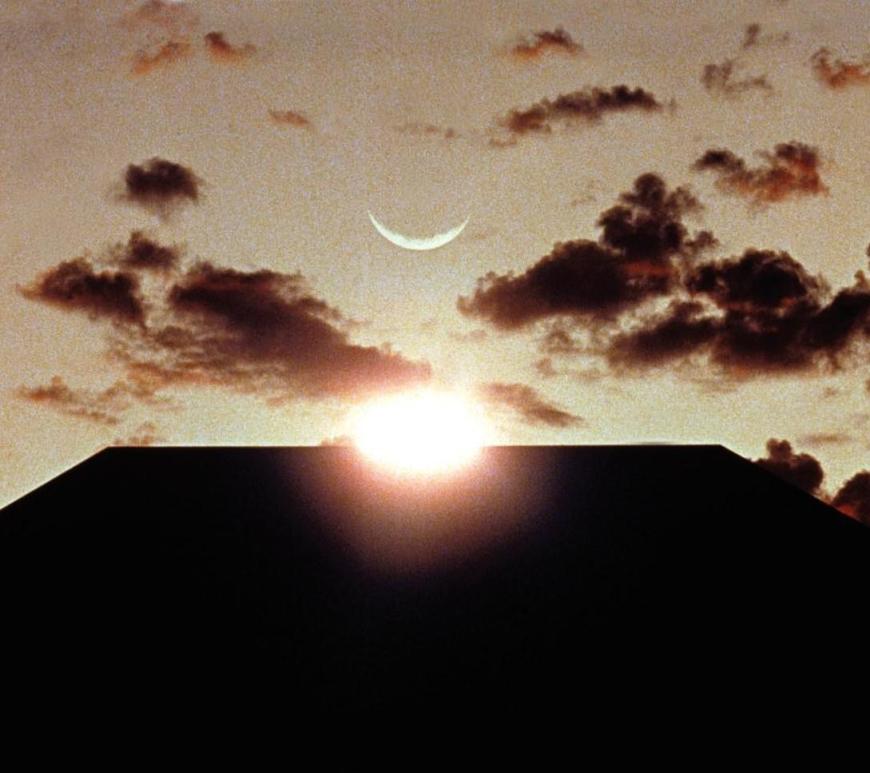
Nietzsche and 2001: A Space Odyssey (1968)

At this moment in time, I’m currently between two relatively heavy audio-visual essays.  The first (which is now finished and will be going online in segments from the end of the month) is about Andrei Tarkovsky’s film, The Sacrifice (1986) and how it has parallel aims with that of the Russian composer Scriabin and his unfinished work, Mysterium.  The second is looking at Stanley Kubrick’s … Continue reading Nietzsche and 2001: A Space Odyssey (1968)

Analysis of Sound and Music in Alfred Hitchcock’s Psycho (1960) – Part 2 (An Audiovisual Foreshadowing)

Part 1. Emphasis on Visual Cues in Scott Murphy’s “An Audiovisual Foreshadowing in Psycho“. “We can grasp in effect something which, already in nature, appropriates the gaze to the function to which it may be put in the symbolic relation in man.” – Jacques Lacan (1977, p.105). Scott Murphy’s “An Audiovisual Foreshadowing in Psycho” is already an interesting proposition in the context of its original … Continue reading Analysis of Sound and Music in Alfred Hitchcock’s Psycho (1960) – Part 2 (An Audiovisual Foreshadowing)

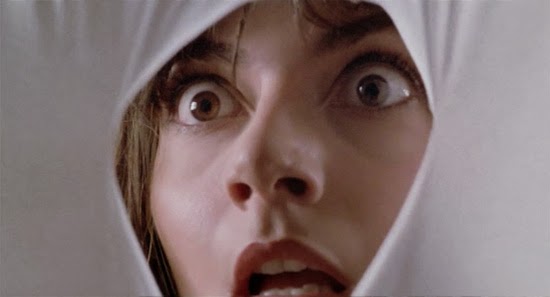
Tenebrae – Dario Argento (1982) – Arrow DVD SteelBook.

The excessive nature of the 1980s made it a perfect realm for an equally excessive horror cinema. While simplifying the decade to its trivial sound bites of bright, electronic yuppyism may be too all encompassing as a genuine historical analysis, this summation of criteria is perfect when discussing the decade’s cinema.  Cinema is so often the most uncomfortable reflective tool on society and yet this … Continue reading Tenebrae – Dario Argento (1982) – Arrow DVD SteelBook.

Analysis of Sound and Music in Alfred Hitchcock’s Psycho (1960) – Part 1

Sound and Music in Alfred Hitchcock’s Psycho and its Different Readings. Introduction. “If Psycho had been intended as a serious picture, it would have been shown as a clinical case with no mystery or suspense.  The material would have been used as the documentation of the case history.  We’ve already mentioned that total plausibility and authenticity merely add up to a documentary.” – Alfred Hitchcock … Continue reading Analysis of Sound and Music in Alfred Hitchcock’s Psycho (1960) – Part 1

2013 in Film.

In contrast to other cineastes that I follow online, I really don’t get out that much. While so many excellent film writers seem to be able to see every relevant new release as it comes (even before if they’re lucky enough to have time and money to get thoroughly into the festival circuit), it’s actually a rarity for me to be able to get into … Continue reading 2013 in Film.

The Seventh Continent (Michael Haneke) and the Freudian Death Drive – Part 2

Part 1. The Seventh Continent. Unlike Freud’s vision of how the Death Drive manifests, Haneke uses the idea as an attack on a number of his usual tropes.  Aspects of modern life such as the dreary drag of the 9 to 5 to the middle class obsession with materialism and ownership/possession all come under fire and blame for the Death Drive take over.  The Seventh … Continue reading The Seventh Continent (Michael Haneke) and the Freudian Death Drive – Part 2

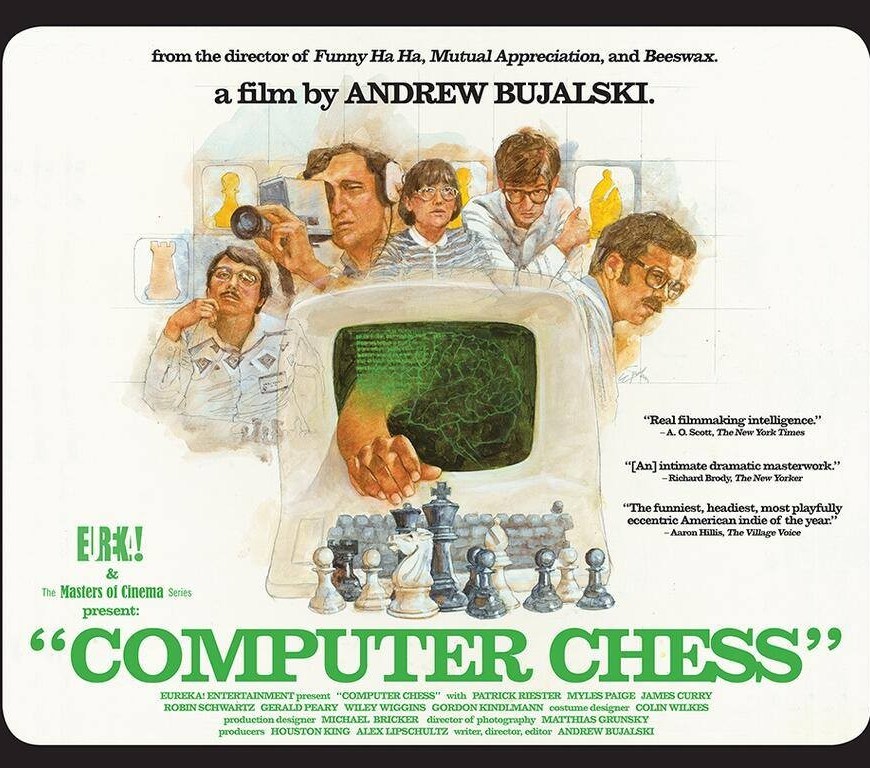
Computer Chess (2013) – Andrew Bujalski.

There is nothing that gives the illusion of the infinite as a tangible concept quite like the game of chess.  Conquering the game has driven several mad and its geeky nature belies the fact that its 64 squares hides a chasm of never ending options and possibilities.  This rather philosophical interpretation of the game is the backdrop for Andrew Bujalski’s subtle comedy, Computer Chess (2013), … Continue reading Computer Chess (2013) – Andrew Bujalski.