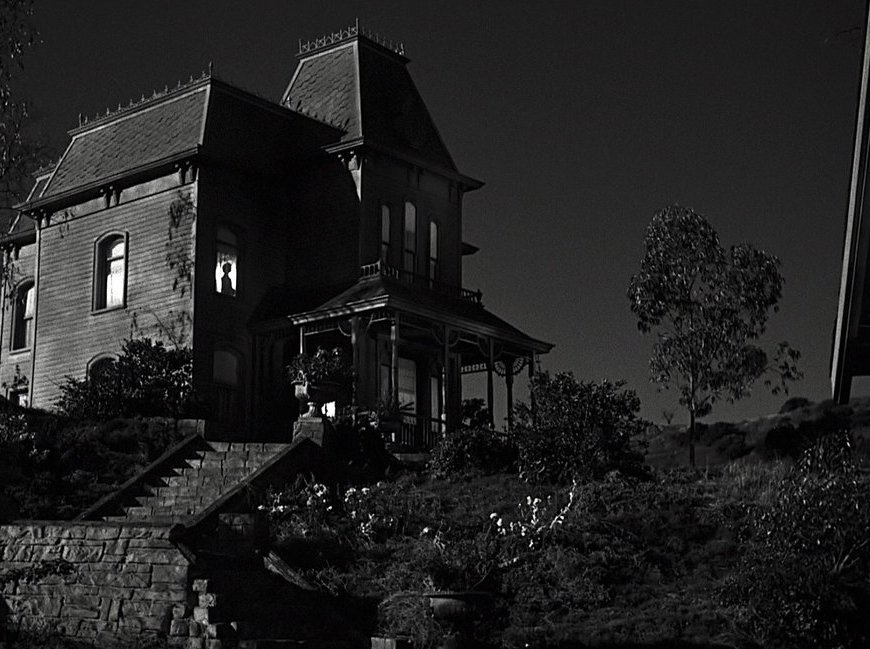
Horror’s Pleasure of Distance

One of my favourite moments from Alfred Hitchcock’s Psycho (1960) is not a typical choice considering the film’s many infamous scenes. Rather than showers, murders and other more memorable images, I particularly love a relatively bland scene later on in the film. It has narrative development in its eerie punch line but has little else on screen in terms of Hitchcock more generally: it is utterly perfunctory … Continue reading Horror’s Pleasure of Distance

Fugitive in the Landscape

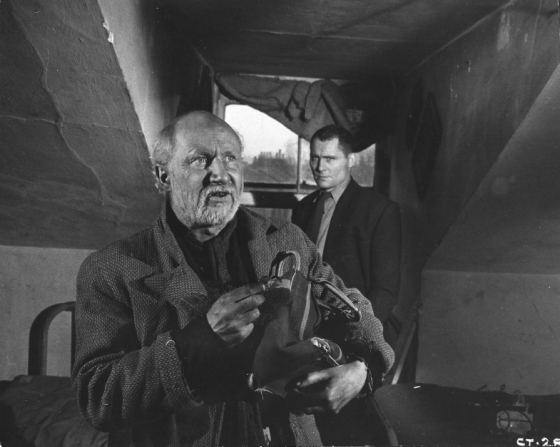
In the British tradition of the Chase & Pursuit drama, there are several reoccurring themes. The idea of a lone individual being chased through different landscapes by a group was popularised in Britain by the Second World War but was around far before then. The basic set-up has an individual wanted for some crime or misdemeanour (sometimes falsely). They are pursued by various parties, from the law … Continue reading Fugitive in the Landscape

Electronic Music And Mental Illness In Cinema.

This article contains narrative spoilers. From its very earliest occurrences, electronic instrumentation and music has been used in cinema to signpost various aspects of mental health problems and issues within diegetic characters.  Alongside its uses in creating alien worlds, electronic instrumentation seems to, at least in the eyes of the films’ creators, have an ability to go deep within the human psyche as well as … Continue reading Electronic Music And Mental Illness In Cinema.

The Urban Wyrd

One of the key criticisms of theories surrounding the genre Folk Horror is its emphasis upon the rural landscape. How can a genre really encompass such rural horror films as Witchfinder General (1968) and The Wicker Man (1973) while also discussing more urban-set horrors such as Quatermass and the Pit (1967)? While key works of Folk Horror cinema seem to broadly focus on rural landscapes to set … Continue reading The Urban Wyrd

Sounds of the City – Defining the Metropolis in Alfred Hitchcock’s Rear Window (1954).

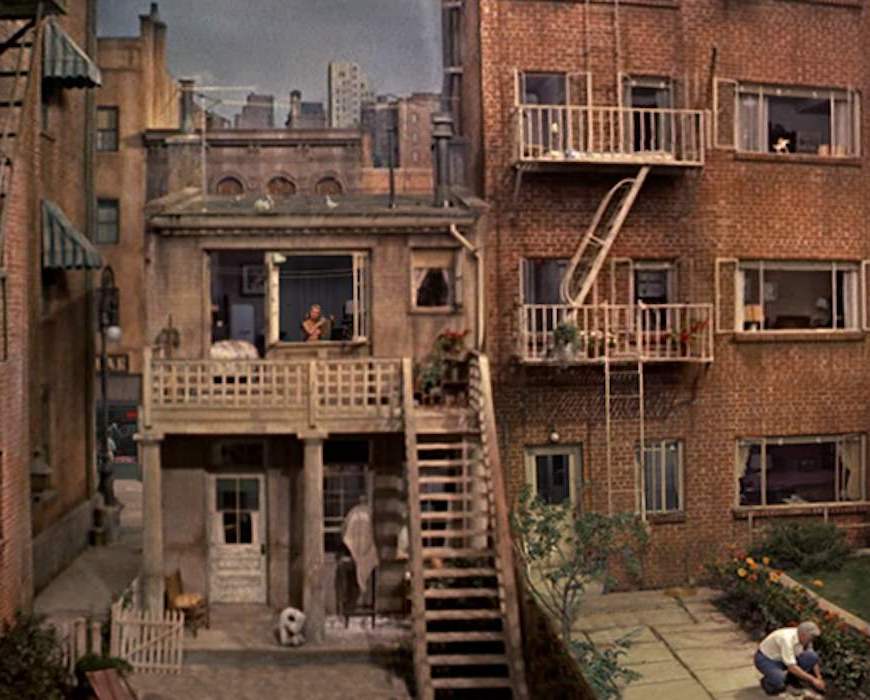
In spite of being set in the most cramped of city-based fictional areas, Alfred Hitchcock’s Rear Window (1954) successfully presents the bustling aesthetics of a whole metropolis while managing to retain an almost claustrophobic isolation.  In the film, Hitchcock presents a temporarily wheelchair-bound photographer who becomes obsessed with a neighbour. He suspects the unusual man to have murdered his wife.  Rear Window presents a number … Continue reading Sounds of the City – Defining the Metropolis in Alfred Hitchcock’s Rear Window (1954).

Films On The Strange British Coastline.

While many British films take full advantage of the rural potential that “this spectered isle” can provide, there seems to be another sub-sect to this branch film, often finding its way into British horror cinema.  Of course, this isn’t as clear cut as simply analysing films under the guise of “Rural Horror” or “Folk Horror” but there is a small batch of British horror films … Continue reading Films On The Strange British Coastline.

The Lady Vanishes (Alfred Hitchcock, 1938) – Early Uses of Musical, Narrative Tools.

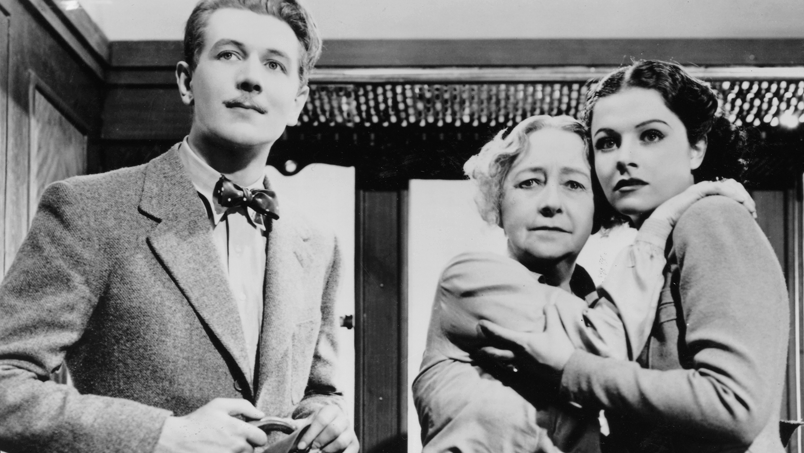
Hitchcock’s early British films tend largely to be devoid of the interesting, endlessly analysable scores his later films have, (thanks mainly to Bernard Herrmann being sat at the musical helm).  It seems to have been an almost standard practice to use a handful of musical scores or fragments in the occasional scene but to largely leave the films musically blank outside of their opening and … Continue reading The Lady Vanishes (Alfred Hitchcock, 1938) – Early Uses of Musical, Narrative Tools.