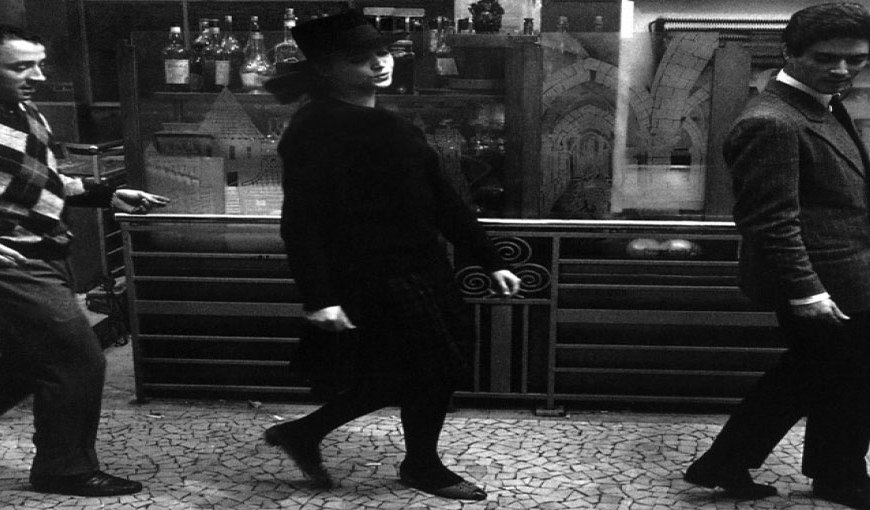
Avant Godard! – Part 2, Musical Subversion (Bande à Part and Pierrot Le Fou)

Part 1. Ideas In Later Films By Godard. Godard would continue to subvert the role of record players in his work to similar but more extreme effects. It seems odd that the connecting factor to all the scenes mentioned is the presence of his, then wife, Anna Karina.  Godard is capable of presenting her dancing and singing with a relatively normal relationship between the visual … Continue reading Avant Godard! – Part 2, Musical Subversion (Bande à Part and Pierrot Le Fou)

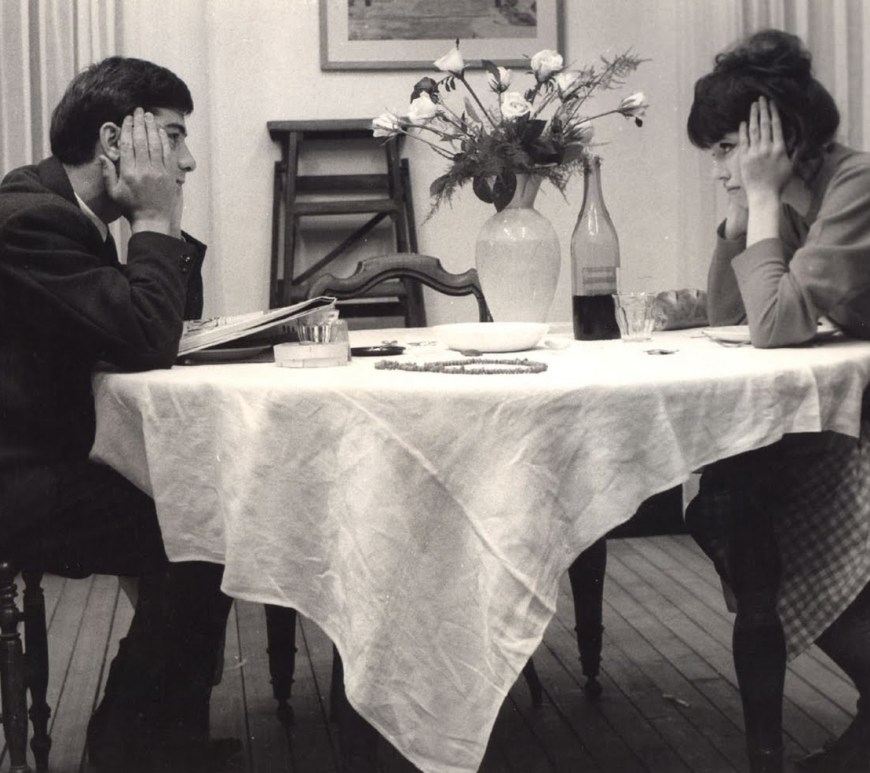
Avant Godard! Musical Subversion In The Films Of Jean-Luc Godard. (Part 1)

Avant Godard! Musical Subversion And Fictional Interaction With Non-Diegetic Music In The Films Of Jean-Luc Godard. Introduction – French New Wave As Avant Garde. When discussing Avant Garde cinema, the most obvious choices of cinematic subject would no doubt be linked to the likes of Dali, Buñuel and Cocteau.  However, the gradual movement from Avant Garde to Art House cinema presents a more interesting case for Avant Garde … Continue reading Avant Godard! Musical Subversion In The Films Of Jean-Luc Godard. (Part 1)

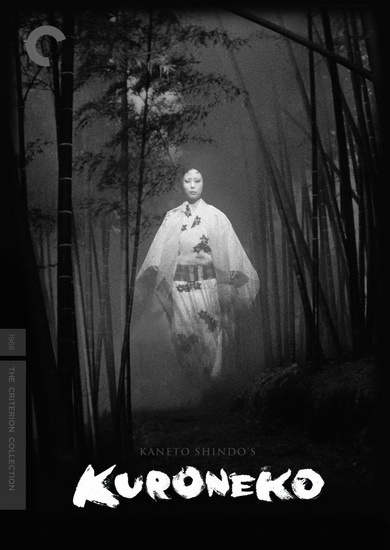
Kuroneko – Kaneto Shindo (1968)

Despite the horrific elements contained within, Kuroneko is ill served by being pigeon holed into the genre of horror.  The genre as a whole has a huge spectrum of intelligence and allegory but there’s more to Kaneto Shindo’s film than this, quite malleable, label.  It of course gives scares, and Japanese “horror” is well ahead of the western game in terms of sheer scare value but its … Continue reading Kuroneko – Kaneto Shindo (1968)

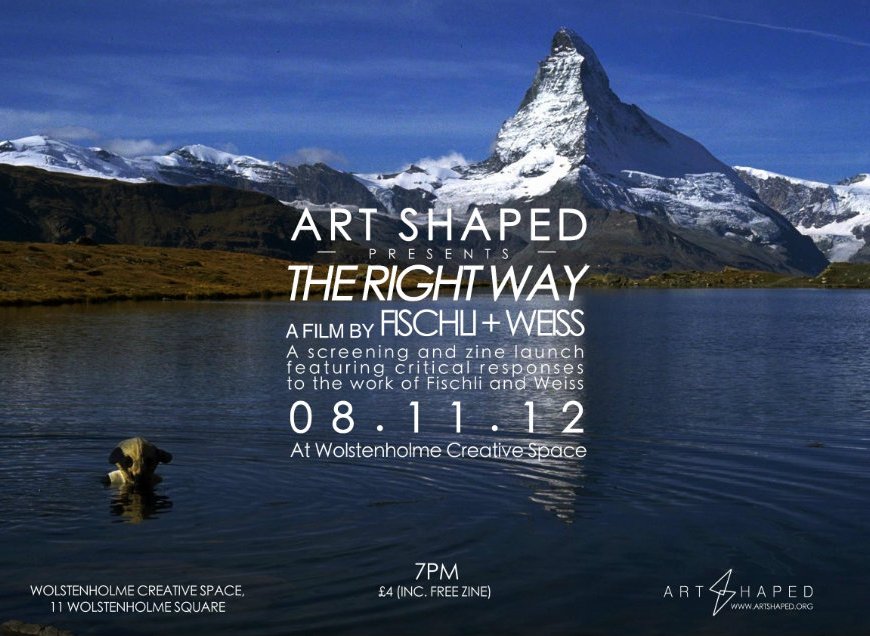
Herzog + Postgate = Fischli and Weiss? (Art Shaped Liverpool)

Recently I’ve been lucky enough to be involved with a new project company in Liverpool called Art Shaped.  The article below is a response to viewing The Right Way by Fischli and Weiss which was especially imported from a gallery in Switzerland.  The project produced a zine which is where this article can be originally found and was given out at the screening.  Along with other articles, … Continue reading Herzog + Postgate = Fischli and Weiss? (Art Shaped Liverpool)

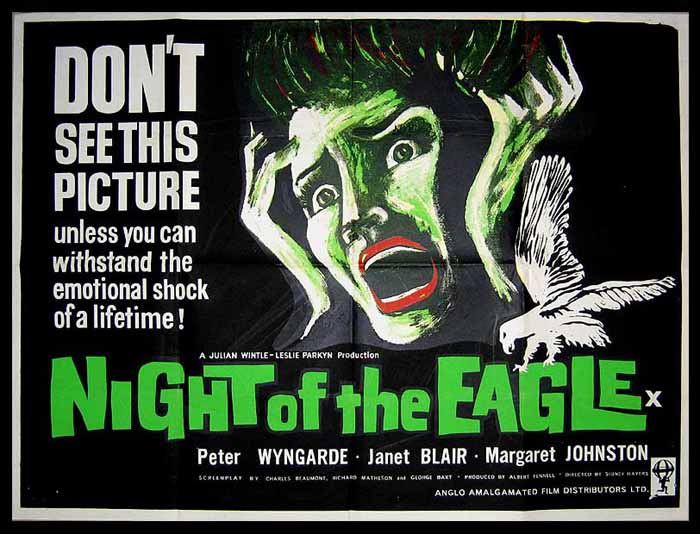
Night Of The Eagle – Sidney Hayers (1962)

If Alfred Hitchcock were to have made an occult horror film, it’s not beyond the realms of fantasy to believe that it would look something like Sidney Hayers’ 1962 film Night of the Eagle.  Mixing up all sorts of clean cut imagery and marvellously juicy language, the film is one of the more Freudian in the horror canon and a far more subtle affair than … Continue reading Night Of The Eagle – Sidney Hayers (1962)

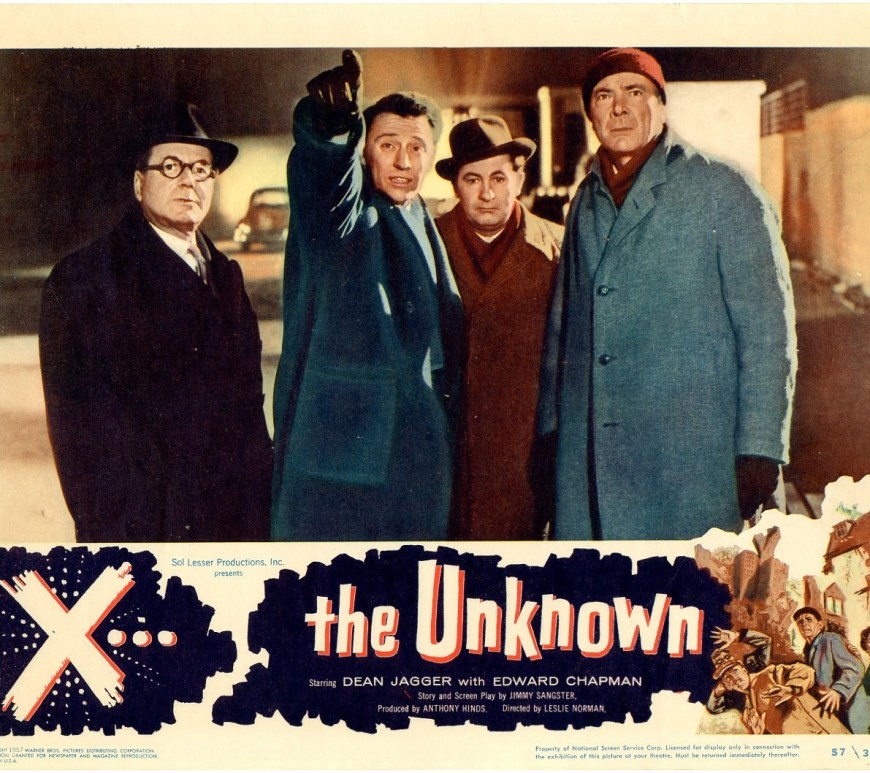
X The Unknown – Leslie Norman (1956)

Following on from Hammer’s The Quatermass Xperiment, the company continued their desire for rating incorporated titles with 1956’s X The Unknown. It may perhaps hold the most unimaginative of Hammer’s titles but the film itself has some surprisingly good moments. The story follows an extremely similar route to its predecessor but certain tweaks allow more paranoia to build specifically around the radiation that clearly obsessed … Continue reading X The Unknown – Leslie Norman (1956)

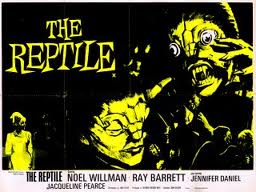
The Reptile – John Gilling (1966)

This article contains spoilers. As a companion piece to John Gilling’s other big Hammer success The Plague of Zombies, 1966’s other Cornish based horror is an entirely different film even though shot relatively back to back.  The Reptile focuses far more on the individual effects of a creature on the loose rather than a general view on the chaos, though obviously the villages where both … Continue reading The Reptile – John Gilling (1966)

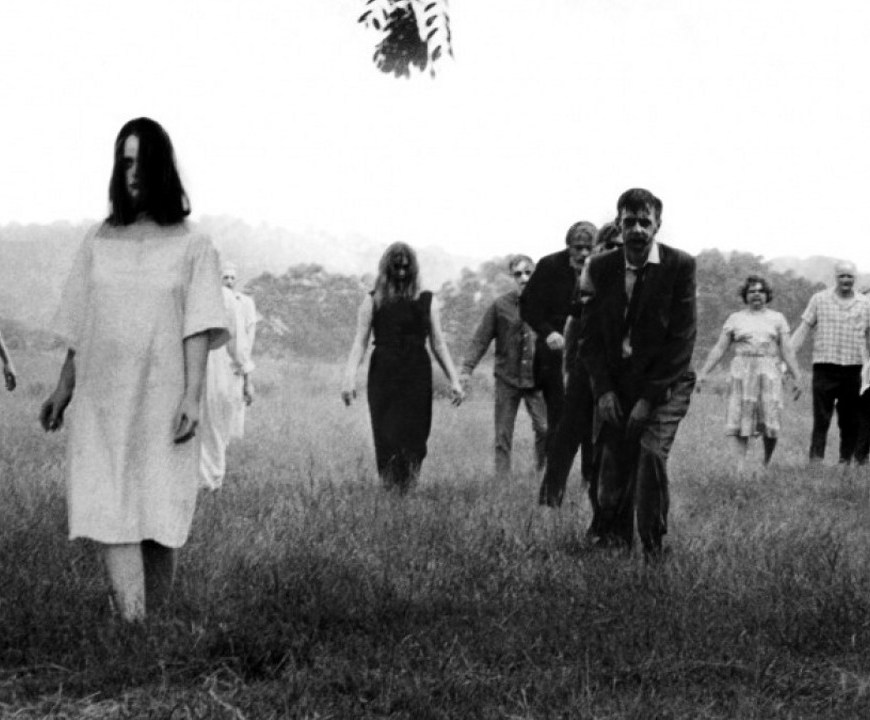
The Horror Score Rebellion Part 2 – Night Of The Living Dead And The Electronic Score.

Horror films were slow on the upkeep when it came to electronic music. Though elements of it were being used in other genres before 1968, electronic music didn’t really reach horror until the late sixties. The exact date of the first use of electronic score has been attributed to various films; largely Cold War fare such as The Day the Earth Stood Still (1951) and Invasion of the … Continue reading The Horror Score Rebellion Part 2 – Night Of The Living Dead And The Electronic Score.

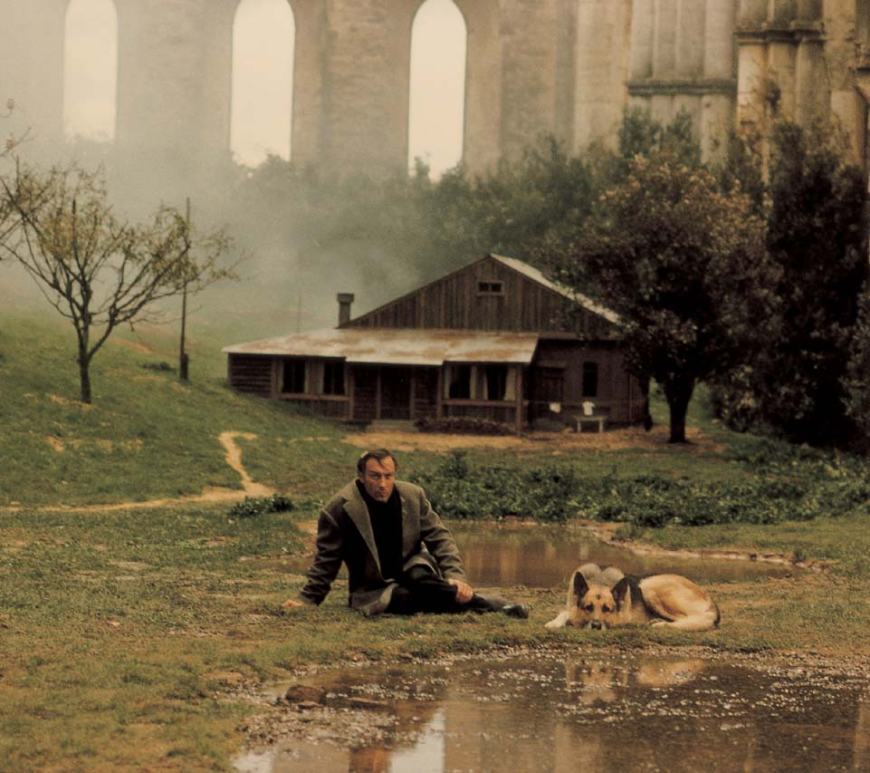
How Historical And Cultural Dynamics Shaped The Work of Andrei Tarkovsky (Part 2-Nostalghia).

Tarkovsky after The Soviet Union “The Artist exists because the world is not perfect” –  Tarkovsky in interview. When considering what makes a cinema officially national, what elements are really being held to account?  No matter what is said, there will always be anomalous results that mean certain visuals, techniques and scores don’t actually define a national cinema but are simply used by it.  Perhaps … Continue reading How Historical And Cultural Dynamics Shaped The Work of Andrei Tarkovsky (Part 2-Nostalghia).

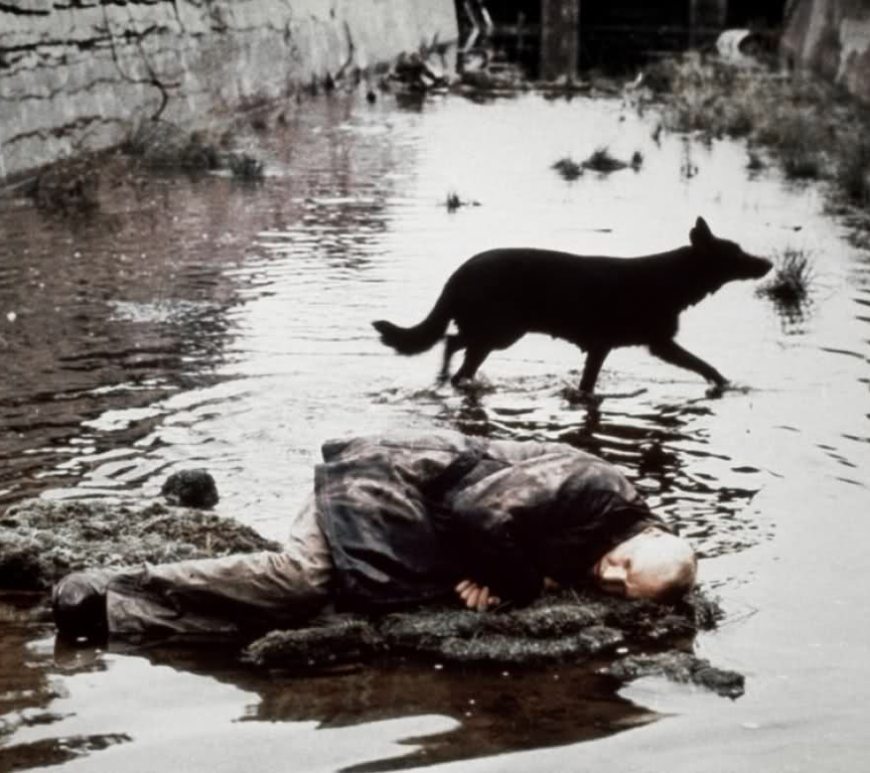
How Historical And Cultural Dynamics Shaped The Work Of Andrei Tarkovsky (Part 1 – Stalker)

Perhaps being from the west, Russian film fulfills that same function as cultural currency meaning we as a western audience are only shown what the country considers to be its finest and most cultured films yet this matters little in an argument for national cinemas as this is the image projected to us as an audience and only a true Russian will know whether all … Continue reading How Historical And Cultural Dynamics Shaped The Work Of Andrei Tarkovsky (Part 1 – Stalker)