Peeping Tom (Michael Powell,1960) – Aural Perspectives of Murder.

In spite of its very energetic reappraisal and various analyses, Michael Powell’s career destroying masterpiece, Peeing Tom (1960), is a film whose musical eccentricities and sound design contain hidden depths. For a film that appears on the surface to be almost excessively Freudian, this was normal yet, when looking at some of the detailed reappraisals and even some of the high-end re-evaluations of its narrative … Continue reading Peeping Tom (Michael Powell,1960) – Aural Perspectives of Murder.

Analysis of Sound and Music in Alfred Hitchcock’s Psycho (1960) – Part 4 (Conclusions)

Part 1. Part 2. Part 3.  Combining the Readings: Similarities, Contradictions and Cross-Over. “It’s as if the film were pinpointing the very essence of the unfilmable: the entwined couple, monstrous, the two-backed beast of the primal scene, the impossible couple of body and voice.” – Michel Chion (1999, p.149). While Murphy and Fenimore examine and address different points and issues, their resulting essays not only … Continue reading Analysis of Sound and Music in Alfred Hitchcock’s Psycho (1960) – Part 4 (Conclusions)

Analysis of Sound and Music in Alfred Hitchcock’s Psycho (1960) – Part 3 (Acousmatic Concepts)

Part 1. Part 2. Emphasis on Acousmatic Concepts in Ross J. Fenimore’s “Voices that Lie Within”. “Psycho almost didn’t happen.  This is a unique case of music literally saving a film.” – Sullivan (2006, p.246). Like much literature around Psycho, Fenimore’s “Voices That Lie Within” begins its argument with setting the scene. “Psycho begins with a theft.”(2010, p.80) he begins as so many often do.  … Continue reading Analysis of Sound and Music in Alfred Hitchcock’s Psycho (1960) – Part 3 (Acousmatic Concepts)

Deep End (1970) and the Musical Emphasising of Narrative (Jerzy Skolimowski).

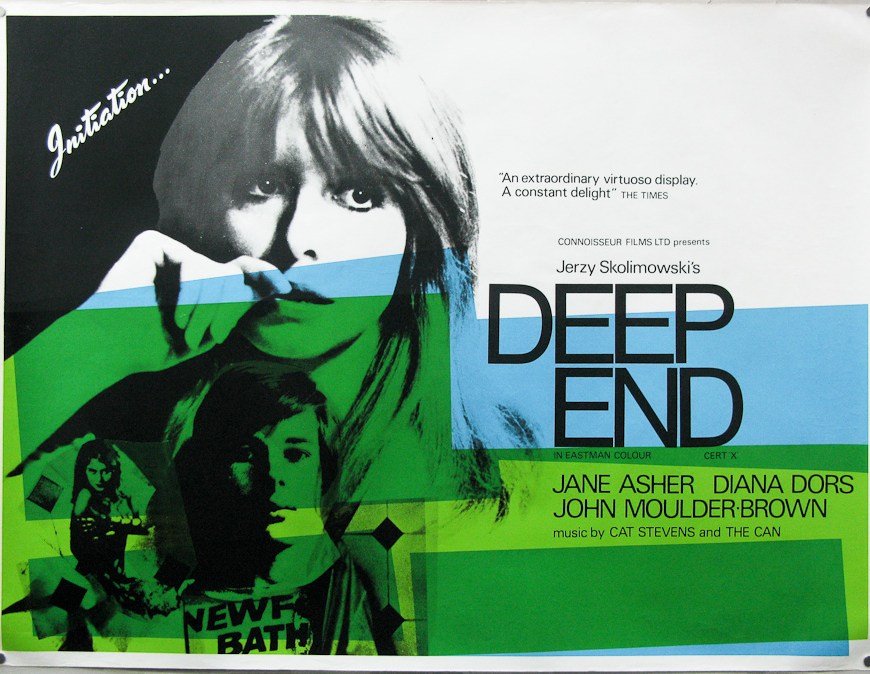
This article contains spoilers. There are many aspects of distraction within Jerzy Skolimowski’s 1970 film, Deep End.  Its highly sexualised, sometimes seedy narrative, its vast array of colours and its crisp, sharp direction are only a handful of its hyper-active eccentricities.  Even David Lynch, a long-time pessimist about colour cinema, is on record as a fan of Deep End‘s array of powerful colours, and styles.  … Continue reading Deep End (1970) and the Musical Emphasising of Narrative (Jerzy Skolimowski).

Analysis of Sound and Music in Alfred Hitchcock’s Psycho (1960) – Part 2 (An Audiovisual Foreshadowing)

Part 1. Emphasis on Visual Cues in Scott Murphy’s “An Audiovisual Foreshadowing in Psycho“. “We can grasp in effect something which, already in nature, appropriates the gaze to the function to which it may be put in the symbolic relation in man.” – Jacques Lacan (1977, p.105). Scott Murphy’s “An Audiovisual Foreshadowing in Psycho” is already an interesting proposition in the context of its original … Continue reading Analysis of Sound and Music in Alfred Hitchcock’s Psycho (1960) – Part 2 (An Audiovisual Foreshadowing)

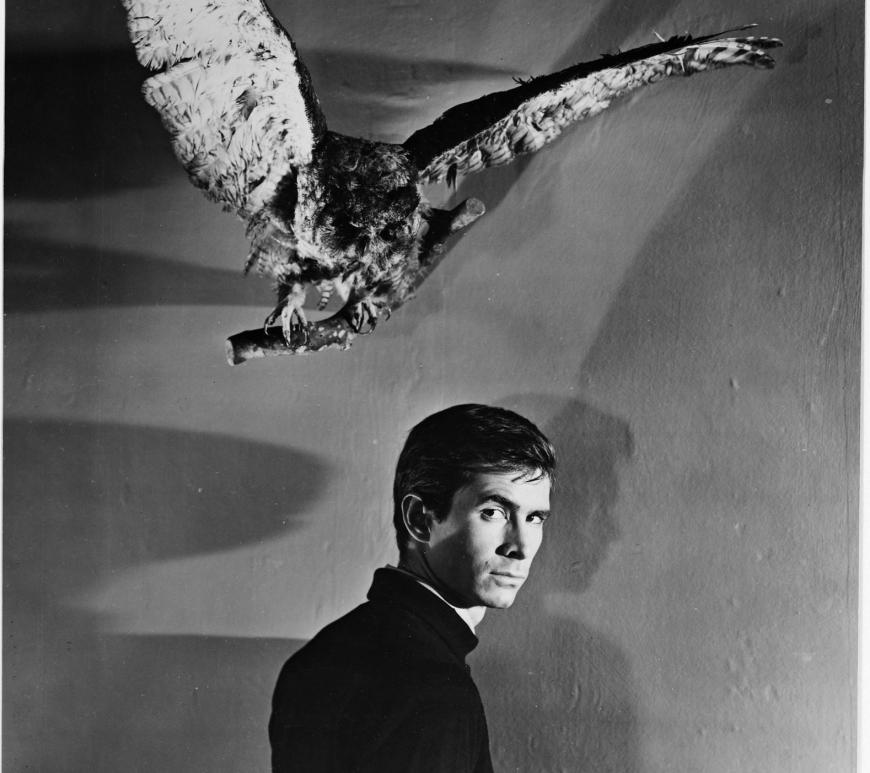
Analysis of Sound and Music in Alfred Hitchcock’s Psycho (1960) – Part 1

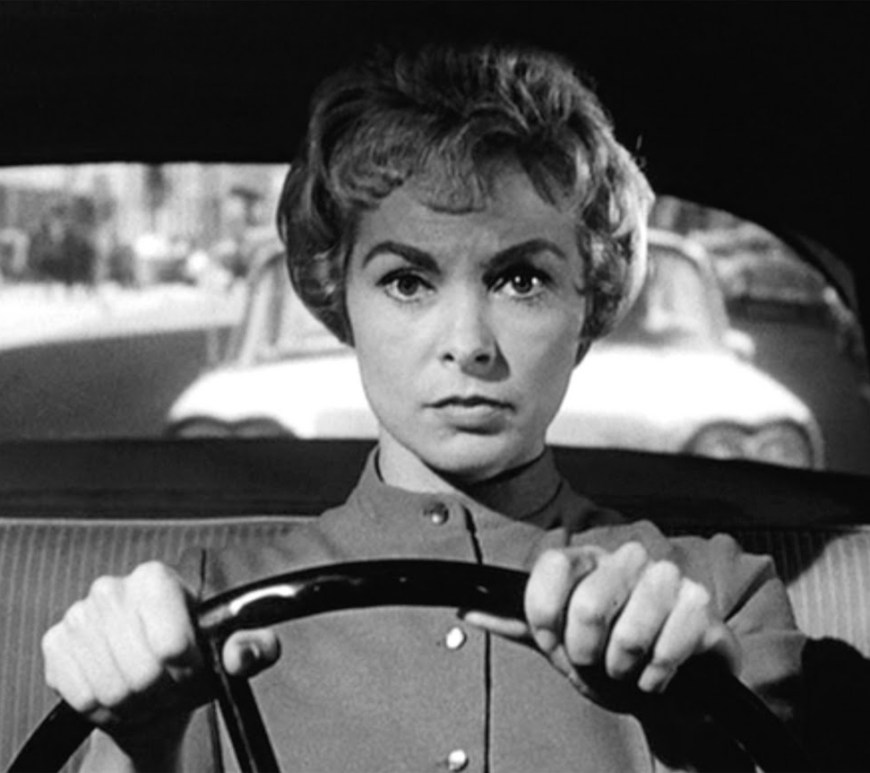
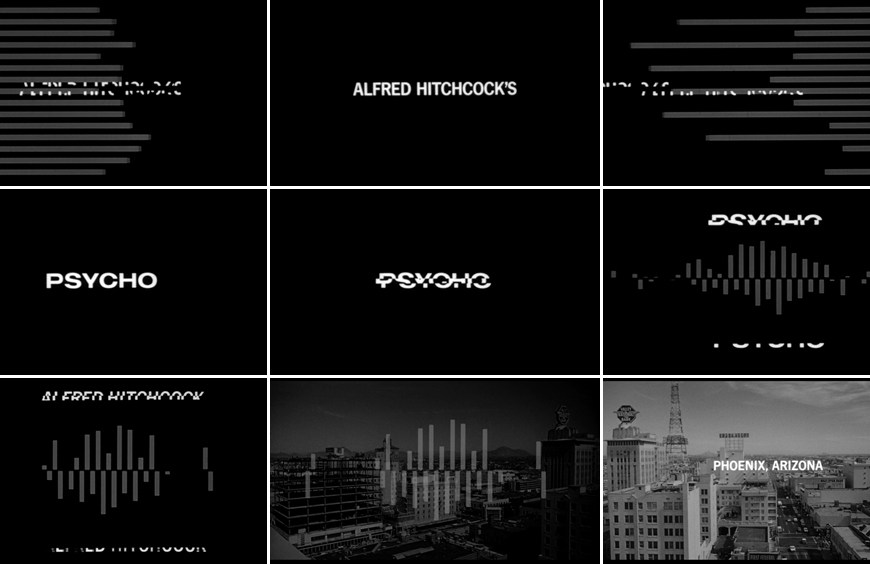
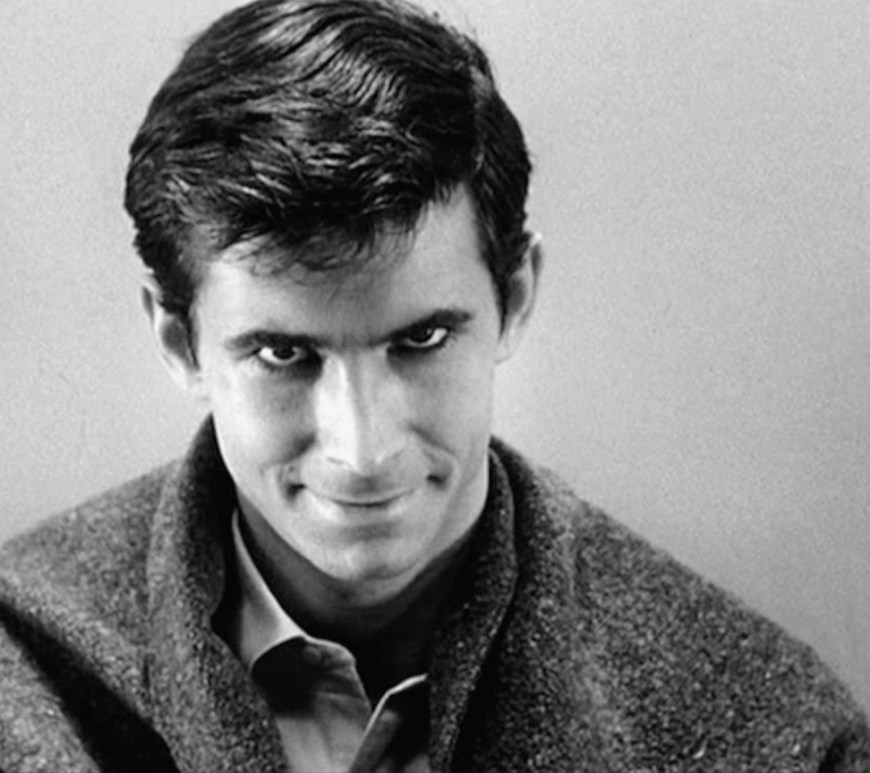
Sound and Music in Alfred Hitchcock’s Psycho and its Different Readings. Introduction. “If Psycho had been intended as a serious picture, it would have been shown as a clinical case with no mystery or suspense.  The material would have been used as the documentation of the case history.  We’ve already mentioned that total plausibility and authenticity merely add up to a documentary.” – Alfred Hitchcock … Continue reading Analysis of Sound and Music in Alfred Hitchcock’s Psycho (1960) – Part 1

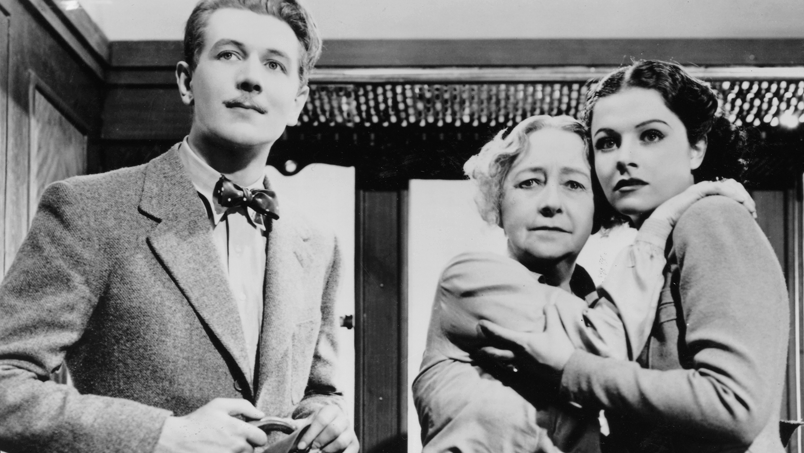
The Lady Vanishes (Alfred Hitchcock, 1938) – Early Uses of Musical, Narrative Tools.

Hitchcock’s early British films tend largely to be devoid of the interesting, endlessly analysable scores his later films have, (thanks mainly to Bernard Herrmann being sat at the musical helm).  It seems to have been an almost standard practice to use a handful of musical scores or fragments in the occasional scene but to largely leave the films musically blank outside of their opening and … Continue reading The Lady Vanishes (Alfred Hitchcock, 1938) – Early Uses of Musical, Narrative Tools.

El Topo and The Lamb Lies Down On Broadway (Jodorowsky and Gabriel).

Alejandro Jodorowsky’s El Topo (1970) has rightly earned a place in the pantheon of cult cinema. Watch any number of documentaries or interviews with the man himself and the film will often stand proud as the pioneer of the “Midnight Movie”; a film obviously shown late due to its content but also exuding free reign over all of its creative aspects.  Researching further into the … Continue reading El Topo and The Lamb Lies Down On Broadway (Jodorowsky and Gabriel).

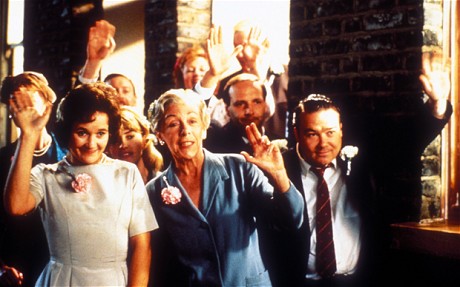
Distant Voices, Still Lives (Part 4) – Communal Singing and Domestic Abuse.

Part 1. Part 2. Part 3. Part 4. Part 5. Part 6. Part 7. Communal Singing of Popular Music. “Song lyrics threaten to offset the aesthetic balance between music and narrative cinematic representation. The common solution taken by the standard feature film is not to declare songs off limits – for they can give pleasure of their own – but to defer significant action and … Continue reading Distant Voices, Still Lives (Part 4) – Communal Singing and Domestic Abuse.

David Lynch’s Musical Formations of Cinematic Ideas (The Big Dream).

David Lynch has a very clear and obvious interest in music. This interest finds its way into his films via a number of different methods and often build upon the director’s main recurring themes and ideas. What makes David Lynch distinct from other American directors with interests in music such as Martin Scorsese and Woody Allen is that Lynch’s interest has peaked at a point … Continue reading David Lynch’s Musical Formations of Cinematic Ideas (The Big Dream).