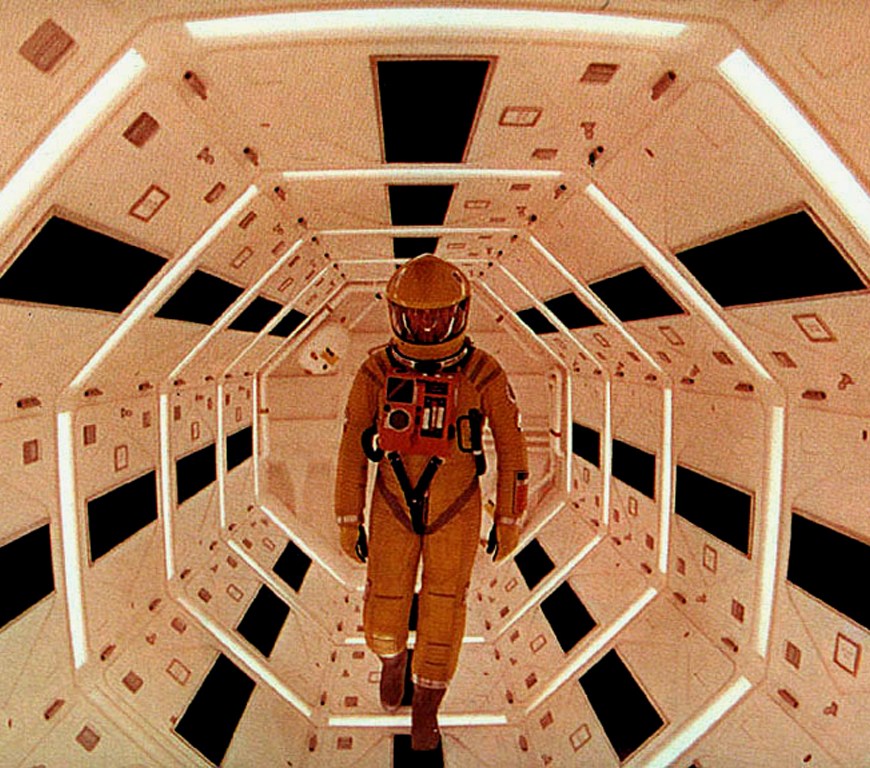
Ligeti’s Atmosphères as a Musical Foreshadowing of Kubrick’s 2001- Part 4 (Conclusions)

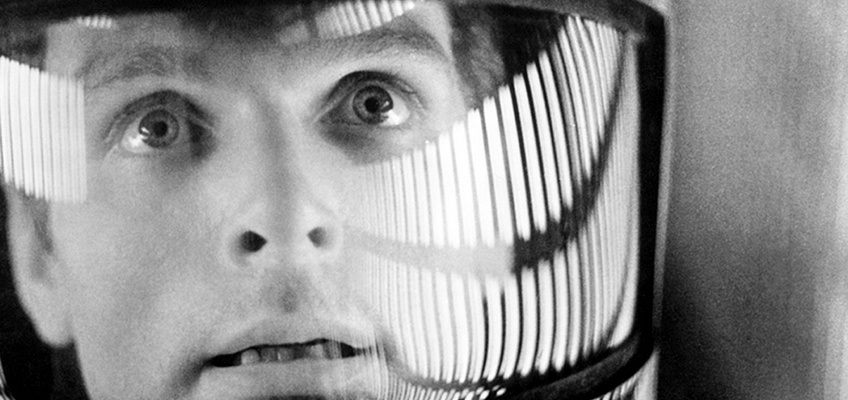
Part 1. Part 2. Part 3. Conclusions “The link between art and real history is the fact that works of art are structured like monads.  History may be called the content of works of art.  Analysing them is the same as becoming conscious of the immanent history stored up in them.” Adorno (1970, p.126). The bedrock of this essay has been to show how Ligeti’s … Continue reading Ligeti’s Atmosphères as a Musical Foreshadowing of Kubrick’s 2001- Part 4 (Conclusions)

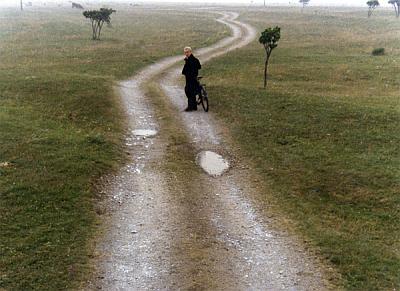
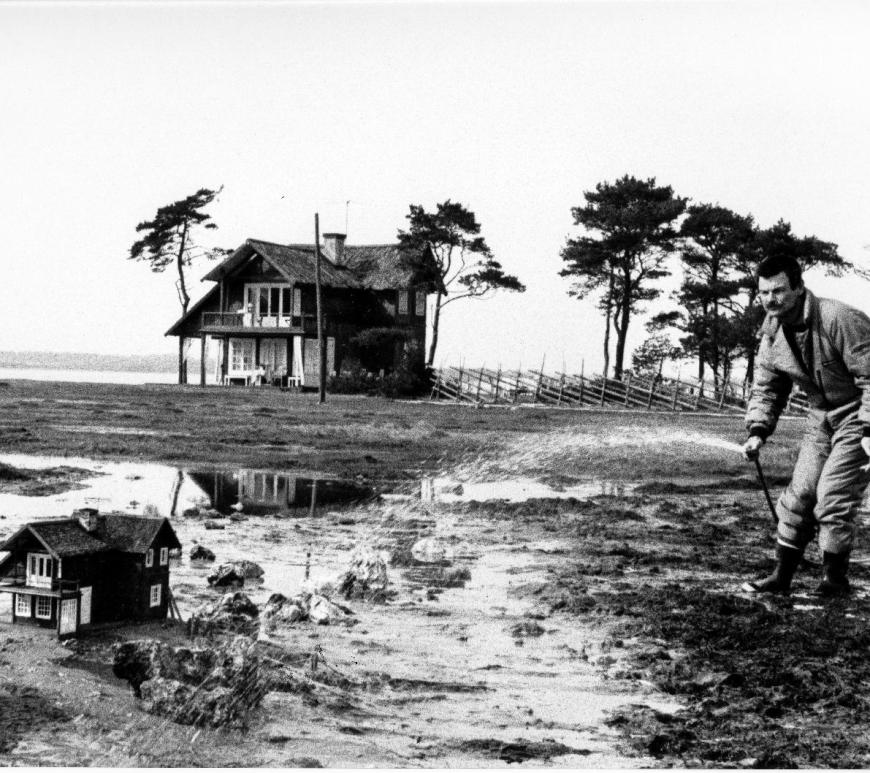
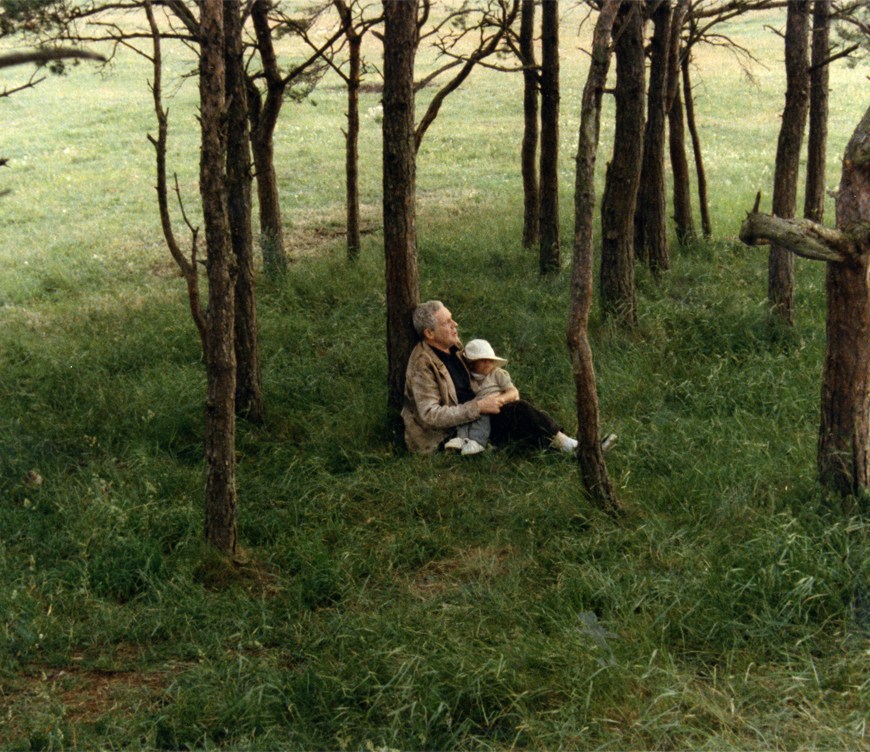
Elemental Chaos and Eternal Return in Scriabin and Andrei Tarkovsky – Part 4 (Zarathustra).

Part 1. Part 2. Part 3. The Eternal Return and Zarathustra’s Gift. “-and must we not return down that other lane out before us, down that long, terrible lane – must we not return eternally?” – Nietzsche (1883/1986, p.241). The final section of this argument refers back to Nietzsche and his writing on the Eternal Return.  His work on the subject, both philosophically in The … Continue reading Elemental Chaos and Eternal Return in Scriabin and Andrei Tarkovsky – Part 4 (Zarathustra).

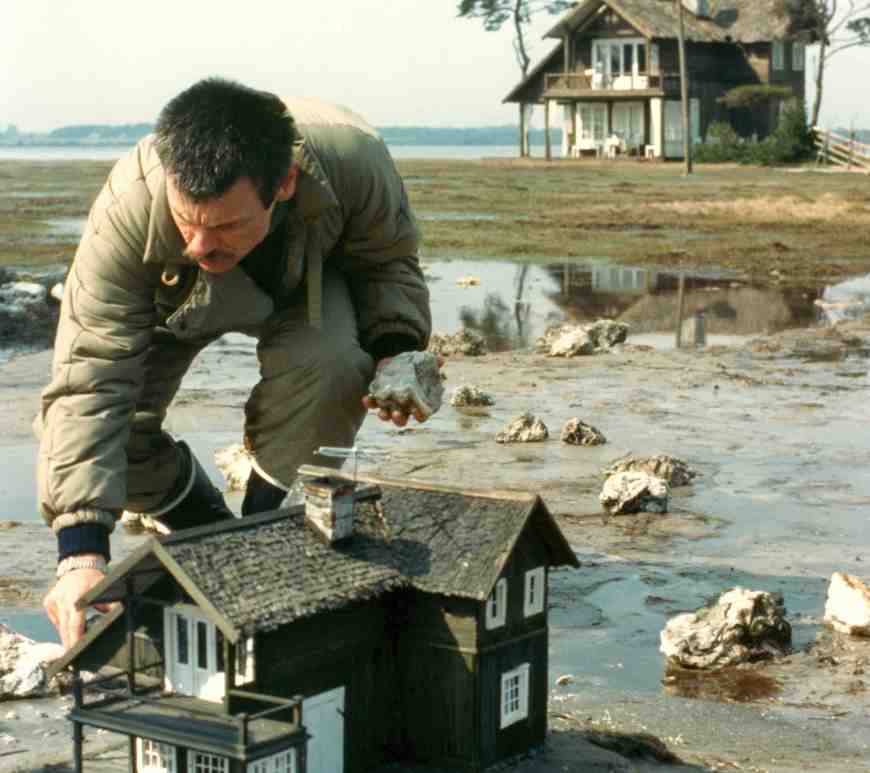
Elemental Chaos and Eternal Return in Scriabin and Andrei Tarkovsky – Part 5 (ANS Synthesiser + Conclusions).

Part 1. Part 2. Part 3.  Part 4. The ANS Synthesiser and the Final Parallel. “Has man any hope of survival in the face of all the patent signs of impending apocalyptic silence?” Tarkovsky (1987, p.229) Scriabin and Tarkovsky have a final meeting place outside of the philosophical.  This meeting, on the one hand, seems almost to be coincidental but further inspection suggests that it is … Continue reading Elemental Chaos and Eternal Return in Scriabin and Andrei Tarkovsky – Part 5 (ANS Synthesiser + Conclusions).

Ligeti’s Atmosphères as a Musical Foreshadowing of Kubrick’s 2001- Part 3 (Musical Narrative)

Part 1. Part 2. 2001: Narrative and Musical Parallels. “Ultimately, 2001 is a film that suspends that coordination of the human body, and thus human nature, in such conditions- even as it suspends our final judgments about human nature in its open-ended conclusion about our future development.” Decker – (2007, p.101). One of the biggest omens that a piece of music is given preference in … Continue reading Ligeti’s Atmosphères as a Musical Foreshadowing of Kubrick’s 2001- Part 3 (Musical Narrative)

Elemental Chaos and Eternal Return in Scriabin and Andrei Tarkovsky – Part 3 (Natural and Cyclic Rejuvenation)

Part 1. Part 2. Natural Forces and Cyclic Rejuvenation. “Critical neglect of this reference to Nietzsche is even more puzzling, however, when one considers that Nietzsche’s doctrine of the Eternal Return is a philosophical re-interpretation of the theme of Time for Time was, after all, a major obsession with Tarkovsky. As is well known, Tarkovsky’s preferred way of characterizing the art of filmmaking was as … Continue reading Elemental Chaos and Eternal Return in Scriabin and Andrei Tarkovsky – Part 3 (Natural and Cyclic Rejuvenation)

Ligeti’s Atmosphères as a Musical Foreshadowing of Kubrick’s 2001- Part 2 (The Musical Past)

Part 1. Musical Techniques of Atmosphères and Disassociations with the Past. “Seen from this angle, with Atmosphères I was consciously reacting against the refinement of serialism.  Musical texture in Atmosphères is also refined but in quite a different dimension.” -Ligeti (1983, p.38). Before even looking in any depth at the notational content of Ligeti’s Atmosphères, it becomes clear to the reader when looking over the … Continue reading Ligeti’s Atmosphères as a Musical Foreshadowing of Kubrick’s 2001- Part 2 (The Musical Past)

Elemental Chaos and Eternal Return in Scriabin and Andrei Tarkovsky – Part 2 (Chaos)

Part 1. Elemental Chaos. “The Mountains, Fields, Meadows, Forest, and Wilderness of the Preparatory Act text symbolize the mineral kingdom and natural kingdoms of the Earth, the first three “Rounds” of the Wheel of Cosmic life.” (1998, p.303) – Stephen Morris. It is not revolutions and upheavals That clear the road to new and better days, But revelations, lavishness and torments Of someone’s soul, inspired … Continue reading Elemental Chaos and Eternal Return in Scriabin and Andrei Tarkovsky – Part 2 (Chaos)

Ligeti’s Atmosphères as a Musical Foreshadowing of Kubrick’s 2001- Part 1 (Introduction)

Ligeti’s Atmosphères as a Musical Foreshadowing of Stanley Kubrick’s 2001: A Space Odyssey. Introduction. “First in Cologne in 1957 and later during my long stay in Vienna in the ’60s, I gradually evolved a musical style in which I abandoned structures conceived in terms of bars, melodies, lines and conventional forms.  In this respect my first two orchestral works, Apparitions and Atmosphères, are the most … Continue reading Ligeti’s Atmosphères as a Musical Foreshadowing of Kubrick’s 2001- Part 1 (Introduction)

Eroticism in the Music of Béla Bartók – Part 6 (Kubrick and Conclusions).

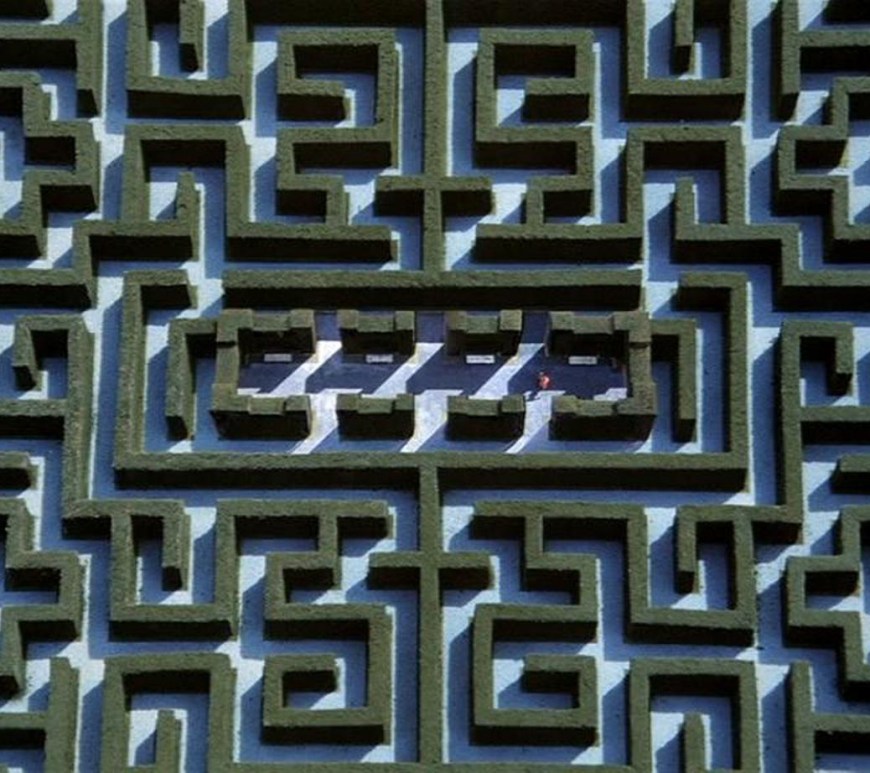
Part 1. Part 2. Part 3. Part 4. Part 5. Music for Strings, Percussion and Celesta in Stanley Kubrick’s The Shining (1980). Though not as fuelled by repression and eroticism as The Miraculous Mandarin, Music for Strings, Percussion and Celesta also made the slight transition from eroticism to horror.  With its use on Doctor Who, the very basic groundwork for the piece was laid for … Continue reading Eroticism in the Music of Béla Bartók – Part 6 (Kubrick and Conclusions).

Elemental Chaos and Eternal Return in Scriabin and Andrei Tarkovsky – Part 1 (Introduction)

Elemental Chaos and Nietzsche’s Eternal Return in the Music of Alexander Scriabin and the Films of Andrei Tarkovsky. Introduction “It is as natural to die as to be born; and to a little infant, perhaps, the one is as painful as the other.” (1625/2002, p.344) – Francis Bacon. The cyclic nature of life and the process of destruction and rejuvenation has been a subject of … Continue reading Elemental Chaos and Eternal Return in Scriabin and Andrei Tarkovsky – Part 1 (Introduction)