Presence, or Polaroid Ghosts (Part 17)

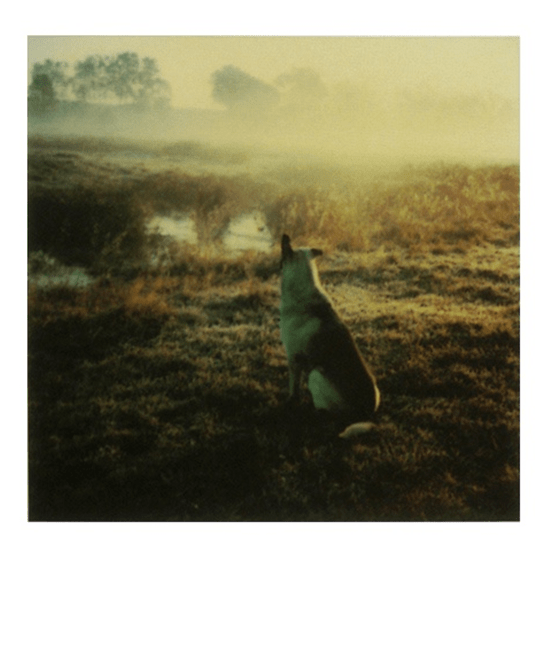
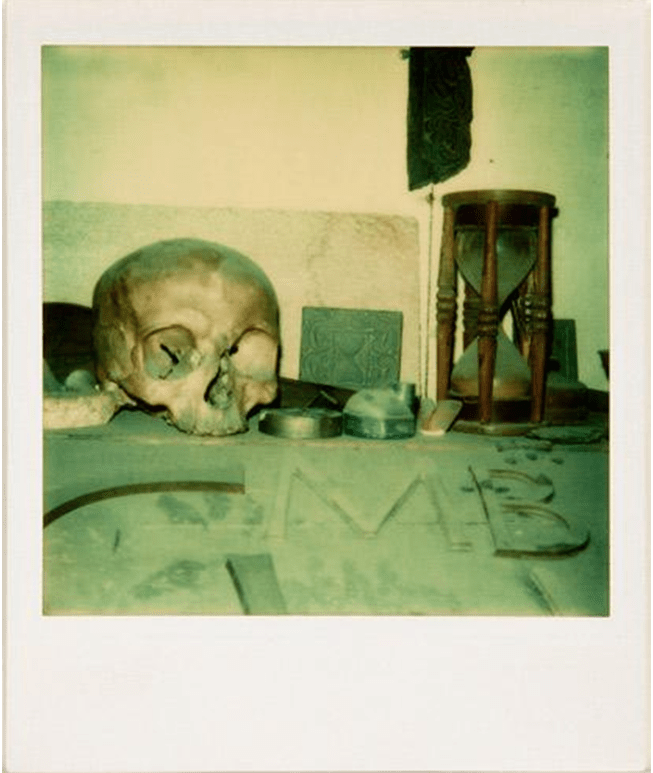
Part 16 Andy Warhol was far ahead of his time, in both the deathliness of his Polaroid portraits and in his use of the camera as a kitsch object. Other photographers found potential in similar Polaroid deathliness, but without such kitsch elements at play. Walker Evans in particular found a new dimension added to his own style of portraiture when he used the Polaroid rather … Continue reading Presence, or Polaroid Ghosts (Part 17)

Presence, or Polaroid Ghosts (Part 12)

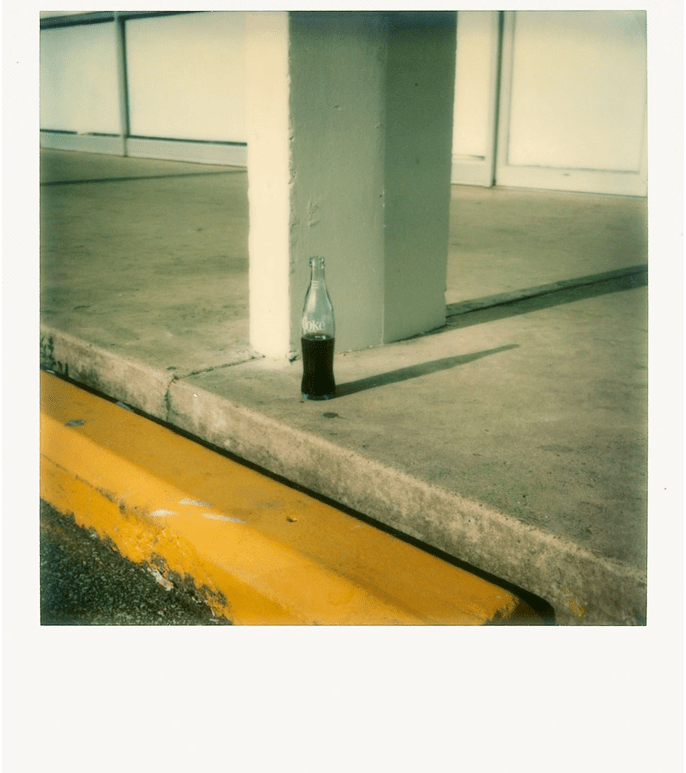
Part 11 Not all memories are as sacred as Tarkovsky’s. If time can be expressed in photos taken by the public at drunken parties, then it can certainly present in work by other artists, even those driven by less transcendental aims than Tarkovsky. Considering this, the first body of work that comes to mind is that of the American photographer William Eggleston. The Tennessee photographer … Continue reading Presence, or Polaroid Ghosts (Part 12)

Presence, or Polaroid Ghosts (Part 11)

Part 10 Over time, we become strangers to ourselves in Polaroids. We take them, not to create memories, but to help retain them. Sometimes this is unnecessary. At other times, it is essential if we want to remember moments in our lives. This is an idea realised perfectly in Christopher Nolan’s debut feature, Memento (2000). It is a film that essentially sits on the cusp … Continue reading Presence, or Polaroid Ghosts (Part 11)

Presence, or Polaroid Ghosts (Part 5)

Part 4 The French philosopher René Descartes believed that his recollections were evidence he was not dreaming. He knew he was not asleep and merely creating the world in his mind’s eye because he was surrounded by things possessing a context that he was aware of personally. ‘But when I perceive things of which I clearly know both the place they come from and that … Continue reading Presence, or Polaroid Ghosts (Part 5)