Presence, or Polaroid Ghosts (Part 12)

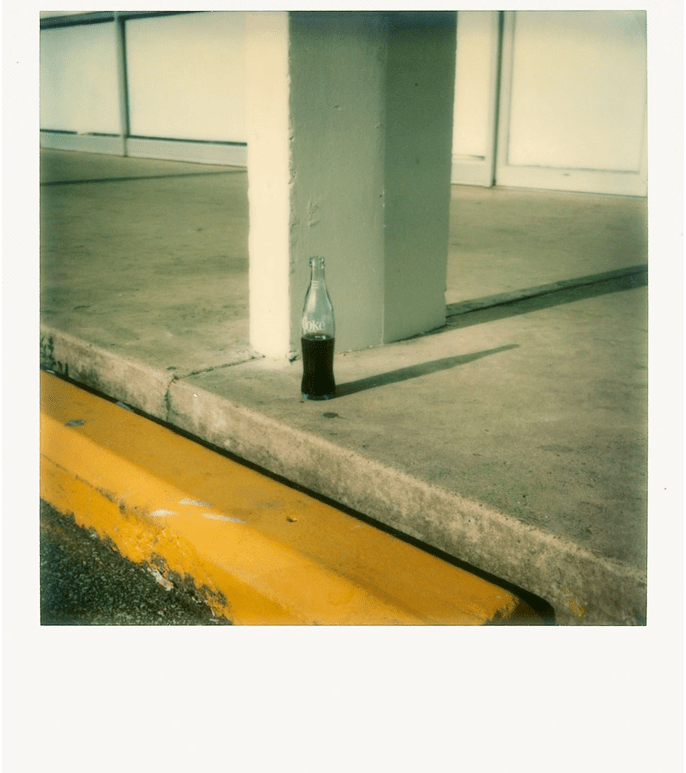
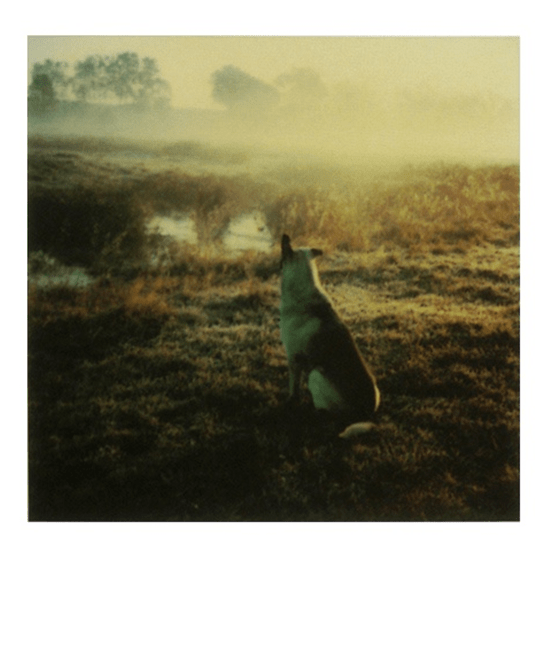
Part 11 Not all memories are as sacred as Tarkovsky’s. If time can be expressed in photos taken by the public at drunken parties, then it can certainly present in work by other artists, even those driven by less transcendental aims than Tarkovsky. Considering this, the first body of work that comes to mind is that of the American photographer William Eggleston. The Tennessee photographer … Continue reading Presence, or Polaroid Ghosts (Part 12)

Presence, or Polaroid Ghosts (Part 11)

Part 10 Over time, we become strangers to ourselves in Polaroids. We take them, not to create memories, but to help retain them. Sometimes this is unnecessary. At other times, it is essential if we want to remember moments in our lives. This is an idea realised perfectly in Christopher Nolan’s debut feature, Memento (2000). It is a film that essentially sits on the cusp … Continue reading Presence, or Polaroid Ghosts (Part 11)

Presence, or Polaroid Ghosts (Part 8)

Part 7 Remembering Afterimage ‘At times,’ the Nobel Laureate and novelist Patrick Modiano writes, ‘it seems, our memories act much like Polaroids.’ This interesting thought comes from the semi-autobiographical perspective of a character in his novella Afterimage (1993). It is a narrative filled with strangeness, derived in part from the recollection of memories once forgotten; put to one side, left in the back of a … Continue reading Presence, or Polaroid Ghosts (Part 8)

Presence, or Polaroid Ghosts (Part 4)

Part 3 Journeying Maps A Polaroid is a map of sorts. It covers such a small personal realm within its cartography that the only area it helps to locate is arguably beyond the physical world and within the memory. It shows the way back to the spaces of our past. The image of a Polaroid may fade in comparison to our experiences but it is … Continue reading Presence, or Polaroid Ghosts (Part 4)

Presence, or Polaroid Ghosts (Part 3)

Part 2 ‘We were here, too, once and please take care of us for a while.’ ‘With digital technology,’ wrote memoirist Annie Ernaux, ‘we drained reality dry.’ As digital creatures, we carry out an endless taxidermy upon our experiences in the ever frenzied pursuit of content. Ernaux’s poignant criticism echoes Susan Sontag’s earlier weariness at what cameras had done to our ability to simply live, … Continue reading Presence, or Polaroid Ghosts (Part 3)

Presence, or Polaroid Ghosts (Part 2)

Part 1 Histories Polaroids are shackled to nostalgia. Its aesthetic perfectly embodies the past tense, especially in the cold light of today’s digital world. The presence captured, however, makes even the oldest photos whisper of the living moment as it happened. As an object, they are driven by this contradiction. Being so close to our lives charges these images with supernatural static. But, more importantly, … Continue reading Presence, or Polaroid Ghosts (Part 2)

Presence, or Polaroid Ghosts (Part 1)

‘There is a spectre inside every photograph.’ – Deborah Levy, The Man Who Saw Everything Haunting I am haunted by Polaroids. After I have taken one, I feel I have bottled something. Under my bed is a box in which I store them. It is sealed tight with a stone atop to keep the spirits locked inside. At night, I swear I sometimes hear the … Continue reading Presence, or Polaroid Ghosts (Part 1)

Responses: Cindy Sherman’s Untitled Film Stills (1977)

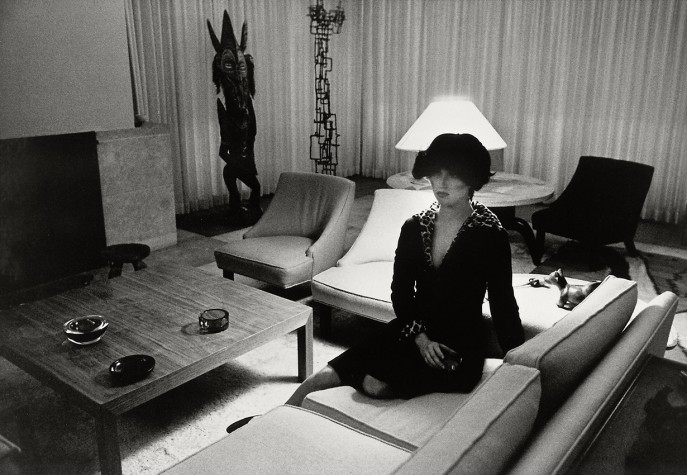
I first came across Cindy Sherman’s photographic series, Untitled Film Stills (1977), when looking for photos of film noir titles. The series is designed around fakery, seeking to recreate the feeling of stills from 1950s and 1960s American films but also, in producing the illusion with general key-notes as to the roles of women in these films, comment upon the basic norms prescribed in Hollywood … Continue reading Responses: Cindy Sherman’s Untitled Film Stills (1977)

Responses: Blind Landings (2013) – Jane And Louise Wilson.

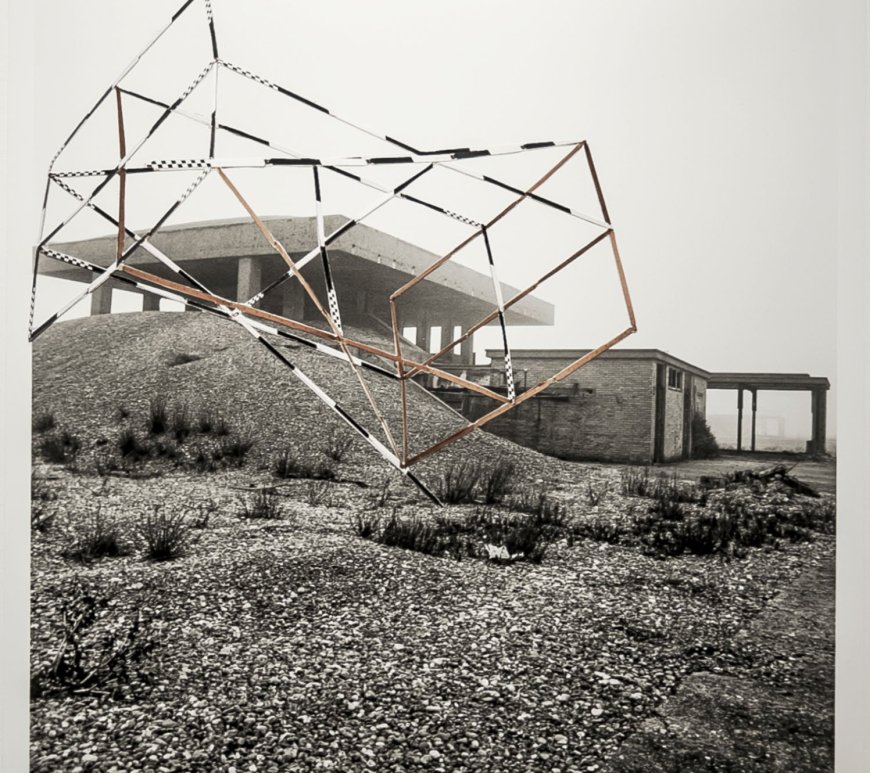
Debris degrades and degradation can be measured but can art be this measurement?  Orford Ness in Suffolk, a former atomic weapons mechanism research and testing facility, doesn’t ask these questions but the place has attracted such a huge number of artists to its shores that the question of creativity and its role as a reaction to such politically doused spaces cannot help but be evoked.  … Continue reading Responses: Blind Landings (2013) – Jane And Louise Wilson.