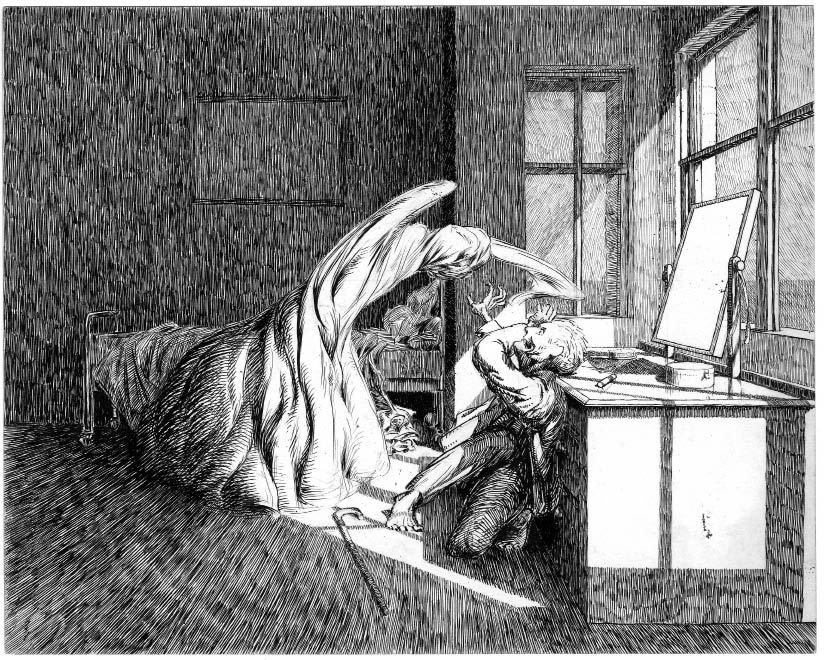
The Aural Aesthetics Of Ghosts in BBC Ghost Stories – Part 9 (Conclusions).

Part 1. Part 2. Part 3. Part 4. Part 5. Part 6. Part 7. Part 8. Conclusions. “If its central characteristics remained immune to change, the ghost story did keep pace with the times through progressive modernization of settings and language.” – Cox (xix, 1991). From analysis of the BBC Ghost Stories, it is clear that the narrative function of the supernatural has a natural … Continue reading The Aural Aesthetics Of Ghosts in BBC Ghost Stories – Part 9 (Conclusions).

The Folk Horror Chain

The Folk Horror Chain The following is a rough transcript of a paper delivered at the A Fiend in the Furrows conference, held at Queens University, Belfast on the 20th of September, 2014. Introduction Folk horror is a strange form of media. There’s an unusual craving for defining and canonising in spite of being a sub-genre which seems inherently intuitive. This unusual combination of shared thematic … Continue reading The Folk Horror Chain

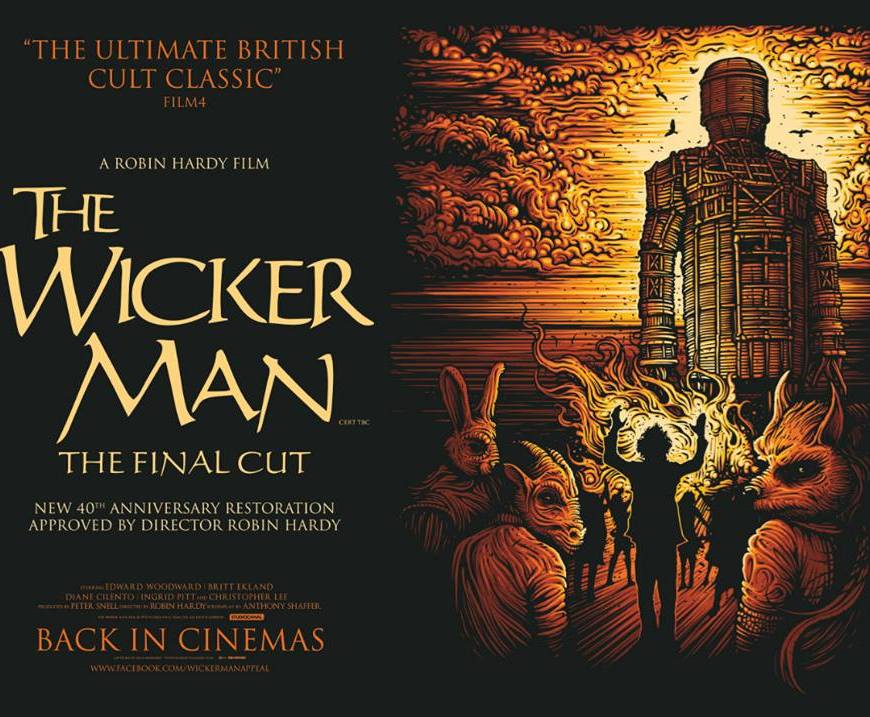
The Wicker Man (1973) – Defining Of The Folk Horror.

Its geography is stark, rugged and eerily inviting, its characters are sickly happy and lying through their teeth and its narrative is immersive and questioning to the point where its finale is deeply affecting and horrifying. It’s a crying shame that viewers of The Wicker Man (1973) will never fully see the film as its director intended. Having been slashed to bits by the studio … Continue reading The Wicker Man (1973) – Defining Of The Folk Horror.

A Brief History of Occult and Folk Horror

Article originally published in New Empress Magazine. Being old and feeling almost excavated from some grainy piece of earth, silent horror has the unnerving sense of being a genuine piece of documentation. No doubt unaware of it at the time, Benjamin Christensen’s Häxan: Witchcraft Through The Ages (1922) is a film that so embodies this accidental aspect that viewing it recalls the feeling of Ash’s … Continue reading A Brief History of Occult and Folk Horror

The Horror Film Score Rebellion Part 1 – Classic Horror

INTRODUCTION 1968 was the year that horror cinema sought to change the way in which it scored its films and began to develop alternatives to the increasingly cliched sounds that had become a staple of the genre since the silent era. David Raskin, who had scored the first two Basil Rathbone-starring Sherlock Holmes films in the early thirties, as well as a number of film … Continue reading The Horror Film Score Rebellion Part 1 – Classic Horror