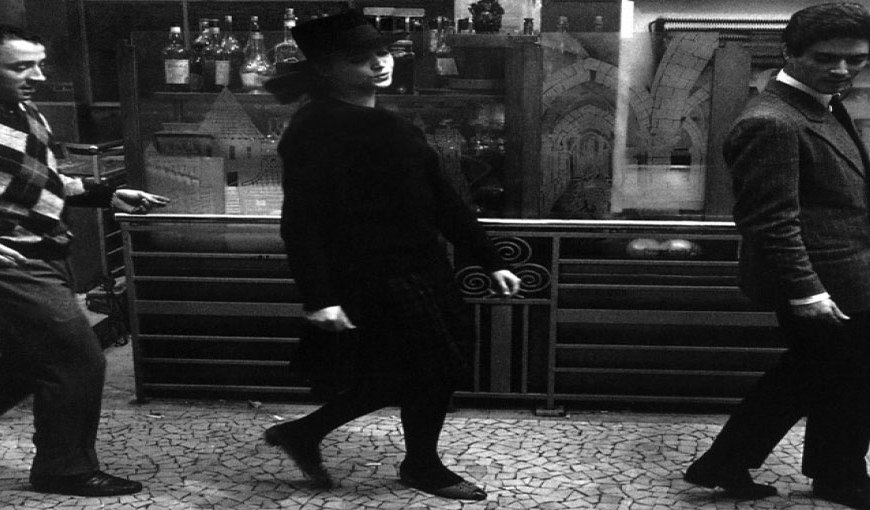
Libidinal Circuits

Jean-Luc Godard always had an interest in the relationship between politics and the spaces it influences. The topographies of modernity happened to coincide with his sharp turn towards cinematic political questioning, in films such as Tout Va Bien (1972), La Chinoise (1967), and Week-end (1967), looking in particular at a factory, an inner-city flat/Maoist commune, and a busy roadway. These spaces provided more than a backdrop for Godard’s political arguments: they seemed to actually … Continue reading Libidinal Circuits

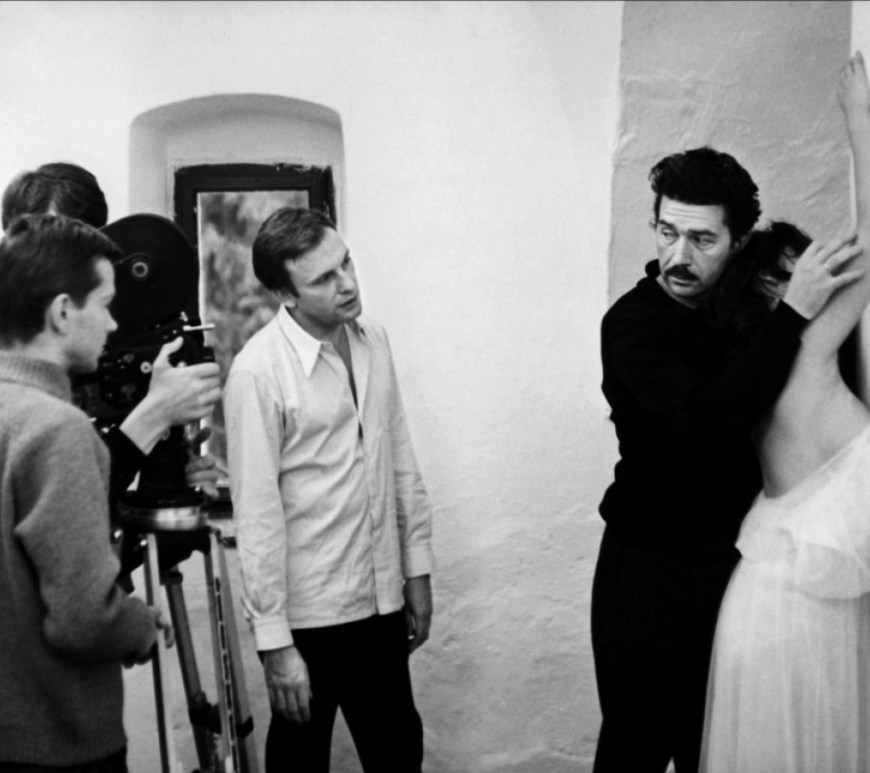
Alain Robbe- Grillet: Six Films, 1963-1974 (BFI).

This review contains minor plot details. When a body of work is inherently made up of intricately layered themes and hidden caches of ideas, surmising the work as a whole can be extremely difficult.  This is never more prescient than in the BFI’s release of six films by French film writer and director, Alain Robbe-Grillet; a seemingly missing link in French cinema of the 1960s … Continue reading Alain Robbe- Grillet: Six Films, 1963-1974 (BFI).

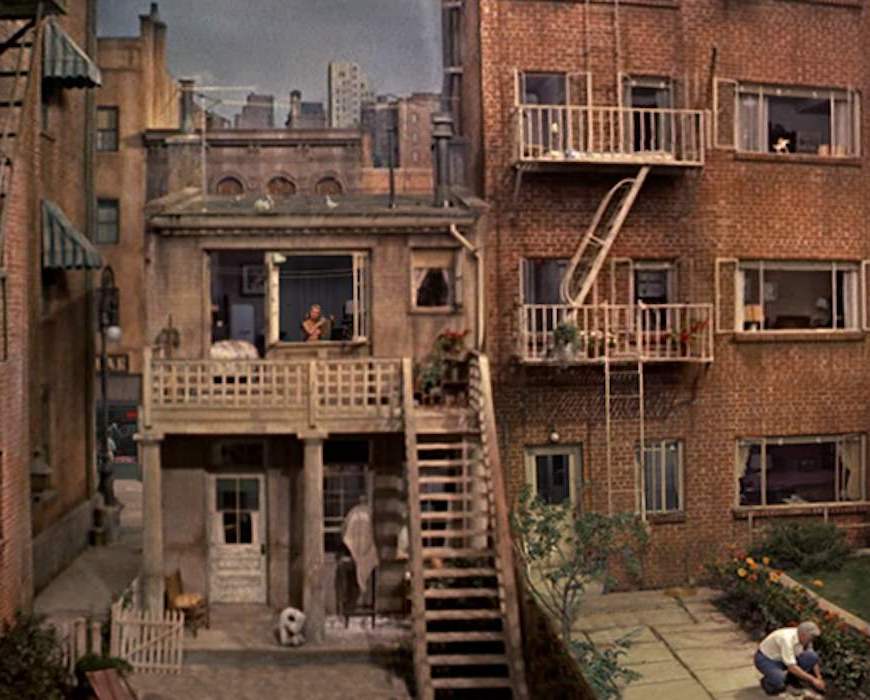
Sounds of the City – Defining the Metropolis in Alfred Hitchcock’s Rear Window (1954).

In spite of being set in the most cramped of city-based fictional areas, Alfred Hitchcock’s Rear Window (1954) successfully presents the bustling aesthetics of a whole metropolis while managing to retain an almost claustrophobic isolation.  In the film, Hitchcock presents a temporarily wheelchair-bound photographer who becomes obsessed with a neighbour. He suspects the unusual man to have murdered his wife.  Rear Window presents a number … Continue reading Sounds of the City – Defining the Metropolis in Alfred Hitchcock’s Rear Window (1954).

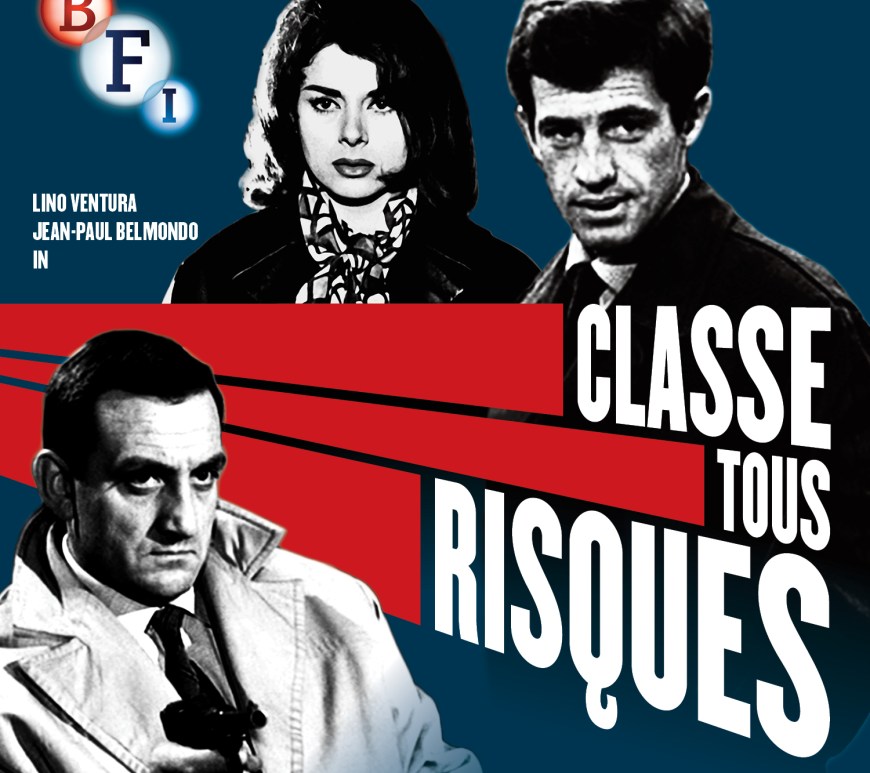
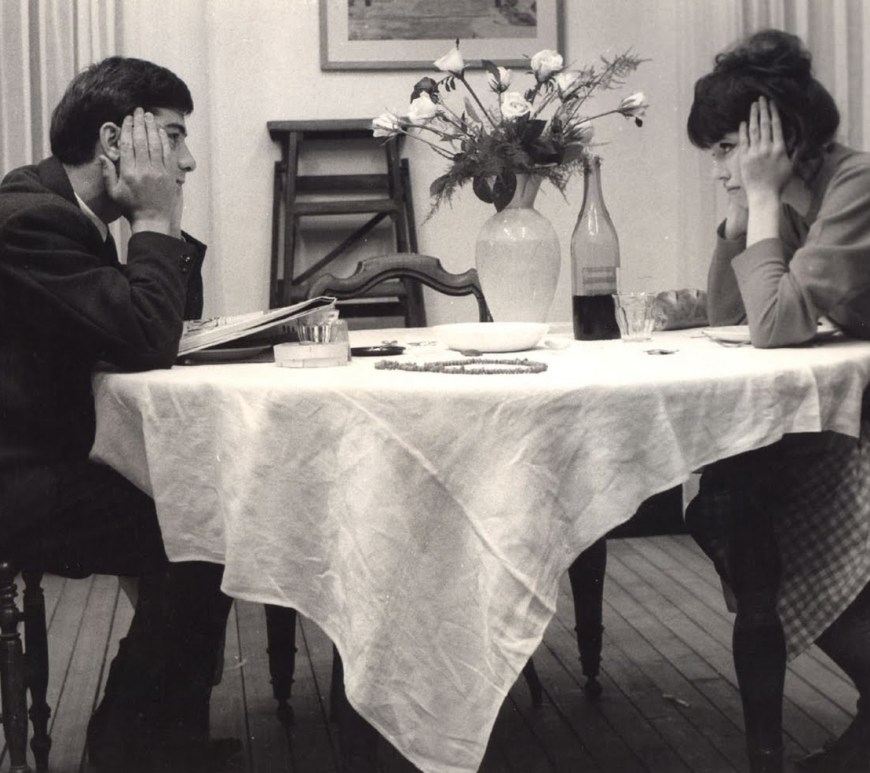
Classe Tous Risques (1960) – Claude Sautet (BFI)

In spite of working wearily outside of the French New Wave movement, Claude Sautet’s debut feature, Classe Tous Risques (1960), cannot help but evoke the cinematic environment bursting forth around it.  While it may seem crass to spend time discussing more well known work in an article about a director whose work has been largely ignored outside of his national audience, it should also aim … Continue reading Classe Tous Risques (1960) – Claude Sautet (BFI)

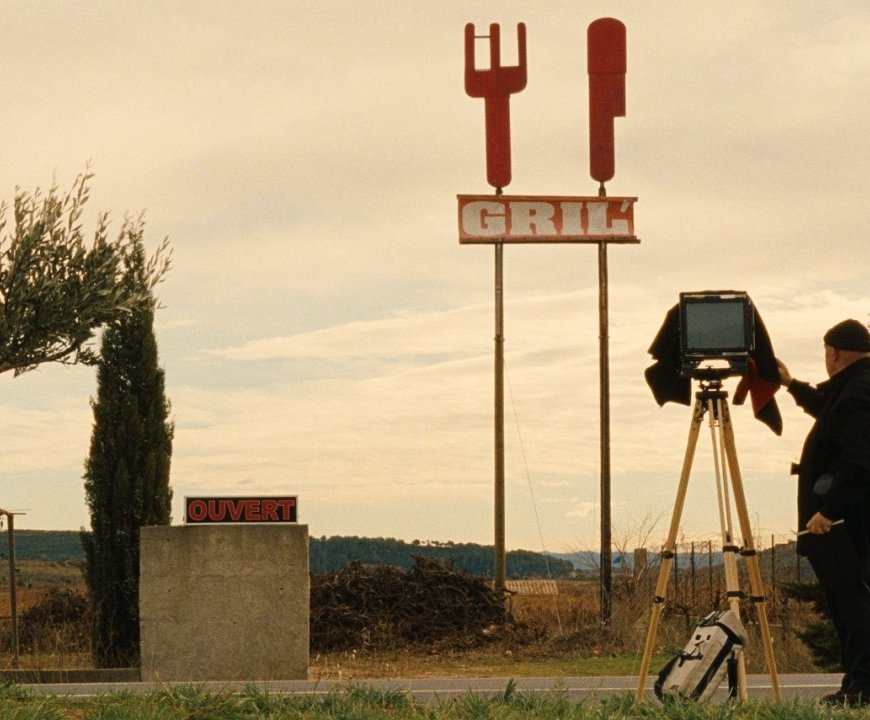
Journal De France – Raymond Depardon and Claudine Nougret.

There’s an unspoken relationship between a nation and its artists that rarely gets exposed during the artists’ lifetime.  While history can be conceived as a linear time-line of events, resulting from various scenarios of cause and effect, it is not until after the death of an artist that it becomes clear how their work can be seen as a reflection of various cultural milestones and … Continue reading Journal De France – Raymond Depardon and Claudine Nougret.

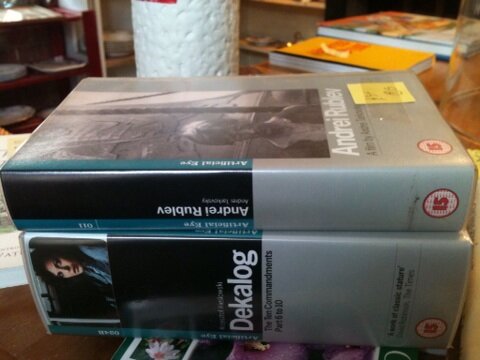
Graveyard of the VHS.

It occurred one Saturday afternoon that my own deep and personal mourning for the innocent VHS had found a new low. When describing VHS to people who appear to be gradually younger and younger, it mimics those conversations witnessed with parents, explaining to their I-pod bound offspring what the big black thing is that’s playing a crackly, slightly warped version of Shine on You Crazy … Continue reading Graveyard of the VHS.

Alphaville (1965) and the Absurdities of Cinema – Jean-Luc Godard.

Jean-Luc Godard’s Alphaville (1965) was one of the first pieces of non-Anglo American cinema that I watched.  It may have been diving in toward the deep end in some regards but something became very striking about the film as its running time trickled by. It said more than other dystopias, noirs or sci-fi but this “more” wasn’t to do with anything that could be described … Continue reading Alphaville (1965) and the Absurdities of Cinema – Jean-Luc Godard.

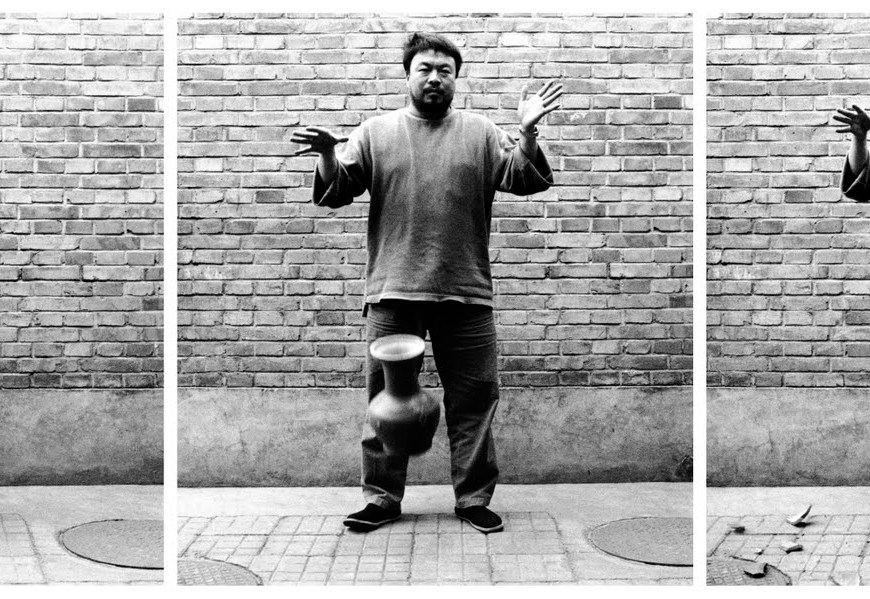
Ai Weiwei’s Pots and Jean-Luc Godard’s Celluloid.

While Ai Weiwei’s work with pots represent the artist’s more accessible work, there’s something about his actions and decisions with the, often expensive and historically relevant, pots that seem weirdly cinematic.  This isn’t to say that they look like something out of a film (though actually they could easily work as something surreal given the right audience) but that the ideologies behind the works have … Continue reading Ai Weiwei’s Pots and Jean-Luc Godard’s Celluloid.

Avant Godard! – Part 2, Musical Subversion (Bande à Part and Pierrot Le Fou)

Part 1. Ideas In Later Films By Godard. Godard would continue to subvert the role of record players in his work to similar but more extreme effects. It seems odd that the connecting factor to all the scenes mentioned is the presence of his, then wife, Anna Karina.  Godard is capable of presenting her dancing and singing with a relatively normal relationship between the visual … Continue reading Avant Godard! – Part 2, Musical Subversion (Bande à Part and Pierrot Le Fou)

Avant Godard! Musical Subversion In The Films Of Jean-Luc Godard. (Part 1)

Avant Godard! Musical Subversion And Fictional Interaction With Non-Diegetic Music In The Films Of Jean-Luc Godard. Introduction – French New Wave As Avant Garde. When discussing Avant Garde cinema, the most obvious choices of cinematic subject would no doubt be linked to the likes of Dali, Buñuel and Cocteau.  However, the gradual movement from Avant Garde to Art House cinema presents a more interesting case for Avant Garde … Continue reading Avant Godard! Musical Subversion In The Films Of Jean-Luc Godard. (Part 1)