Blackwood (2013) – Adam Wimpenny.

The ghost story has had a resurgence lately in film and television.  Perhaps the increasing reliance on distancing technology and social media has lead to a desire to retread older forms that now seem prescient but there’s no doubt that the genre as a whole is alive and well, especially for commercially minded lower budget film; the blueprint set up by Hammer’s adaptation of Susan … Continue reading Blackwood (2013) – Adam Wimpenny.

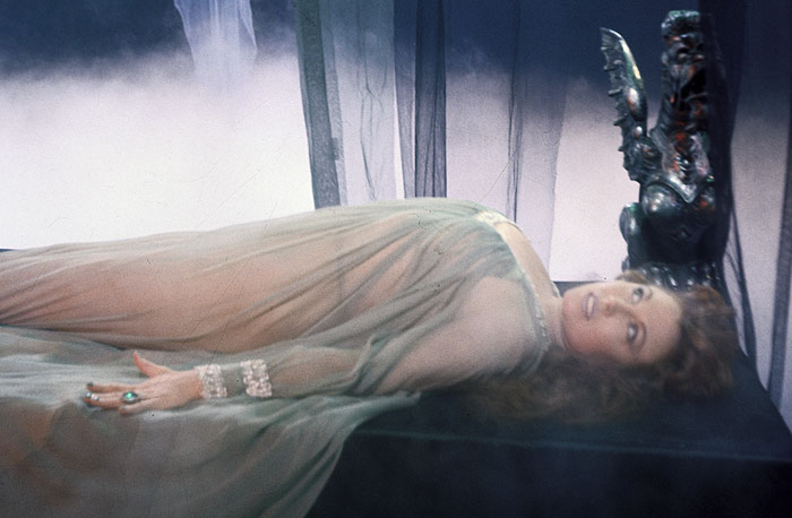
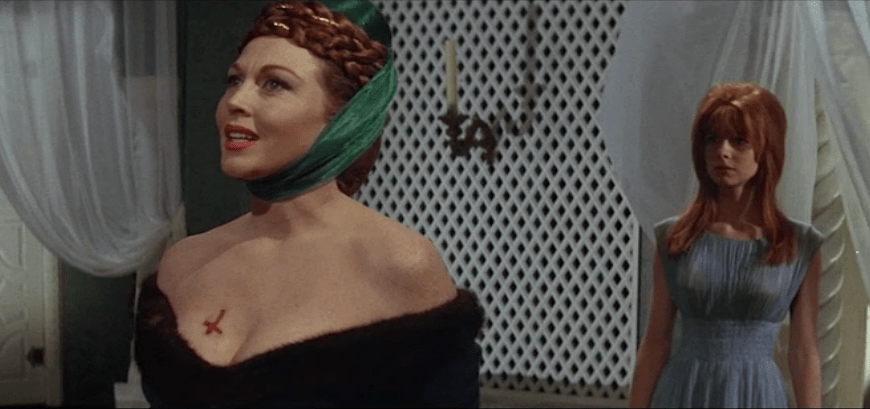
The Masque of the Red Death, Roger Corman (Part 3) – The Freudian Dream.

Part 1. Part 2. The Freudian Dream Corman’s Poe films have become famous for their dream sequences.  The source literature revels in the possibilities of nightmares taking over the psyche so they seem an apt distraction for a medium that already adores the possibilities of dreams.  The Masque of the Red Death perhaps contains Corman’s most effective and disturbing sequence; one of the few to … Continue reading The Masque of the Red Death, Roger Corman (Part 3) – The Freudian Dream.

The Masque of the Red Death (1964) – Kierkegaard’s Aesthetic Phase and Inverted Freudian Pleasure Principle (Part 2).

Part 1. The Levels of the Aesthetic Stage Through Castle Rooms and Colour. Corman’s beautiful excess of colour in the film has already been mentioned but colour plays a vital role within the film’s narrative too.  Its narrative focus however does not chime well with the Kierkegaard reading when considering the unevenness and ambiguity as to the death creatures and their colours at the end … Continue reading The Masque of the Red Death (1964) – Kierkegaard’s Aesthetic Phase and Inverted Freudian Pleasure Principle (Part 2).

The Masque of the Red Death (Roger Corman, 1964) – Kierkegaard’s Aesthetic Phase and Inverted Freudian Pleasure Principle (Part 1).

Roger Corman may be better known for pulpy B-movies but his work adapting Edgar Allen Poe for the big screen is uncharacteristically layered and has a depth that far outstrips films of a far more serious ilk.  Almost all his Poe adaptations (excluding the fun but overall light The Raven) take Poe’s original structure for stories and adds questioning elements to them, largely built around … Continue reading The Masque of the Red Death (Roger Corman, 1964) – Kierkegaard’s Aesthetic Phase and Inverted Freudian Pleasure Principle (Part 1).

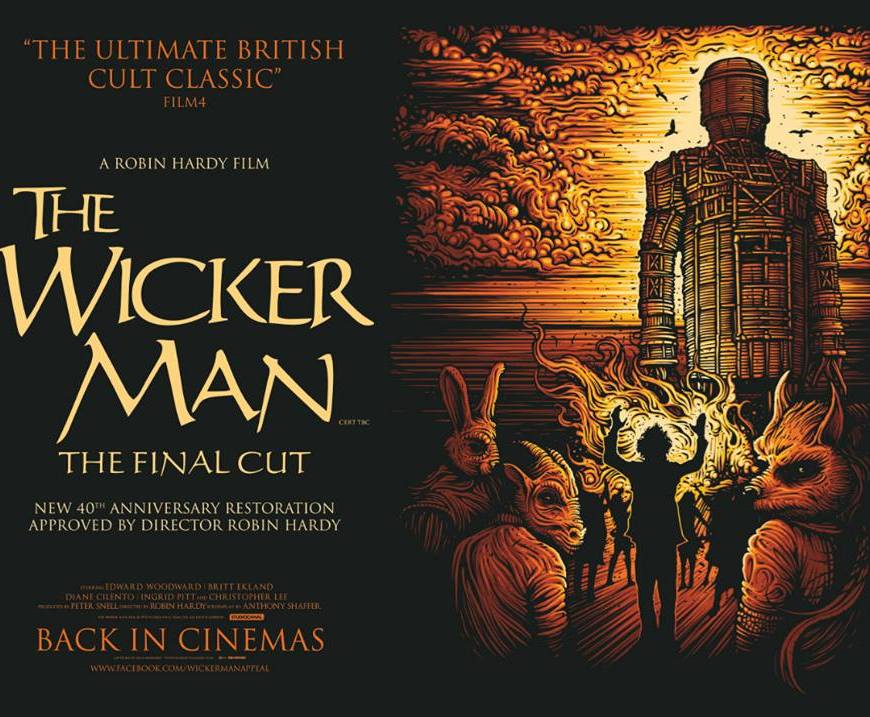
The Wicker Man (1973) – Defining Of The Folk Horror.

Its geography is stark, rugged and eerily inviting, its characters are sickly happy and lying through their teeth and its narrative is immersive and questioning to the point where its finale is deeply affecting and horrifying. It’s a crying shame that viewers of The Wicker Man (1973) will never fully see the film as its director intended. Having been slashed to bits by the studio … Continue reading The Wicker Man (1973) – Defining Of The Folk Horror.

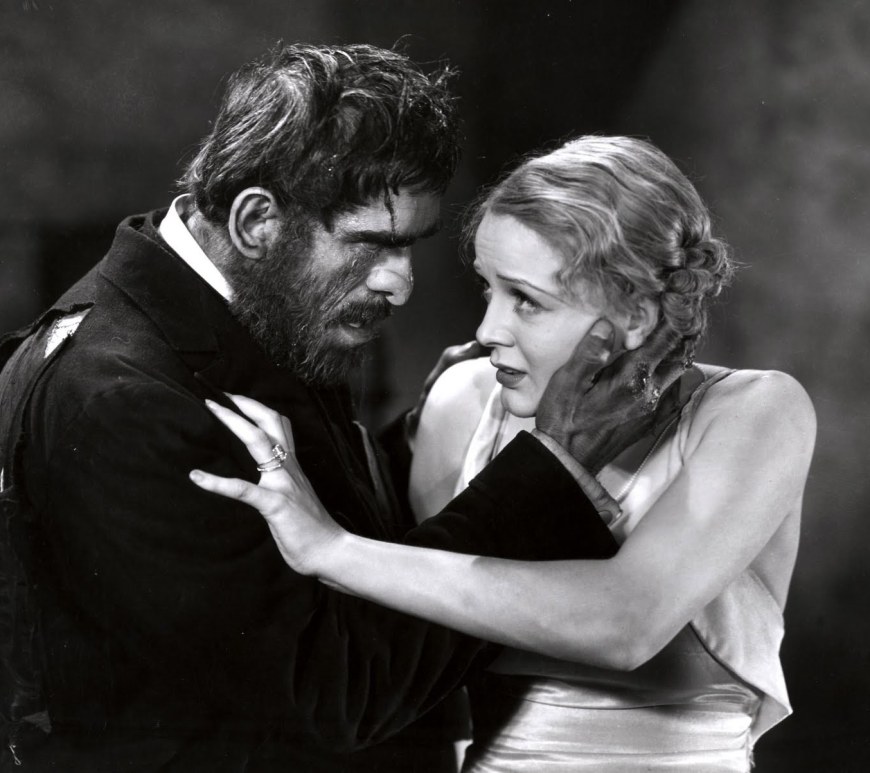
The Old Dark House (1932) – Symbolism, Class and Taboo (James Whale).

Contains spoilers. Hindsight can be a terrible burden to approach an older film with; lagging hard on the back of the viewer whose inability to contextualise what they’re seeing disengages their perception.  When watching James Whale’s The Old Dark House (1932), it could be tempting to accuse the film of being full to the brim with stock horror clichés.  Yet Whale’s film is special and … Continue reading The Old Dark House (1932) – Symbolism, Class and Taboo (James Whale).

The Horror Film Score Rebellion Part 1 – Classic Horror

INTRODUCTION 1968 was the year that horror cinema sought to change the way in which it scored its films and began to develop alternatives to the increasingly cliched sounds that had become a staple of the genre since the silent era. David Raskin, who had scored the first two Basil Rathbone-starring Sherlock Holmes films in the early thirties, as well as a number of film … Continue reading The Horror Film Score Rebellion Part 1 – Classic Horror

The Wicker Man – Robin Hardy (1973)

The sub-genre of Folk Horror is possibly the oddest mixture of ideals and ideas ever to join in the world of cinema.  Trying to envision a genre taking best aspects from Folk tradition and mix it with the scary and disturbing edges of Horror can be difficult to imagine. However, amongst this small group of films, all of which are brilliant, sits one that transcends the … Continue reading The Wicker Man – Robin Hardy (1973)

The Texas Chainsaw Massacre – Tobe Hooper (1974)

When looking into the history of film titles, there surely cannot be one more controversial and loaded than The Texas Chainsaw Massacre? It’s a vicious, daring piece of marketing that implies what’s in store is something altogether grim and deeply disturbing as well as graphically violent.  Thankfully the film in question is far more intelligent than that and is most definitely not to be confused with the recent … Continue reading The Texas Chainsaw Massacre – Tobe Hooper (1974)