Blackwood (2013) – Adam Wimpenny.

The ghost story has had a resurgence lately in film and television.  Perhaps the increasing reliance on distancing technology and social media has lead to a desire to retread older forms that now seem prescient but there’s no doubt that the genre as a whole is alive and well, especially for commercially minded lower budget film; the blueprint set up by Hammer’s adaptation of Susan … Continue reading Blackwood (2013) – Adam Wimpenny.

Peeping Tom (Michael Powell,1960) – Aural Perspectives of Murder.

In spite of its very energetic reappraisal and various analyses, Michael Powell’s career destroying masterpiece, Peeing Tom (1960), is a film whose musical eccentricities and sound design contain hidden depths. For a film that appears on the surface to be almost excessively Freudian, this was normal yet, when looking at some of the detailed reappraisals and even some of the high-end re-evaluations of its narrative … Continue reading Peeping Tom (Michael Powell,1960) – Aural Perspectives of Murder.

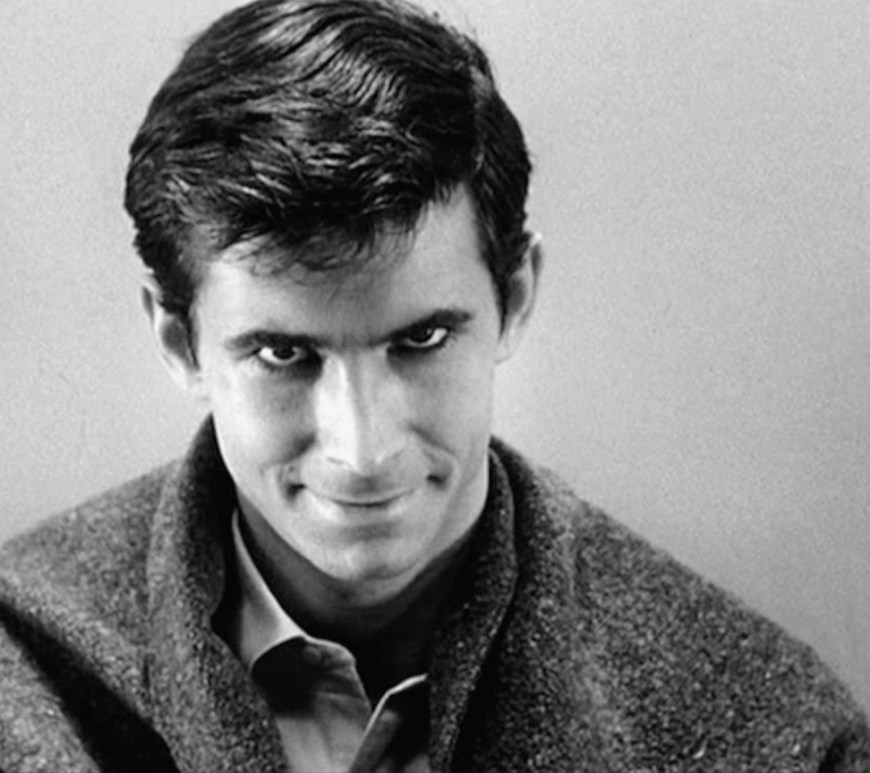
Analysis of Sound and Music in Alfred Hitchcock’s Psycho (1960) – Part 1

Sound and Music in Alfred Hitchcock’s Psycho and its Different Readings. Introduction. “If Psycho had been intended as a serious picture, it would have been shown as a clinical case with no mystery or suspense.  The material would have been used as the documentation of the case history.  We’ve already mentioned that total plausibility and authenticity merely add up to a documentary.” – Alfred Hitchcock … Continue reading Analysis of Sound and Music in Alfred Hitchcock’s Psycho (1960) – Part 1

The Masque of the Red Death (Roger Corman, 1964) – Kierkegaard’s Aesthetic Phase and Inverted Freudian Pleasure Principle (Part 1).

Roger Corman may be better known for pulpy B-movies but his work adapting Edgar Allen Poe for the big screen is uncharacteristically layered and has a depth that far outstrips films of a far more serious ilk.  Almost all his Poe adaptations (excluding the fun but overall light The Raven) take Poe’s original structure for stories and adds questioning elements to them, largely built around … Continue reading The Masque of the Red Death (Roger Corman, 1964) – Kierkegaard’s Aesthetic Phase and Inverted Freudian Pleasure Principle (Part 1).

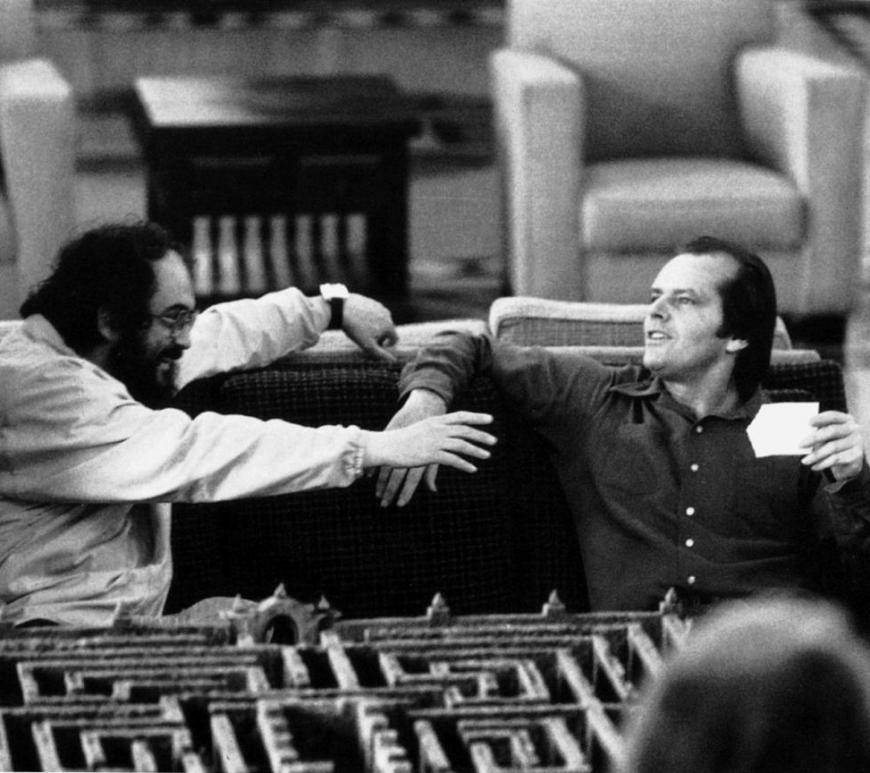
The Shining – Legacy of Balance In Horror Film Scores.

While writing about a perceived pivoting moment in horror film scores for a research essay last year, I briefly mentioned towards the end of what I termed “a legacy of balance” within horror film music and film scores.  With the word limitations on that essay meaning that the point was only vaguely surmised with a handful of explanations, I wanted to go further into what … Continue reading The Shining – Legacy of Balance In Horror Film Scores.

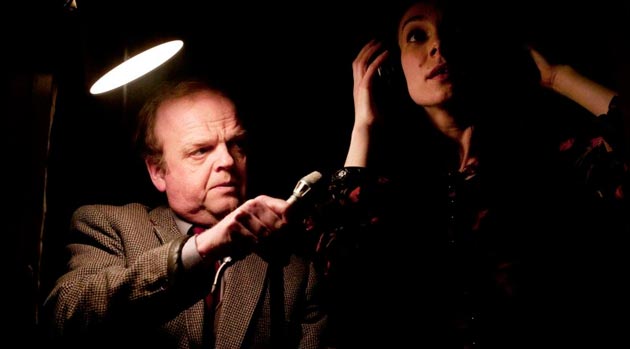
Berberian Sound Studio – Part 2 (The Sound of the Giallo and Narrative Sounds)

Part 1. The Sound of the Giallo There are certain facts about the Giallo sub-genre that critics enjoy repeating over and over again.  It seems unlikely that viewers approaching Berberian will not know at least something basic about the genre yet it is still something that takes up such a large chunk of the analysis surrounding the film, there could be an argument for them … Continue reading Berberian Sound Studio – Part 2 (The Sound of the Giallo and Narrative Sounds)

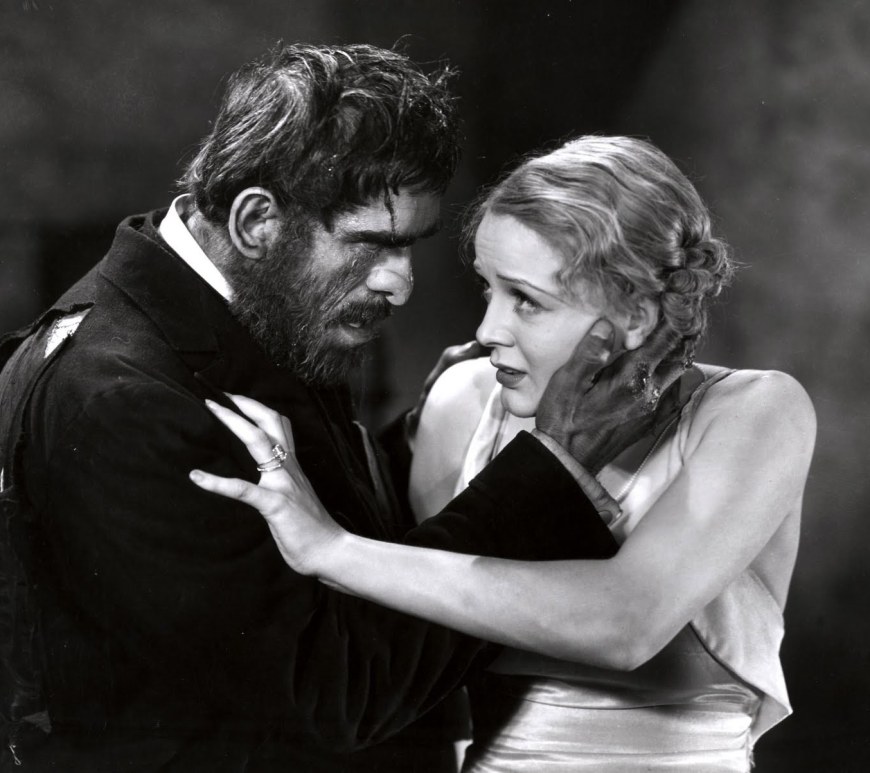
The Old Dark House (1932) – Symbolism, Class and Taboo (James Whale).

Contains spoilers. Hindsight can be a terrible burden to approach an older film with; lagging hard on the back of the viewer whose inability to contextualise what they’re seeing disengages their perception.  When watching James Whale’s The Old Dark House (1932), it could be tempting to accuse the film of being full to the brim with stock horror clichés.  Yet Whale’s film is special and … Continue reading The Old Dark House (1932) – Symbolism, Class and Taboo (James Whale).

Cry Of The Banshee – Gordon Hessler (1970)

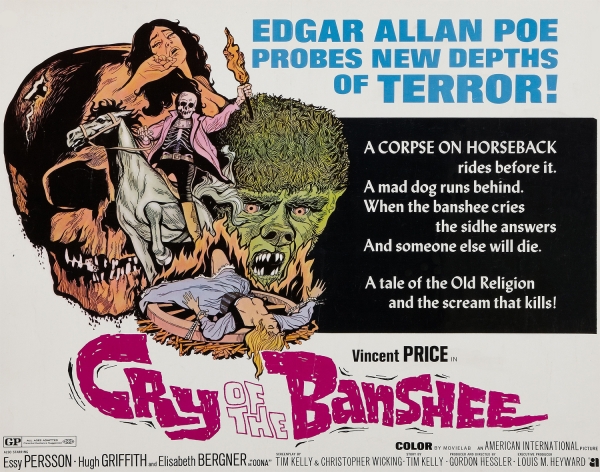
Cry of the Banshee (1970) makes no qualms as to what its aims are.  Looking at its promotional poster, it would be natural to associate it with Roger Corman’s Poe films; it’s emblazoned with Edgar Allen Poe references, its main star is Vincent Price and its design is a technocolour nightmare.  The film itself is about as far from Corman’s dreamlike fantasies as possible in … Continue reading Cry Of The Banshee – Gordon Hessler (1970)

The Horror Score Rebellion – Part 3 (Rosemary’s Baby And Popular Music In Horror)

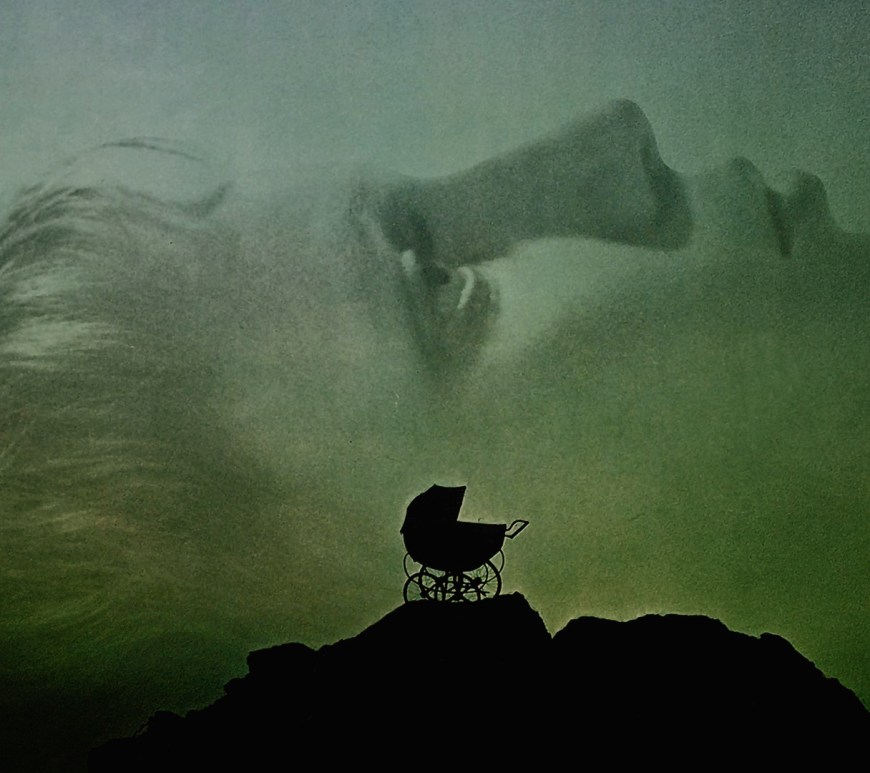
Though 1968 may best be remembered for Romero’s zombies, another film released that same year had a similar impact to the way horror films in the subsequent decade were scored. Rosemary’s Baby, directed by Polish émigré Roman Polanski, has a legacy of imitators that developed from its scoring techniques. Polanski’s tale of the occult in a Manhattan apartment block primarily employs a classical score but large … Continue reading The Horror Score Rebellion – Part 3 (Rosemary’s Baby And Popular Music In Horror)