The Aural Aesthetics Of Ghosts In BBC Ghost Stories – Part 7 (Haunted Objects).

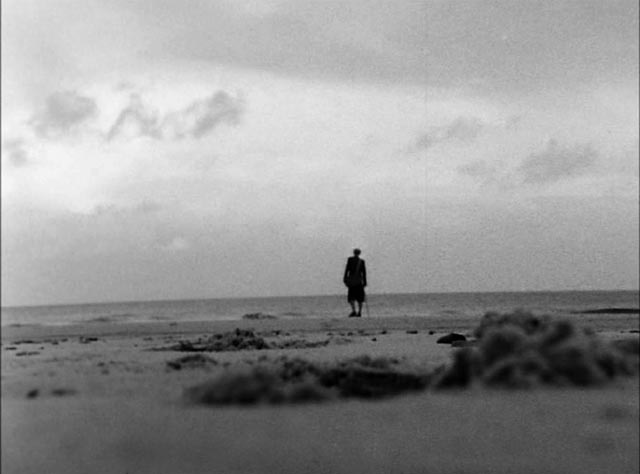
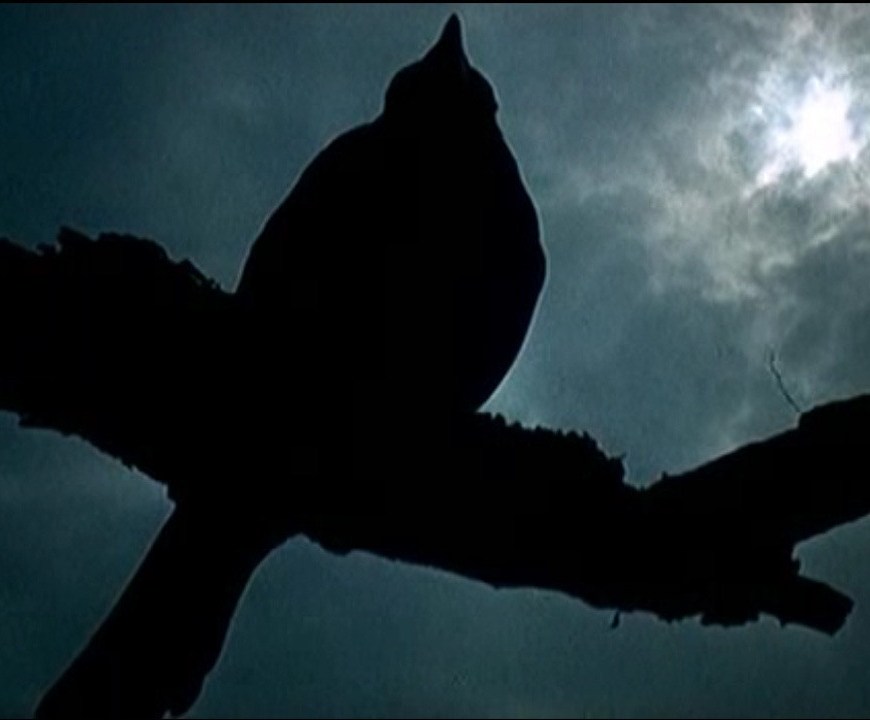
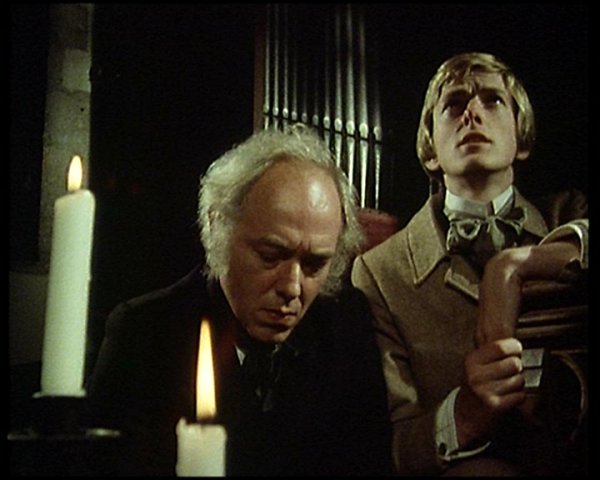
Part 1. Part 2. Part 3. Part 4. Part 5. Part 6. “The Ghost In The Machine”: The Haunting Nature Of Unnatural Diegetic Sound. “M.R. James’ objects are imbued with our deepest fears, deepest terrors and resonances.  The whistle can bring up a storm or bring a monster from the deep.  The crown, that if you touch, its guardian will tear you to pieces.” – … Continue reading The Aural Aesthetics Of Ghosts In BBC Ghost Stories – Part 7 (Haunted Objects).

Technological Hysteria in Nigel Kneale’s The Stone Tape (1972).

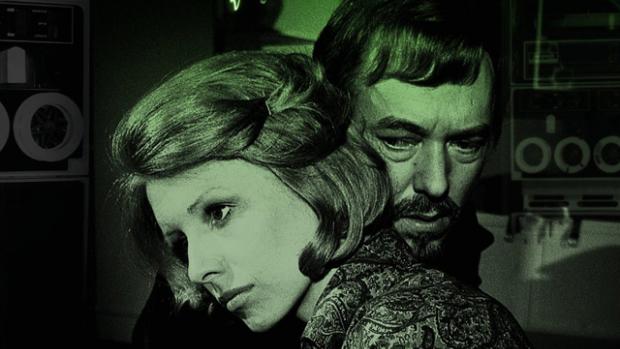
The following article contains plot twists. Hysteria and Nigel Kneale’s Baby. A very particular and often quoted segment from Freud’s summations of hysterical patients will be used here to begin the contextualisation our analysis.  Whilst writing about the generalities surrounding such cases of hysteria and eventually compulsion neurosis, Freud came up with a short but rather useful sound-bite to describe every patient he had seen.  … Continue reading Technological Hysteria in Nigel Kneale’s The Stone Tape (1972).

The Aural Aesthetics of Ghosts in BBC Ghost Stories – Part 5 (Landscape).

Part 1. Part 2. Part 3. Part 4. Natural Diegesis And Aural Interaction With Landscape. One of M.R. James’ most recognisable writing traits is his emphasis on rural settings.  From his own personal experience, of both exploring the churches of France on holiday bike-rides and living and holidaying in Suffolk and Norfolk, the rural landscape became almost as much of a story trope as the … Continue reading The Aural Aesthetics of Ghosts in BBC Ghost Stories – Part 5 (Landscape).

The Uncanny in Häxan: Witchcraft Through The Ages (1922)- Benjamin Christensen.

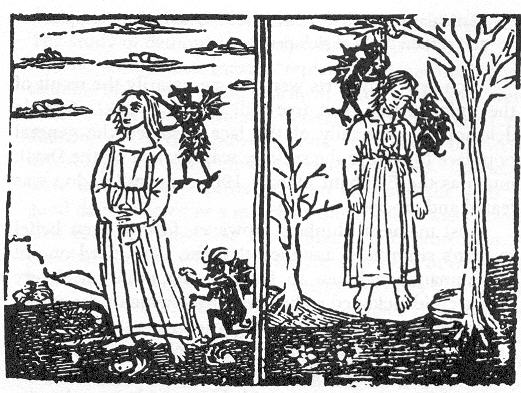
In one of the first attempts I made at canonising the sub-genre of Folk Horror, I likened the majority of its films to be brilliant but mere fugues on the ideas presented in Benjamin Christensen’s Häxan: Witchcraft Through The Ages (1922).  Outside of Victor Sjöström’s The Phantom Carriage (1921), it was the earliest and most explicit form of the sub-genre that seemed to be surviving … Continue reading The Uncanny in Häxan: Witchcraft Through The Ages (1922)- Benjamin Christensen.

The Music of Folk Horror – Part 6 (Blood on Satan’s Claw).

Part 1. Part 2. Part 3. Part 4. Part 5. Musical Avant-Garde and Overt Anachronisms in Blood on Satan’s Claw (1971). “I think the other thing that appealed to me was the rural setting.  The nooks and crannies of woodland, the edges of fields the ploughing, the sense of soil was something I tried to bring into the picture” –  Piers Haggard (Gatiss, 2010, BBC). … Continue reading The Music of Folk Horror – Part 6 (Blood on Satan’s Claw).

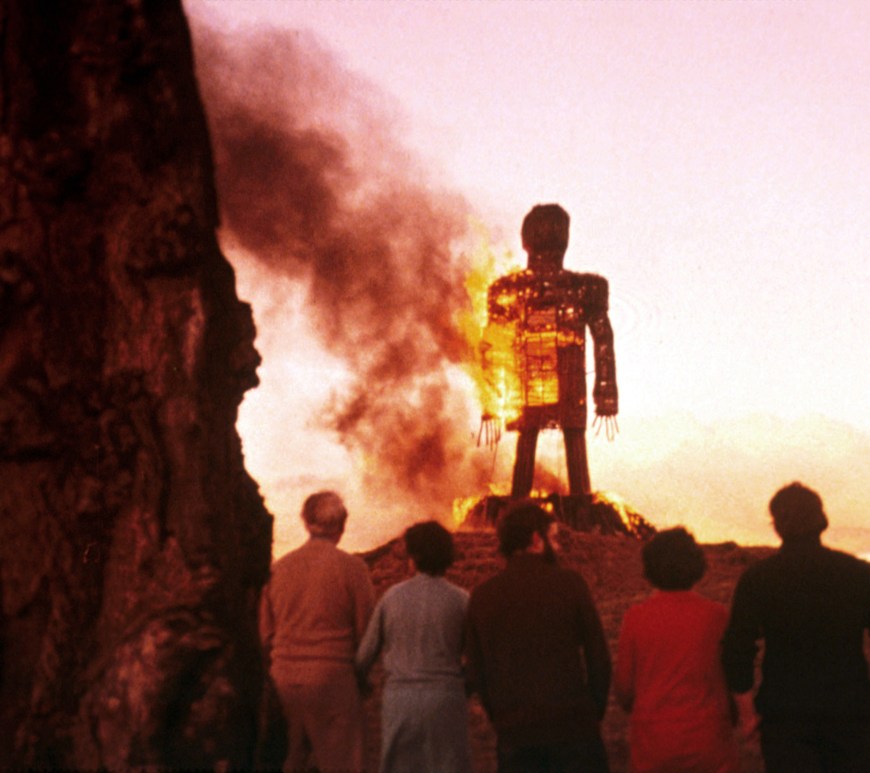
The Music of Folk Horror – Part 5 (The Wicker Man’s Diegesis).

Part 1. Part 2. Part 3. Part 4. Diegesis in The Wicker Man. Some of the music assessed in the last section raised further questions besides their thematic and narrative content.  Though this element was an important part of the analysis, another aspect almost appeared to be ignored; that of the diegesis of such performances.  For a horror film, The Wicker Man presents the viewer … Continue reading The Music of Folk Horror – Part 5 (The Wicker Man’s Diegesis).

The Music of Folk Horror – Part 4 (The Wicker Man’s Narrative Functionality).

Part 1. Part 2. Part 3. Narrative Functionality. The music of The Wicker Man, while having few boundaries in terms of the effect of its various functions on its narrative content, is split into several different types.  For this section, the specific type of music to be looked at is the folk song; a form that makes several appearance in the film with original compositions … Continue reading The Music of Folk Horror – Part 4 (The Wicker Man’s Narrative Functionality).

The Music of Folk Horror – Part 3 (The Wicker Man’s Folk Aesthetics).

Part 1. Part 2. Tradition Through Folk Aesthetics in the Music of The Wicker Man (1973). The first case study film for this essay is Robin Hardy’s 1973 film, The Wicker Man.  Though it is the latest of the films to be looked at, it has the most complex relationship with its music, formed entirely of its own accord rather than on folk horror practices … Continue reading The Music of Folk Horror – Part 3 (The Wicker Man’s Folk Aesthetics).

The Music of Folk Horror – Part 1 (Sub-Genre Theories).

The Sounds of Sacrifice: The Music of British Folk Horror Films. Introduction. In the late 1960s and the early 1970s, a small group of horror films made in Britain set themselves apart from the rest of the genre, becoming an aptly cult phenomena now acknowledged under the banner of folk horror.  As a newly recognised sub-genre, it can be difficult to assess though, as new … Continue reading The Music of Folk Horror – Part 1 (Sub-Genre Theories).

Films On The Strange British Coastline.

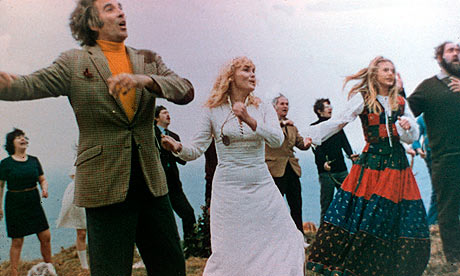
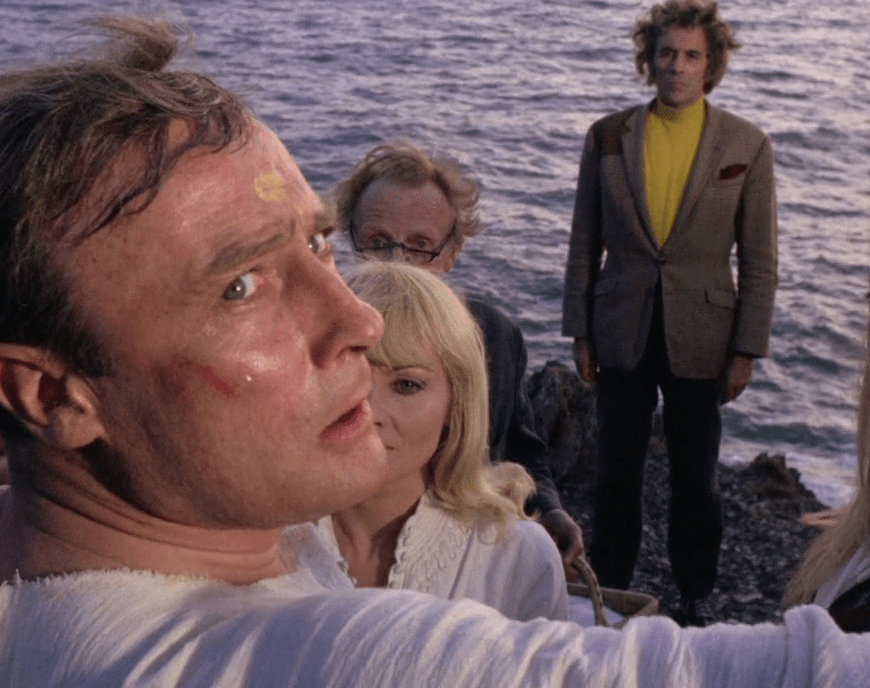
While many British films take full advantage of the rural potential that “this spectered isle” can provide, there seems to be another sub-sect to this branch film, often finding its way into British horror cinema.  Of course, this isn’t as clear cut as simply analysing films under the guise of “Rural Horror” or “Folk Horror” but there is a small batch of British horror films … Continue reading Films On The Strange British Coastline.