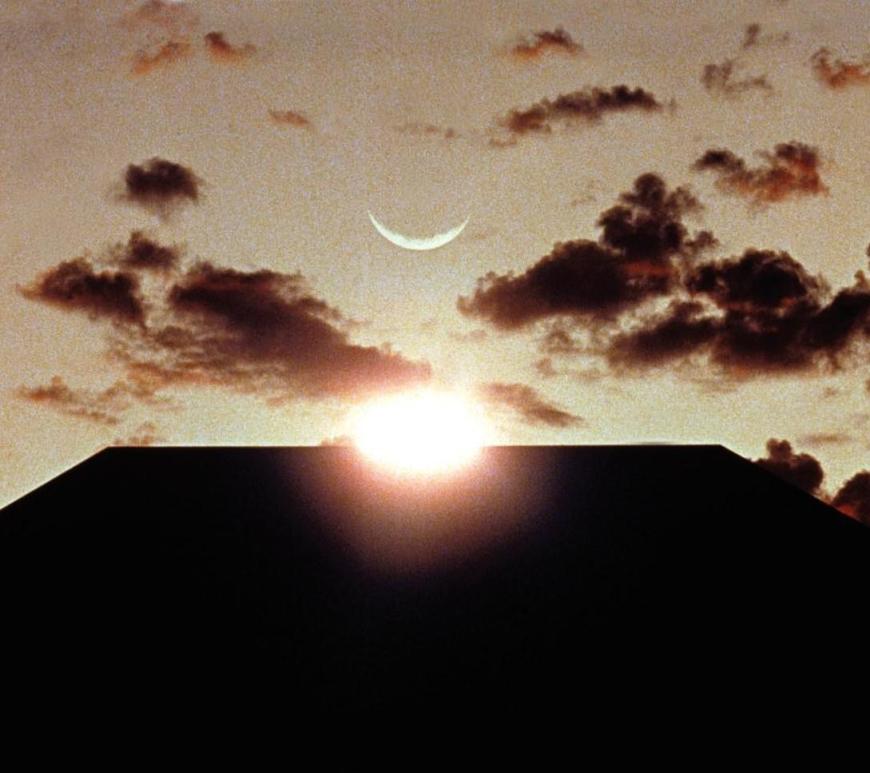
Nietzsche and 2001: A Space Odyssey (1968)

At this moment in time, I’m currently between two relatively heavy audio-visual essays.  The first (which is now finished and will be going online in segments from the end of the month) is about Andrei Tarkovsky’s film, The Sacrifice (1986) and how it has parallel aims with that of the Russian composer Scriabin and his unfinished work, Mysterium.  The second is looking at Stanley Kubrick’s … Continue reading Nietzsche and 2001: A Space Odyssey (1968)

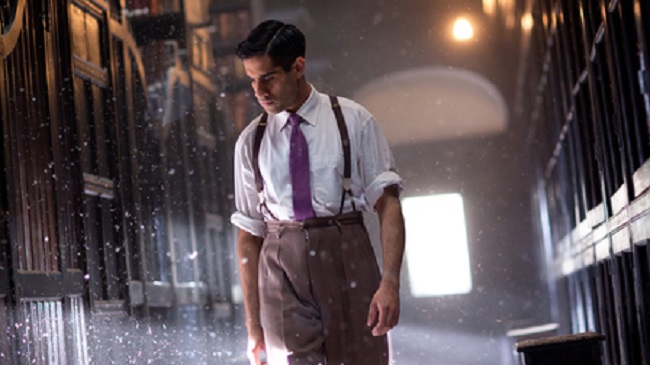
The Tractate Middoth – Mark Gatiss (BBC Ghost Story at Christmas).

This article contains minor spoilers. It has taken a while for the traditional BBC ghost story to make a fully formed return in the 21st century.  This is surprising considering the popularity of the return of other genre television traditions from Doctor Who to Battlestar Galactica, but the singular ghost story at Christmas has taken some time to get right.  Before this recent M.R. James … Continue reading The Tractate Middoth – Mark Gatiss (BBC Ghost Story at Christmas).

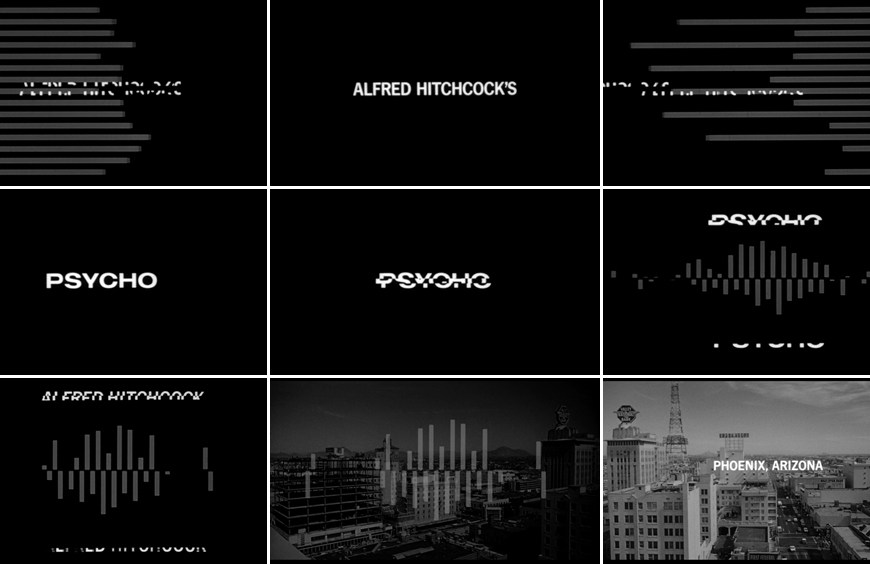
Analysis of Sound and Music in Alfred Hitchcock’s Psycho (1960) – Part 2 (An Audiovisual Foreshadowing)

Part 1. Emphasis on Visual Cues in Scott Murphy’s “An Audiovisual Foreshadowing in Psycho“. “We can grasp in effect something which, already in nature, appropriates the gaze to the function to which it may be put in the symbolic relation in man.” – Jacques Lacan (1977, p.105). Scott Murphy’s “An Audiovisual Foreshadowing in Psycho” is already an interesting proposition in the context of its original … Continue reading Analysis of Sound and Music in Alfred Hitchcock’s Psycho (1960) – Part 2 (An Audiovisual Foreshadowing)

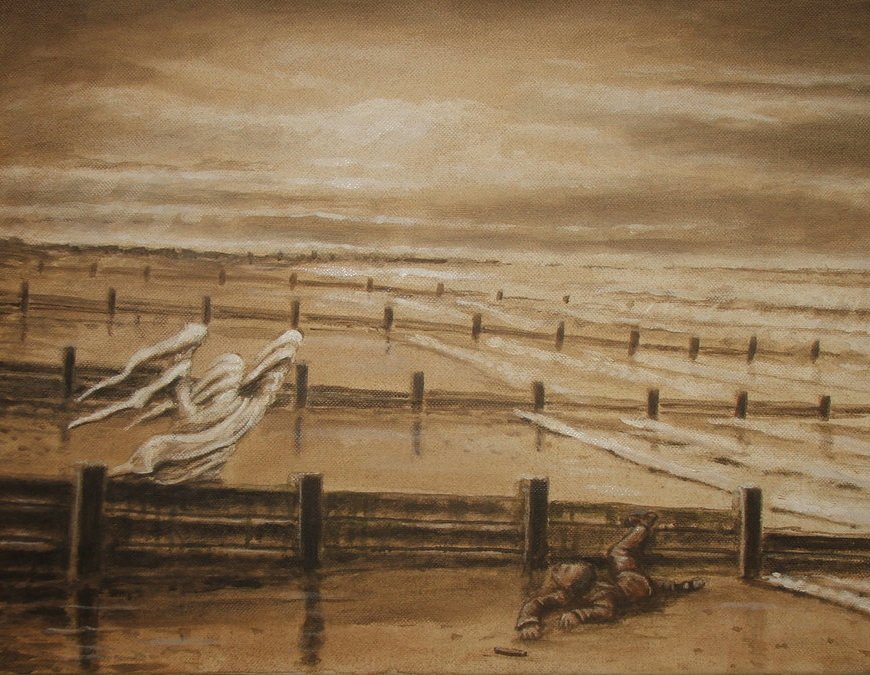
An Ancient Evil: M.R. James and Nigel Kneale.

Two writers who could be said to epitomise the ideas of Folk Horror, M.R. James and Nigel Kneale, while addressing these ideals through different media, are writers whose work often crept into the same realm.  This has lead to both of their work having a natural relationship with each other, with one almost being a reincarnation of the other.  Of course, to imply such things … Continue reading An Ancient Evil: M.R. James and Nigel Kneale.

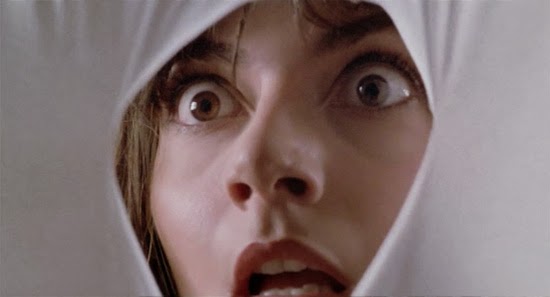
Tenebrae – Dario Argento (1982) – Arrow DVD SteelBook.

The excessive nature of the 1980s made it a perfect realm for an equally excessive horror cinema. While simplifying the decade to its trivial sound bites of bright, electronic yuppyism may be too all encompassing as a genuine historical analysis, this summation of criteria is perfect when discussing the decade’s cinema.  Cinema is so often the most uncomfortable reflective tool on society and yet this … Continue reading Tenebrae – Dario Argento (1982) – Arrow DVD SteelBook.

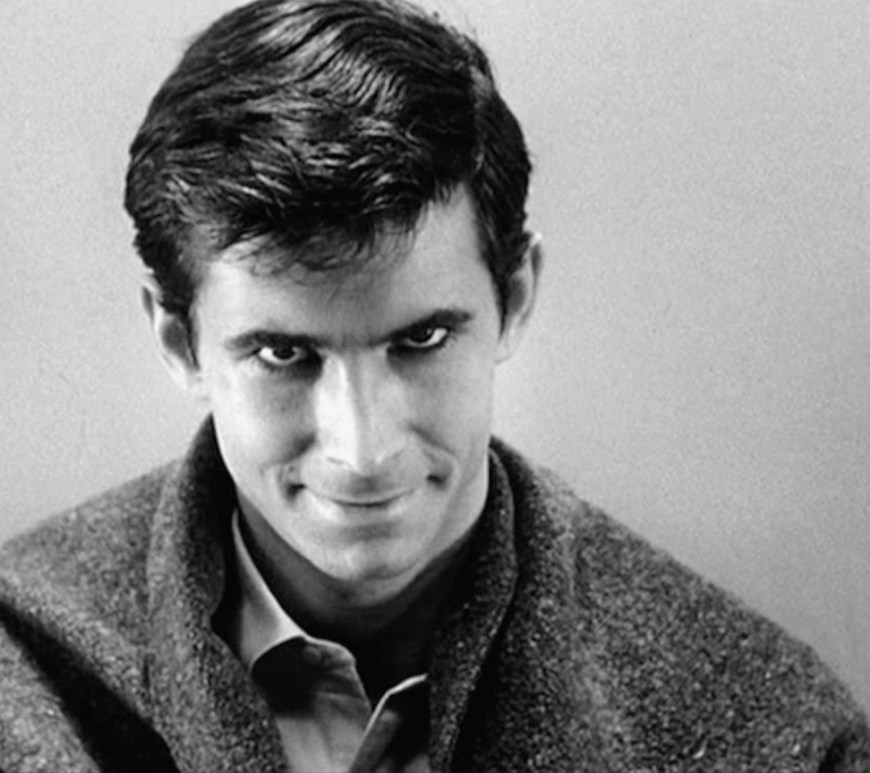
Analysis of Sound and Music in Alfred Hitchcock’s Psycho (1960) – Part 1

Sound and Music in Alfred Hitchcock’s Psycho and its Different Readings. Introduction. “If Psycho had been intended as a serious picture, it would have been shown as a clinical case with no mystery or suspense.  The material would have been used as the documentation of the case history.  We’ve already mentioned that total plausibility and authenticity merely add up to a documentary.” – Alfred Hitchcock … Continue reading Analysis of Sound and Music in Alfred Hitchcock’s Psycho (1960) – Part 1

2013 in Film.

In contrast to other cineastes that I follow online, I really don’t get out that much. While so many excellent film writers seem to be able to see every relevant new release as it comes (even before if they’re lucky enough to have time and money to get thoroughly into the festival circuit), it’s actually a rarity for me to be able to get into … Continue reading 2013 in Film.

The Seventh Continent (Michael Haneke) and the Freudian Death Drive – Part 2

Part 1. The Seventh Continent. Unlike Freud’s vision of how the Death Drive manifests, Haneke uses the idea as an attack on a number of his usual tropes.  Aspects of modern life such as the dreary drag of the 9 to 5 to the middle class obsession with materialism and ownership/possession all come under fire and blame for the Death Drive take over.  The Seventh … Continue reading The Seventh Continent (Michael Haneke) and the Freudian Death Drive – Part 2

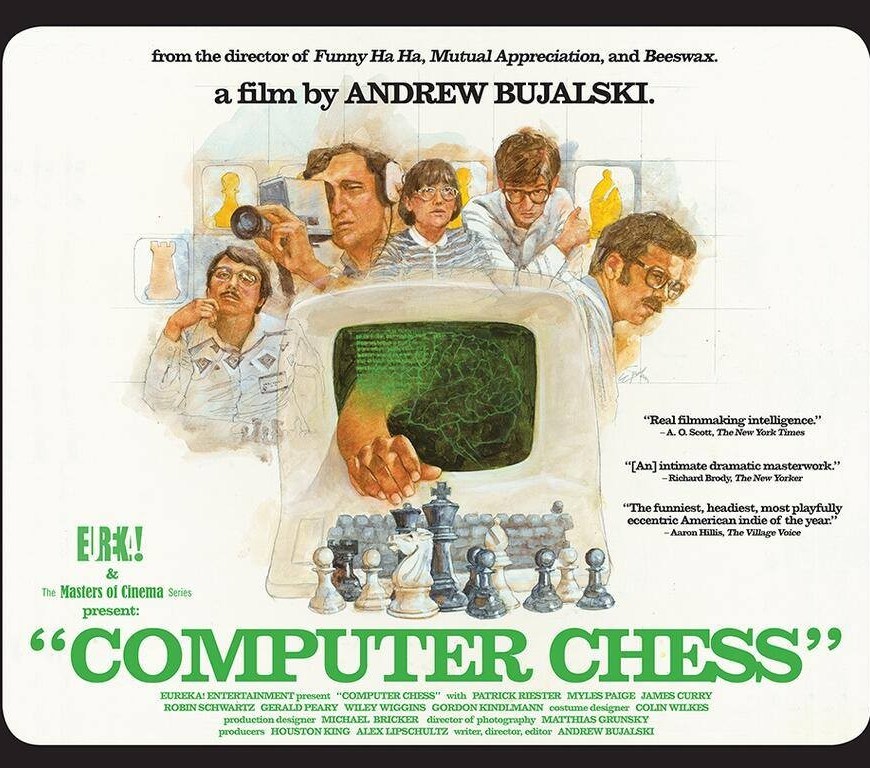
Computer Chess (2013) – Andrew Bujalski.

There is nothing that gives the illusion of the infinite as a tangible concept quite like the game of chess.  Conquering the game has driven several mad and its geeky nature belies the fact that its 64 squares hides a chasm of never ending options and possibilities.  This rather philosophical interpretation of the game is the backdrop for Andrew Bujalski’s subtle comedy, Computer Chess (2013), … Continue reading Computer Chess (2013) – Andrew Bujalski.

The Seventh Continent (Michael Haneke) and the Freudian Death Drive – Part 1.

Introduction Michael Haneke’s debut feature set the tone for the majority of his interests that would be explored over the next few decades.  The Seventh Continent (1989), though part of the Glaciation Trilogy, stands on its own for questioning a very specific and brutal form of philosophy; that of Freud’s Death Drive principles.  Though Haneke would address philosophical issues in a lot of his films (this … Continue reading The Seventh Continent (Michael Haneke) and the Freudian Death Drive – Part 1.