Elemental Chaos and Eternal Return in Scriabin and Andrei Tarkovsky – Part 2 (Chaos)

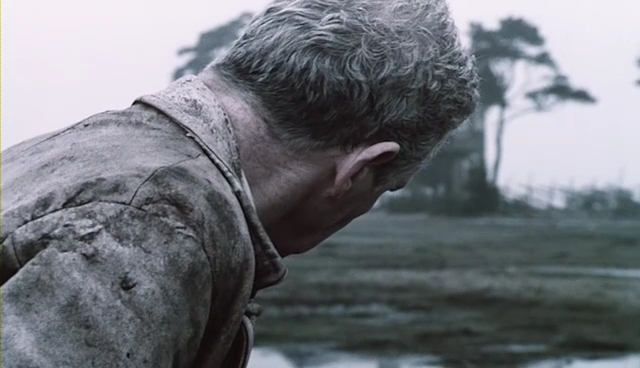
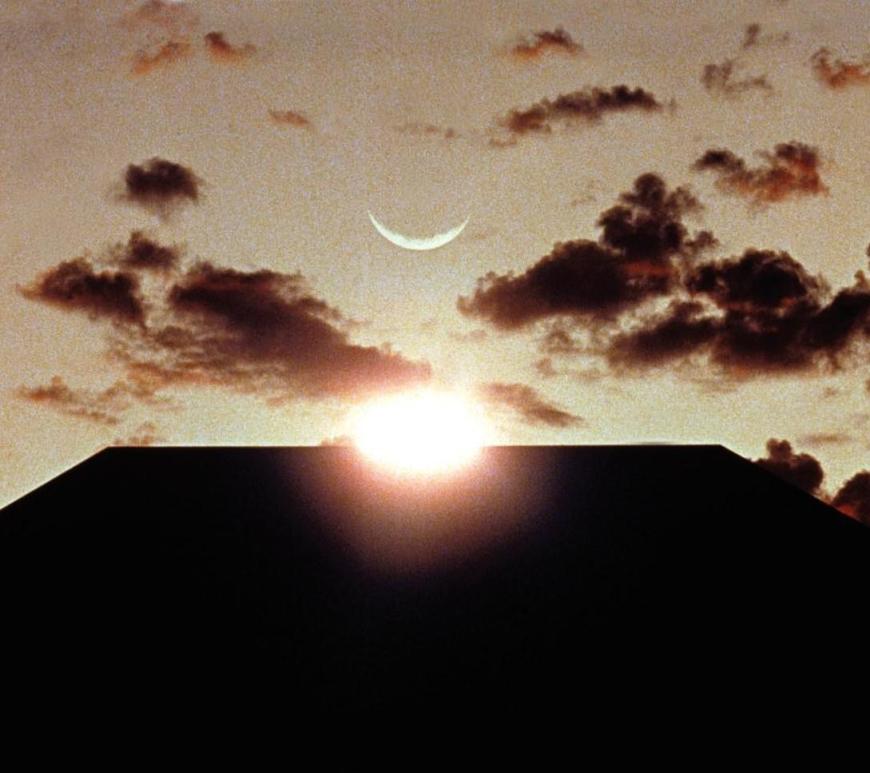
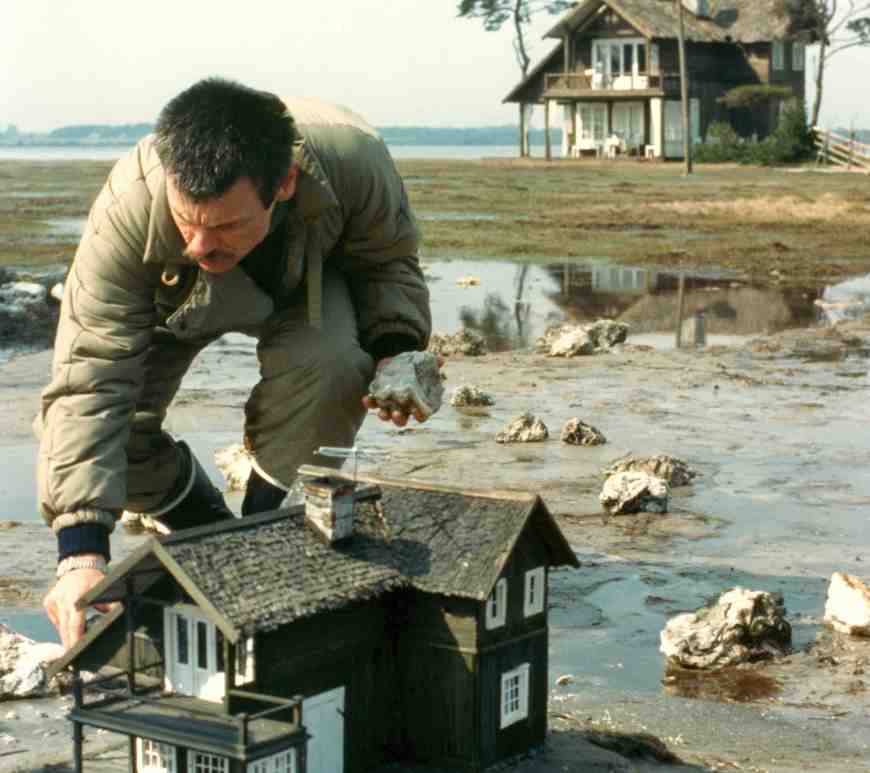
Part 1. Elemental Chaos. “The Mountains, Fields, Meadows, Forest, and Wilderness of the Preparatory Act text symbolize the mineral kingdom and natural kingdoms of the Earth, the first three “Rounds” of the Wheel of Cosmic life.” (1998, p.303) – Stephen Morris. It is not revolutions and upheavals That clear the road to new and better days, But revelations, lavishness and torments Of someone’s soul, inspired … Continue reading Elemental Chaos and Eternal Return in Scriabin and Andrei Tarkovsky – Part 2 (Chaos)

Ligeti’s Atmosphères as a Musical Foreshadowing of Kubrick’s 2001- Part 1 (Introduction)

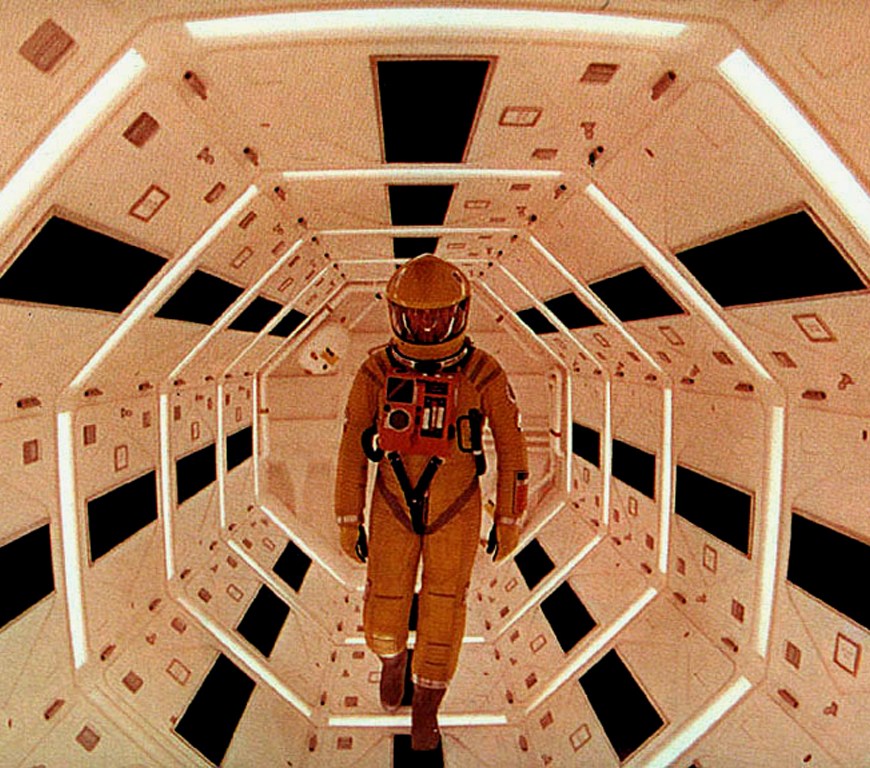
Ligeti’s Atmosphères as a Musical Foreshadowing of Stanley Kubrick’s 2001: A Space Odyssey. Introduction. “First in Cologne in 1957 and later during my long stay in Vienna in the ’60s, I gradually evolved a musical style in which I abandoned structures conceived in terms of bars, melodies, lines and conventional forms.  In this respect my first two orchestral works, Apparitions and Atmosphères, are the most … Continue reading Ligeti’s Atmosphères as a Musical Foreshadowing of Kubrick’s 2001- Part 1 (Introduction)

Elemental Chaos and Eternal Return in Scriabin and Andrei Tarkovsky – Part 1 (Introduction)

Elemental Chaos and Nietzsche’s Eternal Return in the Music of Alexander Scriabin and the Films of Andrei Tarkovsky. Introduction “It is as natural to die as to be born; and to a little infant, perhaps, the one is as painful as the other.” (1625/2002, p.344) – Francis Bacon. The cyclic nature of life and the process of destruction and rejuvenation has been a subject of … Continue reading Elemental Chaos and Eternal Return in Scriabin and Andrei Tarkovsky – Part 1 (Introduction)

Peeping Tom (Michael Powell,1960) – Aural Perspectives of Murder.

In spite of its very energetic reappraisal and various analyses, Michael Powell’s career destroying masterpiece, Peeing Tom (1960), is a film whose musical eccentricities and sound design contain hidden depths. For a film that appears on the surface to be almost excessively Freudian, this was normal yet, when looking at some of the detailed reappraisals and even some of the high-end re-evaluations of its narrative … Continue reading Peeping Tom (Michael Powell,1960) – Aural Perspectives of Murder.

Analysis of Sound and Music in Alfred Hitchcock’s Psycho (1960) – Part 4 (Conclusions)

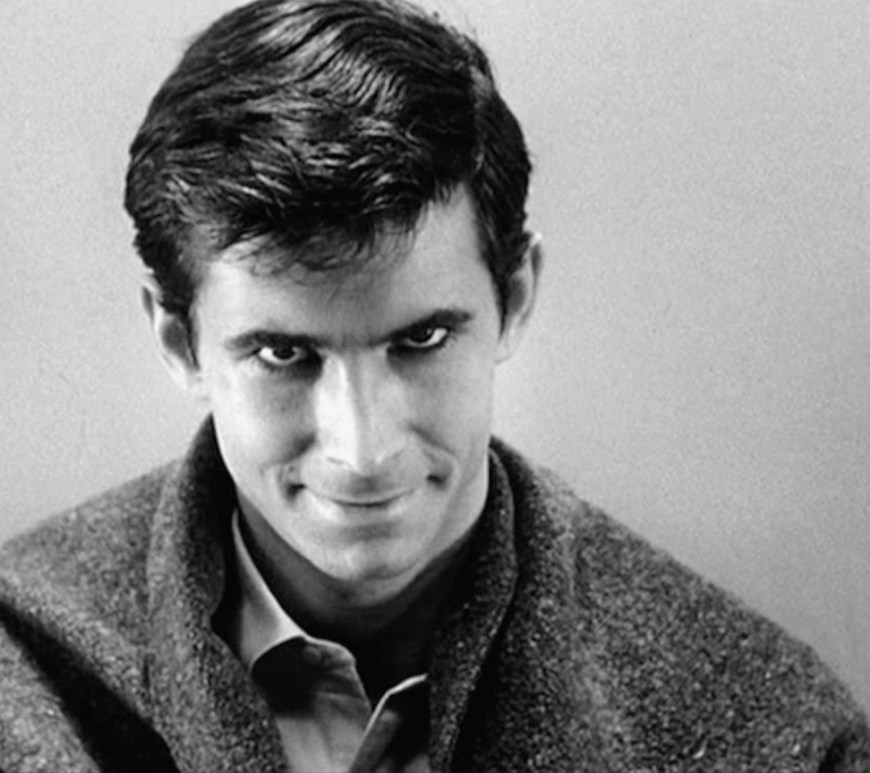
Part 1. Part 2. Part 3.  Combining the Readings: Similarities, Contradictions and Cross-Over. “It’s as if the film were pinpointing the very essence of the unfilmable: the entwined couple, monstrous, the two-backed beast of the primal scene, the impossible couple of body and voice.” – Michel Chion (1999, p.149). While Murphy and Fenimore examine and address different points and issues, their resulting essays not only … Continue reading Analysis of Sound and Music in Alfred Hitchcock’s Psycho (1960) – Part 4 (Conclusions)

Eyes Wide Shut (1999) – Occult Sexuality

Strange undercurrents of sexuality pervade the films of Stanley Kubrick. Though not always present explicitly, the raw presence of dark desire and physical wanting seems scattered throughout his work. From Dr Strangelove‘s ideas of selective breeding based on the “sexual characteristics that will have to be of a highly stimulating nature” to The Shining‘s most surreal haunting of a man receiving oral sex from another … Continue reading Eyes Wide Shut (1999) – Occult Sexuality

Analysis of Sound and Music in Alfred Hitchcock’s Psycho (1960) – Part 3 (Acousmatic Concepts)

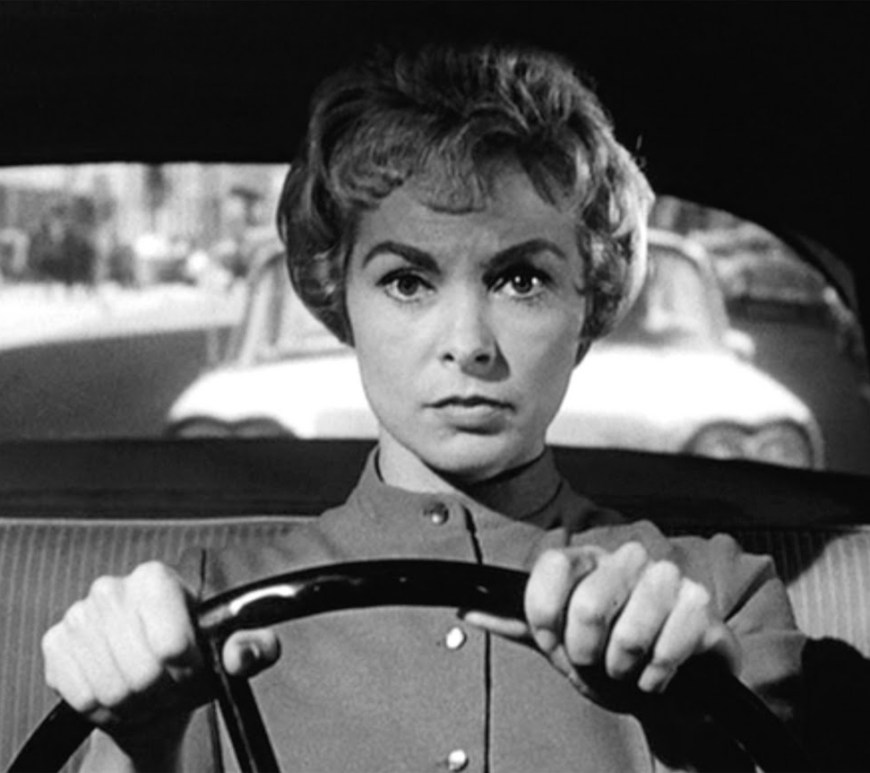
Part 1. Part 2. Emphasis on Acousmatic Concepts in Ross J. Fenimore’s “Voices that Lie Within”. “Psycho almost didn’t happen.  This is a unique case of music literally saving a film.” – Sullivan (2006, p.246). Like much literature around Psycho, Fenimore’s “Voices That Lie Within” begins its argument with setting the scene. “Psycho begins with a theft.”(2010, p.80) he begins as so many often do.  … Continue reading Analysis of Sound and Music in Alfred Hitchcock’s Psycho (1960) – Part 3 (Acousmatic Concepts)

Deep End (1970) and the Musical Emphasising of Narrative (Jerzy Skolimowski).

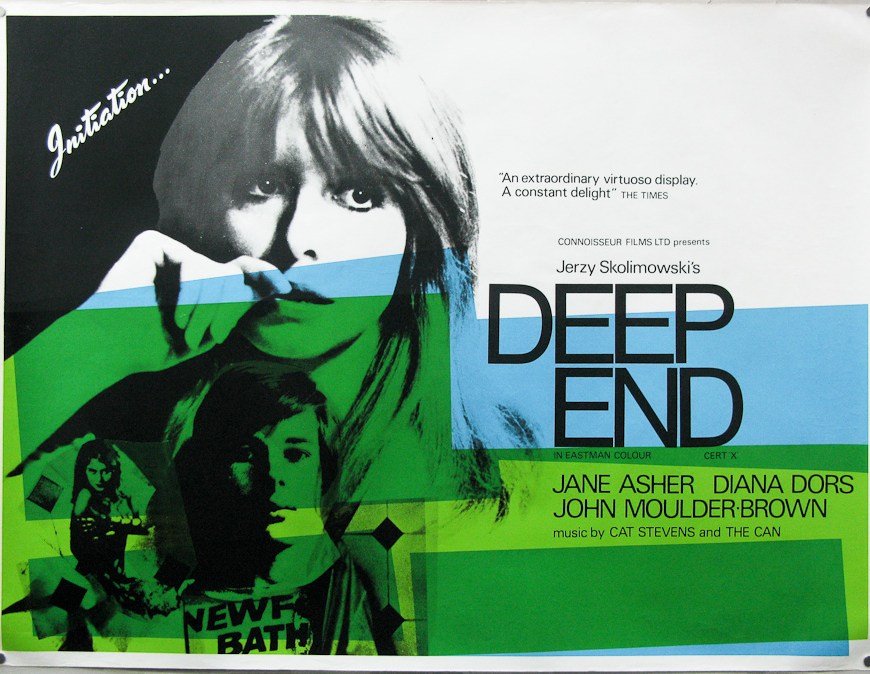
This article contains spoilers. There are many aspects of distraction within Jerzy Skolimowski’s 1970 film, Deep End.  Its highly sexualised, sometimes seedy narrative, its vast array of colours and its crisp, sharp direction are only a handful of its hyper-active eccentricities.  Even David Lynch, a long-time pessimist about colour cinema, is on record as a fan of Deep End‘s array of powerful colours, and styles.  … Continue reading Deep End (1970) and the Musical Emphasising of Narrative (Jerzy Skolimowski).

Nietzsche and 2001: A Space Odyssey (1968)

At this moment in time, I’m currently between two relatively heavy audio-visual essays.  The first (which is now finished and will be going online in segments from the end of the month) is about Andrei Tarkovsky’s film, The Sacrifice (1986) and how it has parallel aims with that of the Russian composer Scriabin and his unfinished work, Mysterium.  The second is looking at Stanley Kubrick’s … Continue reading Nietzsche and 2001: A Space Odyssey (1968)

Analysis of Sound and Music in Alfred Hitchcock’s Psycho (1960) – Part 1

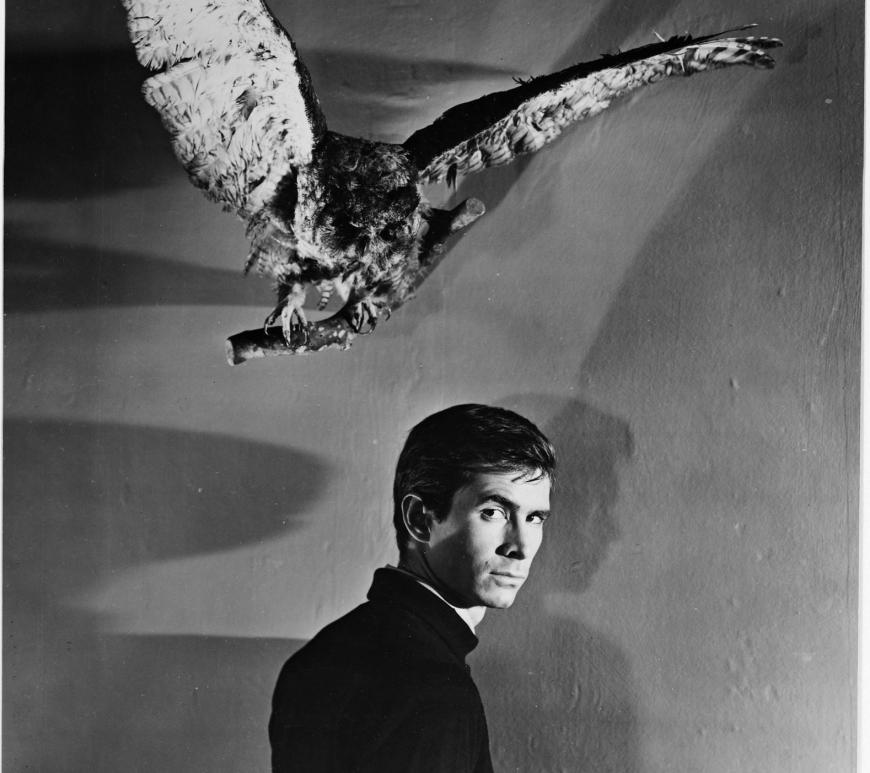
Sound and Music in Alfred Hitchcock’s Psycho and its Different Readings. Introduction. “If Psycho had been intended as a serious picture, it would have been shown as a clinical case with no mystery or suspense.  The material would have been used as the documentation of the case history.  We’ve already mentioned that total plausibility and authenticity merely add up to a documentary.” – Alfred Hitchcock … Continue reading Analysis of Sound and Music in Alfred Hitchcock’s Psycho (1960) – Part 1