Repetition And Occultism Of Invocation Of My Demon Brother (1969) – Kenneth Anger.

There exist volumes of academic research and work surrounding the role of repetition in religious and cultural practices.  Repeated actions of any type, creating an easily recognisable mimesis, seems almost an aesthetic by-word for a normalised analytical framework of cultural activities, especially musically.  From prayer to mantra, the idea of repetition is stretched to form (or conform) belief patterns, as if deliberately signposting theological culture … Continue reading Repetition And Occultism Of Invocation Of My Demon Brother (1969) – Kenneth Anger.

Analogue Ghosts of the 1970s And Hauntology.

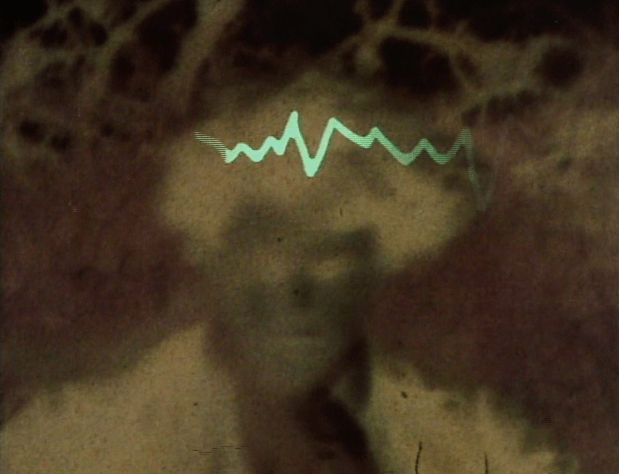
There seems to be an overt connection between analogue recording technology (of both the visual and aural varieties) and the narratives surrounding paranormal activity in 1970s British fantasy television.  Of course, there are no doubt connections between the interest in such activity (with the genuine events surrounding the Enfield Haunting for example, recently made into a drama on Sky) and the technological means of the … Continue reading Analogue Ghosts of the 1970s And Hauntology.

Fugitive in the Landscape

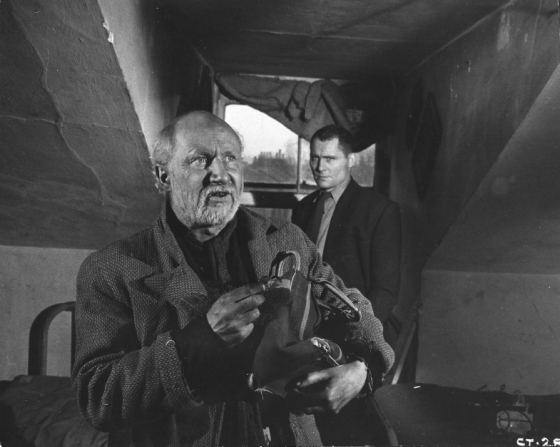
In the British tradition of the Chase & Pursuit drama, there are several reoccurring themes. The idea of a lone individual being chased through different landscapes by a group was popularised in Britain by the Second World War but was around far before then. The basic set-up has an individual wanted for some crime or misdemeanour (sometimes falsely). They are pursued by various parties, from the law … Continue reading Fugitive in the Landscape

Ringo’s Dérive in A Hard Day’s Night (1964).

Richard Lester’s film collaboration with The Beatles, A Hard Day’s Night (1964), has been attributed many aspects of foreshadowing modern culture.  From the almost accidental invention of the surrealism-infused music video to the defining of pre-counter-culture 1960s Britain and London, the film acts as both a periodical bubble and an innovative audio-visual experience that is as prescient today as it was then.  One segment in … Continue reading Ringo’s Dérive in A Hard Day’s Night (1964).

The Emotional Landscape of Scenes From A Marriage (1973)

Scenes from a Marriage was Ingmar Bergman’s first successful attempt to work in the medium of serialised television. The six episode series following the highs and lows of a marriage signposted many changes that the director would make during his work in the 1970s, aesthetically and thematically. Though a later cut of the series’ six episodes was edited into as a whole film for American audiences, several … Continue reading The Emotional Landscape of Scenes From A Marriage (1973)

Alchemical Magic in Derek Jarman’s The Tempest (1979).

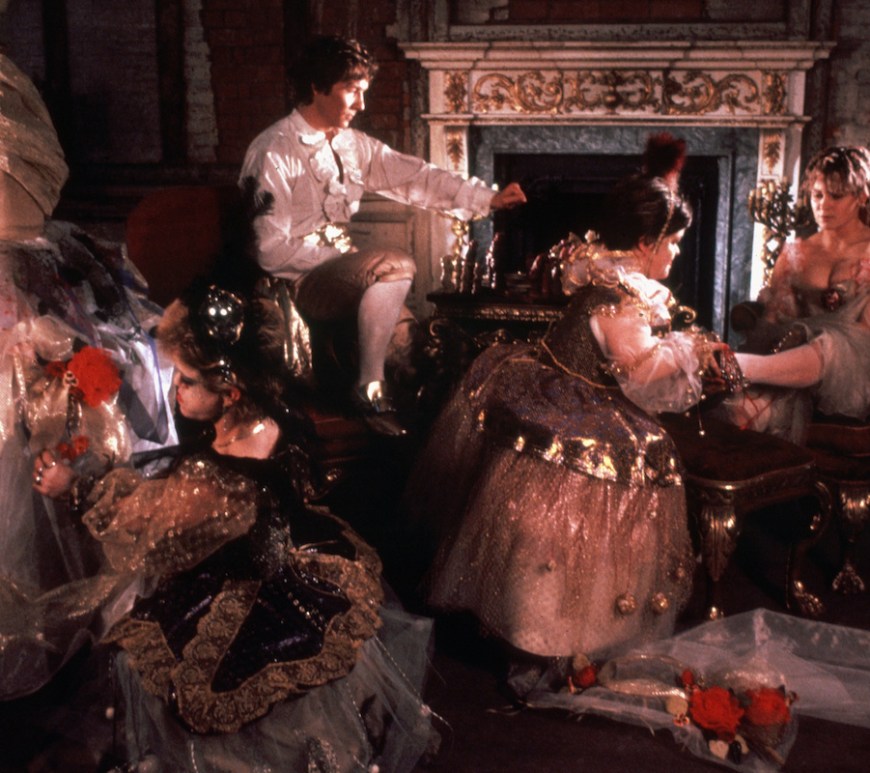
Forever a cinematic alchemist – a sage that conjured and devoured celluloid before the eventual ritualistic sacrifice- Derek Jarman is the perfect suitor to Shakespeare’s The Tempest (1979); a play whose heart is bathed in the tragedy and power of magic.  Of course Jarman isn’t the only person from the Brit-pack of avant-garde directors to remould the work but his is the most natural.  Peter … Continue reading Alchemical Magic in Derek Jarman’s The Tempest (1979).

Repetition, Adorno and 71 Fragments Of A Chronology Of Chance (Haneke).

Much has been written about the stark comparisons between the cinema of Michael Haneke and the culture theories of the Frankfurt School of philosophy.  In the 2010 book, A Companion To Michael Haneke, Roy Grundmann devotes a whole essay in the volume to Theodor Adorno and the “aesthetic fragmentation” of several of Haneke’s films whilst various articles and essays spend time drawing comparisons to Haneke’s … Continue reading Repetition, Adorno and 71 Fragments Of A Chronology Of Chance (Haneke).

Electronic Music And Mental Illness In Cinema.

This article contains narrative spoilers. From its very earliest occurrences, electronic instrumentation and music has been used in cinema to signpost various aspects of mental health problems and issues within diegetic characters.  Alongside its uses in creating alien worlds, electronic instrumentation seems to, at least in the eyes of the films’ creators, have an ability to go deep within the human psyche as well as … Continue reading Electronic Music And Mental Illness In Cinema.

The Night Of The Hunter (1955) And The Death Waltz – Charles Laughton.

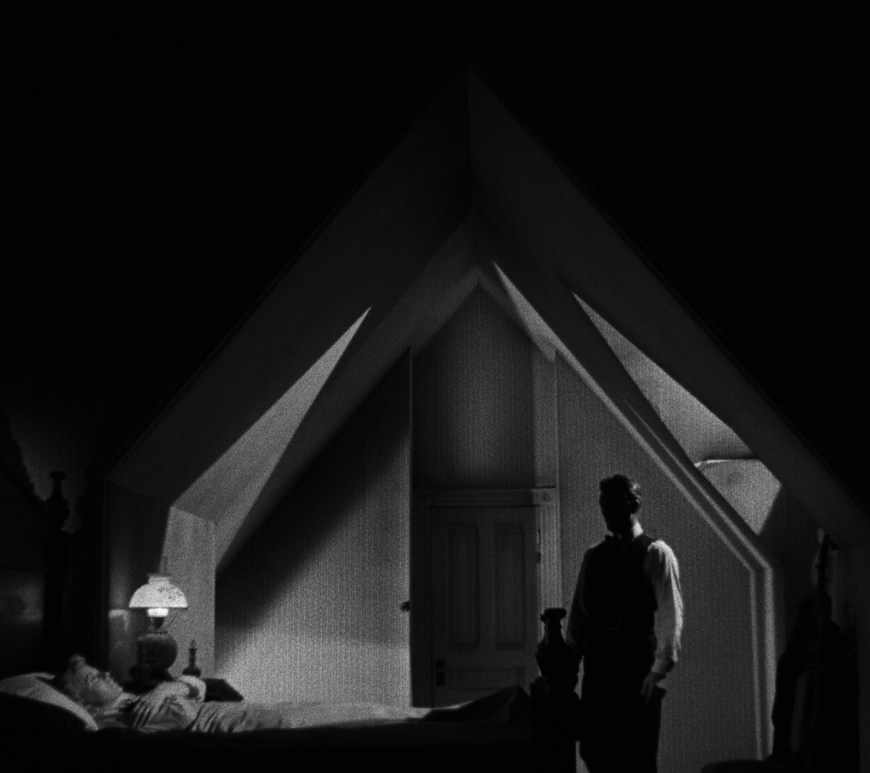
One of the best and most underrated moments from Charles Laughton’s The Night Of The Hunter (1955), the scene that captures the murder of Willa (Shelly Winters) after a prolonged period of brainwashing by Preacher Harry Powell (Robert Mitchum), is not only one of the most important and powerful moments in the film but one that sums up the more interesting end of thematic audio-visual … Continue reading The Night Of The Hunter (1955) And The Death Waltz – Charles Laughton.

Philip Larkin’s Spirit in Requiem For A Village (1976)

I thought it would last my time – The sense that, beyond the town, There would always be fields and farms, Where the village louts could climb Such trees as were not cut down; I knew there’d be false alarms – Going, Going, Philip Larkin. Above is the opening stanza of Philip Larkin’s 1972 poem, Going, Going. The poem captures the sense of a world being lost. The … Continue reading Philip Larkin’s Spirit in Requiem For A Village (1976)