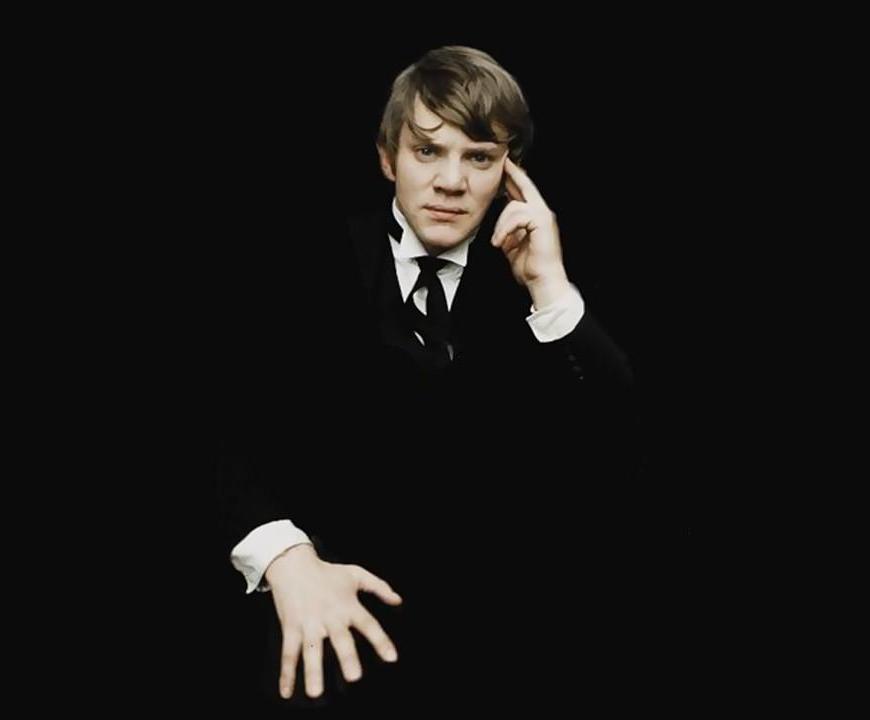
The Music of If…. (1968, Lindsay Anderson).

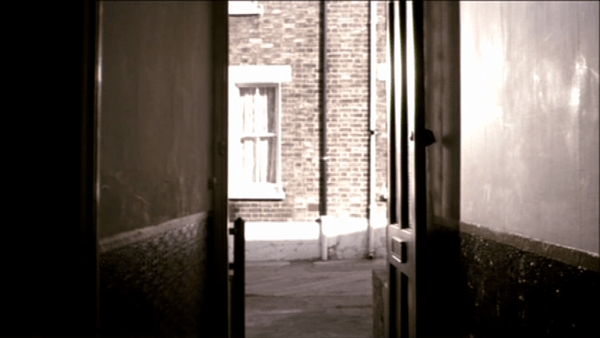
Lindsay Anderson’s If…. (1968) has so many obvious visual qualities that it can sometimes be easy to overlook its highly original and thematically motivated use of music.  Anderson’s films are littered with all sorts of aural qualities though often tended to be more overt in his trilogy of Mick Travis films, the other two instalments being O’Lucky Man (1973) and Britannia Hospital (1982).  If…., however, … Continue reading The Music of If…. (1968, Lindsay Anderson).

Ligeti’s Atmosphères as a Musical Foreshadowing of Kubrick’s 2001- Part 1 (Introduction)

Ligeti’s Atmosphères as a Musical Foreshadowing of Stanley Kubrick’s 2001: A Space Odyssey. Introduction. “First in Cologne in 1957 and later during my long stay in Vienna in the ’60s, I gradually evolved a musical style in which I abandoned structures conceived in terms of bars, melodies, lines and conventional forms.  In this respect my first two orchestral works, Apparitions and Atmosphères, are the most … Continue reading Ligeti’s Atmosphères as a Musical Foreshadowing of Kubrick’s 2001- Part 1 (Introduction)

Analysis of Sound and Music in Alfred Hitchcock’s Psycho (1960) – Part 3 (Acousmatic Concepts)

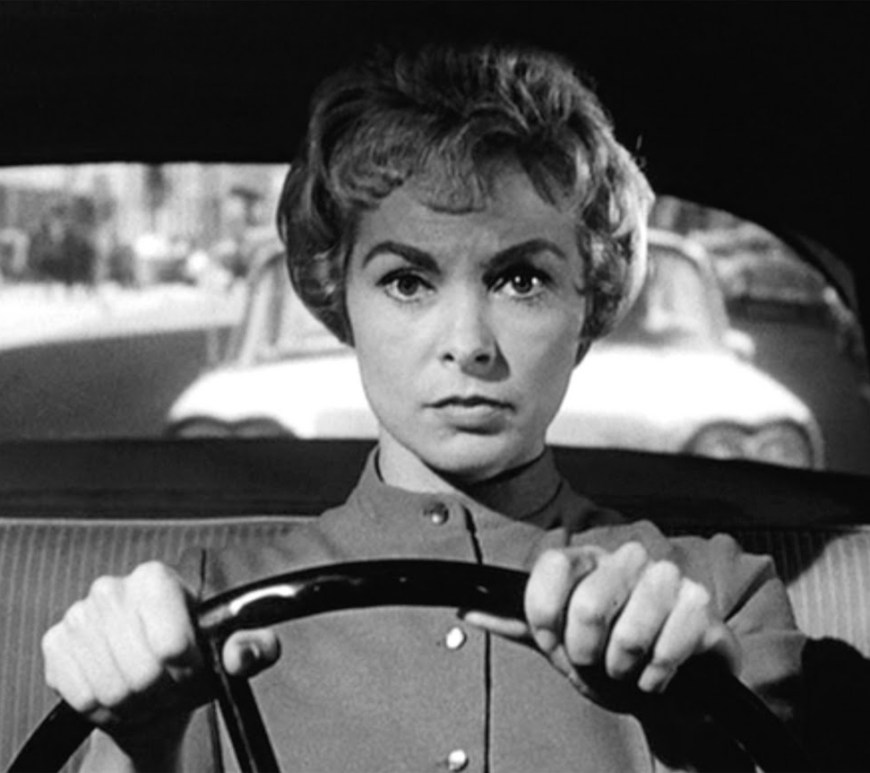
Part 1. Part 2. Emphasis on Acousmatic Concepts in Ross J. Fenimore’s “Voices that Lie Within”. “Psycho almost didn’t happen.  This is a unique case of music literally saving a film.” – Sullivan (2006, p.246). Like much literature around Psycho, Fenimore’s “Voices That Lie Within” begins its argument with setting the scene. “Psycho begins with a theft.”(2010, p.80) he begins as so many often do.  … Continue reading Analysis of Sound and Music in Alfred Hitchcock’s Psycho (1960) – Part 3 (Acousmatic Concepts)

David Lynch’s Musical Formations of Cinematic Ideas (The Big Dream).

David Lynch has a very clear and obvious interest in music. This interest finds its way into his films via a number of different methods and often build upon the director’s main recurring themes and ideas. What makes David Lynch distinct from other American directors with interests in music such as Martin Scorsese and Woody Allen is that Lynch’s interest has peaked at a point … Continue reading David Lynch’s Musical Formations of Cinematic Ideas (The Big Dream).

Distant Voices, Still Lives (Part 3) – Music, Memory and Society.

Part 1. Part 2. Part 3. Part 4. Part 5. Part 6. Music, Memory and Society. Adorno and Eisler argue that: “As a matter of principle, priority goes to the truly novel musical resources. However, motion-picture music can also summon other musical resources of the most varied nature, on the condition that it reaches the most advanced contemporary modes of composing, which are characterized by … Continue reading Distant Voices, Still Lives (Part 3) – Music, Memory and Society.

Distant Voices, Still Lives – Sounds of the Past. (Part 2)

Part 1 Part 2 Part 3 Part 4 Part 5 The Sounds of the Past “To this inexorable, insidious awareness of your own dependence on your past, like an illness that grows even harder to bear, I gave the name “Nostalgia”…” (Tarkovsky, 1986, p.206) One of Distant Voices, Still Lives’ key differences to all that had gone before in the canon of British working class … Continue reading Distant Voices, Still Lives – Sounds of the Past. (Part 2)

The Problematic Reception of Derek Jarman’s Blue – Part 5 (Home Viewings and Conclusions)

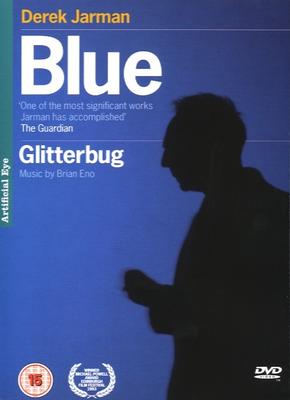
Part 1. Part 2. Part 3. Part 4. Home Viewing of Blue and New Reception Possibilities. “Say you were struck down tomorrow, what would your monument be?” – Dr Mathew Herbert. “Oh nothing, because film disappears, thank God.” – Derek Jarman (1993, p.117) There is an unstated irony within this essay in the fact that this writer has never been able to experience Blue in … Continue reading The Problematic Reception of Derek Jarman’s Blue – Part 5 (Home Viewings and Conclusions)

Persona (1966) – Consequences of a Silent World (Ingmar Bergman)

This article contains spoilers. Though drenched in visual complexities and sharp, hap-hazard editing, Ingmar Bergman’s Persona (1966) is film that is aurally interesting as it is exhilarating to view.  Its opening segment of film footage from all corners of cinematic life, spliced together to form a montage of passing thoughts and nightmares, is actually a beautifully put together piece of sound editing as well.  This … Continue reading Persona (1966) – Consequences of a Silent World (Ingmar Bergman)

Distant Voices, Still Lives – Nostalgia and Hardship Through Sound & Music (Part 1).

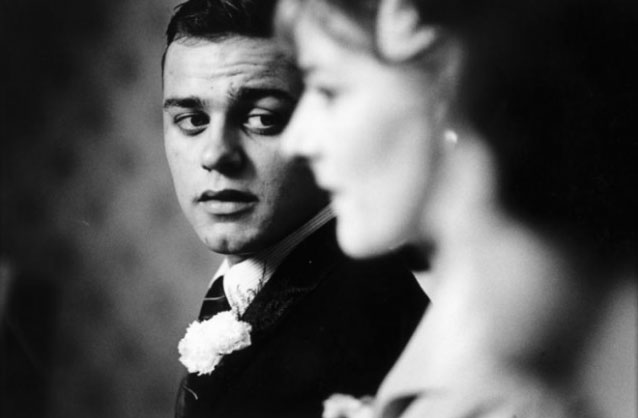
Part 1. Part 2. Part 3. Part 4. Working Class Pasts – Nostalgia and Past Hardship Through Sound and Music. “Since the 1970s especially, the tendency has grown for directors to indulge their own musical tastes in scoring a film” (Gorbman, 2006, p.17). Distant Voices, Still Lives (1988) – Differences in Time. Terence Davies’ autobiographical second feature is the last film to be examined.  Unlike … Continue reading Distant Voices, Still Lives – Nostalgia and Hardship Through Sound & Music (Part 1).

The Problematic Reception of Derek Jarman’s Blue – Part 4 (New Technological Contexts).

Part 1 Part 2 Part 3 The Reception of Blue in New Technological Forms and Contexts. “The degree to which the spectator identifies with the diegesis as his/her own hallucination fluctuates from spectator to spectator, from narrative moment to moment, from genre to genre.” (Gorbman, 1987, p.45). It is very hard to experience Blue today in the intended format that Jarman produced it in.  This … Continue reading The Problematic Reception of Derek Jarman’s Blue – Part 4 (New Technological Contexts).