Festival (1996) and the Acceptance of Loss – Im Kwon-Taek.

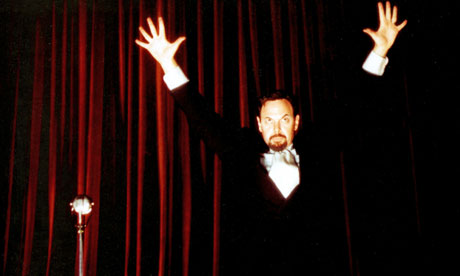
Celebrating loss can be a difficult task even for the more optimistic of personas.  The idea of someone being physically and emotionally lost is not a pleasant experience which, at best can provide some cathartic character building in between the tears and complete incomprehension as to what exactly it means to live or die.  It’s a theme familiar in many filmmaker’s auteur driven, thematic catalogues, … Continue reading Festival (1996) and the Acceptance of Loss – Im Kwon-Taek.

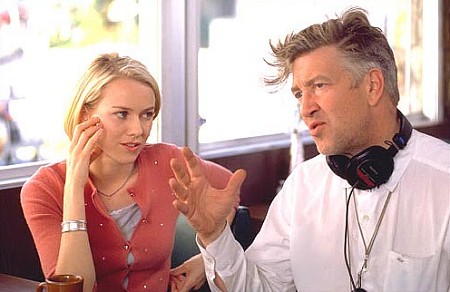
David Lynch’s Avant-Garde Uses Of Music – Part 3 (Influence).

Part 1. Part 2. Mulholland Drive In Context of Other Subversive Mainstream Films (Eyes Wide Shut). “For the duration of his career, and despite the size of his productions and the fact that they were all studio funded, Kubrick was very much an independent filmmaker.” – Horsley (2005, p.54) Lynch isn’t the only director to take Hollywood visuals and use them for his own artistic ends.  A … Continue reading David Lynch’s Avant-Garde Uses Of Music – Part 3 (Influence).

David Lynch’s Assimilation Of The Avant Garde – Part 2 (Musical Score and Club Silencio).

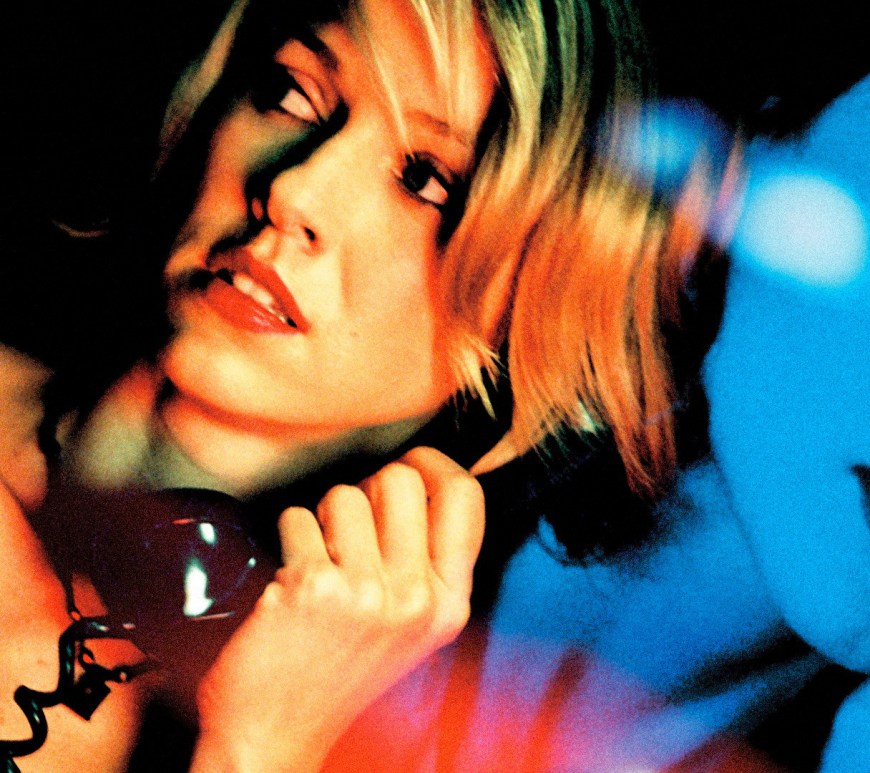
Part 1. Musical score – In the Context of David Lynch and Film Noir. The score for Mulholland Drive is a melting pot of ideas, genres and textures all of which add to the ineffable nature of the film.  Instead of putting the music in contrast with outside environments and films like most normal critiques would, the analysis is firstly in the context of Lynch’s … Continue reading David Lynch’s Assimilation Of The Avant Garde – Part 2 (Musical Score and Club Silencio).

Musical Emphasis on Visual Words (François Truffaut and Pier Paolo Pasolini)

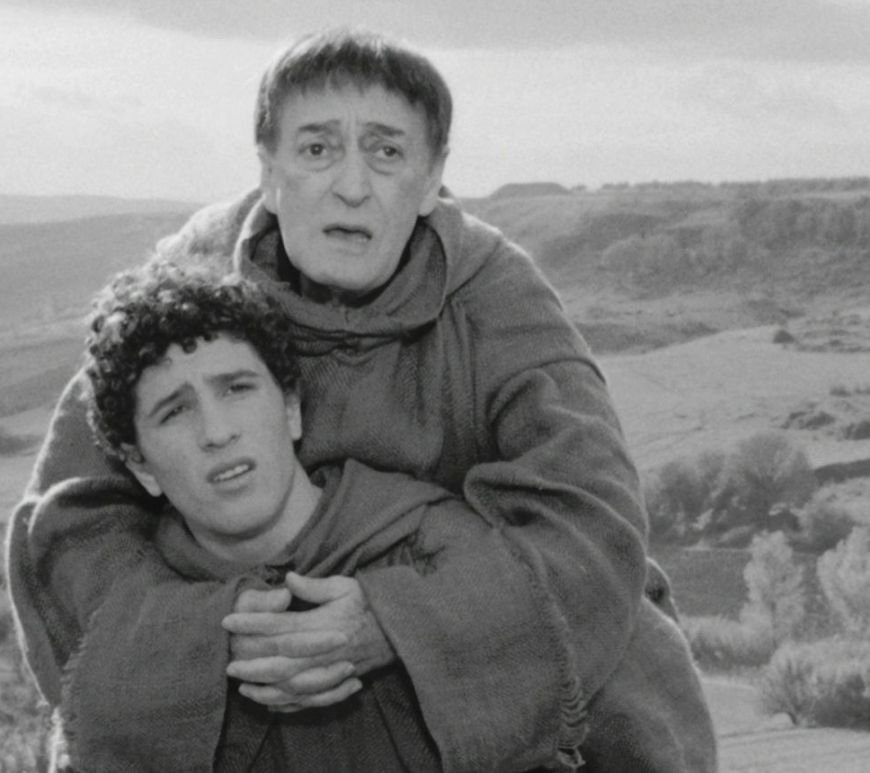
The relationship between sound and vision in film is one that is complex and almost indefinable in a broad sense due to each director and composer treating such relationship in different ways.  The two examples about to be discussed are almost reverse images of each other’s effects; the same method has been applied but for different reasons and different results.  Much examination has taken place … Continue reading Musical Emphasis on Visual Words (François Truffaut and Pier Paolo Pasolini)

David Lynch + Assimilation of Avant-Garde Aesthetics in Subversive, Mainstream Soundtracks (Part 1)

Introduction – The Boundaries Of Criteria. “He was the most original director in 1980s cinema, its only surrealist” – Mark Cousins on David Lynch (2004, p.394). The Avant-Garde is like a spark or a flash of quick-fire creative ideals.  The idea of Avant-Garde cinema is not so much to present an experience or escapism, but is there instead to quickly question the ideals of the audience … Continue reading David Lynch + Assimilation of Avant-Garde Aesthetics in Subversive, Mainstream Soundtracks (Part 1)

Maya Deren And The Scores Of Teiji Ito (Meshes Of The Afternoon + Others)

Time past and time future, What might have been and what has been, Point to one end, which is always present. – T.S Eliot (Four Quartets) There’s a clash often present in the films of Maya Deren but especially in the ones that incorporate music into their styling.  From her most famous short Meshes Of The Afternoon (1943 or 1952 with music) to other titles such as … Continue reading Maya Deren And The Scores Of Teiji Ito (Meshes Of The Afternoon + Others)

X The Unknown – Leslie Norman (1956)

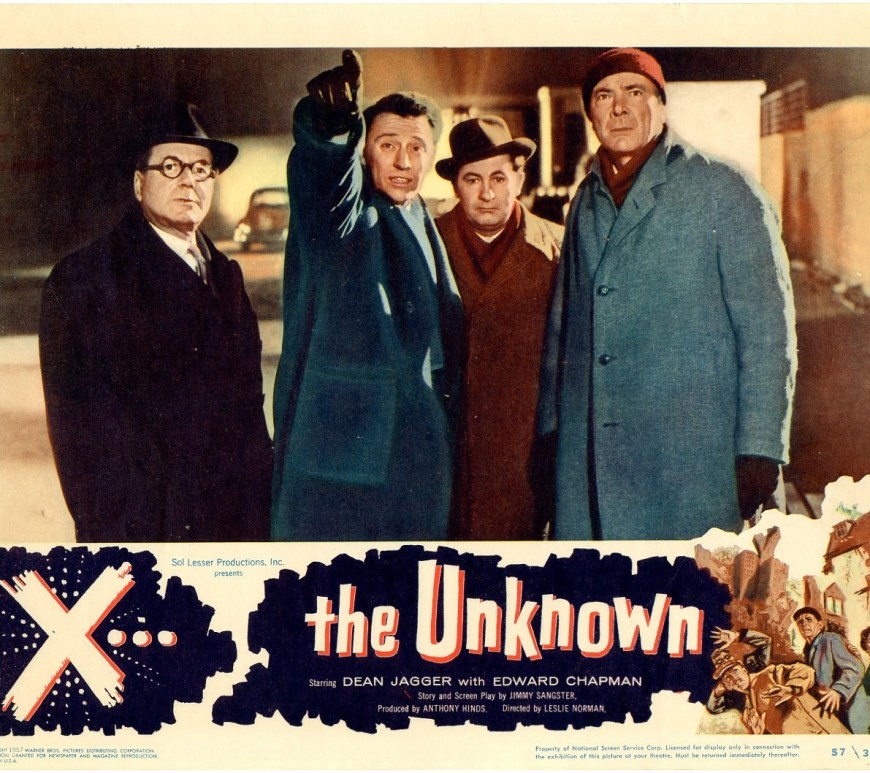
Following on from Hammer’s The Quatermass Xperiment, the company continued their desire for rating incorporated titles with 1956’s X The Unknown. It may perhaps hold the most unimaginative of Hammer’s titles but the film itself has some surprisingly good moments. The story follows an extremely similar route to its predecessor but certain tweaks allow more paranoia to build specifically around the radiation that clearly obsessed … Continue reading X The Unknown – Leslie Norman (1956)

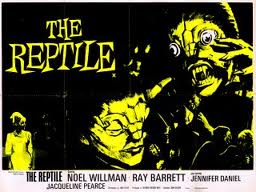
The Reptile – John Gilling (1966)

This article contains spoilers. As a companion piece to John Gilling’s other big Hammer success The Plague of Zombies, 1966’s other Cornish based horror is an entirely different film even though shot relatively back to back.  The Reptile focuses far more on the individual effects of a creature on the loose rather than a general view on the chaos, though obviously the villages where both … Continue reading The Reptile – John Gilling (1966)

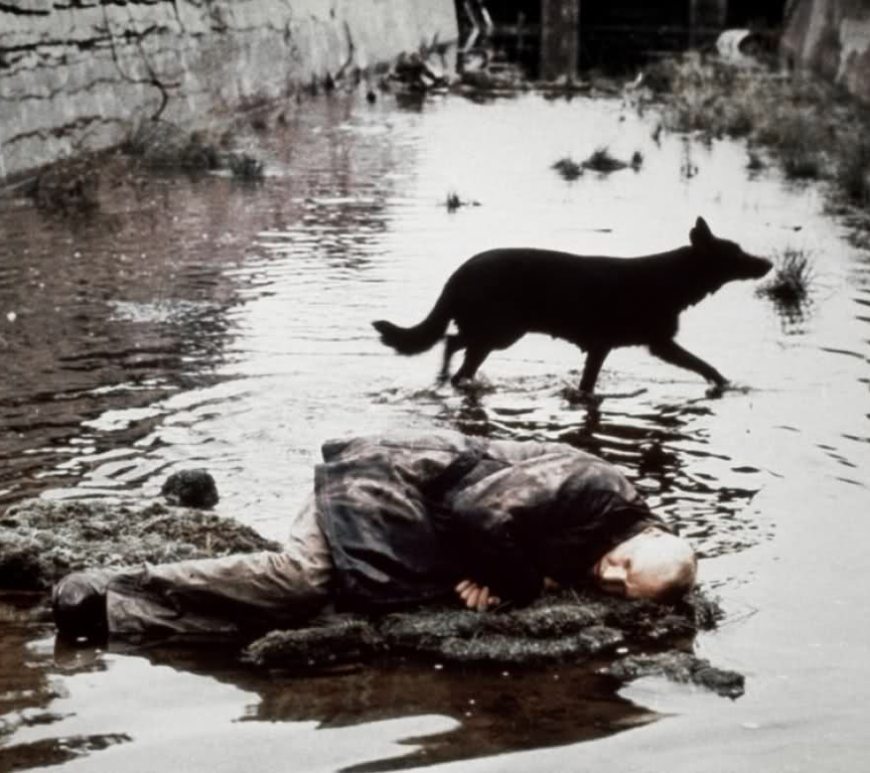
How Historical And Cultural Dynamics Shaped The Work Of Andrei Tarkovsky (Part 1 – Stalker)

Perhaps being from the west, Russian film fulfills that same function as cultural currency meaning we as a western audience are only shown what the country considers to be its finest and most cultured films yet this matters little in an argument for national cinemas as this is the image projected to us as an audience and only a true Russian will know whether all … Continue reading How Historical And Cultural Dynamics Shaped The Work Of Andrei Tarkovsky (Part 1 – Stalker)

The Wicker Man – Robin Hardy (1973)

The sub-genre of Folk Horror is possibly the oddest mixture of ideals and ideas ever to join in the world of cinema.  Trying to envision a genre taking best aspects from Folk tradition and mix it with the scary and disturbing edges of Horror can be difficult to imagine. However, amongst this small group of films, all of which are brilliant, sits one that transcends the … Continue reading The Wicker Man – Robin Hardy (1973)