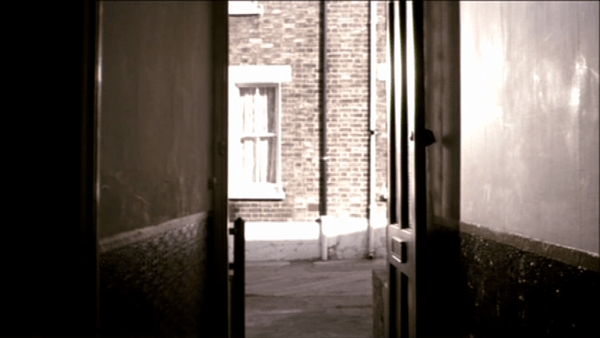
Distant Voices, Still Lives – Sounds of the Past. (Part 2)

Part 1 Part 2 Part 3 Part 4 Part 5 The Sounds of the Past “To this inexorable, insidious awareness of your own dependence on your past, like an illness that grows even harder to bear, I gave the name “Nostalgia”…” (Tarkovsky, 1986, p.206) One of Distant Voices, Still Lives’ key differences to all that had gone before in the canon of British working class … Continue reading Distant Voices, Still Lives – Sounds of the Past. (Part 2)


Antichrist (Lars von Trier) and Handel’s Aria (Lascia ch’io pianga)

Lars von Trier’s recent film work often uses very specific musical cues within its narrative framework.  His visual style has developed very clearly beyond his self-imposed Dogma ’95 rulings, and his sound world also reflects this almost seismic change. Though music is equally as imposing in his 2011 Melancholia, the music used in his controversial 2009 film, Antichrist, sums up this sparse but very specific musical … Continue reading Antichrist (Lars von Trier) and Handel’s Aria (Lascia ch’io pianga)

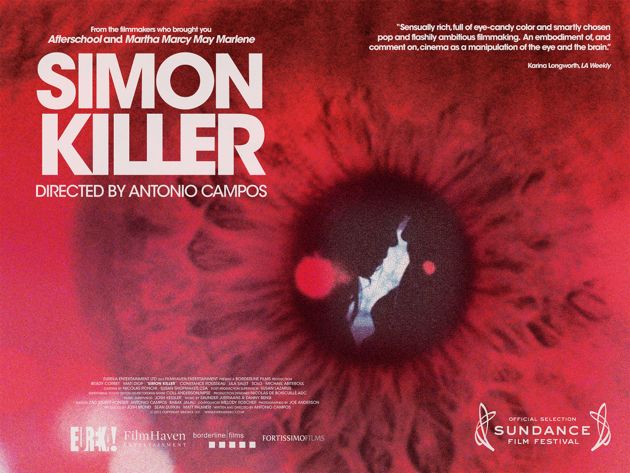
Simon Killer (Antonio Campos, 2012) – Masters of Cinema.

This review contains spoilers. Fluidity is rife within Antonio Campos’ 2012 film Simon Killer. From its character’s perception of reality to its editing and direction, the film seems in a constant state flux, moving in and out of ideas and emotions as easily as its sociopath protagonist. For a film with such a violent, blunt title, it almost betrays the melancholic, rarely visceral content of … Continue reading Simon Killer (Antonio Campos, 2012) – Masters of Cinema.

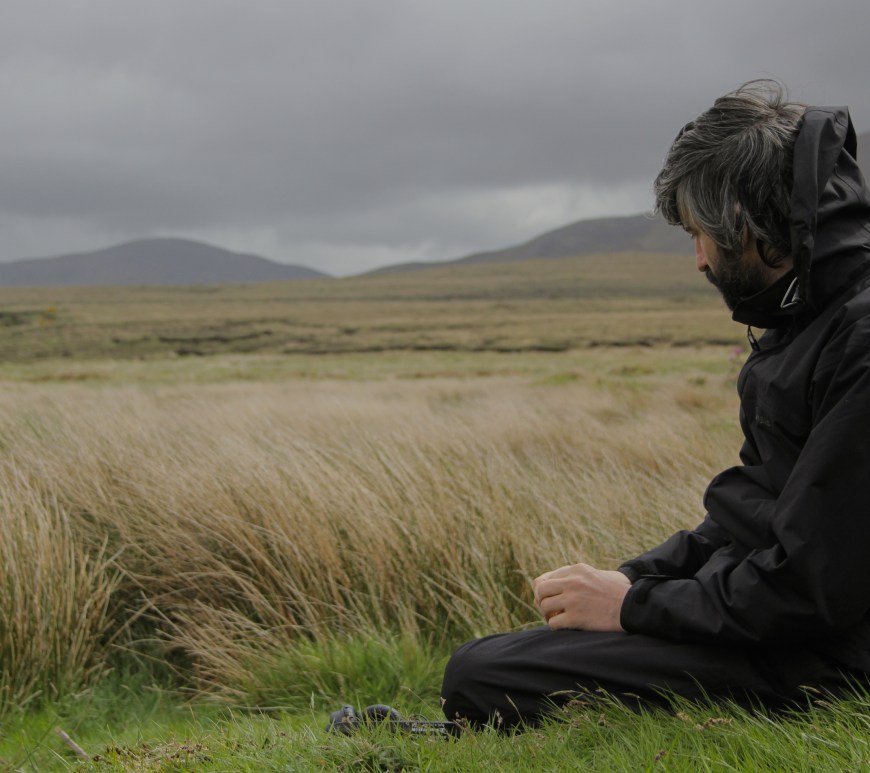
Interview with Pat Collins (Silence, 2012).

Pat Collins may perhaps be better known for his engaging documentaries but this year sees the release of his debut feature film in the UK.  Silence is a stunning debut film, full of philosophy, poetry and visual beauty.  The film shows a confidence within the new form as well as an expert use of layering different emotions and textures upon one another.  A full analysis … Continue reading Interview with Pat Collins (Silence, 2012).

Silence (Pat Collins, 2012) – Landscape and Nostalgia.

Nostalgia can manifest in many forms at the cinema.  Sometimes it can be overt, sometimes it can be unconscious but film is most definitely the medium to explore its inner workings.  A number of films have recently used sound, not just in an interesting way, but as a major part of the narrative and character focus whilst touching upon nostalgia.  These range from the superb … Continue reading Silence (Pat Collins, 2012) – Landscape and Nostalgia.

The Complete Humphrey Jennings Volume 3 (A Diary for Timothy) – BFI

It’s an oft repeated dictum that British director, Humphrey Jennings, had a gradual decline of quality within his work towards the end of the Second World War.  It’s repeated several times in the booklet of this excellent BFI release but, like many of the others who start with this statement, there is a “but”.  That “but” is that Jennings’ weaker work is in fact not … Continue reading The Complete Humphrey Jennings Volume 3 (A Diary for Timothy) – BFI

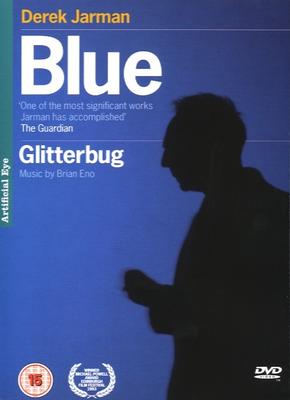
The Problematic Reception of Derek Jarman’s Blue – Part 5 (Home Viewings and Conclusions)

Part 1. Part 2. Part 3. Part 4. Home Viewing of Blue and New Reception Possibilities. “Say you were struck down tomorrow, what would your monument be?” – Dr Mathew Herbert. “Oh nothing, because film disappears, thank God.” – Derek Jarman (1993, p.117) There is an unstated irony within this essay in the fact that this writer has never been able to experience Blue in … Continue reading The Problematic Reception of Derek Jarman’s Blue – Part 5 (Home Viewings and Conclusions)

Persona (1966) – Consequences of a Silent World (Ingmar Bergman)

This article contains spoilers. Though drenched in visual complexities and sharp, hap-hazard editing, Ingmar Bergman’s Persona (1966) is film that is aurally interesting as it is exhilarating to view.  Its opening segment of film footage from all corners of cinematic life, spliced together to form a montage of passing thoughts and nightmares, is actually a beautifully put together piece of sound editing as well.  This … Continue reading Persona (1966) – Consequences of a Silent World (Ingmar Bergman)

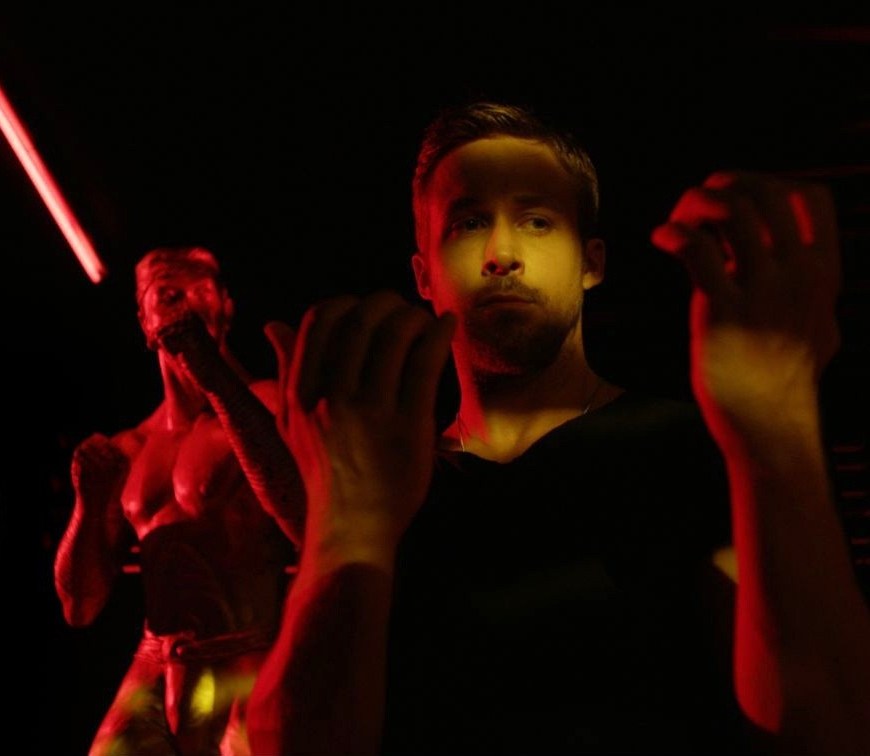
Only God Forgives (Nicolas Winding Refn) – Violent Sonatas and Dreaming in Colour.

This article contains spoilers. Cinema was built for dreams.  It’s almost cliché now, adding dreams, dream sequences, dream-scapes; endless tumbling ambiguity to add depth and distance to a film.  Nicolas Winding Refn’s Only God Forgives (2013) is not a dream in the sense of Inception (2010) or Spellbound (1945) but more in the sense of a light day-dream inciting calm before a violent storm.  On … Continue reading Only God Forgives (Nicolas Winding Refn) – Violent Sonatas and Dreaming in Colour.

Alphaville (1965) and the Absurdities of Cinema – Jean-Luc Godard.

Jean-Luc Godard’s Alphaville (1965) was one of the first pieces of non-Anglo American cinema that I watched.  It may have been diving in toward the deep end in some regards but something became very striking about the film as its running time trickled by. It said more than other dystopias, noirs or sci-fi but this “more” wasn’t to do with anything that could be described … Continue reading Alphaville (1965) and the Absurdities of Cinema – Jean-Luc Godard.