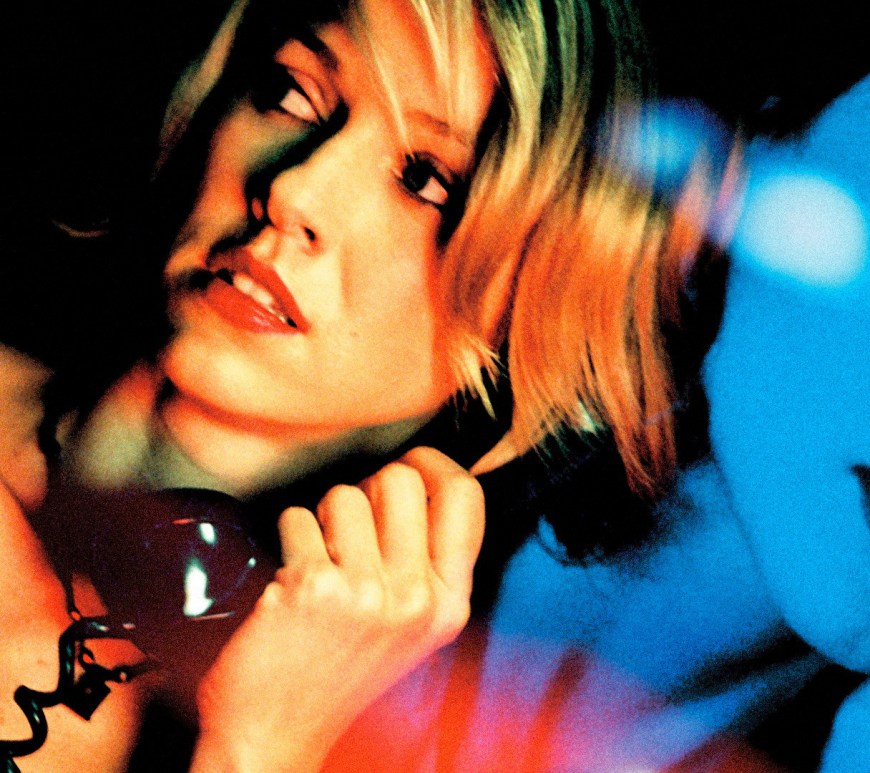
David Lynch’s Avant-Garde Uses Of Music – Part 3 (Influence).

Part 1. Part 2. Mulholland Drive In Context of Other Subversive Mainstream Films (Eyes Wide Shut). “For the duration of his career, and despite the size of his productions and the fact that they were all studio funded, Kubrick was very much an independent filmmaker.” – Horsley (2005, p.54) Lynch isn’t the only director to take Hollywood visuals and use them for his own artistic ends.  A … Continue reading David Lynch’s Avant-Garde Uses Of Music – Part 3 (Influence).

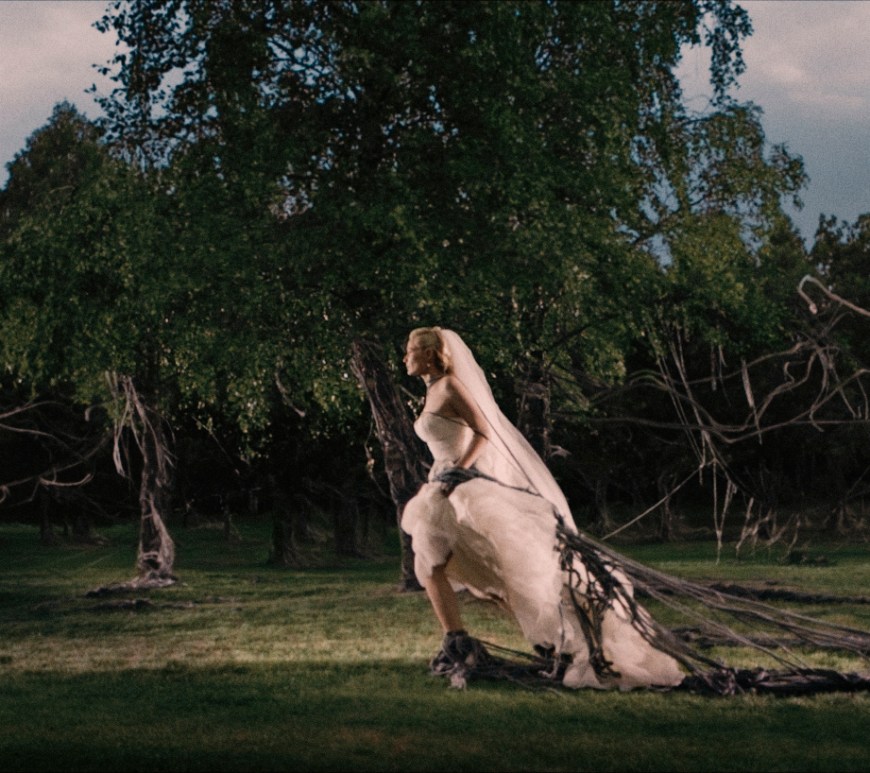
Solitary Music In Melancholia and The Turin Horse (von Trier and Tarr).

This article contains spoilers. Considering the large amount of time and effort that goes into creating and putting together the soundtrack to a film, one of the most interesting creative choices for filmmakers (often outside of the mainstream) is to use a piece of music continuously throughout rather than use different music for different scenes and segments.  This choice often highlights a desire for the … Continue reading Solitary Music In Melancholia and The Turin Horse (von Trier and Tarr).

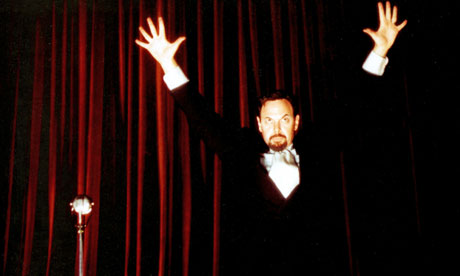
David Lynch’s Assimilation Of The Avant Garde – Part 2 (Musical Score and Club Silencio).

Part 1. Musical score – In the Context of David Lynch and Film Noir. The score for Mulholland Drive is a melting pot of ideas, genres and textures all of which add to the ineffable nature of the film.  Instead of putting the music in contrast with outside environments and films like most normal critiques would, the analysis is firstly in the context of Lynch’s … Continue reading David Lynch’s Assimilation Of The Avant Garde – Part 2 (Musical Score and Club Silencio).

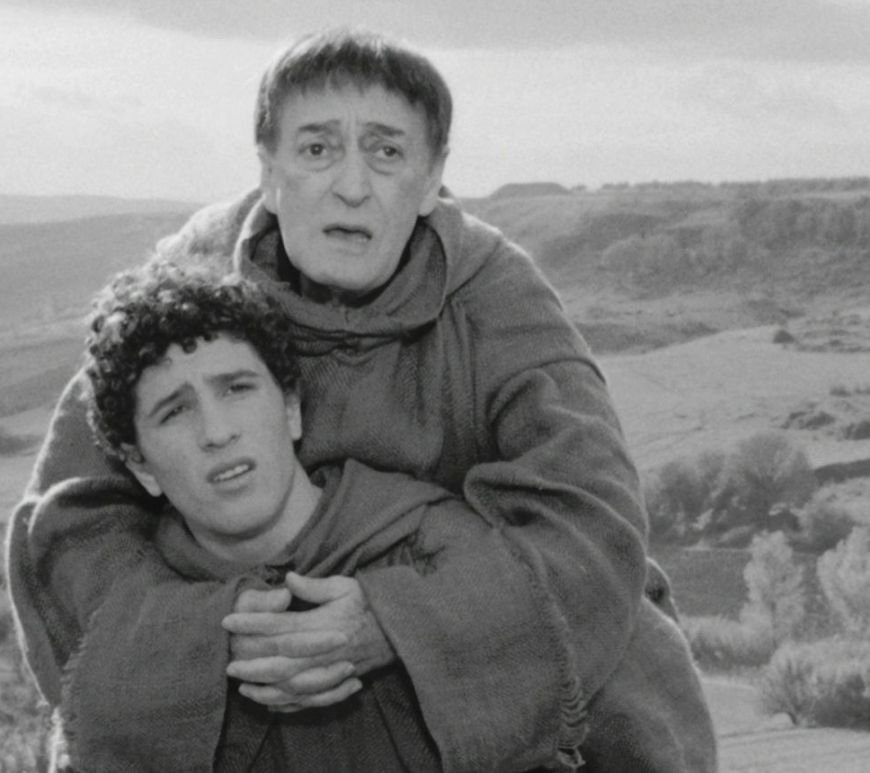
Musical Emphasis on Visual Words (François Truffaut and Pier Paolo Pasolini)

The relationship between sound and vision in film is one that is complex and almost indefinable in a broad sense due to each director and composer treating such relationship in different ways.  The two examples about to be discussed are almost reverse images of each other’s effects; the same method has been applied but for different reasons and different results.  Much examination has taken place … Continue reading Musical Emphasis on Visual Words (François Truffaut and Pier Paolo Pasolini)

David Lynch + Assimilation of Avant-Garde Aesthetics in Subversive, Mainstream Soundtracks (Part 1)

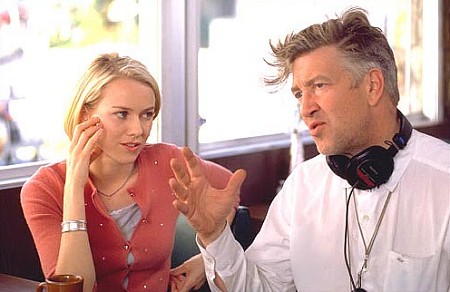
Introduction – The Boundaries Of Criteria. “He was the most original director in 1980s cinema, its only surrealist” – Mark Cousins on David Lynch (2004, p.394). The Avant-Garde is like a spark or a flash of quick-fire creative ideals.  The idea of Avant-Garde cinema is not so much to present an experience or escapism, but is there instead to quickly question the ideals of the audience … Continue reading David Lynch + Assimilation of Avant-Garde Aesthetics in Subversive, Mainstream Soundtracks (Part 1)

Maya Deren And The Scores Of Teiji Ito (Meshes Of The Afternoon + Others)

Time past and time future, What might have been and what has been, Point to one end, which is always present. – T.S Eliot (Four Quartets) There’s a clash often present in the films of Maya Deren but especially in the ones that incorporate music into their styling.  From her most famous short Meshes Of The Afternoon (1943 or 1952 with music) to other titles such as … Continue reading Maya Deren And The Scores Of Teiji Ito (Meshes Of The Afternoon + Others)

The Horror Score Rebellion – Part 3 (Rosemary’s Baby And Popular Music In Horror)

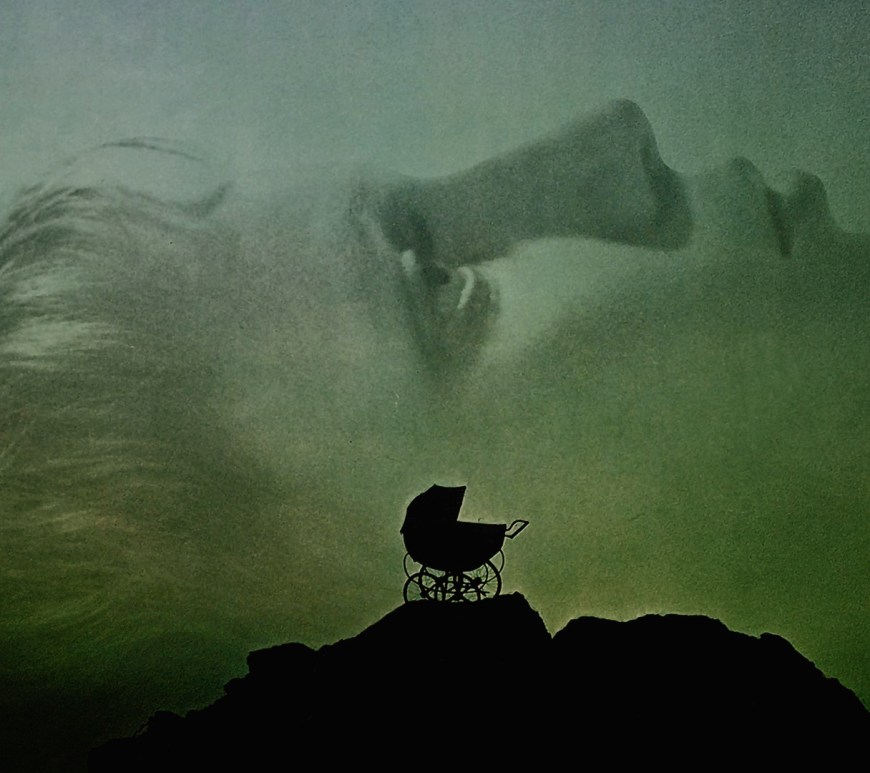
Though 1968 may best be remembered for Romero’s zombies, another film released that same year had a similar impact to the way horror films in the subsequent decade were scored. Rosemary’s Baby, directed by Polish émigré Roman Polanski, has a legacy of imitators that developed from its scoring techniques. Polanski’s tale of the occult in a Manhattan apartment block primarily employs a classical score but large … Continue reading The Horror Score Rebellion – Part 3 (Rosemary’s Baby And Popular Music In Horror)

Interview with Ben Rivers

Originally published in ACE Magazine. Ben Rivers is one of Britain’s leading experimental filmmakers, broaching the ground between narrative and documentary film. He has been making short films since 2003 but has recently risen in popularity due to the release of his first feature length film Two Years At Sea in 2011. Rivers is famed not just for creating haunting visuals but also for using … Continue reading Interview with Ben Rivers

Avant Godard! Musical Subversion In The Films Of Jean-Luc Godard. (Part 1)

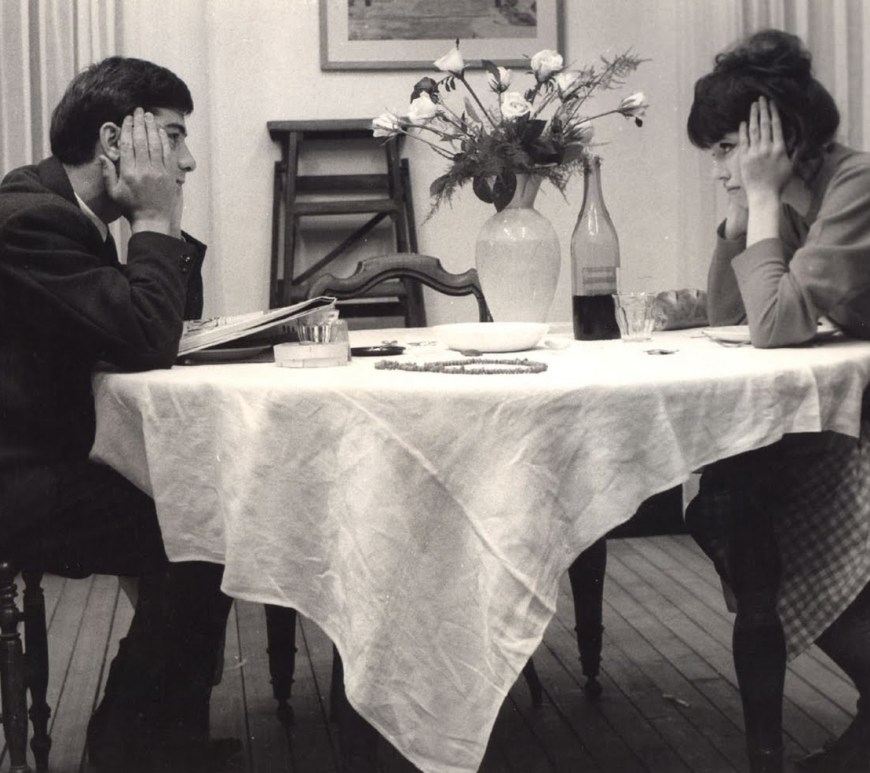
Avant Godard! Musical Subversion And Fictional Interaction With Non-Diegetic Music In The Films Of Jean-Luc Godard. Introduction – French New Wave As Avant Garde. When discussing Avant Garde cinema, the most obvious choices of cinematic subject would no doubt be linked to the likes of Dali, Buñuel and Cocteau.  However, the gradual movement from Avant Garde to Art House cinema presents a more interesting case for Avant Garde … Continue reading Avant Godard! Musical Subversion In The Films Of Jean-Luc Godard. (Part 1)