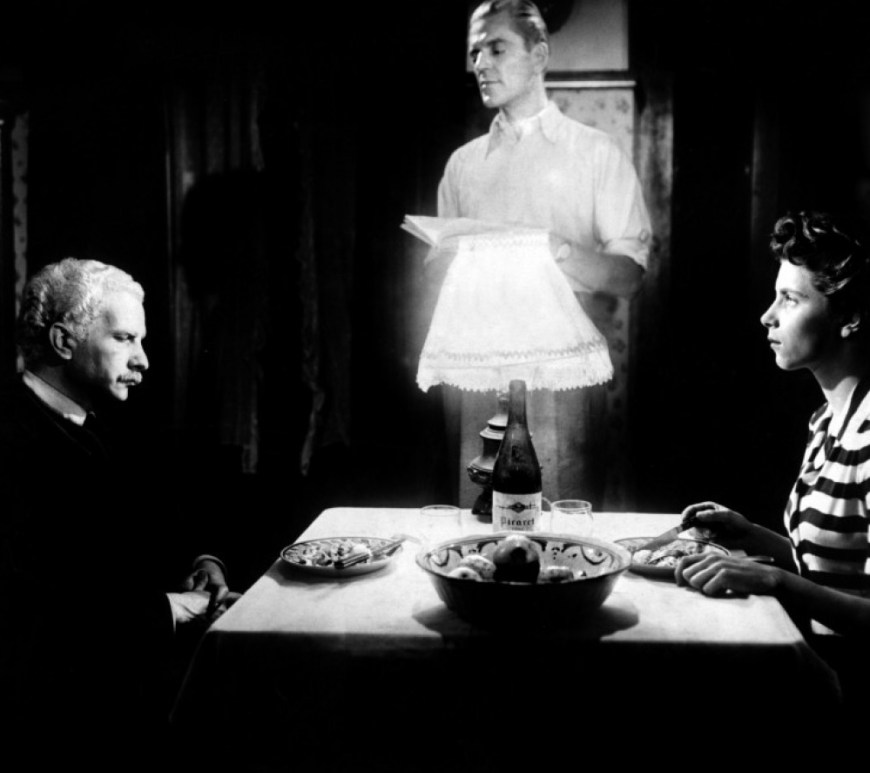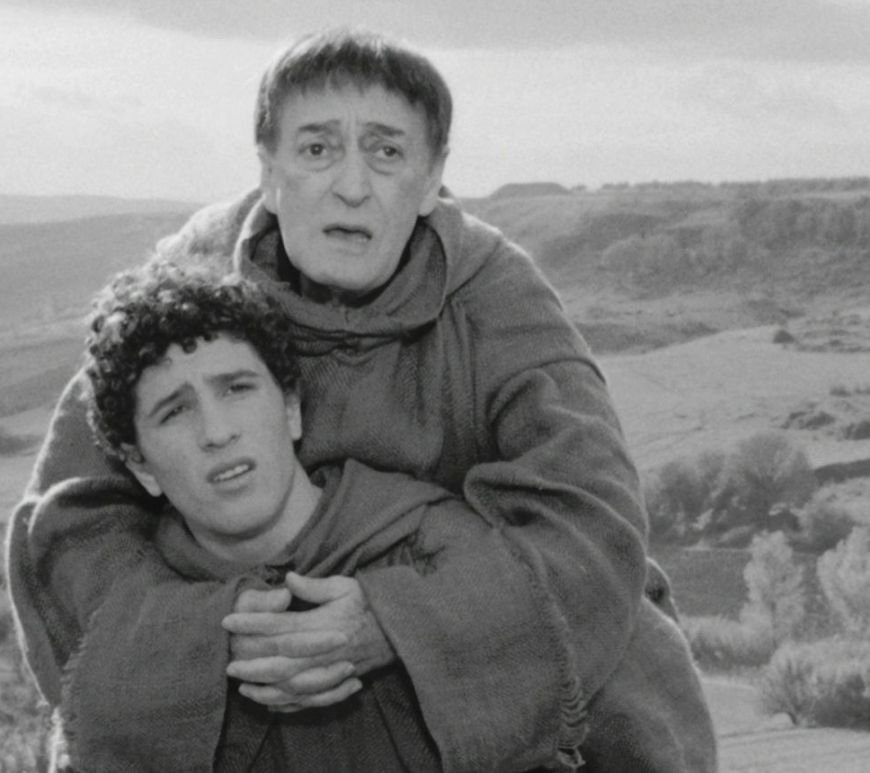
Silence as Resistance – Le Silence De La Mer (Jean-Pierre Melville)

It is an oft stated belief that silence is the most powerful effect in the canon of film sound techniques and tricks; a seemingly obvious nod to the lack of music to the lead the viewer emotionally and also a gentle nudge at the general over abundance of non-diegetic score in film.  One of the most stark and allegorical uses of silence can be found … Continue reading Silence as Resistance – Le Silence De La Mer (Jean-Pierre Melville)

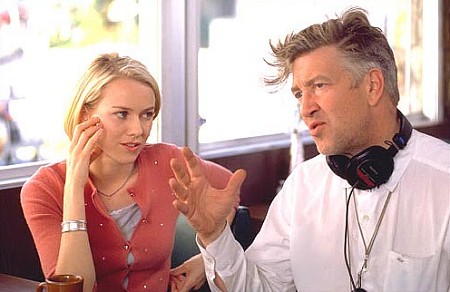
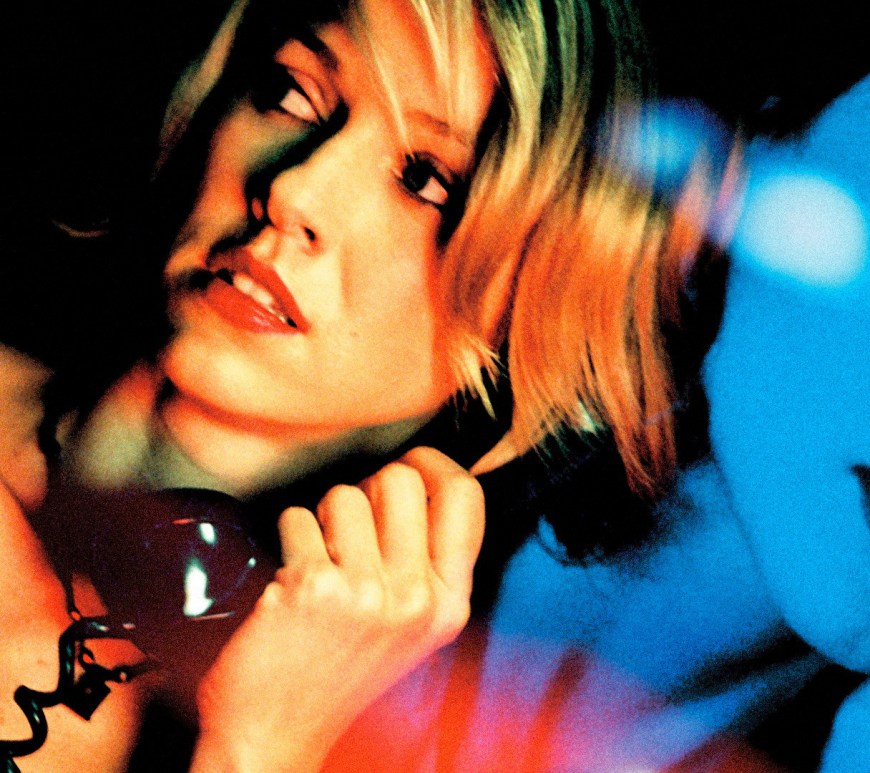
David Lynch’s Avant-Garde Uses Of Music – Part 3 (Influence).

Part 1. Part 2. Mulholland Drive In Context of Other Subversive Mainstream Films (Eyes Wide Shut). “For the duration of his career, and despite the size of his productions and the fact that they were all studio funded, Kubrick was very much an independent filmmaker.” – Horsley (2005, p.54) Lynch isn’t the only director to take Hollywood visuals and use them for his own artistic ends.  A … Continue reading David Lynch’s Avant-Garde Uses Of Music – Part 3 (Influence).

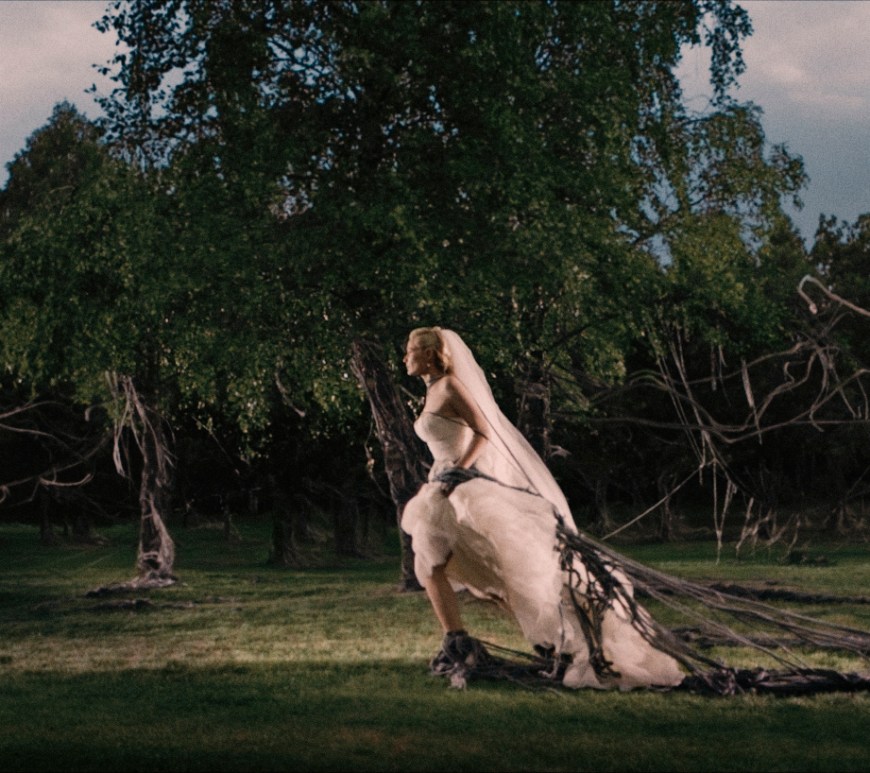
Solitary Music In Melancholia and The Turin Horse (von Trier and Tarr).

This article contains spoilers. Considering the large amount of time and effort that goes into creating and putting together the soundtrack to a film, one of the most interesting creative choices for filmmakers (often outside of the mainstream) is to use a piece of music continuously throughout rather than use different music for different scenes and segments.  This choice often highlights a desire for the … Continue reading Solitary Music In Melancholia and The Turin Horse (von Trier and Tarr).

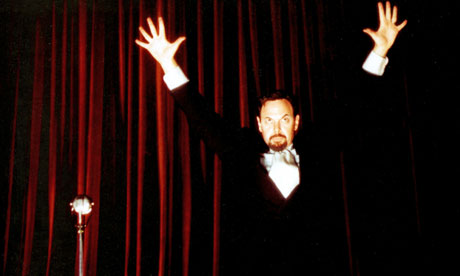
David Lynch’s Assimilation Of The Avant Garde – Part 2 (Musical Score and Club Silencio).

Part 1. Musical score – In the Context of David Lynch and Film Noir. The score for Mulholland Drive is a melting pot of ideas, genres and textures all of which add to the ineffable nature of the film.  Instead of putting the music in contrast with outside environments and films like most normal critiques would, the analysis is firstly in the context of Lynch’s … Continue reading David Lynch’s Assimilation Of The Avant Garde – Part 2 (Musical Score and Club Silencio).

Musical Emphasis on Visual Words (François Truffaut and Pier Paolo Pasolini)

The relationship between sound and vision in film is one that is complex and almost indefinable in a broad sense due to each director and composer treating such relationship in different ways.  The two examples about to be discussed are almost reverse images of each other’s effects; the same method has been applied but for different reasons and different results.  Much examination has taken place … Continue reading Musical Emphasis on Visual Words (François Truffaut and Pier Paolo Pasolini)

David Lynch + Assimilation of Avant-Garde Aesthetics in Subversive, Mainstream Soundtracks (Part 1)

Introduction – The Boundaries Of Criteria. “He was the most original director in 1980s cinema, its only surrealist” – Mark Cousins on David Lynch (2004, p.394). The Avant-Garde is like a spark or a flash of quick-fire creative ideals.  The idea of Avant-Garde cinema is not so much to present an experience or escapism, but is there instead to quickly question the ideals of the audience … Continue reading David Lynch + Assimilation of Avant-Garde Aesthetics in Subversive, Mainstream Soundtracks (Part 1)

The Blue Angel – Josef Von Sternberg (1930, Masters of Cinema)

This review contains spoilers. For a filmmaker who was supposedly uninterested in visual allegory, Josef Von Sternberg’s The Blue Angel (1930) is full of potential for visuals readings if wanted.  One of the first sound films to come out of Germany, it is astonishing how the medium’s relative newness seems to have had little negative effect on the visuals of this pioneering film.  However it … Continue reading The Blue Angel – Josef Von Sternberg (1930, Masters of Cinema)

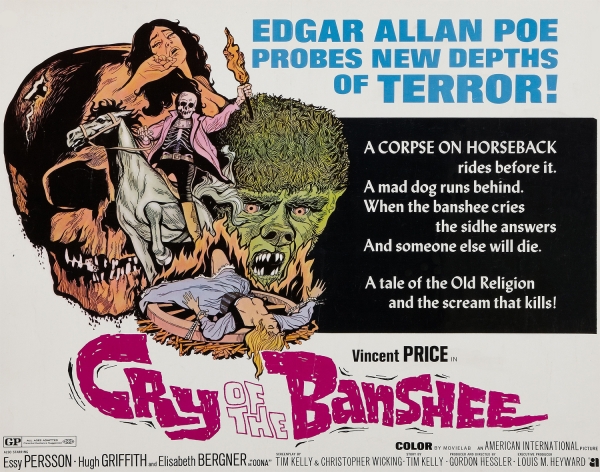
Cry Of The Banshee – Gordon Hessler (1970)

Cry of the Banshee (1970) makes no qualms as to what its aims are.  Looking at its promotional poster, it would be natural to associate it with Roger Corman’s Poe films; it’s emblazoned with Edgar Allen Poe references, its main star is Vincent Price and its design is a technocolour nightmare.  The film itself is about as far from Corman’s dreamlike fantasies as possible in … Continue reading Cry Of The Banshee – Gordon Hessler (1970)